
You’re about to discover everything you need to know about the Coxsackievirus – its symptoms, transmission, and prevention. This informative article will provide you with a clear understanding of this common viral infection, allowing you to better protect yourself and your loved ones. Whether you’re curious about the typical signs to look out for, interested in how it spreads, or keen on learning effective preventive measures, prepare to gain valuable knowledge that will empower you in safeguarding against the Coxsackievirus.
Understanding the Coxsackievirus
Overview of the Coxsackievirus
The Coxsackievirus is a common viral infection that belongs to the Enterovirus family. It is named after the town of Coxsackie in New York where it was first identified in the late 1940s. This virus is highly contagious and can cause a wide range of symptoms, ranging from mild to severe. It primarily affects infants, children, and young adults, although people of all ages can be affected. Understanding the Coxsackievirus is essential to prevent its spread and manage its symptoms effectively.
Types of Coxsackievirus
There are two main types of Coxsackievirus: A and B. Each type is further classified into multiple subtypes. Coxsackievirus A is responsible for causing Hand, Foot, and Mouth Disease (HFMD), while Coxsackievirus B is associated with a variety of illnesses, including respiratory infections, meningitis, and myocarditis. Both types can lead to symptoms such as fever, sore throat, and rash, but the severity and specific symptoms may vary.
Origin and Spread of the Coxsackievirus
The Coxsackievirus is most prevalent during the summer and early autumn months. It is primarily spread through close contact with infected individuals or by coming into contact with contaminated surfaces and objects. The virus can survive on surfaces for several hours, making it easy to spread. Crowded places, such as schools, daycare centers, and summer camps, are breeding grounds for the virus. Coxsackievirus infections can occur anywhere in the world, and outbreaks are more likely in areas with poor sanitation and hygiene practices.
Global Impact of Coxsackievirus Infections
Coxsackievirus infections have a significant global impact, leading to countless cases of illness and hospitalizations each year. While most cases result in mild symptoms and resolve on their own, severe complications can occur, especially in infants, young children, and individuals with weakened immune systems. Outbreaks of Coxsackievirus infections have been reported worldwide, with varying rates depending on factors such as geographical location, climate, and socioeconomic conditions.
Symptoms of Coxsackievirus Infections
General Symptoms
The symptoms of a Coxsackievirus infection can vary depending on the age and overall health of the individual. In general, symptoms may include fever, sore throat, headache, muscle aches, and fatigue. Some individuals may also experience a loss of appetite, nausea, vomiting, and abdominal pain. These general symptoms may last for a few days to a week before gradually improving.
Common Symptoms in Infants and Young Children
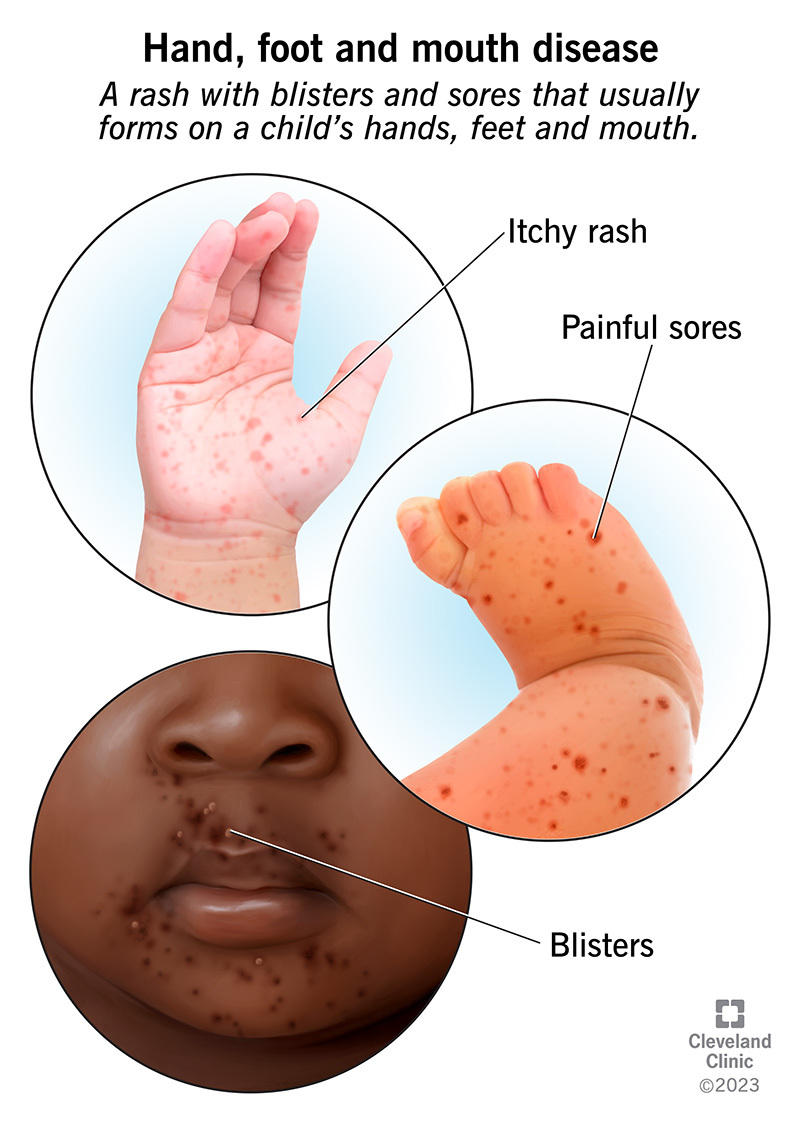
Infants and young children are more likely to develop specific Coxsackievirus-related illnesses, such as Hand, Foot, and Mouth Disease (HFMD). Symptoms of HFMD include a high fever, sore throat, painful sores in the mouth, and a rash on the palms of the hands and soles of the feet. In some cases, blisters may also form on the buttocks and genital area. HFMD can cause discomfort and may lead to a temporary loss of appetite, making it important to monitor fluid intake to prevent dehydration.
Uncommon Symptoms in Adults
While Coxsackievirus infections typically cause mild illness in adults, they can occasionally lead to more severe symptoms. Uncommon symptoms that may be present in adults include chest pain, shortness of breath, and heart palpitations. These symptoms are more common in individuals with pre-existing heart conditions or weakened immune systems. Additionally, adults may experience joint pain and inflammation, especially in the knees, hips, and shoulders.
Pregnancy and Coxsackievirus Infections
Coxsackievirus infections during pregnancy can be a cause for concern, but the risk of transmission to the fetus is relatively low. Pregnant individuals may experience symptoms similar to those seen in other adults, such as fever, fatigue, and muscle aches. If a Coxsackievirus infection occurs during pregnancy, it is crucial to seek medical attention to ensure the health and safety of both the mother and the unborn child.

Transmission of the Coxsackievirus
Modes of Transmission
The Coxsackievirus is primarily transmitted through person-to-person contact, fecal-oral transmission, and exposure to contaminated environmental surfaces. Direct contact with an infected individual’s respiratory secretions, saliva, or feces can result in transmission of the virus. Additionally, the virus can spread through respiratory droplets from coughing or sneezing. It can also survive on surfaces such as toys, doorknobs, and countertops, making it important to practice good hygiene to prevent its spread.
Person-to-person Transmission
Person-to-person transmission is the most common way that the Coxsackievirus spreads. This occurs when an infected individual comes into close contact with others, such as through hugs, handshakes, or sharing utensils. The virus can also spread through respiratory droplets when an infected person coughs or sneezes. Proper hand hygiene and avoiding close contact with infected individuals are key in preventing the transmission of the virus.
Fecal-oral Transmission
Fecal-oral transmission occurs when the virus is passed from the stool of an infected individual to the mouth of another person. This can happen through contaminated food, water, or surfaces. Poor sanitation and hygiene practices, such as improper handwashing after using the bathroom, can increase the risk of fecal-oral transmission. It is essential to maintain good hygiene practices, especially when handling food or water, to prevent the spread of the virus.
Environmental Transmission
The Coxsackievirus can survive on surfaces for several hours, making environmental transmission possible. Coming into contact with contaminated objects, such as toys, doorknobs, or countertops, can result in transmission of the virus. Routine cleaning and disinfection of frequently touched surfaces can help reduce the risk of environmental transmission. Additionally, avoiding touching the face, especially the mouth, nose, and eyes, can further prevent the spread of the virus.
Prevention of Coxsackievirus Infections
Practicing Good Hygiene
Practicing good hygiene is crucial in preventing Coxsackievirus infections. This includes frequent handwashing, especially after using the bathroom, changing diapers, or coming into contact with surfaces that may be contaminated. Using warm water and soap, thoroughly lathering the hands, and scrubbing for at least 20 seconds is essential for effective handwashing. Avoiding touching the face, particularly the mouth, nose, and eyes, can further reduce the risk of infection.
Frequent Handwashing
Frequent handwashing is one of the most effective ways to prevent the transmission of the Coxsackievirus. Hands should be washed before eating, preparing food, and after using the bathroom, changing diapers, or caring for someone who is ill. If soap and water are not readily available, using alcohol-based hand sanitizers with at least 60% alcohol content can be an alternative. However, hand sanitizers are not effective against some strains of the Coxsackievirus, so handwashing with soap and water is always the preferred method.
Avoiding Close Contact with Infected Individuals
Avoiding close contact with infected individuals is crucial to prevent person-to-person transmission of the Coxsackievirus. This means avoiding hugs, handshakes, and sharing utensils with someone who is showing signs of illness. If someone in your household is infected, it is important to limit physical contact and ensure proper hygiene practices are followed to prevent the spread of the virus.
Disinfecting Contaminated Surfaces and Objects
Regularly cleaning and disinfecting frequently touched surfaces and objects is an essential preventative measure. This can include toys, doorknobs, counters, and other shared spaces. Using a household disinfectant that is effective against viruses can help kill the Coxsackievirus and minimize the risk of transmission. It is important to follow the instructions on the disinfectant product for proper use and ensure thorough cleaning of the targeted areas.

Diagnosis and Treatment
Diagnosing Coxsackievirus Infections
The diagnosis of a Coxsackievirus infection is typically based on clinical symptoms and a physical examination. The presence of characteristic symptoms, such as a sore throat, fever, and rash, can provide a strong indication of a Coxsackievirus infection. In some cases, laboratory tests may be performed to confirm the diagnosis or rule out other possible causes of the symptoms.
Medical Examination
A medical examination is an important step in diagnosing a Coxsackievirus infection. The healthcare provider will assess the symptoms, perform a physical examination, and gather any relevant medical history. This examination can help distinguish Coxsackievirus infections from other similar illnesses, and it may guide further diagnostic testing or treatment options.
Laboratory Tests
In certain cases, laboratory tests may be conducted to confirm a Coxsackievirus infection or eliminate other potential causes of the symptoms. These tests may include throat swabs, stool samples, or blood tests to detect the presence of the virus or its antibodies. Laboratory tests are especially useful in severe or atypical cases where a definitive diagnosis is needed for appropriate management.
Treatment Options
There is no specific antiviral treatment for the Coxsackievirus infection. Most cases are self-limiting and resolve on their own within a week or two. Treatment focuses on managing the symptoms and providing relief. This includes getting plenty of rest, staying hydrated with fluids, and using over-the-counter pain relievers to alleviate fever and discomfort. In severe cases or cases with complications, hospitalization and supportive care may be necessary.
Managing Symptoms
Managing the symptoms of a Coxsackievirus infection is crucial to help individuals feel more comfortable and aid in their recovery. Drinking plenty of fluids, especially water and electrolyte-rich solutions, can prevent dehydration. Over-the-counter medications, such as acetaminophen or ibuprofen, can help reduce fever, relieve pain, and alleviate discomfort. It is important to follow the recommended dosage and guidelines when using these medications.
Complications and Long-term Effects
Potential Complications
While most Coxsackievirus infections are mild and self-limited, some individuals may experience complications. These complications are more likely in infants, young children, and individuals with weakened immune systems. Potential complications can include myocarditis (inflammation of the heart muscle), pericarditis (inflammation of the membrane surrounding the heart), meningitis (inflammation of the membranes covering the brain and spinal cord), and encephalitis (inflammation of the brain). These complications may require additional medical intervention and careful monitoring.
Myocarditis and Pericarditis
Coxsackievirus-induced myocarditis and pericarditis are relatively rare but can occur, especially in individuals with pre-existing heart conditions. Symptoms include chest pain, shortness of breath, and heart palpitations. Prompt medical attention is necessary to prevent further cardiac damage and manage these potentially serious complications.
Meningitis and Encephalitis
In some cases, Coxsackievirus infections can lead to meningitis or encephalitis. These are serious conditions that involve inflammation of the brain or its surrounding membranes. Symptoms may include severe headache, neck stiffness, sensitivity to light, and changes in mental status. Immediate medical attention is essential to diagnose and manage these complications effectively.
Long-term Effects
In most cases, Coxsackievirus infections do not have long-term effects or sequelae. However, there have been reports of post-infectious syndromes, such as chronic joint pain or chronic fatigue syndrome, following Coxsackievirus infections. These long-term effects are rare and require follow-up care to address and manage the symptoms.
Postviral Fatigue
Postviral fatigue is a common symptom following Coxsackievirus infections, particularly in individuals who have experienced severe symptoms or complications. It is characterized by persistent fatigue and weakness that can last for weeks or even months after the acute illness has resolved. Rest, proper nutrition, and gradually increasing physical activity levels can help manage and improve postviral fatigue.

Coxsackievirus and Heart Health
Association with Heart Conditions
The Coxsackievirus has been associated with various heart conditions, including myocarditis and pericarditis. Myocarditis, which is inflammation of the heart muscle, can weaken the heart and affect its ability to pump blood effectively. Pericarditis, which is inflammation of the membrane surrounding the heart, can cause chest pain and other symptoms. These heart conditions require prompt medical attention and specialized care to prevent further complications.
Coxsackievirus-induced Myocarditis
Coxsackievirus-induced myocarditis is a rare but serious complication of the infection. The inflammation of the heart muscle can lead to heart failure if not diagnosed and managed appropriately. Symptoms may include chest pain, shortness of breath, rapid or irregular heartbeat, and fatigue. Diagnosis is typically made through a combination of clinical evaluation, imaging tests, and laboratory studies. Treatment involves rest, medications to reduce inflammation and manage heart function, and close monitoring by a healthcare professional.
Preventing Heart Complications
Preventing heart complications associated with Coxsackievirus infections starts with early recognition and prompt medical attention. It is important to seek medical care if symptoms such as chest pain, shortness of breath, or palpitations develop, especially in individuals with pre-existing heart conditions or weakened immune systems. Following a healthy lifestyle, including regular exercise, a balanced diet, and avoiding smoking or excessive alcohol consumption, can also support heart health and reduce the risk of complications.
Impact on Children and Pregnancy
Coxsackievirus in Children
Coxsackievirus infections are most common in infants, children, and young adults. Children are more susceptible to developing Hand, Foot, and Mouth Disease (HFMD), which is primarily caused by Coxsackievirus A. Children with HFMD typically experience characteristic symptoms, including fever, sore throat, mouth sores, and a rash on the hands and feet. Most cases of HFMD are mild and self-limiting, but careful monitoring and supportive care are necessary to manage symptoms and prevent dehydration.
Hand, Foot, and Mouth Disease
Hand, Foot, and Mouth Disease (HFMD) is a common illness in young children, often caused by Coxsackievirus A. It is characterized by a fever, sore throat, mouth sores, and a rash on the palms of the hands and soles of the feet. The illness is usually self-limiting, with symptoms resolving within a week or two. However, it is important to monitor children closely, ensure proper hydration, and provide comfort measures to alleviate symptoms.
Coxsackievirus and Pregnancy
Coxsackievirus infections during pregnancy can cause concern, but the risk of transmission to the fetus is relatively low. Pregnant individuals who contract the Coxsackievirus may experience symptoms similar to those seen in other adults, such as fever, fatigue, and muscle aches. It is important to seek medical attention if symptoms occur during pregnancy to ensure the health and safety of both the mother and the unborn child.
Preventing Vertical Transmission
Vertical transmission, where the virus is passed from mother to child during pregnancy or childbirth, is uncommon with the Coxsackievirus. The risk of transmission can be minimized by practicing good hygiene, such as thorough handwashing, and avoiding close contact with individuals who are ill. Regular prenatal care and open communication with healthcare providers are essential in monitoring the health of the mother and the baby throughout pregnancy.

Global Outbreaks and Case Studies
Recent Global Outbreaks
Coxsackievirus infections have been reported globally, with occasional outbreaks occurring in various regions. These outbreaks can vary in size and severity depending on factors such as population density, climate, and hygiene practices. Recent global outbreaks of Coxsackievirus infections have highlighted the need for enhanced surveillance, improved hygiene practices, and increased public awareness to prevent the spread of the virus and minimize the impact on affected communities.
Case Studies and Epidemiological Investigations
Case studies and epidemiological investigations play a crucial role in understanding the spread and impact of Coxsackievirus infections. By analyzing individual cases and their associated factors, researchers can identify patterns, risk factors, and potential modes of transmission. These studies contribute to the development of effective prevention strategies, early detection, and appropriate management of Coxsackievirus infections.
Future Implications and Research Directions
Evolving Coxsackievirus Strains
As with most viruses, Coxsackievirus strains can evolve over time. This evolution can result in new strains or subtypes with different characteristics and varying degrees of virulence. Studying these evolving strains is essential to understand their impact on human health and develop effective preventive measures, such as vaccines and antiviral therapies.
New Prevention Strategies
Continued research and investment in the development of innovative prevention strategies are crucial to combating Coxsackievirus infections. This includes the improvement of hygiene practices, such as proper handwashing techniques and sanitization procedures. Additionally, public health campaigns and educational programs can raise awareness, promote early detection, and encourage prompt medical care to prevent the spread of the virus.
Promising Treatment Approaches
Advancements in medical research may lead to the development of targeted treatments for Coxsackievirus infections. While there is currently no specific antiviral treatment for Coxsackievirus infections, ongoing research aims to identify potential therapeutic targets and develop effective treatment modalities. These emerging treatment approaches may help alleviate symptoms, reduce complications, and shorten the duration of illness caused by the Coxsackievirus.
Advancements in Vaccine Development
The development of a safe and effective vaccine against the Coxsackievirus is a primary focus of ongoing research. Vaccines have been successful in preventing many viral illnesses, and the possibility of a Coxsackievirus vaccine holds great promise. However, due to the genetic diversity of the virus and the presence of multiple subtypes, developing a universally effective vaccine remains a challenge. Continued research and collaboration among scientists, healthcare professionals, and vaccine developers are necessary to advance vaccine development efforts and protect vulnerable populations from Coxsackievirus infections.
In conclusion, understanding the Coxsackievirus is crucial for preventing its spread, managing its symptoms, and minimizing its impact on individuals and communities. With proper hygiene practices, early recognition of symptoms, and public awareness, the transmission of the Coxsackievirus can be significantly reduced. Ongoing research and advancements in prevention strategies, diagnosis, and treatments offer hope for improving outcomes for individuals affected by Coxsackievirus infections. By staying informed and adopting proactive measures, we can work together to mitigate the global impact of this common viral infection.