
Hey! Have you ever wondered what exactly is cystic fibrosis and how it affects people? In this article, we’ll explore the causes, symptoms, and treatment options for cystic fibrosis. Cystic fibrosis is a genetic disorder that primarily affects the lungs, but can also impact other organs of the body. By understanding the underlying causes and recognizing the symptoms, we can gain valuable insights into this condition and learn about the available treatment options that can improve the quality of life for individuals living with cystic fibrosis. So, let’s get started and unravel the mysteries of cystic fibrosis!
Causes
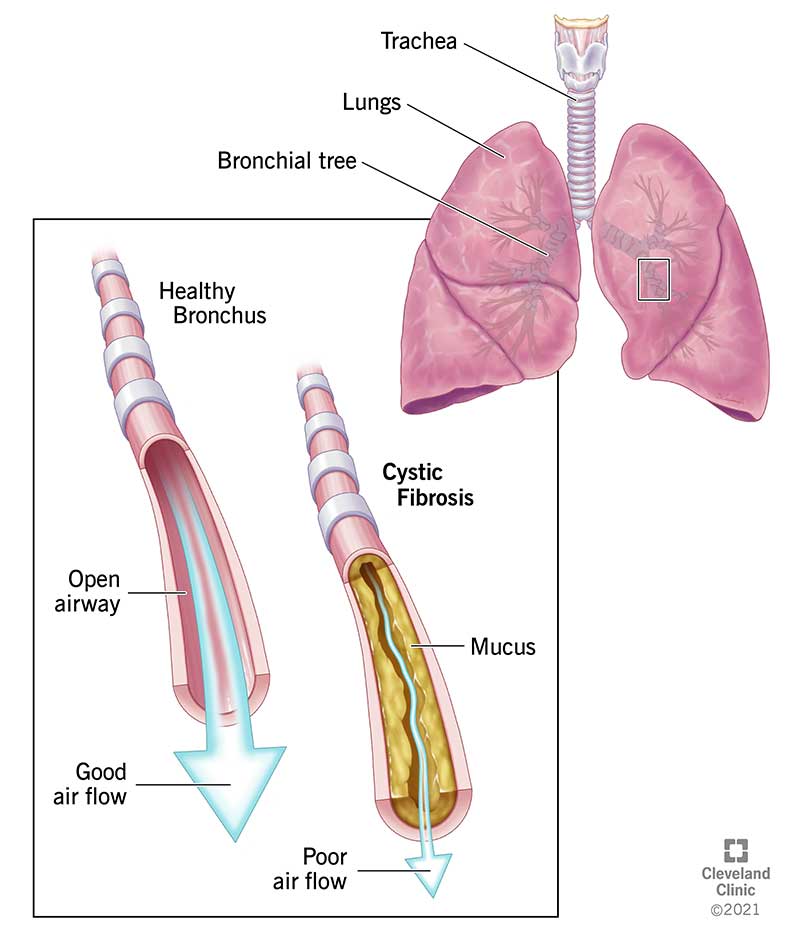
Cystic Fibrosis is a genetic disorder that primarily occurs due to two main causes: genetic mutation and inheritance pattern. Genetic mutation refers to a change in the DNA sequence that affects the function of the cystic fibrosis transmembrane conductance regulator (CFTR) protein, responsible for maintaining the balance of salt and water on the surface of cells. This mutation leads to the production of a defective CFTR protein, causing the symptoms associated with cystic fibrosis. Inheritance pattern plays a role in determining whether an individual will develop the disorder. Cystic fibrosis follows an autosomal recessive inheritance pattern, meaning both parents must carry a mutated CFTR gene and pass it on to their child for the disorder to manifest.
Symptoms
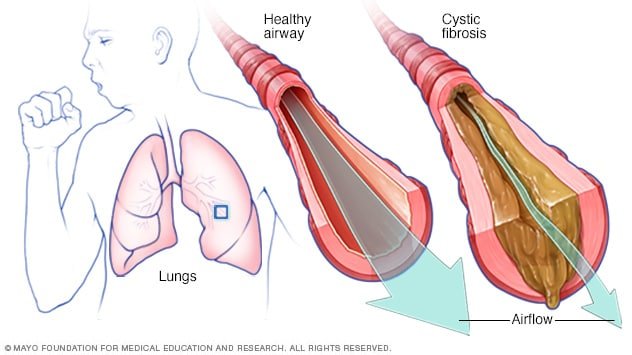
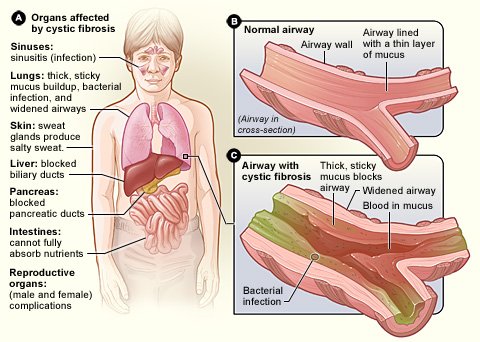
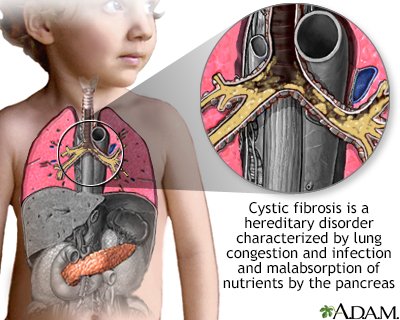
Cystic Fibrosis can present with a wide range of symptoms affecting various systems in the body. Respiratory symptoms are among the most common, including persistent cough, wheezing, lung infections, and difficulty breathing. Digestive symptoms may include poor weight gain, malabsorption, and frequent greasy and bulky stools. Other symptoms associated with cystic fibrosis can involve the sweat glands, leading to excessively salty sweat, as well as the reproductive system, causing infertility in males.
Diagnosis
There are several methods used to diagnose cystic fibrosis, each providing valuable information to confirm the presence of the disorder. Newborn screening is a widely utilized method to identify infants with cystic fibrosis early on. This screening involves collecting a small blood sample from the baby’s heel shortly after birth and testing it for high levels of immunoreactive trypsinogen (IRT), a protein elevated in individuals with the condition. The sweat test is another diagnostic tool that measures the amount of salt in the sweat. Individuals with cystic fibrosis typically have high levels of chloride in their sweat. Genetic testing can also be performed to identify specific mutations in the CFTR gene, confirming the diagnosis of cystic fibrosis. Other diagnostic tests such as lung function tests and imaging studies may be utilized to assess the severity and progression of the disease.
Treatment
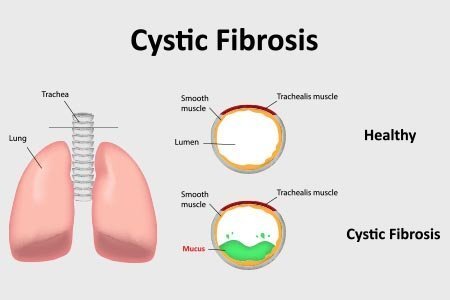
While there is currently no cure for cystic fibrosis, there are various treatment options available to manage the symptoms and improve the quality of life for patients. Medications play a crucial role in the treatment of cystic fibrosis. Inhaled medications, such as bronchodilators and mucolytics, help open up the airways and thin the mucus, making it easier to clear from the lungs. Enzyme replacement therapy is also commonly used to aid in digestion and absorption of nutrients from food. Airway clearance techniques, such as chest physiotherapy and high-frequency chest wall oscillation, help loosen and clear the thick mucus from the airways. Nutritional therapy is essential for individuals with cystic fibrosis to ensure adequate caloric intake and proper growth. In severe cases, a lung transplant or gene therapy may be considered as treatment options.
Managing the Disease
Managing cystic fibrosis involves a multi-faceted approach to address various aspects of the condition. Regular physical activity is encouraged as it helps improve lung function, enhance cardiovascular health, and maintain overall fitness. Infection prevention is paramount in individuals with cystic fibrosis due to their increased susceptibility to lung infections. This includes practicing good hand hygiene, avoiding close contact with sick individuals, and staying up to date with vaccinations. Emotional support is also crucial for individuals and their families dealing with cystic fibrosis. Support groups, counseling services, and social networks can provide a safe space to share experiences, receive support, and reduce stress.
Complications
Cystic fibrosis can lead to several complications that can significantly impact the health and well-being of individuals with the condition. Lung infections are a common complication of cystic fibrosis and can cause progressive damage to the airways, leading to respiratory decline. Malnutrition can occur due to difficulty absorbing nutrients from food, leading to inadequate weight gain and growth. Cystic fibrosis-related diabetes can develop in some individuals, affecting blood sugar control. Osteoporosis, characterized by weak and brittle bones, may also develop due to factors such as nutrient malabsorption and reduced physical activity. Infertility is another potential complication of cystic fibrosis, particularly in males, as the condition can lead to the absence of the vas deferens, a tube essential for sperm transport.
Prognosis
The prognosis for individuals with cystic fibrosis has improved significantly over the years, thanks to advancements in medical care. Life expectancy continues to increase, with many individuals living into their thirties, forties, and beyond. However, the prognosis can vary depending on the severity of the disease, the presence of complications, and the individual’s response to treatment. Although cystic fibrosis is a lifelong condition, it is possible to maintain a good quality of life with appropriate management and support.
Research and Future Treatments
Ongoing research aims to further our understanding of cystic fibrosis and develop innovative treatments. Targeted therapies, such as CFTR modulators, are being developed to specifically target and correct mutations in the CFTR gene. Gene editing techniques, such as CRISPR-Cas9, hold promise for potentially correcting the underlying genetic abnormalities responsible for cystic fibrosis. Clinical trials are also being conducted to evaluate the safety and effectiveness of new medications and treatment modalities. These research efforts bring hope for improved outcomes and potential future advancements in the management of cystic fibrosis.
Coping Strategies for Patients and Families
Living with cystic fibrosis can present unique challenges, both for individuals with the condition and their families. Education and awareness are essential to better understand the disease, its management, and the available support systems. Resources such as educational materials, online communities, and workshops can help individuals and families gain knowledge and make informed decisions. Supportive services, including psychological counseling, physiotherapy, and nutritional counseling, can provide valuable assistance in managing the physical, mental, and emotional aspects of cystic fibrosis. Advocacy plays a crucial role in raising awareness, promoting research, and advocating for improved access to care and resources.
Conclusion
Cystic Fibrosis is a complex genetic disorder that affects multiple systems in the body. While there is currently no cure, advancements in medical care and supportive therapies have significantly improved outcomes for individuals with the condition. Early diagnosis, comprehensive treatment plans, and ongoing management are key to managing cystic fibrosis and achieving the best possible quality of life. With continued research and advancements in treatment options, there is hope for a brighter future for individuals and families affected by cystic fibrosis.