
Imagine if you could unlock the secrets behind the mysterious connection between dementia and Alzheimer’s, two of the most prevalent neurodegenerative diseases in the world. In this article, we will explore this intricate link, shedding light on how these conditions intertwine and affect millions of lives. By understanding the relationship between dementia and Alzheimer’s, we can pave the way towards better diagnosis, treatment, and ultimately, a brighter future for those impacted by these debilitating illnesses. So sit back, relax, and embark on a journey to uncover the fascinating bond that exists between dementia and Alzheimer’s.
What is Dementia?
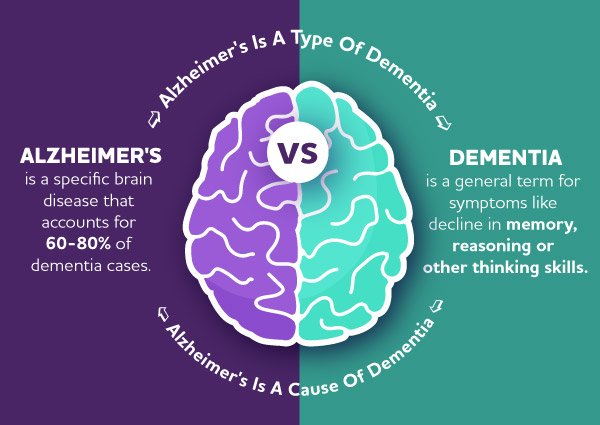
Dementia is a broad term used to describe a range of symptoms related to significant memory loss and declining cognitive abilities. It is not a specific disease, but rather a syndrome caused by various brain disorders, affecting an individual’s thinking, behavior, and ability to perform daily activities. Common symptoms of dementia include memory loss, difficulty with language and communication, impaired judgment, and personality changes. It is important to note that dementia is different from the normal aging process and should not be considered a normal part of getting older.
Symptoms
The symptoms of dementia can vary from person to person depending on the cause and stage of the condition. Some common symptoms include:
- Memory loss: One of the most prominent symptoms of dementia is the inability to remember recent events or familiar information.
- Communication difficulties: People with dementia may struggle to find the right words, have difficulty following conversations, or have trouble understanding others.
- Impaired judgment and reasoning: Dementia can affect a person’s decision-making abilities, making it challenging to plan and execute tasks.
- Changes in mood and behavior: Personality changes, irritability, and mood swings are common in individuals with dementia.
- Difficulty with daily activities: As dementia progresses, individuals may struggle with routine tasks, such as getting dressed, bathing, or preparing meals.
Types of Dementia
There are several types of dementia, each with its own underlying causes and specific symptoms. The most common types include:
- Alzheimer’s disease: Alzheimer’s is the most prevalent form of dementia, accounting for 60-80% of cases. It is characterized by the accumulation of abnormal protein plaques and tangles in the brain, leading to the gradual destruction of brain cells.
- Vascular dementia: Vascular dementia is caused by impaired blood flow to the brain, often resulting from strokes or other conditions that damage blood vessels. The symptoms of vascular dementia can vary depending on the parts of the brain affected.
- Lewy body dementia: Lewy body dementia is characterized by the presence of abnormal protein deposits called Lewy bodies in the brain. Individuals with Lewy body dementia may experience hallucinations, fluctuating cognition, and motor symptoms similar to Parkinson’s disease.
- Frontotemporal dementia: This type of dementia primarily affects the frontal and temporal lobes of the brain, leading to changes in personality, behavior, and language skills.
- Mixed dementia: Mixed dementia refers to the coexistence of more than one type of dementia, with Alzheimer’s disease and vascular dementia being the most common combination.
What is Alzheimer’s Disease?
Alzheimer’s disease is a specific form of dementia and the most common cause of memory loss and cognitive decline in older adults. It is a progressive neurodegenerative disorder characterized by the buildup of plaques and tangles in the brain, resulting in the destruction of brain cells. Alzheimer’s disease is named after Dr. Alois Alzheimer, who first described it in 1906.
Symptoms
The symptoms of Alzheimer’s disease can vary but generally progress over time. Early symptoms may include:
- Memory loss that disrupts daily life, such as forgetting recently learned information or important dates.
- Difficulty with planning and problem-solving, such as struggling with familiar tasks or managing finances.
- Confusion and disorientation, especially in unfamiliar places or situations.
- Language problems, such as difficulty finding words or following conversations.
- Changes in mood and personality, including depression, anxiety, and withdrawal from social activities.
Causes
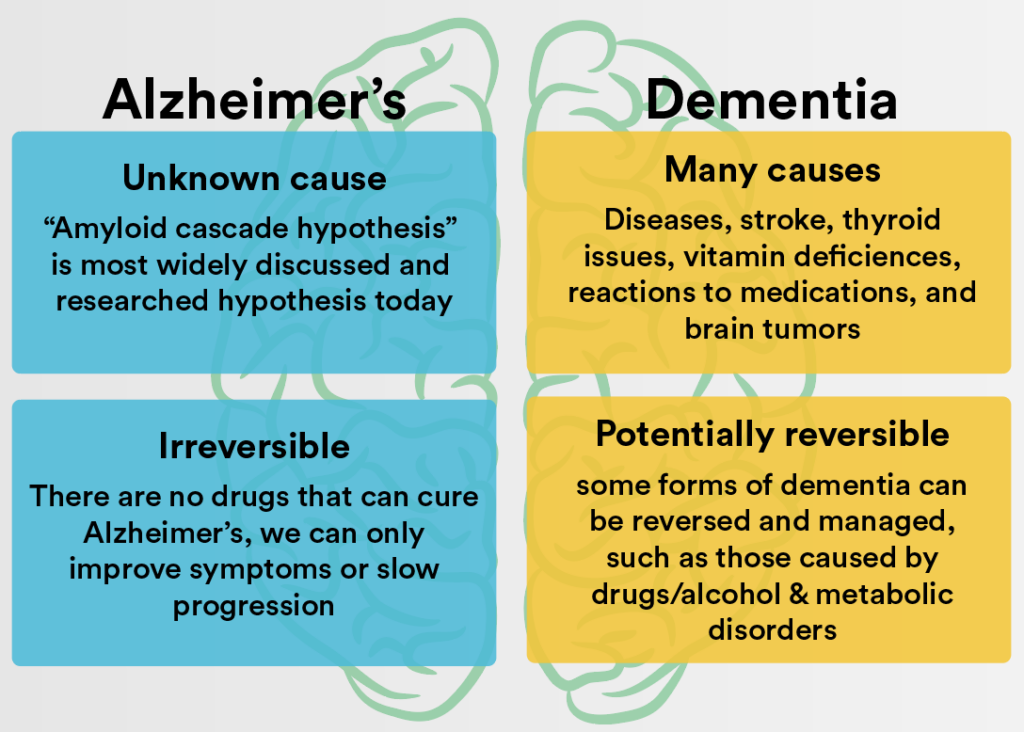
The exact cause of Alzheimer’s disease is not fully understood. However, researchers believe that a combination of genetic, lifestyle, and environmental factors may contribute to its development. Some risk factors for Alzheimer’s disease include age, family history, certain genetic mutations, and a history of head injuries.
Stages
Alzheimer’s disease is typically divided into three stages: early (mild), middle (moderate), and late (severe). The progression of the disease can vary from person to person, but generally, individuals experience an increasing decline in cognitive abilities and functioning as the disease advances.
In the early stage, individuals may still be able to function independently but may notice mild memory lapses and have difficulty with word retrieval. As the disease progresses to the middle stage, memory loss becomes more pronounced, and individuals may need assistance with daily tasks and personal care. In the late stage, individuals become significantly dependent on others for all aspects of care, lose the ability to communicate effectively, and may experience severe physical decline.
The Relationship Between Dementia and Alzheimer’s Disease
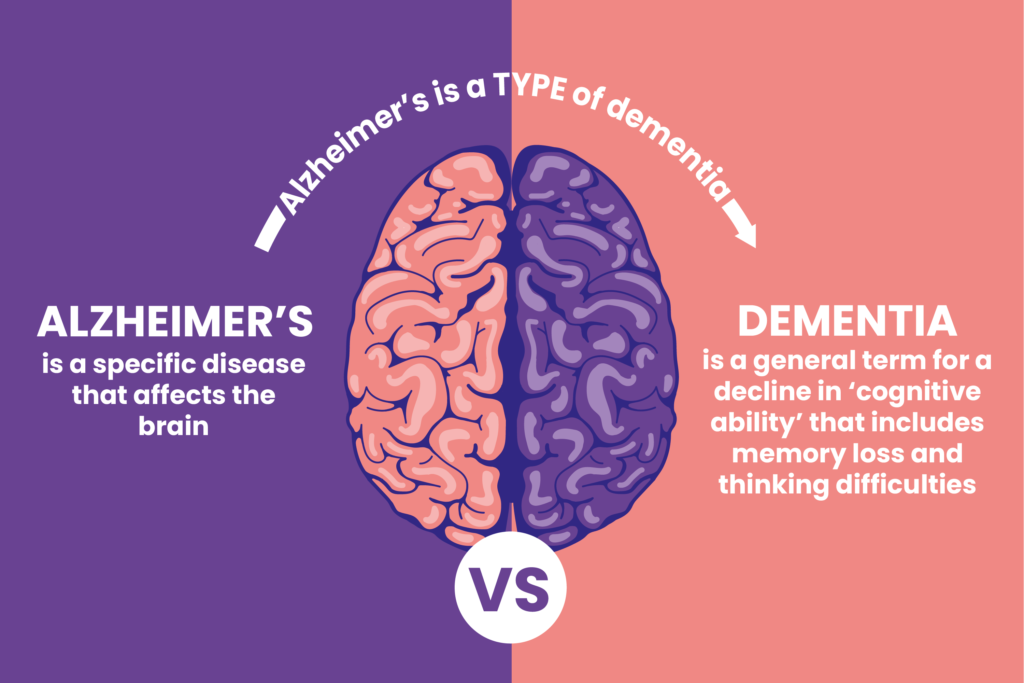
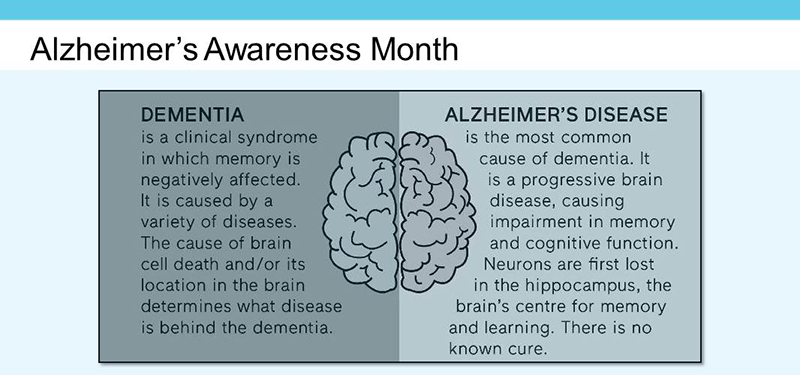
While Alzheimer’s disease is a specific type of dementia, dementia itself is a broader term encompassing various conditions that cause similar symptoms. Alzheimer’s disease is the most prevalent cause of dementia, accounting for the majority of cases.
Prevalence of Alzheimer’s in Dementia Cases
According to estimates, Alzheimer’s disease accounts for 60-80% of dementia cases globally. However, it is important to note that there are other causes of dementia, such as vascular dementia, Lewy body dementia, and frontotemporal dementia.
Shared Risk Factors
Dementia, including Alzheimer’s disease, shares many common risk factors. Age is the most significant risk factor, as the prevalence of both dementia and Alzheimer’s increases with age. Family history, genetics, and certain lifestyle factors, such as poor cardiovascular health, lack of physical activity, smoking, and obesity, also contribute to the risk of developing dementia.
Brain Changes and Neurodegeneration
Both dementia and Alzheimer’s disease involve significant changes in the brain. In Alzheimer’s disease, the accumulation of amyloid plaques and tau tangles disrupts normal brain function, leading to the death of brain cells and the subsequent cognitive decline. Other forms of dementia, such as vascular dementia, result from impaired blood flow to the brain, causing damage to brain tissue.
Diagnosis and Treatment
Proper diagnosis is essential for identifying the specific cause of dementia and developing an appropriate treatment plan. While there is currently no cure for most forms of dementia, various interventions can help manage symptoms and slow the progression of the condition.
Diagnosing Dementia vs Alzheimer’s
Distinguishing between dementia and Alzheimer’s disease requires a comprehensive evaluation by a healthcare professional. The diagnostic process typically involves a thorough medical history review, cognitive assessments, neurological examinations, and laboratory tests to rule out other potential causes of cognitive impairment.
Diagnostic Tests
Various diagnostic tests can aid in the diagnosis of Alzheimer’s disease and other forms of dementia. These may include brain imaging techniques such as magnetic resonance imaging (MRI) or positron emission tomography (PET) scans to assess brain structure and function. Blood tests may also be conducted to rule out other underlying medical conditions that may contribute to cognitive decline.
Current Understanding of Treatment
While there is no cure for dementia or Alzheimer’s disease, treatment options are available to manage symptoms and improve quality of life. Medications, such as cholinesterase inhibitors and memantine, may be prescribed to help manage cognitive symptoms and slow disease progression in some cases. Additionally, supportive therapies, including occupational therapy, speech therapy, and behavioral interventions, can provide individuals with strategies to cope with memory loss and other challenges.
Prevention Strategies
While age and genetics are uncontrollable risk factors for dementia and Alzheimer’s disease, certain lifestyle choices and preventive measures can help reduce the risk or delay the onset of cognitive decline.
Healthy Lifestyle Choices
Maintaining a healthy lifestyle is crucial for brain health and reducing the risk of dementia. Engaging in regular physical exercise, eating a balanced diet rich in fruits, vegetables, and whole grains, managing weight, maintaining healthy blood pressure and cholesterol levels, and staying socially active can all contribute to brain health.
Cognitive Stimulation
Challenging the brain with mentally stimulating activities can help promote cognitive function and potentially reduce the risk of dementia. Activities such as reading, puzzles, learning a new language or musical instrument, and engaging in social interactions can all provide cognitive stimulation.
Managing Chronic Conditions
Managing chronic conditions, particularly those that affect cardiovascular health, can play a significant role in reducing the risk of dementia. Conditions such as high blood pressure, diabetes, and obesity are associated with an increased risk of cognitive decline, making it important to control these conditions through medication, lifestyle modifications, and regular medical check-ups.
Support for Individuals with Dementia and Alzheimer’s
Receiving support and care is crucial for individuals living with dementia and their caregivers. Various resources and strategies exist to assist in coping with the challenges of the condition.
Coping Strategies for Individuals
Individuals with dementia can benefit from developing routines, using memory aids such as calendars or reminder apps, maintaining a familiar and safe environment, participating in activities that promote cognitive stimulation, and seeking emotional support from family and friends. Different strategies may be more effective depending on the specific symptoms and needs of the individual.
Support Groups and Caregiver Resources
Support groups provide a valuable network for individuals caring for someone with dementia. These groups offer emotional support, practical advice, and information on available resources. Caregiver resources, such as respite care services, counseling services, and educational materials, can help caregivers manage the demands of caregiving and prioritize self-care.
Long-Term Care Options
In more advanced stages of dementia, individuals may require specialized long-term care. Options such as memory care units, assisted living facilities, or nursing homes can provide a safe and supportive environment for individuals with dementia. It is important for families to explore these options and make arrangements based on the specific needs and preferences of the individual.
Current Research and Future Outlook
Advancements in research have helped expand our understanding of dementia and Alzheimer’s disease. Ongoing studies and clinical trials offer hope for improved treatment and prevention strategies.
Advancements in Understanding
Researchers continue to explore the underlying causes and mechanisms of dementia and Alzheimer’s disease. Advances in brain imaging techniques, genetic research, and biomarker development have improved our ability to understand the early stages of the diseases, potentially leading to earlier and more accurate diagnoses.
Promising Research Areas
Promising areas of research include investigating potential preventive strategies, developing disease-modifying treatments, and exploring targeted therapies based on specific genetic and biological markers. Immunotherapy and drug interventions targeting the underlying mechanisms of Alzheimer’s disease, such as the removal of amyloid plaques, show potential for future treatment options.
Hope for Improved Treatment
As our understanding of dementia and Alzheimer’s disease improves, there is hope for the development of more effective treatments and interventions. Early detection, personalized medicine approaches, and a multidisciplinary approach combining medical, lifestyle, and psychosocial interventions can help improve outcomes and quality of life for individuals living with dementia.
Impact on Individuals, Families, and Society
Dementia and Alzheimer’s disease have far-reaching effects and impact not only the individuals diagnosed but also their families and society as a whole.
Emotional and Financial Toll
The emotional toll of dementia is significant, as individuals may face feelings of confusion, frustration, and a loss of identity. Families and caregivers also experience emotional strain, often juggling caregiving responsibilities with their own personal and professional lives. Furthermore, the financial burden of dementia care can be substantial, with costs associated with medical care, medications, long-term care, and support services.
Importance of Dementia-Friendly Communities
Creating dementia-friendly communities is crucial in supporting individuals living with dementia and their caregivers. These communities strive to raise awareness, reduce stigma, improve accessibility of public spaces, and provide services and resources tailored to the needs of individuals with dementia. Dementia-friendly initiatives can make a significant difference in promoting inclusion and enhancing the quality of life for those affected by dementia.
The Need for Advocacy
Advocacy plays a vital role in raising awareness, promoting research funding, and influencing policy changes related to dementia and Alzheimer’s disease. Advocacy efforts aim to reduce stigma, increase access to quality care and support services, and ensure adequate support for individuals and families affected by dementia.

Addressing the Stigma and Misconceptions
Stigma and misconceptions surrounding dementia and Alzheimer’s disease can have detrimental effects on individuals and their caregivers. Clearing up these misconceptions is crucial for fostering understanding and support.
Dispelling Myths about Dementia and Alzheimer’s
Some common myths about dementia and Alzheimer’s include the belief that it is a normal part of aging, that all memory loss is dementia-related, or that individuals with dementia cannot participate in everyday activities. Educating the public about the realities of dementia and challenging these myths can help reduce stigma and promote compassion and empathy.
Raising Awareness and Education
Raising awareness about dementia and Alzheimer’s disease is instrumental in reducing stigma and increasing understanding. Educational initiatives that teach the public about the symptoms, risk factors, and available resources can help individuals recognize the signs of dementia, seek early diagnosis, and provide appropriate support to those affected.
Conclusion
Dementia and Alzheimer’s disease have a significant impact on individuals, families, and society as a whole. Understanding the causes, symptoms, and available treatments is crucial for early diagnosis, management, and support. Through continued research, advocacy, and the development of dementia-friendly communities, we can strive to improve the lives of individuals living with dementia and work towards a future with improved treatment options and increased awareness.