
Syphilis, a sexually transmitted infection, is a topic that may seem uncomfortable to discuss, but it is essential to raise awareness about prevention methods. This article aims to provide you with valuable insights and tips on how to effectively protect yourself and others from syphilis. By understanding the risks, practicing safe sexual behaviors, and getting tested regularly, you can take proactive steps towards preventing the transmission of this potentially serious and treatable infection. Let’s explore the key strategies to minimize the spread of syphilis and ensure the well-being of ourselves and our partners.

1. Understanding Syphilis
1.1 What is Syphilis?
Syphilis is a sexually transmitted infection (STI) caused by a bacteria called Treponema pallidum. It is primarily transmitted through sexual contact, including vaginal, anal, and oral sex. Syphilis can also be passed from an infected pregnant person to their fetus during pregnancy.
1.2 Symptoms of Syphilis
The symptoms of syphilis can vary depending on the stage of the infection. In the early stages, a small, painless sore called a chancre may develop at the site of infection. This sore can appear on the genitals, anus, or mouth. Other symptoms of early syphilis may include a rash, fever, swollen lymph nodes, and muscle aches. If left untreated, syphilis can progress to more severe stages, with symptoms such as skin rashes, blindness, neurological damage, and even death.
1.3 Transmission of Syphilis
Syphilis is primarily transmitted through direct contact with syphilis sores or rashes during sexual activity. This can occur through vaginal, anal, or oral sex, as well as through close genital contact. Syphilis can also be transmitted from an infected pregnant person to their fetus during pregnancy or childbirth.
2. Importance of Preventing Syphilis
2.1 Health Risks Associated with Syphilis
Preventing syphilis is crucial because the infection can lead to a wide range of health risks. If left untreated, syphilis can cause serious complications, such as cardiovascular problems, neurological disorders, damage to internal organs, and an increased risk of contracting or transmitting HIV. Syphilis can also lead to stillbirth, premature birth, or congenital syphilis in pregnant individuals, posing significant risks to both the mother and the baby.
2.2 Impact on Public Health
Preventing syphilis is not only important for individual health but also for public health. Syphilis is a highly contagious STI, and if left unchecked, it can spread rapidly within communities and populations. The increasing prevalence of syphilis can strain healthcare systems, increase healthcare costs, and have a negative impact on overall public health. Preventing syphilis through comprehensive measures is essential to minimize its transmission and reduce the burden on healthcare resources.
3. Safe Sexual Practices
3.1 Abstinence
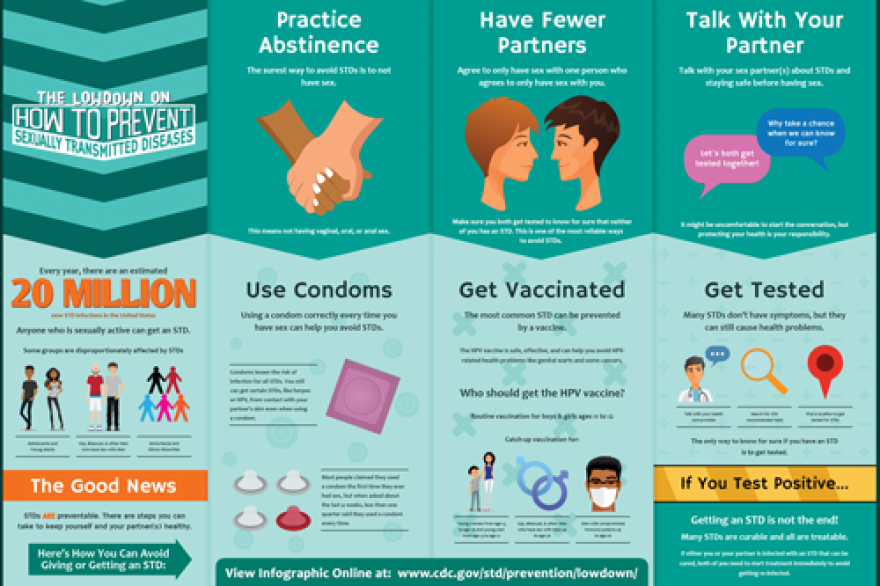
Abstinence, or refraining from sexual activity, is the only surefire way to completely avoid the risk of syphilis and other STIs. By choosing abstinence, you can eliminate the possibility of acquiring or transmitting syphilis through sexual contact. However, it is important to remember that abstinence may not be a realistic or desirable option for everyone, and alternative methods of prevention should be considered.
3.2 Monogamy
Maintaining a monogamous sexual relationship with a partner who has tested negative for syphilis and other STIs can significantly reduce the risk of infection. Being in a mutually exclusive sexual partnership where both partners are committed to each other and practice safe sex can help prevent the spread of syphilis. Regular communication and testing between partners are essential to ensure health and the prevention of syphilis transmission.
3.3 Safe Sex Practices
Practicing safe sex is an important measure in preventing syphilis. This includes using barrier methods such as male or female condoms during sexual intercourse. Condoms are highly effective in reducing the risk of syphilis transmission when used correctly and consistently. Additionally, using dental dams or condoms for oral sex, and gloves for manual stimulation, can also provide protection against syphilis. It is crucial to use these methods consistently and correctly to maximize their effectiveness.
4. Regular Testing and Screening
4.1 Importance of Testing
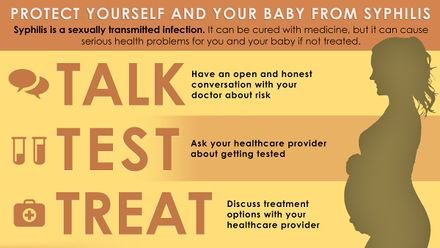
Regular testing and screening for syphilis are vital, especially for individuals who are sexually active or belong to high-risk groups. Testing allows for early detection and prompt treatment of syphilis, preventing the infection from progressing to more severe stages and reducing the risk of transmitting it to others. Testing is also important for pregnant individuals to ensure the health of the fetus and prevent congenital syphilis.
4.2 Types of Syphilis Tests
There are several types of syphilis tests available, including blood tests, rapid plasma reagin (RPR) tests, and treponemal antibody tests. Blood tests can detect the presence of antibodies produced by the body in response to a syphilis infection. RPR tests measure the body’s immune response to the infection, while treponemal antibody tests directly detect the bacteria causing syphilis. Your healthcare provider can determine the most appropriate test based on your specific situation.
4.3 Recommended Testing Frequency
The frequency of syphilis testing depends on various factors, including sexual activity, number of sexual partners, and individual risk factors. As a general guideline, individuals who are sexually active or engage in high-risk sexual behaviors should consider getting tested for syphilis annually. Pregnant individuals should be tested early in their pregnancy and, if high-risk behavior is present, again in the third trimester. It is essential to consult with a healthcare professional to determine the recommended testing frequency for your specific circumstances.
5. Educating Yourself and Others
5.1 Understanding Syphilis Prevention
Educating yourself about syphilis prevention is key to avoiding infection and transmission. Familiarize yourself with the symptoms, modes of transmission, and safe practices to protect yourself and others. Stay updated on the latest research and recommendations from reputable sources, such as healthcare professionals or reliable health organizations. By being knowledgeable about syphilis prevention, you can make informed decisions and effectively communicate with sexual partners and your community.
5.2 Educating Sexual Partners
Open and honest communication is crucial in preventing syphilis within sexual partnerships. It is important to discuss sexual health with your partner, including previous testing history, sexual practices, and any potential risks. Encourage your partner to get tested regularly and accompany them to healthcare appointments if needed. By educating your sexual partners about syphilis prevention, you can work together to ensure the wellbeing of each other and minimize the risk of infection.
5.3 Community and School Programs
Community and school programs play a vital role in preventing syphilis and promoting sexual health. These programs can provide education, resources, and support to individuals and communities at risk. Community-based organizations, healthcare clinics, and schools can offer workshops, informational materials, and counseling services to promote safe sexual practices and raise awareness about syphilis prevention. By actively participating in these programs and spreading the knowledge, you can contribute to a healthier community.
6. Proper Use of Condoms
6.1 Types of Condoms
Condoms are an effective method of preventing syphilis when used correctly and consistently. There are two main types of condoms: male condoms and female condoms. Male condoms are worn over the penis and act as a barrier, preventing the exchange of bodily fluids during sexual intercourse. Female condoms, on the other hand, are inserted into the vagina before intercourse and provide similar protection. Both male and female condoms are easily accessible and can be purchased at pharmacies, grocery stores, and online.
6.2 Correct Condom Usage
To ensure the maximum effectiveness of condoms in preventing syphilis, it is important to use them correctly. Before using a condom, carefully read the instructions provided by the manufacturer. Ensure that the condom is not expired and check for any signs of damage or tears. When putting on a condom, pinch the reservoir tip to leave space for semen, unroll it onto a fully erect penis, and smooth out any air bubbles. During intercourse, make sure the condom stays in place and properly covers the entire penis. After ejaculation, hold the base of the condom to prevent it from slipping off, and carefully remove and dispose of it. Remember, using a new condom for each sexual act is essential for optimal protection.
6.3 Importance of Condoms
Condoms are one of the most effective methods of preventing syphilis and other STIs. They provide a physical barrier that helps to prevent the transmission of syphilis-causing bacteria. Condoms not only protect against syphilis but also reduce the risk of other STIs and unintended pregnancies. They are easily accessible, affordable, and have minimal side effects, making them an ideal choice for comprehensive sexual health protection. Incorporating condoms into your sexual practices can greatly reduce the risk of syphilis and promote safe and responsible sexual behavior.

7. Sustaining a Monogamous Relationship
7.1 Open Communication
Open communication is essential for sustaining a monogamous relationship and preventing syphilis. Regularly discuss sexual health with your partner, including past sexual history, testing, and any potential risks. Encourage transparency and honesty regarding any concerns or changes in sexual behavior. By establishing open communication, you can maintain trust and work together to ensure a healthy and syphilis-free relationship.
7.2 Mutual Trust and Honesty
Building mutual trust and honesty within a monogamous relationship is crucial for syphilis prevention. Trust that your partner is committed to a mutually exclusive sexual relationship and that they prioritize your health and wellbeing. Be honest about any potential risks or concerns, and encourage your partner to do the same. By fostering a foundation of trust and honesty, you can strengthen your relationship while reducing the risk of syphilis transmission.
7.3 Supporting and Respecting Each Other
Supporting and respecting each other’s sexual health choices is fundamental in syphilis prevention within a monogamous relationship. While preventing syphilis is a shared responsibility, each partner should feel supported in their decisions regarding testing, safe sex practices, and seeking medical assistance if needed. It is crucial to respect and understand each other’s boundaries, desires, and concerns. By creating a supportive and respectful environment, you can enhance the overall health and happiness of your relationship.
8. Treatment and Partner Management
8.1 Seeking Medical Assistance
If you suspect that you have been exposed to syphilis or are experiencing symptoms, it is crucial to seek medical assistance promptly. A healthcare professional can conduct appropriate tests to confirm syphilis and provide you with the necessary treatment. Early detection and treatment are critical in preventing the progression of syphilis and reducing the risk of complications. Do not hesitate to consult a healthcare professional for guidance and support.
8.2 Completing the Treatment
Syphilis is typically treated with antibiotics, such as penicillin, which effectively kill the bacteria causing the infection. It is important to complete the full course of treatment as prescribed by your healthcare provider, even if symptoms disappear. This ensures that all traces of the infection are eliminated from your body and reduces the risk of recurring or persistent syphilis. Failure to complete the treatment can lead to more severe health complications and the potential for transmission to sexual partners.
8.3 Notifying Sexual Partners
If you are diagnosed with syphilis, it is essential to notify your sexual partners so that they can seek testing and appropriate treatment. Inform your partners about your diagnosis, when you believe the transmission may have occurred, and any symptoms they should be aware of. Encourage them to visit a healthcare provider for testing and inform them about the necessary steps for treatment. By notifying sexual partners, you contribute to the overall prevention of syphilis and protect the health of others.

9. High-Risk Groups and Vulnerable Populations
9.1 Identifying High-Risk Groups
Certain groups are at a higher risk of syphilis infection and transmission. These include individuals who engage in unprotected sex, have multiple sexual partners, engage in sex work, or use drugs intravenously. Men who have sex with men (MSM) and transgender individuals are also at an increased risk. It is important to identify these high-risk groups and provide targeted interventions to prevent syphilis within these populations.
9.2 Tailored Prevention Approaches
To effectively prevent syphilis within high-risk groups and vulnerable populations, tailored prevention approaches must be implemented. This includes targeted education campaigns, increased accessibility to testing and treatment, and comprehensive sexual health services. Engaging with community organizations, healthcare professionals, and local authorities can help develop and implement prevention strategies that address the specific needs and challenges faced by these groups.
9.3 Importance of Outreach Programs
Outreach programs play a crucial role in preventing syphilis within high-risk groups and vulnerable populations. These programs focus on providing education, testing, treatment, and support services directly to individuals who may not otherwise have access to healthcare resources. Outreach programs aim to raise awareness about syphilis, promote safe practices, and ensure that everyone has an equal opportunity to protect their sexual health. Supporting and participating in these programs can help reduce syphilis rates and improve overall community health.
10. Vaccination Against Syphilis
10.1 Advancements in Syphilis Vaccines
At present, there is no widely available vaccine for syphilis. However, ongoing research and advancements in vaccine development offer hope for the future. Scientists are exploring various strategies to develop an effective syphilis vaccine, including targeting different stages of the infection and combining it with existing vaccines. While no vaccine is currently approved for general use, the development of a syphilis vaccine remains a promising area of research.
10.2 Availability and Recommendations
Since a syphilis vaccine is not yet available, prevention through safe sexual practices, regular testing, and timely treatment remain the primary methods of avoiding infection. It is important to follow the recommendations provided by healthcare professionals and reputable health organizations to prevent the spread of syphilis. Stay informed about any updates on vaccine availability and consult with healthcare providers for the most up-to-date recommendations for syphilis prevention.
10.3 Vaccine and Its Efficacy
While there is currently no approved vaccine against syphilis, the development of a safe and effective vaccine could have a profound impact on preventing the spread of the infection. A vaccine would provide a proactive approach to syphilis prevention, reducing the reliance on post-exposure interventions. The efficacy of a syphilis vaccine would be determined through rigorous clinical trials and studies to ensure its safety and effectiveness. As research progresses, the potential for a syphilis vaccine offers hope for further reducing the burden of this preventable infection.
In conclusion, preventing syphilis involves understanding the infection, its symptoms, and modes of transmission. Emphasizing safe sexual practices, regular testing, and treatment are critical in avoiding syphilis and its associated health risks. Education and communication play vital roles in syphilis prevention, both within sexual partnerships and within communities. Proper condom usage, sustaining monogamous relationships, and partner management are additional key factors in syphilis prevention. Tailored prevention approaches, including outreach programs, are essential for high-risk groups and vulnerable populations. While a syphilis vaccine is not yet available, advancements in research and vaccine development continue to provide hope for future prevention efforts. By employing comprehensive and proactive measures, we can work together to prevent syphilis and promote overall sexual health and wellbeing.