
Imagine the surprise and joy of discovering you’re pregnant, but then imagine the confusion and concern when you learn it’s an ectopic pregnancy. Understanding Ectopic Pregnancy: Causes, Symptoms, and Treatment is here to provide you with essential information on this condition that affects approximately 2% of pregnancies. This article will explore the causes of ectopic pregnancy, highlight the symptoms you should be aware of, and discuss the available treatment options. Whether you’re experiencing this yourself or supporting a loved one through it, gaining a deeper understanding of ectopic pregnancy will help you navigate this challenging situation with more confidence and knowledge.

Causes of Ectopic Pregnancy
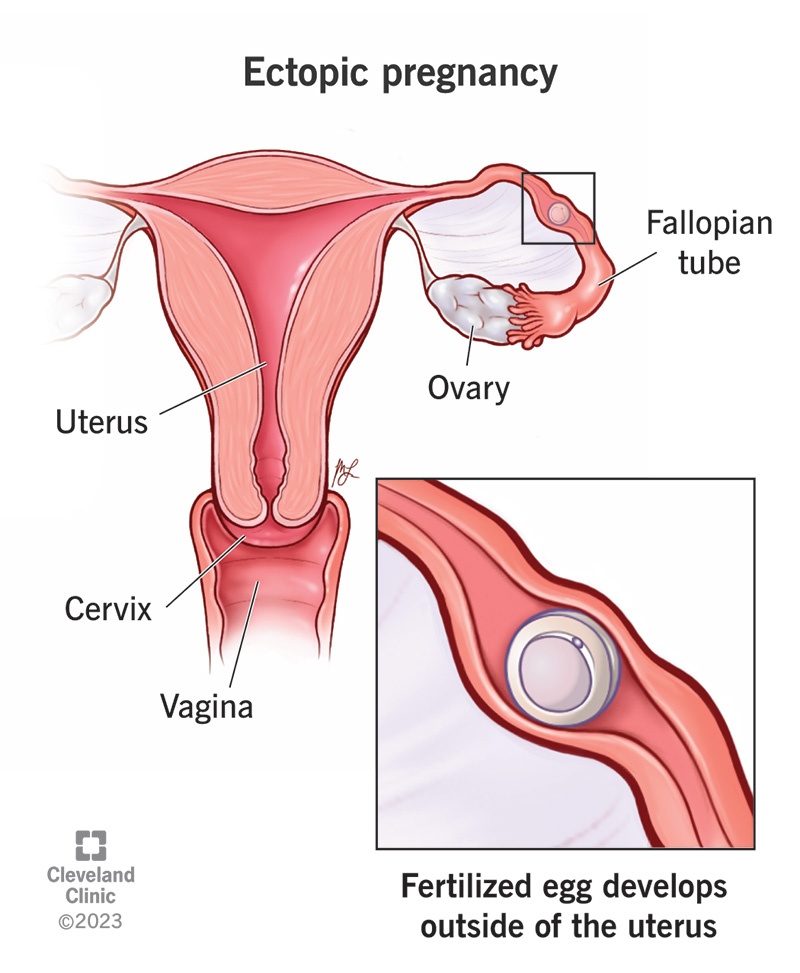
Ectopic pregnancy occurs when a fertilized egg implants itself outside of the uterus. While the exact cause of ectopic pregnancy is often unknown, there are several risk factors that can increase the likelihood of experiencing this condition.
Risk Factors
One common risk factor for ectopic pregnancy is having abnormalities in the fallopian tubes. These abnormalities can range from tubal scarring or blockage to previous surgery or infection. Such abnormalities can prevent the fertilized egg from reaching the uterus and result in implantation in the fallopian tube or other locations outside of the uterus.
Hormonal imbalances can also contribute to the development of an ectopic pregnancy. These imbalances may affect the movement of the fertilized egg through the fallopian tubes or the ability of the fertilized egg to properly implant itself within the uterus.
Symptoms of Ectopic Pregnancy
Recognizing the symptoms of ectopic pregnancy is crucial for early detection and prompt medical attention.
Abdominal Pain
Abdominal pain is a common symptom of ectopic pregnancy. It typically starts on one side of the lower abdomen and may gradually become more severe. The pain can be sharp or cramp-like and may be accompanied by tenderness.
Vaginal Bleeding
Vaginal bleeding, often similar to a period, is another symptom of ectopic pregnancy. This bleeding can range from light spotting to heavy flow. It is important to note that not all cases of ectopic pregnancy involve vaginal bleeding, so other symptoms should also be considered.
Shoulder Pain
Shoulder pain can be a less common symptom of ectopic pregnancy. This pain occurs as a result of internal bleeding irritating the diaphragm, which can refer pain to the shoulder area. If you experience severe shoulder pain in conjunction with other symptoms, it is important to seek medical attention immediately.
Weakness and Fatigue
Some women may experience weakness and fatigue as symptoms of ectopic pregnancy. This can be due to the physiological changes occurring within the body as a result of the ectopic pregnancy. If you feel unusually tired or weak, it is worth discussing with your healthcare provider.
Diagnosis of Ectopic Pregnancy
Prompt diagnosis of ectopic pregnancy is crucial for effective treatment. There are several diagnostic methods that healthcare providers may use to confirm the presence of an ectopic pregnancy.
Physical Examination
During a physical examination, your healthcare provider may feel for tenderness or masses in your lower abdomen. This can provide initial clues that an ectopic pregnancy may be present. However, physical examination alone is not enough to definitively diagnose ectopic pregnancy.
Ultrasound
Ultrasound is a key diagnostic tool for ectopic pregnancy. Transvaginal ultrasound is often used to visualize the reproductive organs and determine the location of the pregnancy. By examining the fallopian tubes and uterus, an ultrasound can help identify if an ectopic pregnancy is present.
Blood Tests
Blood tests, specifically measuring the levels of the hormone human chorionic gonadotropin (hCG), can also aid in the diagnosis of ectopic pregnancy. Elevated levels of hCG, combined with other symptoms, can indicate the presence of an ectopic pregnancy. Serial blood tests may be performed to monitor the hCG levels and assess the progression of the pregnancy.
Treatment Options for Ectopic Pregnancy
The appropriate treatment for ectopic pregnancy depends on several factors, including the location and size of the ectopic pregnancy, the presence of symptoms, and the overall health of the patient.
Medication
In some cases, medication may be used to treat ectopic pregnancy. Methotrexate is a commonly used medication that works by stopping the growth of the ectopic pregnancy. It is often used in cases where the ectopic pregnancy is small, the hCG levels are low, and there is no evidence of rupture or severe bleeding.
Surgery
Surgery is often required to treat ectopic pregnancy, especially if there is evidence of rupture or severe bleeding. Laparoscopic surgery is the most common surgical approach and involves making small incisions in the abdomen to remove the ectopic pregnancy. In more severe cases, open surgery may be necessary.
Expectant Management
In rare cases, expectant management may be considered for ectopic pregnancy. This involves closely monitoring the condition without immediate intervention. It may be an option if the ectopic pregnancy is very small, stable, and the hCG levels are low. Regular monitoring is essential to ensure the ectopic pregnancy resolves on its own without complications.

Complications of Ectopic Pregnancy
If left untreated, ectopic pregnancy can lead to various complications that can be potentially life-threatening.
Rupture of the Fallopian Tube
One of the most serious complications of ectopic pregnancy is the rupture of the fallopian tube. As the pregnancy grows, it can cause the fallopian tube to rupture, leading to significant internal bleeding. This can be a medical emergency and requires immediate surgical intervention.
Internal Bleeding
Internal bleeding can occur as a result of a ruptured fallopian tube or other complications of ectopic pregnancy. Symptoms of internal bleeding may include low blood pressure, rapid heartbeat, and dizziness. Internal bleeding requires emergency medical attention.
Infertility
Ectopic pregnancies can damage the fallopian tubes, leading to infertility. Scar tissue from the ectopic pregnancy may block the fallopian tubes or affect their function, making it difficult for the egg and sperm to meet. If you have had an ectopic pregnancy, it is important to discuss fertility concerns with your healthcare provider.
Prevention of Ectopic Pregnancy
While it may not always be possible to prevent ectopic pregnancy, there are steps you can take to reduce the risk.
Prevention of Sexually Transmitted Infections
Sexually transmitted infections (STIs) can increase the risk of developing a fallopian tube infection, which can lead to ectopic pregnancy. Practicing safe sex, using barrier methods such as condoms, and getting tested regularly for STIs can help prevent infections that contribute to ectopic pregnancy.
Early Detection and Treatment of Pelvic Inflammatory Disease
Pelvic inflammatory disease (PID) is an infection of the female reproductive organs and is a significant risk factor for ectopic pregnancy. Prompt diagnosis and treatment of PID can help reduce the likelihood of developing an ectopic pregnancy.
Proper Use of Birth Control
Using reliable contraception methods correctly and consistently can help prevent unintended pregnancies, including ectopic pregnancies. If you are considering birth control, it is important to discuss your options with your healthcare provider to find the most suitable method for your needs.

Psychological Impact of Ectopic Pregnancy
Experiencing an ectopic pregnancy can have a profound emotional impact. It is important to acknowledge and address these feelings to support your well-being.
Emotional Distress
An ectopic pregnancy can bring about a range of emotions, including sadness, anger, and fear. The emotional distress may be related to the loss of a pregnancy, concerns about future fertility, or anxiety about personal health. It is essential to seek emotional support when going through this difficult experience.
Grief and Loss
Miscarrying or having a pregnancy that cannot continue is a form of loss that can result in grief. It is important to recognize these feelings and give yourself permission to mourn the loss of the pregnancy. Support groups, counseling, or therapy can provide a safe space to process these emotions.
Support and Counseling
Seeking support from loved ones, support groups, or professional counseling can help navigate the emotional challenges associated with ectopic pregnancy. Talking openly about your experience, sharing your feelings, and seeking guidance from mental health professionals can aid in emotional healing and recovery.
Experiencing Recurrent Ectopic Pregnancies
If you have had multiple ectopic pregnancies, further investigation and specialized treatment options may be necessary to increase the chances of a successful pregnancy in the future.
Possible Causes
Recurrent ectopic pregnancies may be a result of underlying factors, such as tubal damage or scarring, hormonal imbalances, or genetic abnormalities. Identifying the specific cause is crucial for developing an effective treatment plan.
Further Testing
In cases of recurrent ectopic pregnancies, additional testing may be recommended to evaluate the condition of the fallopian tubes, assess hormonal imbalances, or identify any genetic abnormalities. These tests may include hysterosalpingography, hormone level monitoring, or chromosomal analysis.
Specialized Treatment Options
Depending on the underlying cause, specialized treatment options may be available for recurrent ectopic pregnancies. These may include surgical interventions to repair or remove damaged fallopian tubes, hormone therapy to address hormonal imbalances, or assisted reproductive technologies like in vitro fertilization (IVF) to bypass the fallopian tubes altogether.

Future Fertility After Ectopic Pregnancy
Many women wonder about their chances of conceiving and carrying a healthy pregnancy after experiencing an ectopic pregnancy.
Fertility Assessment
After an ectopic pregnancy, a fertility assessment can be conducted to evaluate the health of your reproductive system. This may include tests to assess the condition of your fallopian tubes, hormonal evaluations, and a thorough examination of your overall reproductive health.
Alternative Parenting Options
For some individuals and couples, ectopic pregnancy may present challenges to conceiving naturally. Exploring alternative parenting options, such as adoption, surrogacy, or assisted reproduction techniques like IVF, can provide viable pathways to parenthood.
Emotional Preparation
Preparing oneself emotionally for future attempts at conceiving is important after an ectopic pregnancy. It is essential to acknowledge any anxieties or fears and seek the support of healthcare providers and mental health professionals to navigate this transitional period.
Ectopic Pregnancy and in vitro fertilization (IVF)
In vitro fertilization (IVF) can be a potential option for couples who have experienced ectopic pregnancies and are facing infertility challenges. However, there are unique risks and considerations to be aware of.
Potential Risks
Individuals who have experienced ectopic pregnancies may be at a higher risk for implantation outside of the uterus during IVF. This can lead to another ectopic pregnancy. Close monitoring by healthcare providers is necessary to mitigate these risks.
Preventive Measures
To reduce the risk of ectopic pregnancy during IVF, various preventive measures can be taken. These may include careful assessment of the fallopian tubes, regular monitoring during the treatment cycle, and appropriate embryo transfer techniques.
Success Rates
The success rates of IVF after an ectopic pregnancy can vary depending on individual circumstances and treatment protocols. It is important to consult with fertility specialists who can provide accurate information based on your specific situation.
In conclusion, understanding the causes, symptoms, diagnosis, and treatment options for ectopic pregnancy is vital for women’s health and well-being. If you believe you may be experiencing an ectopic pregnancy or have concerns about future fertility, seek prompt medical attention and support to ensure the best possible outcomes. Remember, you are not alone, and help is available to guide you through this journey.