
In today’s article, we explore the topic of endocrine system disorders, focusing on the common symptoms and causes associated with them. The endocrine system plays a crucial role in regulating various bodily functions by producing hormones, but when it malfunctions, it can lead to a range of health issues. By understanding the symptoms and causes of these disorders, you can better equip yourself with knowledge to identify potential problems and seek appropriate medical attention. So let’s dive into the fascinating world of the endocrine system and unravel the mysteries behind its disorders.
Common Symptoms and Causes of Endocrine System Disorders

What is the Endocrine System?
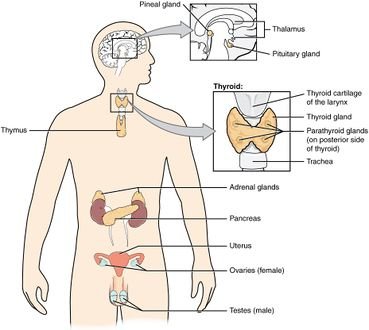
The endocrine system is a complex network of glands that produce and release hormones directly into the bloodstream. These hormones are responsible for regulating various bodily functions, including metabolism, growth and development, sexual function, reproduction, and mood. When the endocrine system is not functioning properly, it can lead to a range of disorders with diverse symptoms and causes.
Hormonal Imbalances and their Symptoms
One of the most common types of endocrine system disorders is hormonal imbalances. Hormonal imbalances occur when there is either an excessive or insufficient production of specific hormones. The symptoms of hormonal imbalances can vary depending on the type and severity of the disorder.
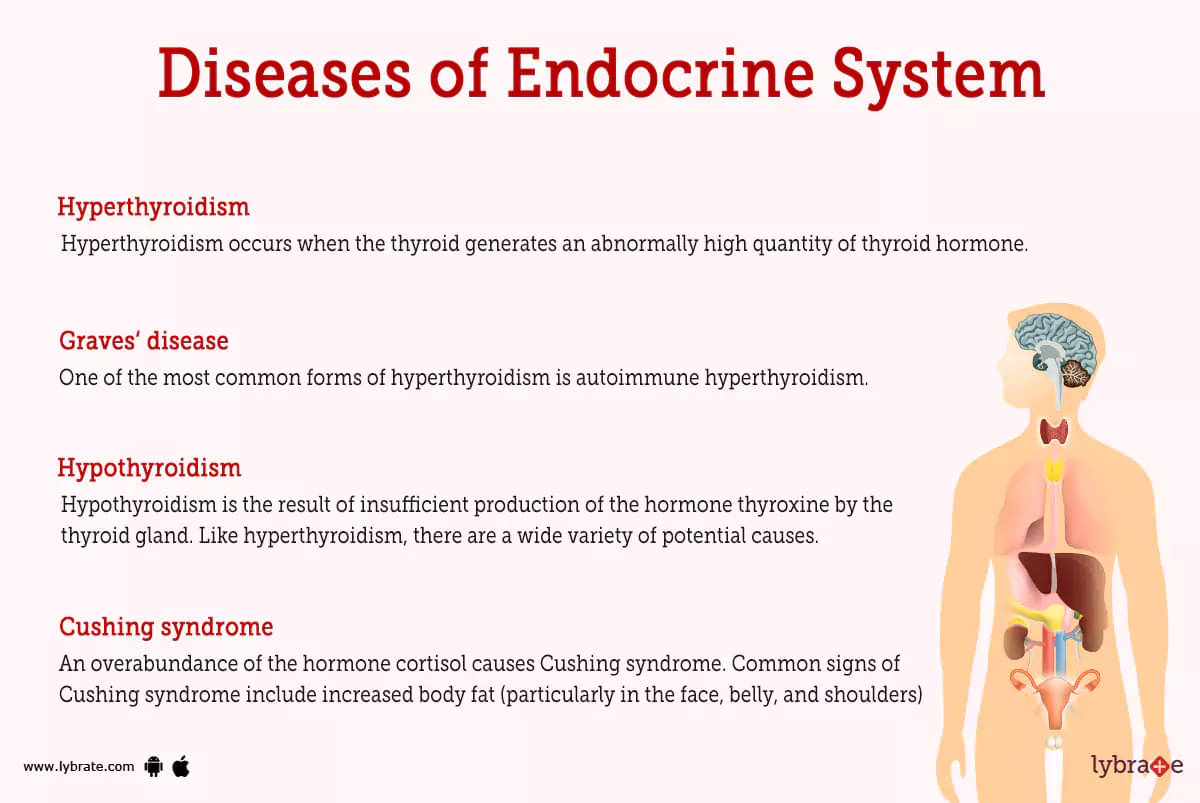
For instance, if there is an excess of thyroid hormones, you may experience symptoms like weight loss, increased appetite, anxiety, and tremors. On the other hand, insufficient production of thyroid hormones may lead to weight gain, fatigue, depression, and cold intolerance.
Similarly, imbalances in the production of insulin can cause symptoms such as high or low blood sugar, excessive thirst, frequent urination, and blurred vision. Hormonal imbalances can also affect reproductive hormones, leading to menstrual irregularities, infertility, and changes in sexual function.

Causes of Endocrine System Disorders
Endocrine system disorders can have various causes, including genetic factors, autoimmune diseases, tumors, infections, and certain medications. Some disorders, like Type 1 diabetes, are primarily caused by genetic predispositions, while others, such as polycystic ovary syndrome (PCOS), can be influenced by a combination of genetic and environmental factors.
Autoimmune diseases, such as Hashimoto’s thyroiditis and Addison’s disease, occur when the immune system mistakenly attacks the body’s own endocrine glands. This autoimmune response can disrupt hormone production and lead to the development of endocrine system disorders.
In some cases, tumors or growths in the endocrine glands can cause the overproduction or underproduction of hormones. For example, a benign tumor in the pituitary gland can result in excessive growth hormone production, causing acromegaly.
Certain infections, such as mumps or HIV, can also affect the endocrine system and cause hormonal imbalances. Additionally, some medications, including corticosteroids and certain psychiatric drugs, can interfere with hormone production and contribute to the development of endocrine system disorders.
Seeking Medical Evaluation and Treatment
If you are experiencing symptoms that may indicate an endocrine system disorder, it is important to seek medical evaluation and treatment. Your healthcare provider will likely begin with a thorough physical examination and review of your medical history.
Depending on the symptoms and suspected disorder, additional tests may be conducted, such as blood tests to assess hormone levels, imaging studies to identify tumors or abnormalities in the endocrine glands, or specialized tests like a glucose tolerance test for diabetes.
Treatment for endocrine system disorders depends on the specific condition and its underlying cause. In some cases, medication may be prescribed to restore hormonal balance or manage symptoms. For example, synthetic thyroid hormones can be prescribed for individuals with an underactive thyroid gland.
In other cases, surgical intervention may be necessary. This can involve the removal of tumors or abnormal growths that are affecting hormone production. In more severe cases, the entire gland may need to be removed, and hormone replacement therapy may be required.
Lifestyle Modifications and Supportive Care
In addition to medical treatment, lifestyle modifications and supportive care can also play a role in managing endocrine system disorders. These may include adopting a healthy diet and regular exercise routine to support overall health and help manage weight.
For individuals with diabetes, proper blood sugar management through diet, physical activity, and medication adherence is crucial. Supportive care may also involve counseling or support groups to address the emotional and psychological aspects of living with an endocrine system disorder.
Regular Monitoring and Follow-up
Once diagnosed with an endocrine system disorder, it is important to engage in regular monitoring and follow-up appointments with your healthcare provider. This allows for the assessment of hormonal balance, adjustment of medication dosages if necessary, and monitoring for any complications or progression of the disorder.
Regular monitoring ensures that any changes or challenges related to the endocrine system disorder can be addressed promptly, helping to minimize the impact on your overall health and well-being.
Conclusion
Endocrine system disorders can significantly impact various aspects of your health and well-being. Understanding the common symptoms and causes of these disorders is essential for early detection, diagnosis, and appropriate treatment.
If you experience symptoms such as unexplained weight changes, mood swings, menstrual irregularities, or excessive thirst, it may be an indication of an endocrine system disorder. Seek medical evaluation and treatment to address these concerns and work towards managing your condition effectively.
By staying proactive, seeking necessary medical care, and making lifestyle modifications when needed, you can lead a fulfilling and healthy life despite living with an endocrine system disorder. Remember, you are not alone in this journey, and with the right support and treatment, you can thrive and maintain your well-being.