
Have you ever wondered about the intricate connection between the endocrine system and hormonal imbalances? In this article, we embark on an exciting exploration of the link between endocrine system disorders and hormonal imbalances. From understanding the role of the endocrine system in regulating various bodily functions to delving into the causes and symptoms of hormonal imbalances, we will uncover invaluable insights that shed light on this complex relationship. So, get ready to learn and discover the fascinating world of the endocrine system and its influence on our overall well-being.

Overview of the Endocrine System
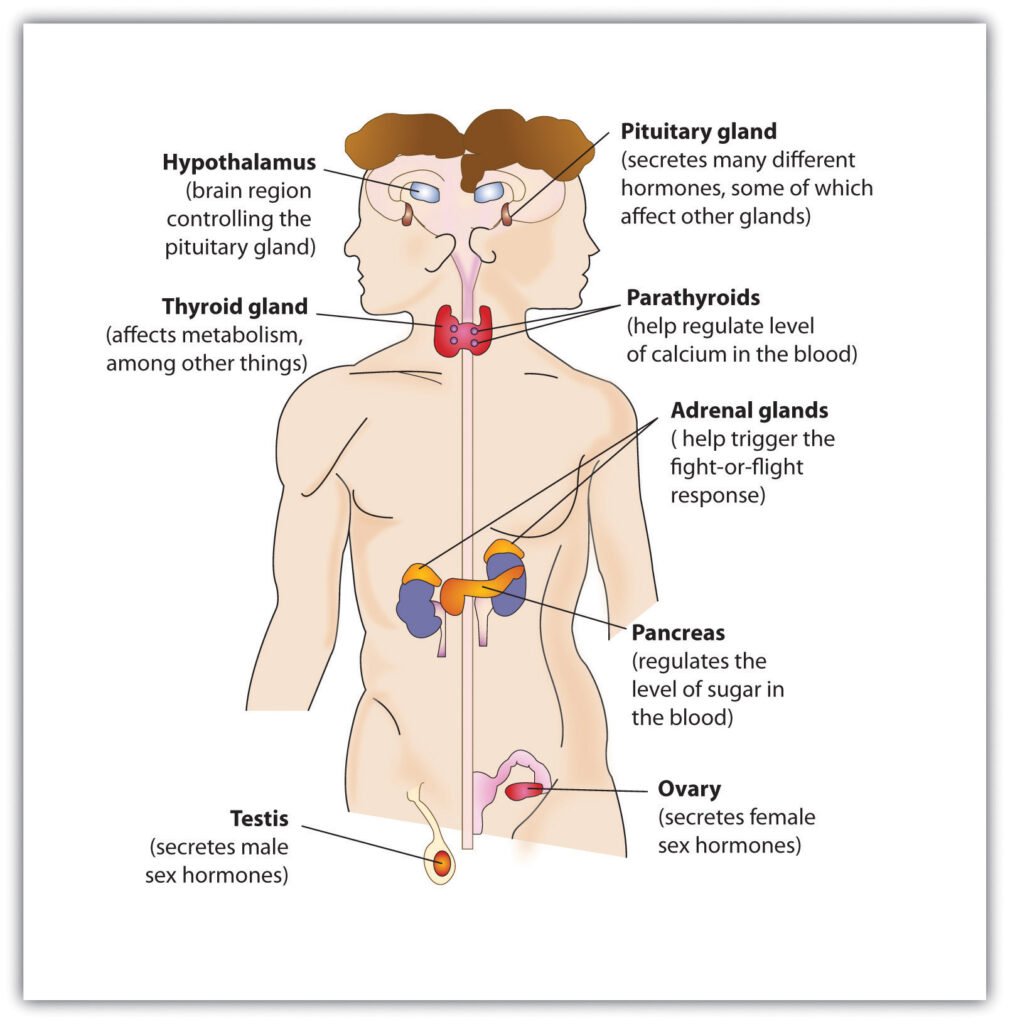
The endocrine system is a complex network of glands and organs that produce and release hormones into the bloodstream. These hormones act as chemical messengers, regulating various bodily functions and maintaining a delicate balance within the body. The endocrine system plays a crucial role in growth and development, metabolism, reproduction, and stress response, among others.
Function of the Endocrine System
The primary function of the endocrine system is to maintain homeostasis, which is the body’s internal balance. It achieves this by regulating the production, secretion, and transportation of hormones to target cells or organs. Hormones are chemical substances that are produced by glands and travel through the bloodstream to specific tissues or organs, where they regulate various physiological processes. Thus, the endocrine system is responsible for coordinating and regulating many essential bodily functions.
Major Glands in the Endocrine System
The endocrine system consists of several major glands, each responsible for producing specific hormones. These glands include the pituitary gland, the thyroid gland, the adrenal glands, the pancreas, the testes (in males), and the ovaries (in females). Each gland plays a vital role in maintaining the body’s overall hormonal balance.
Types of Endocrine System Disorders
Endocrine system disorders occur when there is a disruption in the normal hormonal balance, resulting in either excessive or insufficient hormone production. These disorders can manifest in various ways and often have a significant impact on an individual’s overall health and well-being.
Hypothyroidism
Hypothyroidism is a common endocrine system disorder characterized by an underactive thyroid gland. This condition occurs when the thyroid gland does not produce enough thyroid hormones, resulting in a slowdown of various bodily functions. Symptoms of hypothyroidism may include fatigue, weight gain, sensitivity to cold, and depression.
Hyperthyroidism
Hyperthyroidism, on the other hand, is a condition that occurs when the thyroid gland becomes overactive and produces an excessive amount of thyroid hormones. This can lead to an accelerated metabolism, causing symptoms such as weight loss, rapid heartbeat, anxiety, and irritability.
Polycystic Ovary Syndrome
Polycystic ovary syndrome (PCOS) is a hormonal disorder that affects women of reproductive age. It is characterized by the formation of small cysts on the ovaries, hormonal imbalances, and metabolic disturbances. PCOS can lead to symptoms such as irregular menstrual cycles, infertility, weight gain, and excess hair growth.

Symptoms of Endocrine System Disorders
Identifying the symptoms of endocrine system disorders can be challenging, as they can vary depending on the specific disorder and individual factors. However, some common symptoms may provide an indication of an underlying hormonal imbalance.
Fatigue and Weakness
Feeling consistently tired and lacking energy can be a sign of an endocrine system disorder. Hormonal imbalances can interfere with the body’s energy-regulating mechanisms, resulting in chronic fatigue and weakness.
Weight Gain or Loss
Unexplained weight gain or loss, despite no changes in diet or exercise, can be indicative of an underlying endocrine disorder. Hormonal imbalances can affect metabolism and disrupt the body’s ability to maintain a healthy weight.
Mood Swings
Hormones play a crucial role in regulating mood and emotions. Therefore, disruptions in hormonal balance can contribute to mood swings, irritability, and even depression.
Irregular Menstrual Cycles
For women, changes in menstrual patterns, such as irregular or absent periods, can be a sign of an endocrine system disorder. Hormonal imbalances can affect the normal functioning of the reproductive system and disrupt the menstrual cycle.
Causes of Hormonal Imbalances
Several factors can contribute to the development of hormonal imbalances and endocrine system disorders. Understanding these underlying causes is essential for proper diagnosis and management of these conditions.
Genetics
Some endocrine system disorders have a genetic component, meaning they can be inherited from parents. Genetic mutations or variations can affect the production, transportation, or binding of hormones, leading to hormonal imbalances.
Environmental Factors
Exposure to certain environmental pollutants, toxins, and chemicals can disrupt the normal functioning of the endocrine system. These substances, known as endocrine disruptors, can interfere with hormone production, release, and signaling, ultimately leading to hormonal imbalances.
Stress
Prolonged or chronic stress can have a significant impact on the endocrine system. Stress triggers the release of stress hormones, such as cortisol, which can disrupt the balance of other hormones in the body. Over time, chronic stress can contribute to the development of various endocrine system disorders.
Diagnosis of Endocrine System Disorders
Accurate diagnosis is crucial for identifying and managing endocrine system disorders effectively. Healthcare professionals employ various methods to diagnose these conditions, including medical history, physical examination, and specialized testing.
Medical History and Physical Examination
Taking a detailed medical history and conducting a thorough physical examination can provide valuable insights into an individual’s symptoms, lifestyle factors, and potential risk factors for endocrine system disorders. This initial assessment helps guide further diagnostic testing.
Hormone Level Testing
Measuring hormone levels in the blood or other bodily fluids is a common diagnostic method for endocrine system disorders. These tests can identify hormonal imbalances and determine the specific gland or glands responsible for the condition.
Imaging Tests
In some cases, imaging tests, such as ultrasound, CT scans, or MRI scans, may be necessary to visualize the structure and function of the endocrine glands. These tests can help identify any abnormalities or changes that may be contributing to hormonal imbalances.
Treatment Options for Endocrine System Disorders
The treatment of endocrine system disorders primarily focuses on restoring hormonal balance and managing the associated symptoms. Treatment options may vary depending on the specific disorder and its severity.
Medications
Medications are often used to manage endocrine system disorders by supplementing or regulating hormone levels. For example, synthetic thyroid hormones are prescribed for individuals with hypothyroidism, while medications that inhibit the production of certain hormones may be used in cases of hyperthyroidism.
Hormone Replacement Therapy
In some cases, hormone replacement therapy (HRT) may be recommended to address hormonal imbalances. HRT involves supplementing or replacing deficient hormones with synthetic hormones to restore the body’s natural hormonal balance.
Surgery
Surgical intervention may be necessary in certain cases of endocrine system disorders. For example, the removal of a tumor or an affected gland may be required to alleviate symptoms and restore normal hormone production.

Prevention and Management of Hormonal Imbalances
While it may not be possible to prevent all endocrine system disorders, adopting a healthy lifestyle and managing risk factors can help reduce the likelihood of developing these conditions.
Maintaining a Healthy Lifestyle
Eating a balanced diet, engaging in regular physical activity, and getting enough sleep are essential for overall health and hormonal balance. These lifestyle factors can help support the proper functioning of the endocrine system.
Reducing Stress Levels
Implementing stress reduction techniques, such as mindfulness, meditation, or engaging in relaxing activities, can help manage stress and minimize its impact on the endocrine system. Finding healthy coping mechanisms for stress is crucial for maintaining hormonal balance.
Regular Check-ups with a Healthcare Professional
Regular check-ups with a healthcare professional are vital for early detection and management of endocrine system disorders. Routine blood tests and physical examinations can help monitor hormonal levels and identify any potential imbalances or abnormalities.
The Impact of Endocrine System Disorders on Mental Health
Endocrine system disorders can have a profound impact on mental health, often contributing to the development of various psychological symptoms and conditions.
Depression and Anxiety
Hormonal imbalances have been linked to an increased risk of depression and anxiety disorders. Fluctuations in hormone levels can affect neurotransmitters and brain chemistry, leading to mood disturbances and psychological symptoms.
Cognitive Impairment
Certain endocrine system disorders, such as hypothyroidism, can impair cognitive function, leading to difficulties with memory, concentration, and overall mental sharpness. Cognitive impairments can significantly impact an individual’s quality of life.
Sleep Disturbances
Hormonal imbalances can disrupt the normal sleep-wake cycle, often leading to sleep disturbances such as insomnia or excessive daytime sleepiness. These sleep disruptions can further exacerbate mood disturbances and cognitive impairments.

Endocrine System Disorders and Reproductive Health
The endocrine system is closely intertwined with reproductive health, and hormonal imbalances can have significant implications for both men and women.
Infertility
Hormonal imbalances, such as those seen in PCOS, can interfere with the normal functioning of the reproductive system and lead to difficulties conceiving. Infertility can be a challenging consequence of endocrine system disorders for individuals wishing to start a family.
Irregular Menstrual Cycles
Endocrine system disorders frequently manifest as irregular menstrual cycles in women. Hormonal imbalances can disrupt the normal hormonal fluctuations necessary for regular menstruation, leading to irregular periods or amenorrhea.
Pregnancy Complications
Pregnant individuals with underlying endocrine system disorders may be at an increased risk of developing complications during pregnancy. Hormonal imbalances can affect fetal development, increase the risk of gestational diabetes, or impact the overall health of the mother and baby.
Research and Future Directions for Endocrine System Disorders
Ongoing research aims to deepen our understanding of endocrine system disorders and develop innovative diagnostic tools and treatment options.
Advancements in Treatment Options
Scientists and researchers are continuously exploring new medications, surgical techniques, and therapies to improve the treatment of endocrine system disorders. These advancements aim to provide more targeted and effective treatment options while minimizing side effects.
Potential Breakthroughs in Understanding the Underlying Causes
Researchers are also investigating the underlying causes of endocrine system disorders, with a particular focus on genetic and environmental factors. By identifying specific genetic markers and understanding the impact of environmental toxins, we may be able to develop more personalized approaches to prevention and treatment.
In conclusion, the endocrine system is a crucial component of the human body, regulating various physiological processes through the production and secretion of hormones. Endocrine system disorders can disrupt this delicate hormonal balance, leading to a wide range of symptoms and complications. However, with proper diagnosis, treatment, and management, individuals with endocrine system disorders can lead fulfilling lives and minimize the impact of these conditions on their overall health and well-being.