
Imagine a world where the spread of Epidemic Louse-borne Typhus is no more than a distant memory. Picture a future in which this disease, transmitted by lice and causing severe fever, is successfully mitigated, allowing communities to thrive without the threat of an outbreak. In this article, we will explore the efforts being made to combat the spread of Louse-borne Typhus and the potential impact it could have on our lives. Together, we can work towards a future where this disease is nothing more than a historical footnote.
Identifying Louse-borne Typhus
Understanding the basics of louse-borne typhus
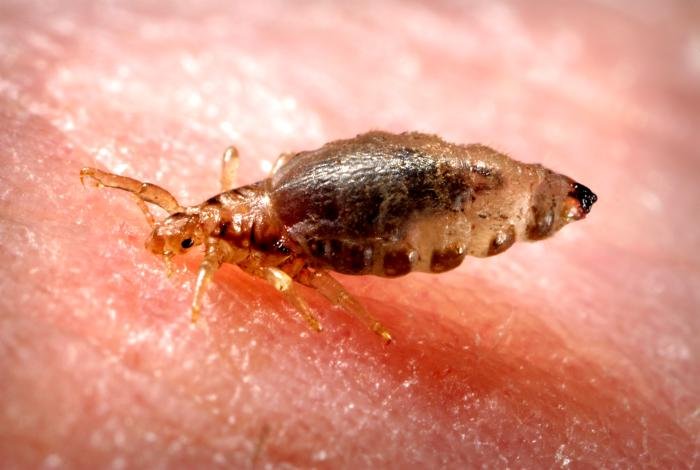
Louse-borne typhus, also known as epidemic typhus, is a bacterial infection caused by the bacterium Rickettsia prowazekii. It is commonly transmitted through the bites of infected body lice. Understanding the basics of this disease is crucial for early identification and prompt treatment.
The bacteria responsible for louse-borne typhus is primarily found in areas with poor sanitation and overcrowding. This disease has been a significant public health concern throughout history, particularly in times of war, famine, and natural disasters. Recognizing its symptoms and knowing how it spreads can help reduce its impact on communities.
Recognizing the symptoms of louse-borne typhus
Identifying the symptoms of louse-borne typhus is vital for timely diagnosis and treatment. The onset of symptoms usually occurs between one to two weeks after exposure to infected lice.
Common symptoms of louse-borne typhus include high fever, severe headache, body aches, and a rash that typically starts on the trunk and spreads to the extremities. Other signs may include chills, fatigue, nausea, and confusion. If you or someone you know experiences these symptoms after being in a high-risk area, it is crucial to seek medical attention promptly.
Transmission of Louse-borne Typhus
Exploring the mode of transmission
Understanding how louse-borne typhus is transmitted can help identify the areas and populations at high risk. The primary mode of transmission is through infected lice that bite humans. The body lice acquire the bacteria when feeding on infected individuals, subsequently transmitting it to new hosts through their bites or feces.
Louse-borne typhus is typically associated with conditions where personal hygiene and sanitation are compromised. Overcrowded areas, refugee camps, homeless shelters, and areas with limited access to clean water and sanitation facilities are particularly susceptible to lice infestations and subsequent transmission of the disease.
Identifying high-risk areas for transmission
To prevent the spread of louse-borne typhus, it is crucial to identify high-risk areas and implement targeted interventions. Certain regions or communities may have higher prevalence rates due to specific socio-economic factors or environmental conditions.
By assessing factors such as population density, sanitation infrastructure, and access to healthcare, public health officials can pinpoint louse-borne typhus hotspots. This information can guide the allocation of resources, including educational campaigns, insecticide treatments, and improved sanitation measures, to reduce the risk of transmission in these high-risk areas.
Preventing Louse-borne Typhus
Practicing good personal hygiene
Practicing good personal hygiene is essential in preventing and controlling louse-borne typhus. Regular bathing, washing clothes, and maintaining clean living spaces help reduce lice infestations and the risk of disease transmission. It is especially crucial for individuals living in high-risk areas or those who have been in contact with potentially infected lice.
Regularly changing and laundering clothes, particularly undergarments, can help eliminate any potential lice or eggs. Additionally, taking a hot shower or using hot water to wash clothes can help kill lice and prevent their spread.
Promoting cleanliness and sanitation
Promoting cleanliness and sanitation in communities is a key preventive measure against louse-borne typhus. This involves ensuring access to clean water, proper waste management, and sanitation facilities. By improving these basic necessities, the breeding grounds for lice can be minimized, reducing the risk of transmission.
Raising awareness about the importance of cleanliness and providing education on how to maintain a clean environment is crucial in preventing the spread of louse-borne typhus. Community-based programs can be initiated to promote hygiene practices and encourage the regular cleaning of living spaces.
Using insecticides for lice control
The use of insecticides plays a vital role in controlling lice populations and preventing the transmission of louse-borne typhus. Insecticide treatments can be used on infested individuals or in high-risk areas to eliminate lice and reduce the risk of disease transmission.
It is important to use insecticides that are safe and effective. Collaborating with local health authorities and experts can ensure the proper selection and application of insecticides to maximize their effectiveness while minimizing potential harms. This approach, combined with other preventive measures, can significantly reduce the incidence of louse-borne typhus in affected communities.
Promoting Awareness and Education
Educating communities about louse-borne typhus
Educating communities about louse-borne typhus is vital to prevent its spread and reduce the impact of outbreaks. Public health officials, healthcare providers, and community leaders should collaborate to develop health education campaigns targeting high-risk areas.
These campaigns can provide information on the transmission of louse-borne typhus, its symptoms, and preventive measures. They can also emphasize the importance of early detection and seeking medical care if symptoms arise. Distributing educational materials, conducting workshops, and engaging local media outlets can reach a broader audience and promote awareness about louse-borne typhus.
Spreading awareness in schools and public places
Schools and public places are crucial avenues for spreading awareness about louse-borne typhus. Including information about louse-borne typhus in school curricula can ensure that children are educated about the disease and its prevention from an early age.
Public places, such as community centers, markets, and transportation hubs, can also serve as platforms for disseminating key messages about louse-borne typhus. Through posters, pamphlets, and interactive sessions, individuals frequenting these places can learn about the disease and the necessary precautions they should take.

Medical Diagnosis and Treatment
Diagnostic methods for louse-borne typhus
Diagnosing louse-borne typhus requires a combination of clinical evaluation, laboratory testing, and the consideration of the patient’s exposure history. Given the non-specific nature of its symptoms, healthcare providers must be vigilant in considering louse-borne typhus as a potential diagnosis, especially in areas where the disease is prevalent.
Laboratory tests such as serological assays and polymerase chain reaction (PCR) can help confirm the presence of Rickettsia prowazekii in the patient’s blood samples. It is crucial to coordinate with specialized laboratories and experts to ensure accurate and timely diagnosis of louse-borne typhus cases.
Proper medical treatment and care
Early detection and appropriate medical treatment are crucial in preventing severe complications and reducing mortality rates associated with louse-borne typhus. Antibiotics, particularly doxycycline or chloramphenicol, are commonly used to treat louse-borne typhus. Administration of these antibiotics should begin as soon as the disease is suspected, based on clinical and laboratory findings.
In severe cases, hospitalization may be necessary to provide supportive care and close monitoring of the patient’s condition. Intravenous fluids, oxygen therapy, and other supportive measures may be required to manage complications and ensure a speedy recovery.
Controlling Louse Populations
Targeting louse populations
Controlling louse populations is an essential component of mitigating the spread of louse-borne typhus. Implementing effective measures to target lice can help reduce the transmission of the disease and prevent future outbreaks.
Insecticide treatments, as mentioned earlier, can be utilized to directly eliminate lice infestations. Special attention should be given to individuals who are known or suspected to be carriers of lice, such as those living in high-risk areas or individuals who have been in close contact with infected individuals.
Effective methods for louse control
In addition to insecticide treatments, other measures can be employed to effectively control louse populations. Regular laundering and drying of clothes and bedding at high temperatures can help kill lice and their eggs. Vacuuming and cleaning living spaces thoroughly also contribute to the elimination of lice and their habitats.
Collaborating with pest control experts and implementing integrated pest management strategies can also be effective in controlling louse populations. This comprehensive approach considers various factors, such as environmental modifications, insecticidal treatments, and monitoring, to control lice and prevent their resurgence.

Public Health Measures
Implementing improved sanitation practices
Improved sanitation practices are fundamental in preventing the transmission of louse-borne typhus. Access to clean water, proper waste management, and adequate sanitation facilities are crucial in reducing the breeding grounds for lice and controlling their spread.
Public health authorities should work closely with local governments, community leaders, and relevant stakeholders to implement and enforce improved sanitation practices. This includes conducting regular inspections of sanitation facilities, ensuring proper waste disposal, and promoting hygiene practices within the community.
Establishing monitoring and surveillance systems
Monitoring and surveillance systems are essential tools for early detection and rapid response to louse-borne typhus outbreaks. These systems allow public health officials to identify trends and hotspots, monitor changes in lice populations, and promptly deploy interventions to prevent further transmission.
By establishing robust surveillance networks, public health authorities can gather real-time data on the disease’s prevalence, monitor treatment outcomes, and assess the impact of control measures. This information enables evidence-based decision-making and facilitates the allocation of resources to areas most in need.
Collaboration and Research
Engaging researchers and experts
Collaboration with researchers and experts is vital in advancing our understanding of louse-borne typhus and developing effective control strategies. Research studies can help identify new diagnostic methods, explore potential vaccines, and evaluate the effectiveness of interventions.
Public health authorities should establish partnerships with academic institutions, research organizations, and international experts to foster collaboration and knowledge sharing. Funding research projects and promoting scientific exchange can accelerate progress in preventing and controlling louse-borne typhus.
Building collaborative networks
Building collaborative networks among relevant stakeholders is essential for a comprehensive approach to louse-borne typhus control. Effective coordination and communication between public health authorities, healthcare providers, community leaders, and international partners can enhance the implementation of control measures and improve outbreak response capabilities.
Regular meetings, workshops, and conferences can facilitate the sharing of lessons learned, best practices, and emerging research findings. By fostering collaboration, stakeholders can work together towards a common goal of mitigating the spread of louse-borne typhus and reducing its impact on affected communities.

Case Studies
Examining successful interventions in past outbreaks
Analyzing case studies of successful interventions in past outbreaks can provide valuable insights into effective control strategies. By studying these interventions, public health officials can identify key factors that contributed to their success and replicate them in similar contexts.
For example, a case study of a successful louse-borne typhus control program in a refugee camp could highlight the importance of comprehensive approaches combining insecticide treatments, improved sanitation practices, and health education campaigns. By understanding the specific challenges and strategies employed in each case, public health authorities can tailor their interventions to achieve optimal results.
Highlighting lessons learned from different regions
Each region affected by louse-borne typhus may face unique challenges and require context-specific interventions. By highlighting lessons learned from different regions, public health officials can adapt successful strategies to suit their own situations.
For instance, lessons learned from a region with a significant homeless population could inform interventions in other areas facing similar circumstances. These lessons may include targeted outreach programs, improved access to hygiene facilities, and collaboration with local shelters and advocacy groups. Sharing and incorporating these lessons into planning and implementation can enhance the effectiveness of control measures.
Preparing for Emergencies
Creating preparedness plans
Creating preparedness plans is crucial for effectively responding to emergencies and outbreaks of louse-borne typhus. These plans should outline specific actions to be taken at various stages of an outbreak, from early detection to emergency response.
Preparedness plans should include protocols for rapid case identification and reporting, resource allocation, and coordination among different sectors involved in the response. Regular drills and simulations can help test the effectiveness of these plans and identify areas for improvement.
Building capacity for rapid response to outbreaks
Building the capacity for rapid response to outbreaks is essential in containing and controlling the spread of louse-borne typhus. This involves training healthcare workers, laboratory personnel, and public health professionals on disease surveillance, diagnosis, and treatment protocols.
Additionally, establishing emergency stockpiles of necessary medical supplies and insecticides can ensure a timely and effective response. Collaborating with international organizations and partners can also provide support and expertise during emergencies.
By prioritizing preparedness and building response capacity, communities can minimize the impact of louse-borne typhus outbreaks and protect the health and well-being of their populations.
In conclusion, louse-borne typhus is a serious public health concern that requires comprehensive strategies for prevention, control, and response. From understanding the basics of the disease to promoting hygiene practices, targeted interventions can significantly reduce the transmission of louse-borne typhus. Collaboration between health authorities, researchers, and communities is vital in building robust surveillance systems, implementing effective control measures, and preparing for emergencies. By learning from past outbreaks and sharing knowledge across regions, we can work towards mitigating the spread of louse-borne typhus and safeguarding the health of vulnerable populations.