
Influenza, more commonly known as the flu, is a highly contagious viral infection that has a significant impact on public health. With its ability to spread rapidly from person to person, the flu causes widespread illness and discomfort. Not only does it affect the individual’s well-being, but it also poses a serious threat to community health as a whole. As we delve into the implications of influenza on public health, we will uncover the various ways it can disrupt daily life and the importance of prevention measures.
The Basics of Influenza
Definition of Influenza
Influenza, commonly known as the flu, is a viral infection that primarily affects the respiratory system. It is caused by the influenza viruses A, B, and C, with types A and B being the most common among humans. These viruses are constantly evolving, making it necessary to receive a flu vaccine each year to protect against the latest strains.
Types of Influenza Viruses
There are three types of influenza viruses: A, B, and C. Influenza A viruses are further classified into different subtypes based on the proteins on their surface known as hemagglutinin (H) and neuraminidase (N). Influenza B viruses, on the other hand, do not have subtypes, but they can still cause significant illness. Influenza C viruses usually cause only mild respiratory symptoms and are less common.
Transmission of Influenza
Modes of Transmission
Influenza is highly contagious and can spread through respiratory droplets when an infected person coughs, sneezes, or talks. These droplets can travel up to six feet and infect others who come into close contact with them. The virus can also spread by touching contaminated surfaces or objects and then touching the mouth, nose, or eyes.
High-Risk Groups for Transmission
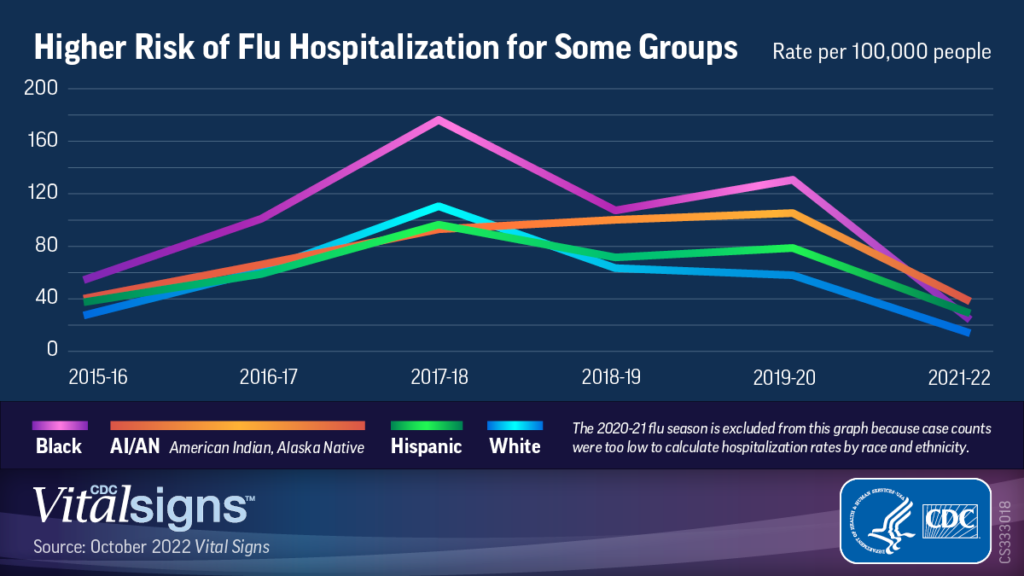
Certain individuals are more susceptible to contracting and transmitting the flu virus. High-risk groups include young children, older adults, pregnant women, individuals with chronic medical conditions, and healthcare workers. It is crucial for these groups to take extra precautions to prevent the spread of influenza.
Symptoms of Influenza
Common Symptoms
Influenza symptoms can be similar to those of a common cold, but they are usually more severe and come on suddenly. Common symptoms include fever, cough, sore throat, body aches, fatigue, headache, and nasal congestion. Some individuals may also experience gastrointestinal symptoms such as nausea, vomiting, and diarrhea.
Severity of Symptoms
The severity of influenza symptoms can vary widely from mild to severe. While most people recover within a week or two with rest and proper care, some individuals may develop complications that can be life-threatening. It is important to seek medical attention if symptoms worsen or if there are signs of respiratory distress, such as difficulty breathing or chest pain.
Complications Associated with Influenza
Respiratory Complications
Influenza can lead to various respiratory complications, especially in vulnerable individuals. These complications include pneumonia, bronchitis, sinus infections, and worsening of existing respiratory conditions such as asthma. Severe respiratory complications can significantly impact the health and well-being of those affected.
Secondary Infections
Influenza weakens the immune system, making individuals more susceptible to secondary bacterial infections. These infections can occur in the respiratory system, such as bacterial pneumonia, or in other parts of the body. Secondary infections can prolong illness and increase the risk of complications and hospitalization.
Neurological Complications
Although rare, influenza can also affect the central nervous system and cause neurological complications. These complications can range from simple febrile seizures in young children to more serious conditions such as encephalitis and Guillain-Barré syndrome. People with underlying neurological conditions may be at higher risk for these complications.
Impact on Public Health
Epidemiology of Influenza
Influenza is a significant public health concern globally, with seasonal outbreaks occurring every year. The virus spreads easily within communities and can lead to widespread illness and hospitalizations, impacting both individuals and society as a whole. The surveillance and monitoring of influenza play a crucial role in understanding the epidemiology and developing effective control measures.
Morbidity and Mortality Rates
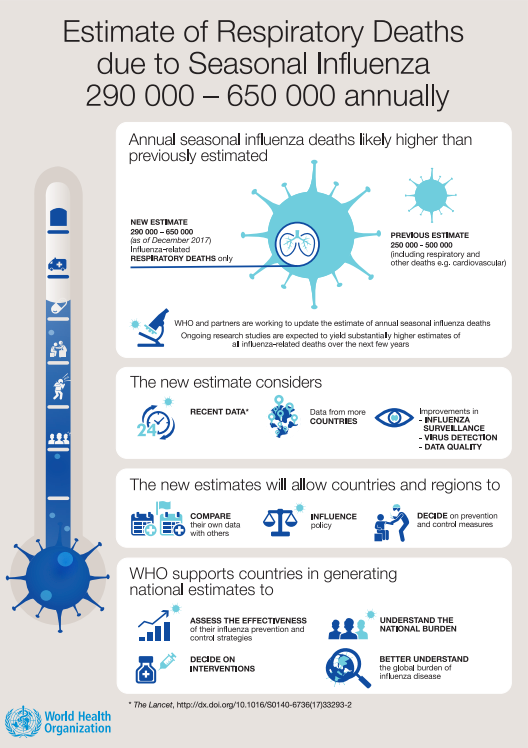
Influenza can cause a considerable burden of morbidity and mortality, particularly among vulnerable populations and those with underlying health conditions. Each year, millions of individuals are affected by the flu, resulting in significant illness, hospitalizations, and, in some cases, death. The severity of each flu season can vary, with certain strains causing more severe illness and higher mortality rates.
Healthcare Burden
Influenza places a substantial burden on healthcare systems worldwide. During peak flu seasons, hospitals and healthcare facilities may become overwhelmed with the influx of patients seeking medical care. The increased demand for resources, including hospital beds, ventilators, and healthcare personnel, can strain the capacity of the healthcare system and limit access to care for other medical conditions.
Prevention and Control Measures
Vaccination
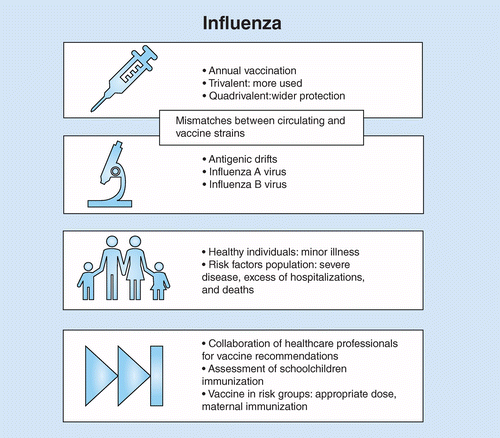
Annual flu vaccination is the most effective way to prevent influenza and its complications. Vaccines are developed based on the strains expected to circulate each flu season. By getting vaccinated, you not only protect yourself but also contribute to achieving community immunity, reducing the overall spread of the virus and protecting those who cannot receive the vaccine.
Non-Pharmaceutical Interventions
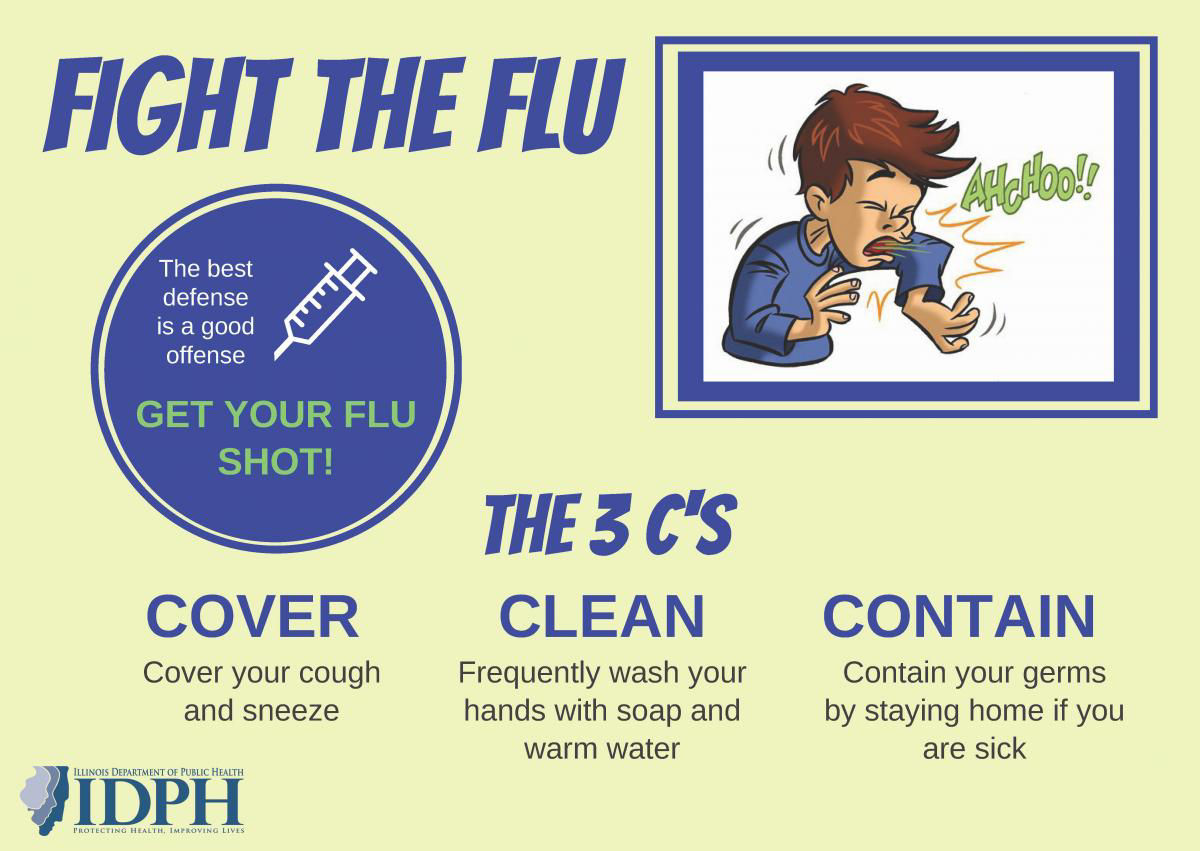
Besides vaccination, non-pharmaceutical interventions play a crucial role in preventing the transmission of influenza. These include practicing good hand hygiene by washing hands frequently with soap and water, or using hand sanitizers when soap is not available. Covering coughs and sneezes with a tissue or into the elbow, avoiding close contact with sick individuals, and staying home when feeling unwell also help prevent the spread of the virus.
Antiviral Medications
Antiviral medications can be prescribed to treat or prevent influenza in certain circumstances. These medications work by reducing the severity and duration of symptoms, as well as preventing complications in high-risk individuals. It is essential to seek medical advice promptly if you develop flu-like symptoms, particularly if you belong to a high-risk group.
Pandemic Influenza
Definition of Pandemic Influenza
Pandemic influenza refers to a global outbreak of a new influenza virus subtype that has the potential to cause significant illness and mortality. Unlike seasonal influenza virus strains, which circulate annually, pandemic strains emerge sporadically, often resulting from the reassortment of animal and human influenza viruses. Pandemics are characterized by widespread transmission and can have a profound impact on public health.
Historical Pandemics
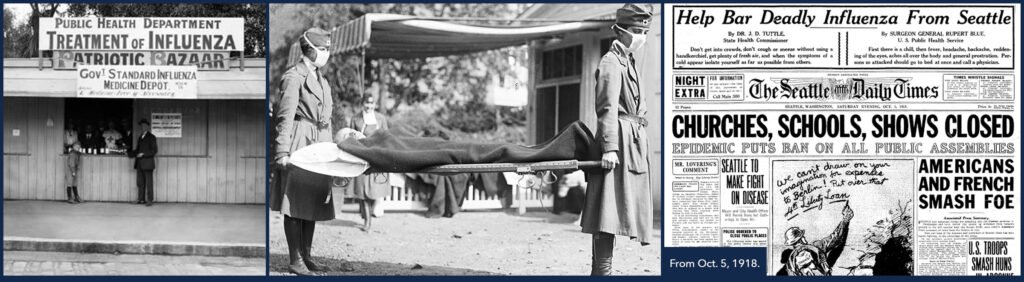
Throughout history, several influenza pandemics have caused enormous human suffering and social disruption. The most devastating was the 1918 influenza pandemic, also known as the Spanish flu, which claimed the lives of millions of people worldwide. Other notable pandemics include the Asian flu in 1957, the Hong Kong flu in 1968, and the H1N1 pandemic in 2009.
Public Health Response
In response to a pandemic, public health officials implement various strategies to mitigate the spread and impact of the virus. These strategies often include international collaboration, surveillance and monitoring, communication campaigns, travel restrictions, isolation and quarantine measures, as well as the development and distribution of vaccines and antiviral medications.
Surveillance and Monitoring
Global and National Surveillance Systems
Surveillance systems are essential in monitoring the spread and impact of influenza both globally and within countries. This involves collecting data on influenza cases, testing for influenza viruses, and tracking their genetic characteristics. Global surveillance networks, such as the Global Influenza Surveillance and Response System (GISRS), facilitate the exchange of information and support the early detection of novel influenza strains.
Early Warning Systems
Early warning systems play a crucial role in detecting and responding to potential influenza outbreaks. These systems monitor various indicators, including the incidence of influenza-like illness, trends in hospitalizations, and laboratory data, to identify spikes or unusual patterns in influenza activity. By detecting outbreaks early, public health authorities can implement control measures promptly and prevent the spread of the virus.
Data Collection and Analysis
Data collection and analysis are essential components of influenza surveillance. By analyzing data on influenza cases, hospitalizations, and mortality, public health experts can assess the impact of the virus and identify trends and risk factors. This information guides decision-making and helps in developing strategies to prevent and control the spread of influenza.
Influenza and Vulnerable Populations
Children and Infants
Children are particularly susceptible to influenza due to their developing immune systems and close contact in school and daycare settings. Influenza can cause severe illness in young children and infants, leading to hospitalization or even death. Vaccination, proper hygiene practices, and promoting a healthy lifestyle are crucial in protecting this vulnerable population.
Pregnant Women
Pregnant women are at an increased risk of severe illness and complications from influenza due to changes in their immune system and respiratory function. Influenza during pregnancy can result in adverse outcomes such as preterm birth, low birth weight, and maternal hospitalizations. Pregnant women are strongly advised to receive the flu vaccine to protect themselves and their unborn child.
Elderly Individuals
Older adults, particularly those aged 65 and older, are at a higher risk of severe illness and hospitalization from influenza. The aging immune system and the presence of chronic medical conditions make them more susceptible to complications and mortality. Vaccination, good hygiene practices, and prompt medical attention are essential in protecting this vulnerable population.
Social and Economic Implications
Impact on Workforce and Productivity
Influenza outbreaks can have significant social and economic implications, particularly in terms of workforce absenteeism and productivity losses. When individuals fall ill with the flu, they are unable to work, leading to decreased productivity and potential disruptions in essential services. Employers can help mitigate the impact by implementing policies that encourage sick employees to stay home and by providing access to flu vaccines.
Educational Disruption
Influenza outbreaks can disrupt educational institutions, affecting students, teachers, and staff. When outbreaks occur, schools may need to close temporarily to prevent further transmission and protect the health of students and staff. This disruption can have long-term effects on the education and well-being of students, necessitating measures to ensure continuity of learning and support during outbreaks.
Financial Costs
Influenza outbreaks impose significant financial burdens on individuals, families, healthcare systems, and society as a whole. This includes costs associated with medical consultations, hospitalizations, medications, and lost productivity. By investing in preventive measures such as vaccination and public health interventions, the financial burden of influenza can be reduced, and resources can be directed towards other areas of healthcare.
In conclusion, influenza is a highly contagious viral infection with the potential to cause significant illness, complications, and mortality. Vaccination, adherence to preventive measures, and early detection through surveillance and monitoring are crucial in reducing the impact of influenza on public health. By understanding the basics of influenza, its modes of transmission, symptoms, complications, and the social and economic implications, we can work towards preventing and controlling the spread of this infectious disease. Stay informed, stay healthy, and together we can combat the flu.