
Hey there! So, we all know that flu season is upon us, and nobody wants to get caught up in that nasty virus. In this article, we’ll be exploring some simple yet effective ways to keep yourself healthy and prevent the spread of the flu. From proper hand hygiene to getting vaccinated, we’ve got you covered with some valuable tips and tricks. So, let’s dive into these preventive measures and make sure the flu bug stays far away from us!
Preventing the Spread of the Flu
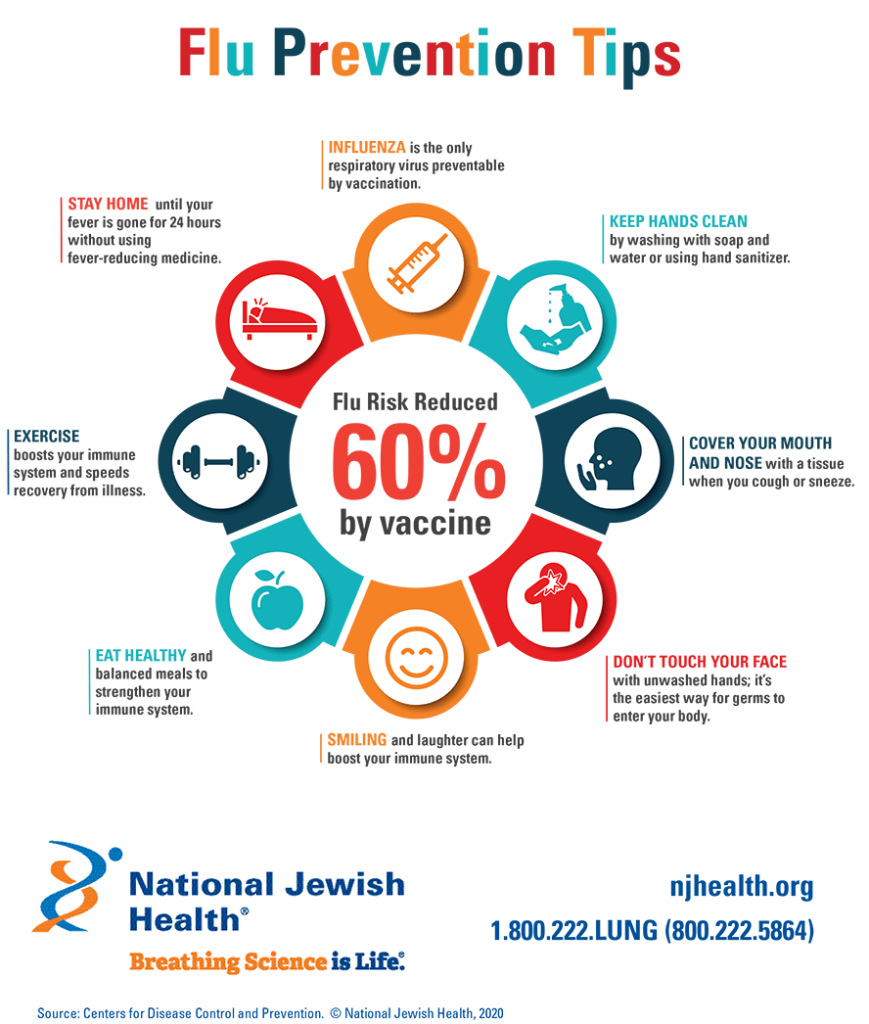
Flu season is a time of year that many people dread. The flu, also known as influenza, is a contagious respiratory illness caused by the influenza virus. It can cause mild to severe illness and, in some cases, can even lead to hospitalization or death. However, there are steps you can take to prevent the spread of the flu and protect yourself and others from getting sick.
Understanding the Flu Virus
The flu virus is constantly changing, which makes it difficult to develop a universal vaccine. There are several different strains of the flu virus, including influenza A, influenza B, and sometimes even influenza C. Each strain can cause illness, with influenza A being the most common and typically more severe. Understanding the flu virus and how it spreads is essential in preventing its transmission.
Dangers of the Flu
While some people may think of the flu as a minor inconvenience, it is important to recognize the potential dangers associated with the illness. The flu can lead to serious complications, particularly in individuals who are young, elderly, or have weakened immune systems. These complications can include pneumonia, bronchitis, sinus infections, and even heart problems. By preventing the spread of the flu, we can help protect vulnerable populations and potentially save lives.
Common Symptoms of the Flu
Knowing the symptoms of the flu is crucial in recognizing when you or someone else may have contracted the virus. Common symptoms include fever, cough, sore throat, muscle aches, fatigue, headache, and nasal congestion. In some cases, vomiting and diarrhea may also occur. If you experience these symptoms, it is important to seek medical attention and take steps to prevent spreading the illness.
Modes of Transmission
The flu is primarily spread through respiratory droplets that are produced when an infected person coughs, sneezes, or talks. These droplets can travel a distance of about six feet and can land in the mouths or noses of nearby individuals. The flu virus can also survive on surfaces for a short period of time, which means that touching surfaces contaminated with the virus and then touching your face can also lead to infection. Understanding how the flu is transmitted is essential in implementing preventive measures.
Preventing the Spread of the Flu at Home
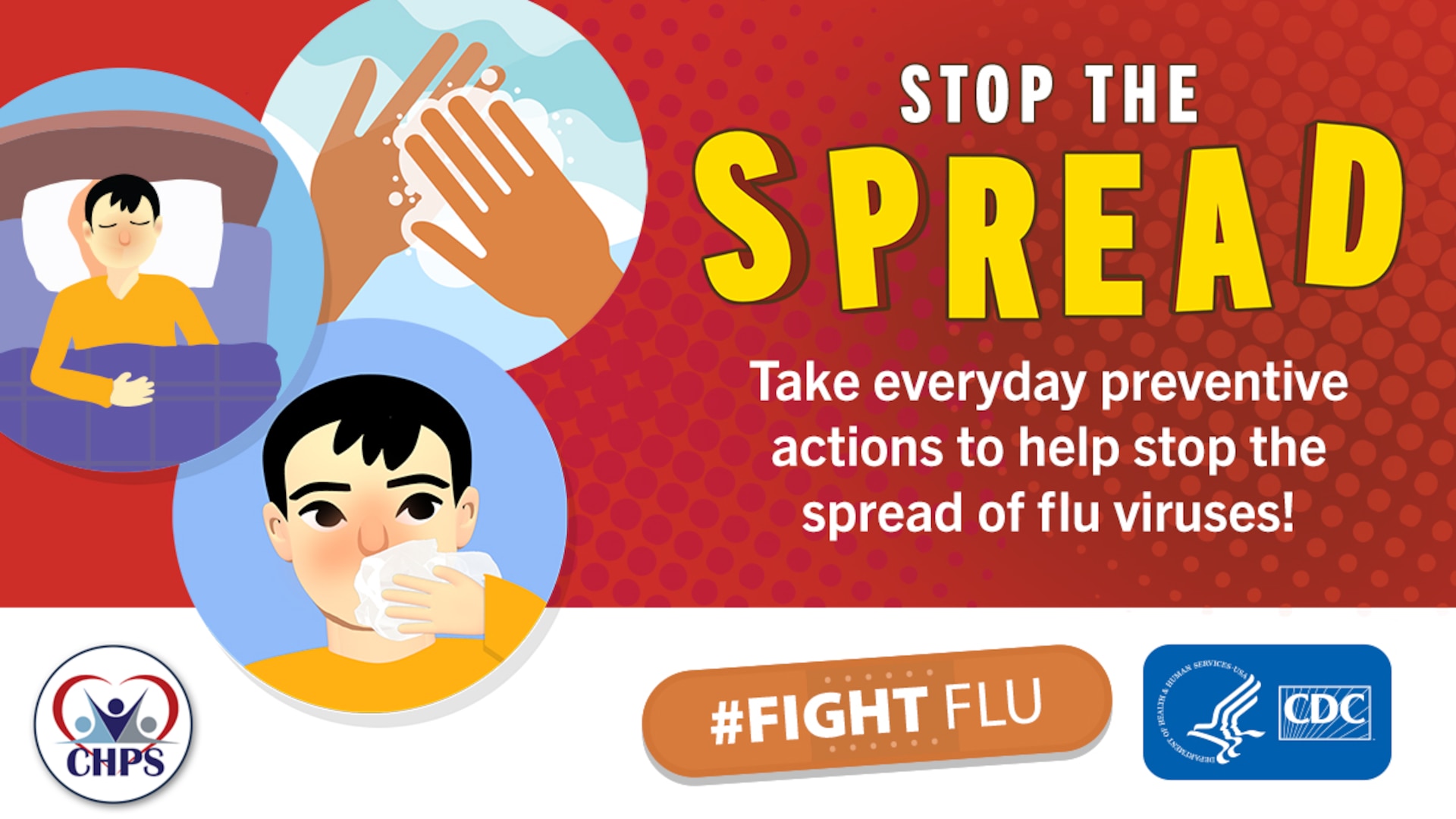
Preventing the spread of the flu starts at home. There are several steps you can take to reduce the risk of infecting your family members or yourself. Practicing good hand hygiene is one of the most effective ways to prevent the spread of the flu. This includes washing your hands frequently with soap and water for at least 20 seconds or using hand sanitizer if soap and water are not readily available.
Practicing Good Hand Hygiene
Washing your hands thoroughly and regularly is essential in preventing the spread of the flu. Make sure to use soap and water and scrub your hands for at least 20 seconds, paying particular attention to the backs of your hands, between your fingers, and under your nails. If soap and water are not readily available, hand sanitizer with at least 60% alcohol can be used as an alternative. Remember to rub the sanitizer all over your hands until they are dry.
Covering Mouth and Nose When Sneezing or Coughing
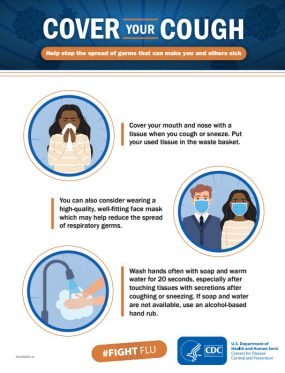
Covering your mouth and nose when sneezing or coughing is another important way to prevent the spread of the flu. When you cough or sneeze, respiratory droplets containing the flu virus can be expelled into the air, potentially infecting those around you. Make sure to cover your mouth and nose with a tissue or the inside of your elbow when you cough or sneeze. This will help prevent the spread of respiratory droplets and keep those around you safe.
Using and Disposing of Tissues Properly
Using tissues properly is another important step in preventing the spread of the flu. If you have a runny nose or need to cough or sneeze, use a tissue to catch the respiratory droplets. Dispose of the used tissue immediately in a waste bin and wash your hands thoroughly afterward. Using tissues and disposing of them properly helps prevent the spread of the flu virus and other germs.
Cleaning and Disinfecting Surfaces
Since the flu virus can survive on surfaces for a short period of time, it is important to regularly clean and disinfect commonly touched surfaces in your home. This includes countertops, doorknobs, light switches, phones, and remote controls. Use a household disinfectant that is effective against the flu virus and follow the instructions on the label. By regularly cleaning and disinfecting surfaces, you can reduce the risk of spreading the flu within your home.
Avoiding Close Contact with Infected Individuals
If someone in your household is sick with the flu, it is important to take precautions to avoid close contact and prevent the spread of the virus. Encourage the sick individual to stay in a separate room, if possible, and use a separate bathroom if available. Limit physical contact with the sick person and avoid sharing personal items such as towels or eating utensils. By minimizing close contact, you can significantly reduce the risk of spreading the flu to others in your household.
Preventing the Spread of the Flu in Public Places
Preventing the spread of the flu extends beyond the confines of your home. When in public places, there are additional measures you can take to protect yourself and others from infection. Wearing a mask, practicing social distancing, minimizing touching of shared surfaces, frequent hand sanitization, and enhancing ventilation are all important steps to consider.
Wearing a Mask
Wearing a mask is a simple and effective way to prevent the spread of the flu in public settings. Masks can help reduce the transmission of respiratory droplets from the wearer to others, particularly when social distancing is not possible. When selecting a mask, choose one that covers both your nose and mouth snugly. Make sure to wear the mask properly and avoid touching it while wearing it. Remember to also follow any local guidelines or regulations regarding mask usage.
Social Distancing
Maintaining a safe distance from others is crucial in preventing the spread of the flu. When in public places, try to maintain at least six feet of distance between yourself and others who are not part of your household. Avoid crowded areas or gatherings where social distancing may not be possible. By practicing social distancing, you can greatly reduce the risk of coming into contact with the flu virus.
Minimizing Touching of Shared Surfaces
The flu virus can survive on surfaces for a short period of time, which means that touching contaminated surfaces and then touching your face can lead to infection. When in public places, try to minimize touching of shared surfaces as much as possible. This includes doorknobs, handrails, elevator buttons, and shopping carts. If you do need to touch these surfaces, use hand sanitizer or wash your hands thoroughly afterwards.
Frequent Hand Sanitization
Hand sanitization is important for preventing the spread of the flu in public places. Carry a small bottle of hand sanitizer with you and use it frequently, especially after touching surfaces or objects that may be contaminated. Make sure to use a hand sanitizer that contains at least 60% alcohol and rub it all over your hands until they are dry. Hand sanitization is an effective way to kill any flu viruses that may be on your hands.
Enhancing Ventilation
Improving ventilation in indoor spaces can also help prevent the spread of the flu. When in public places, try to choose well-ventilated areas whenever possible. Open windows or doors to allow fresh air to circulate or consider the use of air purifiers with HEPA filters. Adequate ventilation can help dilute and remove respiratory droplets containing the flu virus from the air, reducing the risk of transmission.
Vaccination and Preventing the Spread of the Flu
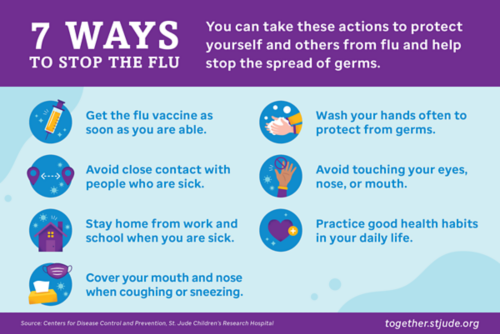
One of the most critical ways to prevent the spread of the flu is through vaccination. Getting vaccinated not only protects you from illness but also helps to prevent the spread of the virus to others.
Importance of Vaccination
Vaccination is a crucial tool in preventing the spread of the flu. It helps protect individuals from getting sick and reduces the severity of illness for those who do get infected. By getting vaccinated, you can also help protect vulnerable populations who may be at higher risk for complications from the flu. Vaccination is a key strategy in minimizing the impact of the flu on individuals and communities.
Annual Flu Vaccination
It is important to note that the flu vaccine needs to be taken annually. This is because the flu virus is constantly changing, and the vaccine is updated each year to provide protection against the most common strains of the virus. Make sure to get vaccinated every year before flu season begins to ensure maximum protection.
Vaccine Effectiveness
While no vaccine is 100% effective, the flu vaccine is still the best way to prevent the flu and its complications. The effectiveness of the flu vaccine can vary from year to year depending on the match between the vaccine and the circulating strains of the virus. However, even if the vaccine is not a perfect match, it can still provide some degree of protection and reduce the severity of the illness if you do become infected.

Herd Immunity
When a large proportion of the population is vaccinated against the flu, it creates herd immunity. This means that enough people are immune to the virus, reducing its transmission and protecting vulnerable individuals who may not be able to receive the vaccine. By getting vaccinated, you are not only protecting yourself but also contributing to the overall health of your community.
Encouraging Vaccination
Encouraging others to get vaccinated is an important part of preventing the spread of the flu. Talk to your family, friends, and coworkers about the importance of vaccination and share your own positive experiences with getting vaccinated. Dispelling any myths or misconceptions about the flu vaccine can help motivate others to take preventive action and protect themselves and those around them.
Preventing Flu Spread in Schools and Workplaces
Schools and workplaces are environments where the flu can easily spread due to close proximity and frequent interactions. Implementing preventive measures in these settings is crucial in protecting the health and well-being of students, employees, and their families.
Promoting Good Hygiene Practices
Promoting good hygiene practices in schools and workplaces is essential in preventing the spread of the flu. Encourage regular handwashing with soap and water, provide hand sanitizer stations, and remind individuals to cover their mouth and nose when coughing or sneezing. Display posters or provide educational materials that reinforce the importance of good hygiene practices.
Encouraging Sick Individuals to Stay Home
One of the most effective ways to prevent the spread of the flu in schools and workplaces is by encouraging sick individuals to stay home. If someone is experiencing flu-like symptoms, they should be advised to stay home until they are no longer contagious. This helps prevent the spread of the virus to others and reduces the risk of outbreaks within these settings.
Implementing Remote Work or Telecommuting
Implementing remote work or telecommuting options can also help prevent the spread of the flu in workplaces. This allows individuals who are feeling unwell to stay home and work remotely, minimizing the risk of transmitting the virus to others. Additionally, remote work can reduce the concentration of individuals in a physical workspace, further reducing the risk of flu transmission.
Enhancing Ventilation in Indoor Spaces
Improving ventilation in schools and workplaces can have a significant impact on preventing the spread of the flu. Ensure that windows can be opened to allow fresh air to circulate and consider the use of air purifiers with HEPA filters. Ventilation helps dilute respiratory droplets in the air and reduces the risk of transmission.
Educating Students and Employees
Education plays a vital role in preventing the spread of the flu in schools and workplaces. Provide information about flu prevention, including hand hygiene, cough etiquette, and the importance of vaccination. Encourage students and employees to actively engage in preventive measures and create a culture of health and safety within these settings.
Preventing the Spread of the Flu in Healthcare Settings
Healthcare settings are particularly susceptible to the spread of the flu due to the close proximity of patients, healthcare workers, and visitors. Implementing rigorous infection control practices is essential in preventing transmission and protecting vulnerable individuals.
Adhering to Infection Control Practices
Healthcare settings should adhere to strict infection control practices to prevent the spread of the flu. This includes regular hand hygiene, proper use of personal protective equipment (PPE), such as masks and gloves, and adherence to isolation protocols for infected individuals. Hospitals and healthcare facilities should establish and maintain robust infection control policies to safeguard the health of patients and healthcare workers.
Wearing Personal Protective Equipment (PPE)
Healthcare workers should wear appropriate PPE when caring for patients with the flu. This includes wearing masks, gloves, gowns, and eye protection as necessary. Proper use and disposal of PPE are essential in preventing the spread of the virus within healthcare settings. Healthcare providers should receive adequate training on the proper use of PPE to ensure the safety of both themselves and their patients.
Isolating Infected Individuals
Isolating infected individuals is crucial in preventing the spread of the flu within healthcare settings. Patients who display flu-like symptoms should be promptly isolated to minimize contact with other patients, visitors, and healthcare workers. Proper isolation measures, including the use of designated rooms or areas, can help prevent the transmission of the virus to vulnerable individuals.
Screening and Testing
Screening and testing individuals for the flu can help identify cases promptly and implement appropriate preventive measures. Healthcare settings should have protocols in place for screening and testing patients who present with flu-like symptoms. Testing can help confirm the presence of the flu virus, guide patient management, and inform infection control practices within the healthcare facility.
Increasing Healthcare Worker Vaccination Rates
Vaccinating healthcare workers against the flu is crucial in preventing its spread within healthcare settings. Healthcare organizations should actively promote and provide free flu vaccination to all employees. Increasing vaccination rates among healthcare workers helps protect both the workers themselves and the patients they care for, reducing the risk of transmission within the healthcare facility.
Conclusion
Preventing the spread of the flu is a collective effort that requires individuals, communities, and organizations to take preventive measures. By understanding the flu virus, recognizing its dangers, and implementing strategies such as good hand hygiene, mask usage, vaccination, and infection control practices, we can significantly reduce the transmission of the flu and protect our health and the health of those around us. Let us all do our part in preventing the spread of the flu and strive for healthier and safer communities.