
Flu season is upon us and it’s time to arm yourself against those pesky flu viruses! In this article, you’ll discover a handful of simple yet effective prevention tips to keep those flu bugs at bay. From proper handwashing techniques to getting your annual flu shot, we’ve got you covered on all the essential ways to fight the flu. So, grab a cup of tea, sit back, and let’s dive into this friendly guide on how to stay healthy and flu-free this season.

Understanding the Flu
What is the flu?
The flu, or influenza, is a highly contagious respiratory illness caused by the influenza virus. It can affect people of all ages and is spread through respiratory droplets when an infected person coughs, sneezes, or talks. The flu is usually more severe than the common cold and can lead to serious complications, particularly in high-risk individuals.
Types of influenza
There are three main types of influenza viruses: influenza A, influenza B, and influenza C. Influenza A and B are the most common types that cause seasonal flu outbreaks. Influenza C, on the other hand, tends to cause mild respiratory illness and is not as common. Each type can further be categorized into different subtypes based on the specific proteins found on the surface of the virus.
Common symptoms of the flu
The symptoms of the flu can vary from mild to severe and usually develop one to four days after exposure. Common symptoms include fever, chills, cough, sore throat, runny or stuffy nose, body aches, headache, fatigue, and sometimes diarrhea and vomiting. It is important to note that not everyone infected with the flu virus will experience all of these symptoms, and some individuals may have a more mild presentation. However, even a mild case of the flu can still be contagious and should be taken seriously.
Factors That Increase Flu Risk
Age
Certain age groups are more susceptible to severe flu complications. Infants and young children, as well as older adults (65 years and older), have weaker immune systems and are at a higher risk for developing complications such as pneumonia or worsening of chronic medical conditions.
Weakened immune system
Conditions that weaken the immune system, such as HIV/AIDS or cancer treatments, increase the risk of complications from the flu. It is important for individuals with weakened immune systems to take extra precautions to avoid exposure to the virus.
Pregnancy
Pregnant women are at an increased risk of severe illness if they contract the flu. The changes in the immune, heart, and lung functions during pregnancy make pregnant women more vulnerable to respiratory infections. Getting vaccinated is especially important for pregnant women to protect both themselves and their unborn child.
Chronic medical conditions
Individuals with chronic medical conditions, such as asthma, diabetes, heart disease, or obesity, are more prone to developing complications if they contract the flu. It is crucial for individuals with these conditions to take preventive measures, including getting vaccinated and practicing good hygiene habits.
Living or working in close quarters
Living in close proximity to others, such as in dormitories or nursing homes, or working in crowded environments, increases the risk of contracting the flu. The virus can easily spread among individuals who are in close contact with each other, making it important to practice good hygiene and take preventive measures in these settings.
Poor hygiene habits
Exposure to the flu virus can also be increased by poor hygiene habits. This includes not washing hands regularly, touching the face without clean hands, and not properly covering the mouth and nose when coughing or sneezing. These habits can contribute to the spread of the virus and increase the chances of contracting the flu.
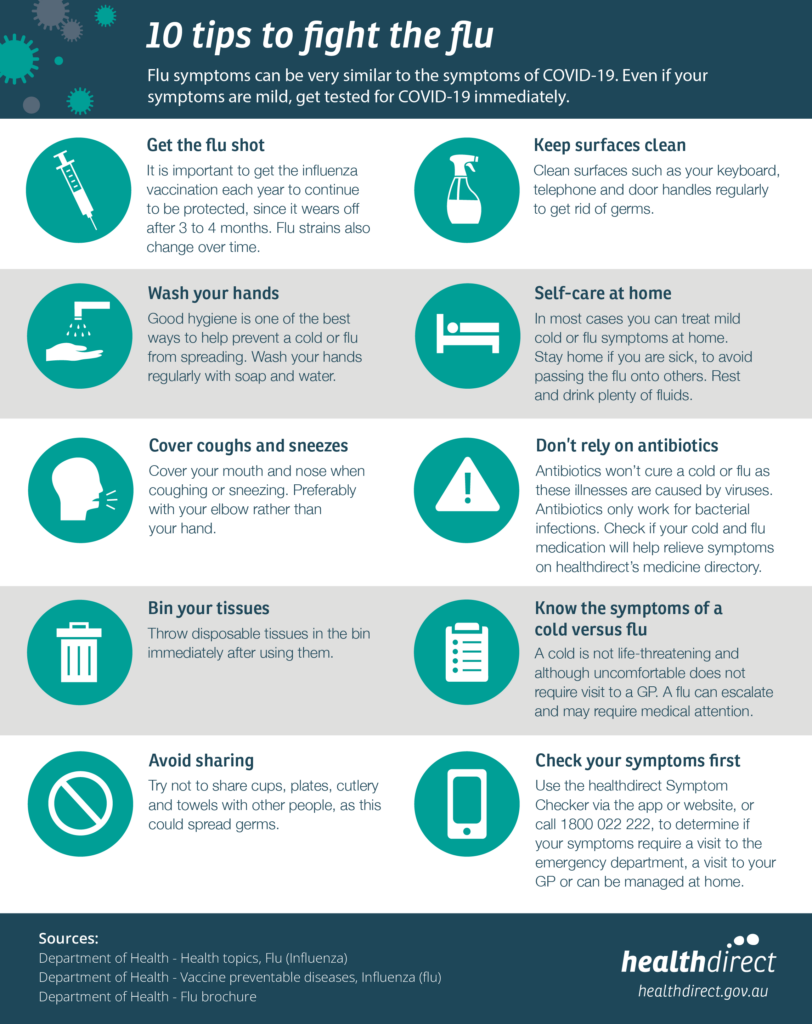
Getting Vaccinated
The importance of flu vaccination
Getting vaccinated against the flu is one of the most effective ways to prevent illness and reduce the spread of the virus. The flu vaccine stimulates the immune system to produce antibodies that provide protection against the specific strains of influenza viruses included in the vaccine. By getting vaccinated, you not only protect yourself but also help protect those around you who may be more vulnerable to severe complications.
Recommended flu vaccines
There are different types of flu vaccines available, including the traditional flu shot, nasal spray, and high-dose vaccines for older adults. The specific vaccine recommended for you may depend on your age, health condition, and other factors. It is best to consult with your healthcare provider to determine which vaccine is most suitable for you.
When to get vaccinated
The best time to get vaccinated is before the flu season begins, ideally in early fall. However, it is never too late to get vaccinated, and you can still benefit from the vaccine even if flu activity has already started in your area. The flu season can vary in timing and duration, so it is important to get vaccinated as soon as possible to ensure maximum protection.
Who should not get vaccinated
While flu vaccination is recommended for most individuals, there are certain groups who should not receive the vaccine. This includes infants younger than 6 months old, individuals with severe allergies to vaccine components, and those who have had a severe allergic reaction to a previous flu vaccine. It is important to discuss any concerns or medical conditions with your healthcare provider before getting vaccinated.
Tips for getting vaccinated
To make the vaccination process smooth and efficient, there are a few tips to keep in mind. Schedule an appointment with your healthcare provider or visit a local pharmacy or clinic that offers flu vaccines. Wear loose-fitting clothing that allows easy access to the upper arm for the vaccine administration. Be prepared to answer questions about your medical history and any allergies you may have. After receiving the vaccine, it is normal to experience mild side effects such as soreness at the injection site or a low-grade fever. These symptoms usually subside within a few days.
Practicing Good Hygiene
Washing hands frequently
One of the simplest and most effective ways to prevent the spread of the flu is by washing your hands regularly with soap and water for at least 20 seconds. Make sure to scrub all surfaces of the hands, including between the fingers, under the nails, and the wrists. If soap and water are not readily available, you can use an alcohol-based hand sanitizer with at least 60% alcohol.
Using hand sanitizers
Hand sanitizers can be a convenient alternative to handwashing, especially when soap and water are not accessible. Choose a sanitizer with at least 60% alcohol content and apply a sufficient amount to cover all surfaces of the hands. Rub the sanitizer until it is completely dry. However, it is important to note that hand sanitizers are not as effective as handwashing when hands are visibly dirty or greasy.
Covering mouth and nose when sneezing or coughing
The flu virus is primarily spread through respiratory droplets expelled when an infected person coughs, sneezes, or talks. To prevent the spread of infection, always cover your mouth and nose with a tissue or the inside of your elbow when sneezing or coughing. Dispose of used tissues immediately and, if using your elbow, wash your clothing as soon as possible.
Avoiding close contact with sick individuals
If someone around you is sick with flu-like symptoms, try to maintain a safe distance to minimize the risk of exposure. The flu virus can spread easily through close contact, especially when an infected person is coughing or sneezing. If you are the one who is sick, it is important to stay home and avoid contact with others to prevent further transmission.
Disinfecting frequently-touched surfaces
The flu virus can survive on surfaces for a few hours or even days, depending on the type of surface. To reduce the risk of contracting the flu, regularly clean and disinfect frequently-touched surfaces such as doorknobs, light switches, countertops, and electronic devices. Use disinfectant products that are effective against the influenza virus and follow the manufacturer’s instructions for proper use.

Boosting Your Immune System
Eating a balanced diet
A healthy and balanced diet plays a crucial role in maintaining a strong immune system. Include a variety of fruits, vegetables, whole grains, lean proteins, and healthy fats in your meals. These foods provide essential vitamins, minerals, and antioxidants that support immune function. It is also important to stay hydrated by drinking an adequate amount of water throughout the day.
Staying physically active
Regular exercise is not only beneficial for overall health but also helps boost the immune system. Engage in moderate-intensity aerobic activities, such as brisk walking, cycling, or swimming, for at least 150 minutes per week. Additionally, incorporate strength training exercises to build and maintain muscle mass, which is important for a healthy immune system.
Getting enough sleep
Adequate sleep is crucial for immune system function and overall health. Aim for 7-9 hours of quality sleep each night to ensure proper rest and rejuvenation. Establish a regular sleep routine, create a comfortable sleep environment, and limit exposure to electronic devices before bedtime to promote better sleep.
Managing stress levels
Chronic stress weakens the immune system and makes individuals more susceptible to infections. Find healthy ways to manage stress, such as practicing relaxation techniques, engaging in hobbies, or seeking support from loved ones. Taking care of your mental and emotional well-being is essential for maintaining a strong immune system.
Supplementing with vitamins and minerals
In addition to a healthy diet, certain vitamins and minerals can help support immune function. Vitamin C, vitamin D, zinc, and probiotics have been shown to have immune-boosting properties. However, it is important to consult with a healthcare professional before starting any new supplements to ensure they are appropriate for your individual needs.
Staying Informed About Flu Outbreaks
Monitoring local flu activity
Stay updated on the flu activity in your area by regularly checking local health department websites, news reports, or flu-tracking platforms. This information can help you assess the risk level and take appropriate preventive measures.
Awareness of flu symptoms in your area
Be aware of the common flu symptoms circulating in your community. This knowledge can help you recognize the signs of the flu early on and take prompt action to prevent further spread.
Following public health recommendations
Stay informed about any public health recommendations or guidelines related to flu prevention. This may include advice on vaccination, hygiene practices, and steps to take in case of an outbreak. Follow these recommendations to protect yourself and those around you.
Knowing when to seek medical attention
It is important to know when to seek medical attention if you develop flu-like symptoms. Severe symptoms, such as difficulty breathing, persistent chest pain, sudden dizziness, confusion, or severe dehydration, may indicate the need for immediate medical care. Contact your healthcare provider or seek emergency medical assistance if you experience any of these symptoms.

Creating a Flu-Free Environment
Encouraging sick individuals to stay home
In order to prevent the spread of the flu, it is important to encourage individuals who are sick to stay home and avoid contact with others until they are no longer contagious. This applies to both schools and workplaces, as well as any social gatherings.
Promoting flu prevention measures at work
Employers can play a crucial role in preventing the spread of the flu by promoting flu prevention measures in the workplace. This may include providing flu vaccines to employees, encouraging regular handwashing, providing hand sanitizers, promoting sick leave policies, and implementing strategies to minimize close contact among employees.
Implementing hygiene practices in schools and childcare centers
Schools and childcare centers are settings where the flu virus can easily spread among children and staff members. Implementing and promoting good hygiene practices, such as regular handwashing, covering sneezes and coughs, disinfecting frequently-touched surfaces, and encouraging sick children to stay home, can help reduce the risk of flu outbreaks in these environments.
Managing Flu Symptoms at Home
Resting and staying hydrated
If you develop flu symptoms, it is important to give your body the rest it needs to recover. Get plenty of sleep and stay hydrated by drinking fluids such as water, herbal tea, and clear broth. Taking care of yourself and avoiding overexertion can help speed up your recovery.
Taking over-the-counter medications
Over-the-counter medications can provide relief from flu symptoms such as fever, body aches, cough, and congestion. Nonsteroidal anti-inflammatory drugs (NSAIDs) like ibuprofen can help reduce fever and relieve body aches, while cough suppressants and decongestants can alleviate cough and nasal congestion. Follow the instructions and recommended dosages on the packaging and consult with a pharmacist if you have any questions or concerns.
Using home remedies for symptom relief
There are various home remedies that may help alleviate flu symptoms. Drinking warm liquids like herbal tea or soup can help soothe a sore throat, while using a humidifier or taking a hot shower can help relieve congestion. Gargling with warm saltwater can also provide temporary relief for a sore throat. However, it is important to note that home remedies should supplement, not replace, medical advice, and treatment.
Seeking medical advice for severe symptoms
If your symptoms worsen or you experience severe symptoms, it is important to seek medical advice. This is especially important for high-risk individuals or those with pre-existing medical conditions. Your healthcare provider can evaluate your symptoms, provide appropriate treatment, and advise on any necessary further steps.

Flu Prevention for High-Risk Groups
Protecting infants and young children
Infants and young children are more susceptible to flu complications. To protect them from the flu, it is important to ensure that they receive the flu vaccine as soon as they are old enough, practice good hygiene habits, and avoid close contact with sick individuals. Creating a flu-free environment and encouraging sick individuals to stay away from children can also help reduce their risk.
Taking precautions for older adults
Older adults, especially those with pre-existing medical conditions, are more vulnerable to severe complications from the flu. Along with getting vaccinated, older adults should practice good hygiene habits, avoid close contact with sick individuals, and seek medical advice promptly if flu-like symptoms develop. It is also important for caregivers and family members to get vaccinated to protect older adults.
Flu prevention during pregnancy
Pregnant women should take extra precautions to protect themselves and their unborn child from the flu. Getting vaccinated during pregnancy is highly recommended and can provide both maternal and fetal protection. Pregnant women should also practice good hygiene habits, avoid close contact with sick individuals, and seek medical advice if flu-like symptoms develop.
Guidelines for individuals with chronic conditions
Individuals with chronic medical conditions, such as asthma, diabetes, heart disease, or obesity, are more prone to complications from the flu. In addition to getting vaccinated, it is important for individuals with chronic conditions to manage their condition effectively, practice good hygiene habits, and seek medical advice promptly if flu-like symptoms develop. Following any specific guidelines provided by healthcare providers for managing the flu is essential.
Flu Prevention in Public Places
Healthy flu practices in public transportation
Public transportation, such as buses, trains, and airplanes, can be high-risk environments for the spread of the flu. To minimize the risk, it is important to follow healthy flu practices, including using hand sanitizers or washing hands before and after using public transportation, avoiding touching the face, coughing or sneezing into a tissue or elbow, and wearing a face mask when necessary.
Preventing flu transmission in crowded areas
When you find yourself in crowded places, it is important to take preventive measures to reduce the risk of flu transmission. Maintain a safe distance from others, avoid touching surfaces as much as possible, regularly clean and sanitize your hands, and consider wearing a face mask if recommended by healthcare authorities. These precautions can help protect you and others in crowded areas.
Maintaining cleanliness in public facilities
Public facilities, such as restrooms, shopping malls, and recreational areas, can harbor flu viruses. To protect yourself, practice good hygiene habits, use hand sanitizers or wash hands after using these facilities, avoid touching common surfaces unnecessarily, and follow any posted hygiene guidelines or recommendations.
In conclusion, understanding the flu, practicing good hygiene, getting vaccinated, and taking preventive measures are key to fighting the flu and reducing its impact on individuals and communities. By staying informed, following recommended guidelines, and taking care of your health, you can play a vital role in preventing flu outbreaks and protecting yourself and those around you. Stay flu-free and stay healthy!