
Hey there, it’s time to talk about a serious matter – preventing the spread of gonorrhea. In this article, we’ll explore effective strategies that can help you safeguard yourself and others from this sexually transmitted infection. With the recent rise in gonorrhea cases globally, it’s crucial to be well-informed about the steps you can take to break the chain of transmission. From practicing safe sex to getting tested regularly, we’ve got you covered. So, let’s dive into the world of prevention and arm ourselves with knowledge to keep gonorrhea at bay.

Understanding Gonorrhea
Gonorrhea is a sexually transmitted infection (STI) caused by the bacteria Neisseria gonorrhoeae. It primarily affects the mucous membranes of the reproductive and urinary tracts, but can also impact the throat, eyes, and rectum. Gonorrhea can be transmitted through vaginal, anal, or oral sex, as well as from mother to baby during childbirth.
Signs and Symptoms of Gonorrhea
Gonorrhea often presents with symptoms, although some individuals may not experience any signs at all. Common symptoms include a burning sensation during urination, increased vaginal discharge in women, and discharge from the penis in men. Both men and women may also experience abdominal pain and discomfort, as well as abnormal menstrual bleeding in women.

Transmission of Gonorrhea
Gonorrhea is highly contagious and can be easily transmitted through sexual contact with an infected partner. Unprotected sex, including vaginal, anal, and oral sex, poses a significant risk. Additionally, sharing sex toys without proper cleaning and disinfection can also lead to transmission. It’s important to note that gonorrhea can be passed on even if there are no noticeable symptoms.
Importance of Preventing the Spread
With the rise in gonorrhea infections in recent years, it is crucial to prioritize efforts to prevent the spread of this STI.
Rising Rates of Gonorrhea Infections
Gonorrhea continues to be a prevalent infection worldwide, with millions of new cases reported each year. In recent years, there has been a concerning increase in the number of gonorrhea infections, particularly among young people. This upward trend highlights the importance of implementing effective strategies to curtail the spread of the disease.
Health Risks Associated with Gonorrhea
Untreated gonorrhea can lead to severe health complications for both men and women. In women, it can cause pelvic inflammatory disease (PID), a condition that can result in chronic pelvic pain, infertility, and ectopic pregnancy. In men, complications may include epididymitis, which can lead to fertility problems. Furthermore, untreated gonorrhea can increase the risk of contracting and transmitting HIV.
The Impact on Public Health
The spread of gonorrhea not only poses individual health risks but also has a significant impact on public health. The economic burden associated with managing and treating gonorrhea infections is substantial. Moreover, the rise in antibiotic-resistant strains makes the situation even more challenging. It is crucial to implement comprehensive prevention strategies to mitigate the burden on healthcare systems and protect the overall well-being of communities.
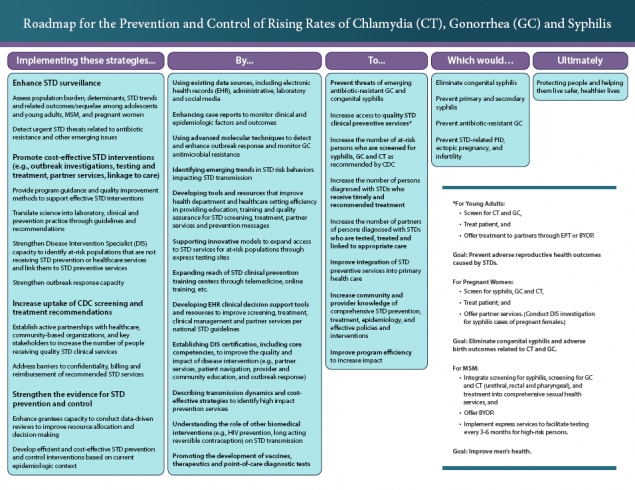
1. Promote Sexual Education and Awareness
To effectively prevent the spread of gonorrhea, promoting sexual education and awareness is paramount.
Implementing Comprehensive Sex Education Programs
Comprehensive sex education programs that provide accurate and comprehensive information about sexual health, including STIs like gonorrhea, are instrumental in preventing the spread of infections. These programs should be implemented in schools and community settings, and should address topics such as safe sex practices, consent, and the importance of regular testing.
Providing Accurate Information about Gonorrhea
There is a need to combat misinformation surrounding gonorrhea. Providing accurate information about the symptoms, transmission, and prevention of gonorrhea can empower individuals to make informed decisions regarding their sexual health. Information should be readily available through various channels, including healthcare providers, online resources, and educational materials.
Encouraging Safe Sexual Practices
Promoting safe sexual practices, such as consistent and correct condom use, can greatly reduce the risk of gonorrhea transmission. Educating individuals about the importance of using condoms during sexual activity, regardless of the type of intercourse, is crucial. Additionally, encouraging open communication about sexual history and promoting regular testing can contribute to preventing the spread of the infection.
2. Encourage Regular Testing
Regular testing for gonorrhea is essential in identifying infections and preventing further transmission.
The Importance of Routine Testing
Regular testing for gonorrhea, especially among individuals who engage in high-risk behaviors or have multiple sexual partners, plays a vital role in early detection and treatment. Routine testing can help identify asymptomatic infections, allowing for prompt intervention and preventing the spread of the infection.
Accessible Testing Options
Ensuring the availability and accessibility of testing options is crucial in encouraging individuals to get tested for gonorrhea. This includes offering testing services in a variety of settings such as healthcare clinics, community centers, and pharmacies, as well as exploring innovative approaches like home testing kits. Making testing options convenient and easily accessible helps remove barriers to testing and encourages proactive health-seeking behavior.
Reducing Stigma Around Testing
Reducing the stigma associated with STI testing is essential in promoting testing uptake. Fear of judgment or discrimination can prevent individuals from seeking the necessary testing and treatment. By creating a supportive and non-judgmental environment, both within healthcare settings and society as a whole, people can feel more comfortable and empowered to get tested for gonorrhea and other STIs.

3. Promote the Use of Barrier Methods
Barrier methods, such as condoms, are effective in preventing the transmission of gonorrhea and other STIs.
Educating about Condom Use
Promoting comprehensive education about the correct and consistent use of condoms is crucial. This includes teaching individuals about proper condom application, storage, and disposal, as well as emphasizing the importance of using condoms during every sexual encounter. Education campaigns can utilize various platforms, including social media, school curricula, and community workshops, to reach a broad audience.
Increasing Availability of Condoms
Ensuring the widespread availability of condoms is essential in promoting their use. Condoms should be easily accessible and affordable, with distribution channels including healthcare facilities, pharmacies, retail stores, and vending machines. Collaborating with local businesses, community organizations, and government agencies can help establish partnerships to increase the availability of free or low-cost condoms.
Promoting Proper Use of Condoms
In addition to availability, it is crucial to educate individuals about the proper use of condoms in order to maximize their effectiveness. This includes providing information on correct storage, checking for expiration dates, and using condoms in conjunction with lubricants to reduce the risk of condom breakage. Emphasizing these important details can help individuals use condoms correctly and consistently.
4. Vaccination Strategies
Development and implementation of a gonorrhea vaccine can play a significant role in preventing the spread of the infection.
Research and Development of a Gonorrhea Vaccine
Investing in research and development for a gonorrhea vaccine is essential in mitigating the spread of the infection. Scientists and pharmaceutical companies should collaborate to explore potential vaccine candidates and conduct rigorous clinical trials to assess their safety and efficacy. Continued efforts in this area may lead to the development of a much-needed tool to prevent gonorrhea infections.
Promoting Vaccination for Other STIs
While a specific gonorrhea vaccine is being developed, promoting existing vaccines for other STIs, such as HPV and hepatitis B, can indirectly contribute to the prevention of gonorrhea. These vaccines target primary risk factors associated with gonorrhea. By increasing vaccination rates for these STIs, the overall incidence of gonorrhea may decrease.
Collaboration with Vaccine Manufacturers
Collaborating with vaccine manufacturers is crucial in ensuring the availability and accessibility of any future gonorrhea vaccine. Governments, global health organizations, and stakeholders within the pharmaceutical industry should work together to facilitate the production, distribution, and affordability of the vaccine, particularly for vulnerable populations and resource-limited settings.

5. Engage in Contact Tracing
Contact tracing plays a fundamental role in identifying and notifying sexual partners to prevent the further spread of gonorrhea.
Identifying and Notifying Sexual Partners
Efficient contact tracing involves identifying and notifying individuals who may have been exposed to gonorrhea through sexual contact with an infected person. Healthcare providers should work closely with patients to gather relevant information regarding their sexual history, including recent partners, in order to track and notify individuals who may be at risk. Prompt identification and notification can help facilitate testing, treatment, and prevent further transmission.
Ensuring Confidentiality and Support
It is crucial to ensure the confidentiality and privacy of individuals involved in contact tracing efforts. Creating a safe and supportive environment where individuals feel comfortable disclosing their sexual history is essential. Healthcare providers should prioritize respectful and non-judgmental communication to foster trust and encourage individuals to actively participate in contact tracing efforts.
Implementing Technology-Assisted Contact Tracing
Leveraging technology can enhance the efficiency and effectiveness of contact tracing initiatives. Mobile applications, online platforms, and text messaging services can be used to facilitate communication and notification between healthcare providers and individuals at risk. These tools can streamline the process, allowing for faster identification and notification of sexual partners, reducing the potential for further transmission.
6. Treatment and Partner Management
Prompt access to testing, treatment, and partner management is crucial in preventing the spread of gonorrhea.
Prompt Access to Testing and Treatment
Ensuring that testing and treatment services for gonorrhea are readily available is essential in preventing further transmission. Healthcare providers should offer convenient and timely access to testing, ensuring accurate diagnosis and prompt initiation of appropriate treatment. Same-day testing and treatment services can minimize the time between diagnosis and receiving appropriate care, reducing the risk of transmission.
Ensuring Full Treatment Compliance
Encouraging individuals diagnosed with gonorrhea to complete the full course of treatment is essential in preventing reinfection and the development of antibiotic resistance. Healthcare providers should educate patients about the importance of adherence to treatment regimens and provide necessary support systems to help individuals complete their treatment. Regular follow-up and monitoring can help ensure treatment compliance and prevent complications.
Supporting Partner Treatment and Testing
To effectively prevent reinfection and the spread of gonorrhea, it is essential to address partner management. Healthcare providers should offer partner testing and treatment services to sexual partners of individuals diagnosed with gonorrhea, even in cases where partners may not exhibit symptoms. Partner notification and treatment can help break the cycle of transmission and reduce the overall burden of the infection.
7. Target High-Risk Populations
Targeting high-risk populations is crucial in preventing the spread of gonorrhea and ensuring equitable access to prevention and treatment services.
Identifying and Understanding High-Risk Groups
Identifying and understanding high-risk populations is critical in implementing targeted prevention strategies. High-risk groups may include individuals who engage in unprotected sex, those with multiple sexual partners, men who have sex with men, and marginalized communities with limited access to healthcare. Comprehensive data collection and analysis can help identify these groups and tailor interventions to address their specific needs.
Tailored Educational Campaigns
Developing educational campaigns specifically designed for high-risk populations can help raise awareness, debunk myths, and provide culturally sensitive information. These campaigns should consider language, cultural norms, and barriers to healthcare access that may exist within these communities. Engaging community leaders, organizations, and local influencers can enhance the effectiveness and reach of these educational initiatives.
Accessible and Culturally Sensitive Services
Ensuring that prevention and treatment services are accessible and culturally sensitive is vital in reaching high-risk populations. Healthcare providers should strive to eliminate barriers to care, including language barriers, stigma, discrimination, and financial constraints. Tailoring services to meet the specific needs and preferences of these populations can encourage individuals to seek care, promoting early detection, and preventing the spread of gonorrhea.
10. Collaborate with International Efforts
Collaboration and information-sharing are critical in effectively preventing the spread of gonorrhea on a global scale.
Sharing Best Practices and Research
Promoting collaboration and knowledge-sharing among countries and organizations can facilitate the implementation of effective strategies to prevent the spread of gonorrhea. By sharing best practices, research findings, and lessons learned, stakeholders can learn from one another, adapt successful interventions to their contexts, and collectively work toward reducing the burden of gonorrhea worldwide.
Cross-Border Cooperation and Information Exchange
Gonorrhea does not recognize borders, so cross-border cooperation is crucial in preventing the spread of infection. Governments, healthcare systems, and international organizations should collaborate to facilitate information exchange, coordinate prevention efforts, and ensure the seamless management and treatment of gonorrhea cases across borders. This includes sharing data, guidelines, and strategies to address the unique challenges posed by cross-border transmission.
Supporting Developing Countries
Supporting developing countries in their efforts to prevent and manage gonorrhea is essential. Providing financial assistance, technical expertise, and resources can help strengthen healthcare systems, improve access to prevention and treatment services, and address the socioeconomic factors that contribute to the spread of gonorrhea. Collaboration with international organizations and investment in capacity-building initiatives can help ensure equitable global response to the infection.
In conclusion, preventing the spread of gonorrhea requires a comprehensive and multifaceted approach. By promoting sexual education, encouraging regular testing, promoting barrier methods, investing in research for a gonorrhea vaccine, engaging in contact tracing, ensuring prompt treatment and partner management, targeting high-risk populations, and collaborating with international efforts, we can make significant strides in reducing the burden of this STI. By working together and prioritizing prevention, we can create a future where gonorrhea is no longer a major public health concern.