
Are you or someone you know experiencing hearing loss? Don’t worry, you’re not alone. In this article, we will discuss effective strategies for communication when dealing with hearing loss. Whether it’s for yourself or a loved one, understanding how to effectively communicate can make all the difference in maintaining relationships and navigating everyday situations. So, let’s dive into this topic and explore the various strategies that can help improve communication for those with hearing loss.
Understanding Hearing Loss
Hearing loss is a common condition that affects millions of people around the world. It occurs when there is a partial or total inability to hear sounds in one or both ears. Understanding the different types of hearing loss is important in order to effectively communicate and support individuals with this condition.
Types of hearing loss
There are three main types of hearing loss: conductive, sensorineural, and mixed.
-
Conductive hearing loss is caused by problems in the outer or middle ear, such as blockages, fluid buildup, or damage to the eardrum or the tiny bones in the middle ear.
-
Sensorineural hearing loss occurs when there is damage to the inner ear or the auditory nerve. This type of hearing loss is often caused by age, exposure to loud noise, genetic factors, or certain medical conditions.
-
Mixed hearing loss is a combination of both conductive and sensorineural hearing loss. It may result from a combination of factors such as chronic ear infections, ear trauma, or genetic predispositions.
Causes of hearing loss
Hearing loss can be caused by a variety of factors, including:
-
Age: As we get older, our hearing ability naturally declines. This is known as presbycusis and is often a gradual process.
-
Noise exposure: Prolonged exposure to loud noises, such as working in a noisy environment or regularly attending loud concerts, can damage the delicate structures in the inner ear.
-
Genetics: Some types of hearing loss are inherited, meaning they are passed down from one generation to another through genetic mutations or abnormalities.
-
Ototoxic medications: Certain medications, such as antibiotics, chemotherapy drugs, and high doses of aspirin, can damage the inner ear and cause hearing loss.
-
Medical conditions: Various medical conditions, including diabetes, heart disease, Meniere’s disease, and autoimmune disorders, can lead to hearing loss.
-
Ear infections: Chronic or untreated ear infections can cause damage to the middle ear, resulting in hearing loss.
Effects of hearing loss on communication
Hearing loss can have a significant impact on communication, making it more challenging for individuals to understand and participate in conversations. Some common effects of hearing loss on communication include:
-
Difficulty understanding speech: People with hearing loss often struggle to hear and understand speech, especially when there is background noise or multiple people speaking at once.
-
Misunderstandings and misinterpretations: Incomplete or incorrect information can lead to misunderstandings and miscommunications, affecting the overall quality of communication.
-
Social isolation: The frustration and difficulty associated with communication can lead to social isolation and feelings of loneliness, as individuals may avoid social situations or struggle to engage with others.
-
Reduced quality of life: Hearing loss can affect various aspects of daily life, including work, education, personal relationships, and recreational activities, leading to a decreased overall quality of life.
-
Emotional impact: Dealing with hearing loss can cause emotional stress, frustration, and anxiety, as individuals may feel misunderstood or left out in social interactions.
Understanding the effects of hearing loss on communication is crucial in finding effective strategies to improve communication and provide support for individuals with hearing loss.
Importance of Communication for Individuals with Hearing Loss
Communication is a fundamental aspect of human interaction, and individuals with hearing loss rely on effective communication strategies to navigate social situations, establish meaningful relationships, and fully engage in various aspects of life.
Social impact of hearing loss on communication
Hearing loss can have a significant social impact on individuals. Difficulties in communication can lead to feelings of embarrassment, frustration, and isolation. People with hearing loss may avoid social events or situations that they find challenging, resulting in limited social interactions and a reduced sense of belonging.
Barriers to effective communication
Several barriers can hinder effective communication for individuals with hearing loss:
-
Background noise: Background noise can make it difficult to distinguish speech and focus on the conversation at hand.
-
Distance and positioning: Being far away from the speaker or not facing them directly can impede lip reading and visual cues, making it harder to follow the conversation.
-
Lack of visual cues: Visual cues, such as facial expressions and body language, play an important role in communication. However, individuals with hearing loss may miss these cues, making it harder to accurately interpret the message.
-
Limited access to technology: Lack of access to assistive listening devices or captioning services can further hinder communication for individuals with hearing loss.
Impact on personal relationships
Hearing loss can impact personal relationships in various ways. It can lead to misunderstandings, frustration, and strained communication between partners, family members, and friends. Without proper communication strategies and support, relationships may suffer as both parties may feel unheard or misunderstood.
Recognizing the importance of effective communication for individuals with hearing loss is key to fostering understanding, empathy, and inclusivity in personal relationships and society as a whole.

Assistive Listening Devices
Assistive listening devices (ALDs) are technological tools designed to improve communication for individuals with hearing loss. These devices work by enhancing the sound quality or by making sounds more accessible to people with hearing impairments.
Types of assistive listening devices
There is a wide range of ALDs available, each with its own features and applications. Some common types of ALDs include:
-
Hearing aids: These are wearable devices that amplify sounds, making them louder and clearer for individuals with hearing loss. Hearing aids come in various styles, including behind-the-ear, in-the-ear, and completely-in-the-canal.
-
Cochlear implants: Cochlear implants are surgically implanted devices that bypass damaged parts of the inner ear and directly stimulate the auditory nerve. They are typically used for individuals with severe to profound hearing loss who do not benefit from conventional hearing aids.
-
FM systems: FM systems consist of a transmitter and receiver and are commonly used in educational settings. The transmitter is worn by the speaker, and the receiver is worn by the individual with hearing loss, allowing the speaker’s voice to be directly transmitted to the listener.
-
Captioning devices: Captioning devices display written captions of spoken dialogue, making it easier for individuals with hearing loss to follow conversations in real-time. This can be particularly helpful in group settings or during presentations.
-
Telecoils: Telecoils are small coils of wire found in many hearing aids. They allow individuals to connect directly to compatible assistive listening systems, such as loop systems commonly found in theaters or public venues.
How assistive listening devices improve communication
ALDs play a crucial role in improving communication for individuals with hearing loss. These devices can:
-
Amplify sound: By amplifying sounds, hearing aids and cochlear implants make it easier for individuals with hearing loss to detect and understand speech, even in challenging listening environments.
-
Provide clearer sound quality: ALDs enhance sound quality by reducing background noise and emphasizing speech signals, making it easier to discern speech from other sounds.
-
Increase access to sound: Through technologies such as FM systems and looping systems, ALDs ensure that individuals with hearing loss have equal access to sound in public spaces, classrooms, and other group settings.
-
Enhance telephone communication: Many ALDs are compatible with telephones and can improve the clarity of phone conversations for individuals with hearing loss.
By utilizing assistive listening devices, individuals with hearing loss can effectively overcome barriers to communication and actively participate in conversations, interactions, and activities.
Choosing the right assistive listening device
Choosing the right assistive listening device is crucial for maximizing its benefits and improving communication for individuals with hearing loss. Factors to consider when selecting an ALD include:
-
Degree and type of hearing loss: The specific needs of the individual, such as the severity and type of hearing loss, should be considered. For example, cochlear implants are typically recommended for individuals with severe to profound hearing loss, while less severe hearing loss may be managed with hearing aids.
-
Lifestyle and preferences: ALDs should align with the individual’s lifestyle and personal preferences. Factors such as ease of use, comfort, and aesthetics may influence the choice of device.
-
Communication needs: Consider the specific communication situations in which the ALD will be used. For example, if the individual frequently attends lectures or presentations, an FM system or captioning device may be more beneficial.
-
Cost and insurance coverage: ALDs vary in cost, and insurance coverage may play a role in the decision-making process. It is important to consider both the upfront cost and any ongoing maintenance expenses.
Consulting with an audiologist or hearing healthcare professional is essential to determine the most appropriate assistive listening device for an individual’s unique needs and circumstances.

Communication Strategies for Individuals with Hearing Loss
In addition to utilizing assistive listening devices, individuals with hearing loss can benefit from employing various communication strategies to enhance their ability to understand and engage in conversations.
Reduce background noise
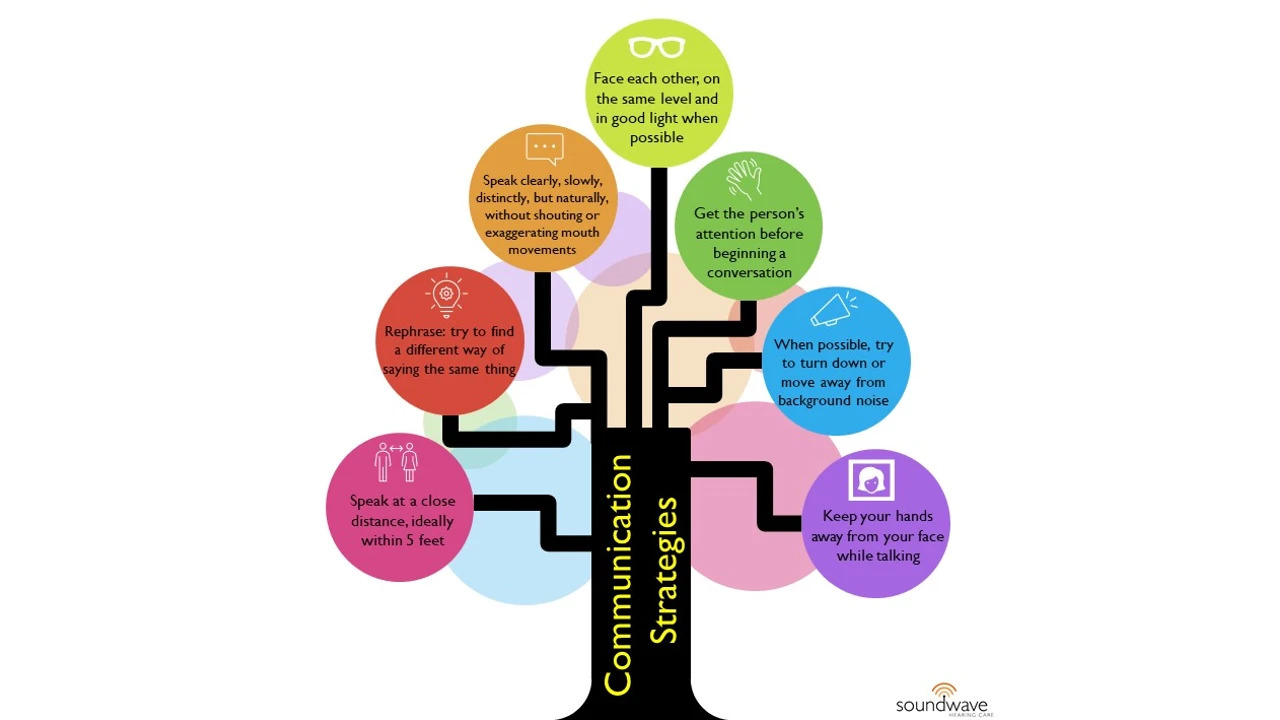
Background noise can be a significant barrier to communication for individuals with hearing loss. Minimizing background noise whenever possible can help improve the clarity of speech. Consider the following strategies:
- Choose quiet environments for conversations, such as quiet rooms or outdoor settings.
- Close windows or doors to reduce outside noise.
- Turn off or lower the volume of background noise sources, such as television or music.
- Position yourself closer to the speaker to minimize the distance between you and the sound source.
Speak clearly and face the person
Clear and visible speech is essential for individuals with hearing loss to effectively understand conversations. When communicating with someone with hearing loss, remember to:
- Speak clearly and at a moderate pace. Avoid speaking too quickly or mumbling.
- Face the person directly and ensure that your mouth is visible. This allows individuals to better lip-read and pick up visual cues.
- Use facial expressions and gestures to enhance your message and provide additional context.
Use visual cues and gestures
Visual cues and gestures can significantly aid communication for individuals with hearing loss. Incorporate the following techniques:
- Use hand gestures or pointing to emphasize key points or objects.
- Use visual aids, such as written instructions or diagrams, to supplement verbal communication.
- Make use of facial expressions, body language, and eye contact to convey emotions and improve understanding.
By applying these communication strategies, individuals with hearing loss can enhance their ability to follow conversations, reduce misunderstandings, and actively participate in communication.
Effective Listening Techniques
Effective listening is essential for successful communication, particularly when interacting with individuals with hearing loss. The following techniques can help improve listening skills and promote understanding:
Active listening
Active listening involves fully focusing on the speaker and being actively engaged in the conversation. To practice active listening:
- Maintain eye contact with the speaker to show that you are present and attentive.
- Avoid interrupting or finishing the speaker’s sentences. Allow them to express their thoughts fully.
- Provide verbal and non-verbal feedback to demonstrate understanding and encourage the speaker to continue.
Paraphrasing and clarifying
Paraphrasing and clarifying can help ensure that the message is accurately understood. Repeat or rephrase the speaker’s message in your own words to confirm understanding. Seek clarification when necessary by asking specific questions or requesting additional information.
Empathy and understanding
Cultivating empathy and understanding fosters a supportive and inclusive communication environment. Consider the following:
- Be patient with the speaker, allowing them time to express themselves fully.
- Show empathy and validate their feelings and experiences.
- Be willing to adapt your communication style and approach to accommodate the needs of the individual.
By actively listening, paraphrasing when needed, and approaching communication with empathy and understanding, individuals can create a more inclusive and supportive environment for those with hearing loss.
Technology and Communication
Advancements in technology have greatly improved communication options for individuals with hearing loss. Various technological solutions and services are available to enhance communication accessibility. Some notable examples include:
Captioning services
Captioning services provide written captions of spoken dialogue in real-time. These captions can be displayed on televisions, computer screens, or mobile devices. They enable individuals with hearing loss to follow conversations and presentations accurately. Captioning services are commonly used in televisions, movies, theaters, and public events.
Video relay services
Video relay services facilitate telephone conversations for individuals with hearing loss. It involves a video connection between the caller who uses sign language and a relay operator who converts the signed message into spoken words for the recipient. This service enables individuals who are deaf or hard of hearing to communicate effectively over the phone.
Telecommunication options
Telecommunication options, such as text messaging and email, provide alternative means of communication for individuals with hearing loss. These methods allow for clear and written communication, bypassing the challenges associated with spoken language. Smartphone apps and web-based platforms have further expanded communication opportunities for individuals with hearing loss.
The availability and effectiveness of technology-based communication options continue to evolve, providing individuals with hearing loss more opportunities to connect and engage with the world around them.
Communication Training for Individuals with Hearing Loss
Communication training can greatly benefit individuals with hearing loss by equipping them with the skills and strategies necessary for effective communication. Various types of communication training programs are available, including:
Speechreading techniques
Speechreading, also known as lip-reading, involves using visual cues, such as lip movements, facial expressions, and body language, to understand speech. Speechreading training can help individuals with hearing loss develop and refine their ability to visually interpret these cues, improving their overall comprehension and communication skills.
Auditory training
Auditory training focuses on improving an individual’s ability to interpret and understand sounds. It involves exercises and activities designed to enhance auditory discrimination, speech recognition, and auditory processing skills. Auditory training can be particularly beneficial for individuals with cochlear implants or hearing aids.
Group communication therapy
Group communication therapy provides a supportive and interactive environment for individuals with hearing loss to practice communication skills and strategies. This type of therapy typically involves group discussions, role-playing exercises, and coaching from a therapist or facilitator. Group therapy fosters social connection and encourages individuals to share their experiences and learn from one another.
By participating in communication training programs, individuals with hearing loss can develop the necessary skills and confidence to effectively communicate in various settings.

Supporting Communication in the Workplace
Creating an inclusive and supportive workplace environment is crucial for employees with hearing loss to effectively communicate and thrive. Employers can implement the following strategies to support employees with hearing loss:
Accommodations for employees with hearing loss
Provide reasonable accommodations to facilitate effective communication for employees with hearing loss. This may include:
- Providing assistive listening devices, such as amplified telephones or captioned televisions.
- Designating quiet areas or soundproof offices for individuals who need minimized background noise.
- Implementing visual alarms or flashing lights to supplement auditory cues.
Clear communication policies
Establish clear communication policies and guidelines to ensure that all employees understand the importance of effective communication and are equipped with the necessary tools and knowledge. These policies may include:
- Encouraging open dialogue about hearing loss and fostering a supportive and inclusive culture.
- Educating employees about hearing loss and the appropriate communication strategies to use.
- Promoting patience, empathy, and understanding among all members of the workplace.
Training for co-workers
Provide training sessions or workshops for co-workers to increase awareness and understanding of hearing loss and how to effectively communicate with individuals who have hearing impairments. This training should cover topics such as:
- Basic knowledge of hearing loss and its impact on communication.
- Strategies for clear and effective communication, such as speaking clearly, facing the person, and minimizing background noise.
- Encouraging active listening and patience when communicating with individuals with hearing loss.
By implementing these workplace strategies, employers can create an environment that supports employees with hearing loss and promotes effective communication and inclusivity.
Education and Communication for Children with Hearing Loss
Early intervention and appropriate support are crucial for children with hearing loss to achieve language and communication milestones. Education systems and specialized services can play a vital role in ensuring that children with hearing loss have access to effective communication and education.
Early intervention programs
Early intervention programs provide support and services for infants and young children with hearing loss and their families. These programs often include:
- Auditory habilitation: Programs that focus on developing listening and spoken language skills through specialized therapies, such as auditory-verbal therapy or auditory-oral therapy.
- Sign language instruction: Some families choose to use sign language as a primary means of communication. Early intervention programs can provide sign language instruction and resources to support sign language acquisition.
Special education services
With appropriate support, many children with hearing loss can succeed in mainstream education settings. Special education services can include:
- Individualized Education Programs (IEPs): IEPs outline specific goals, accommodations, and support services for students with hearing loss. This ensures that students receive the necessary resources and adaptions to succeed academically.
- Educational audiologists: These professionals provide specialized support, such as audiological assessments, consultations, and recommendations for assistive listening devices and communication strategies.
- Classroom accommodations: Teachers can make accommodations, such as using a microphone or FM system, providing written instructions, and establishing clear communication guidelines.
Communication strategies for classrooms
Teachers and educators can implement various communication strategies to create an inclusive and supportive learning environment for children with hearing loss. These strategies may include:
- Visual aids: Incorporate visual aids, such as charts, diagrams, and written instructions, to supplement verbal communication and enhance comprehension.
- Captioned media: Utilize captioned videos and multimedia resources to ensure that all students have equal access to auditory information.
- Peer support: Encourage peer support and empathy by educating students about hearing loss and fostering an inclusive classroom culture.
By focusing on early intervention, specialized education services, and effective communication strategies, children with hearing loss can thrive academically and develop strong communication skills.

Maintaining Healthy Communication Habits
Maintaining healthy communication habits is important for individuals with hearing loss to manage their condition effectively and ensure their overall well-being. Here are some guidelines for maintaining healthy communication habits:
Regular hearing tests
Regular hearing tests are essential for individuals with hearing loss to monitor their hearing health and detect any changes or deterioration in their hearing ability. It is recommended to have a hearing test conducted by a qualified audiologist every one to two years, or as recommended by the healthcare professional.
Taking breaks from loud environments
Exposure to loud noise can further damage hearing and exacerbate existing hearing loss. Taking breaks from loud environments, such as clubs, concerts, or noisy workplaces, allows the ears to rest and recover. Using ear protection, such as earplugs or earmuffs, can also help reduce the risk of further hearing damage.
Seeking support from professionals and support groups
A wide range of resources and support systems are available for individuals with hearing loss. Seeking support from professionals, such as audiologists, speech therapists, or psychologists, can provide valuable guidance and assist in managing communication challenges. Support groups consisting of individuals with hearing loss can also offer peer support and opportunities to share experiences and coping strategies.
By incorporating these healthy communication habits into their lives, individuals with hearing loss can better manage their condition and improve their overall communication abilities.
In conclusion, understanding hearing loss and its impact on communication is crucial for effectively supporting individuals with this condition. By recognizing the types and causes of hearing loss, as well as the barriers and effects on communication, we can work towards developing inclusive and accessible communication strategies. Utilizing assistive listening devices, employing effective communication techniques, and taking advantage of technological advancements all contribute to improving communication for individuals with hearing loss. Whether in personal relationships, the workplace, or educational settings, implementing inclusive practices and offering support can help individuals with hearing loss fully engage in the world around them. By maintaining healthy communication habits and seeking appropriate support, individuals with hearing loss can navigate their daily lives with greater ease and confidence.