
So you’ve spent the day outside in the scorching heat, enjoying the summer sunshine with friends and family. But as you head indoors, you start to notice an uncomfortable prickling sensation on your skin. Could it be heat rash? In this article, we’ll explore the causes and symptoms of heat rash, a common skin condition that can occur when your sweat ducts become blocked. From the red, itchy bumps to the potential triggers, we’ll guide you through understanding and treating this pesky summer annoyance. Don’t let heat rash dampen your outdoor fun – let’s uncover all you need to know about this common condition.

Causes of Heat Rash
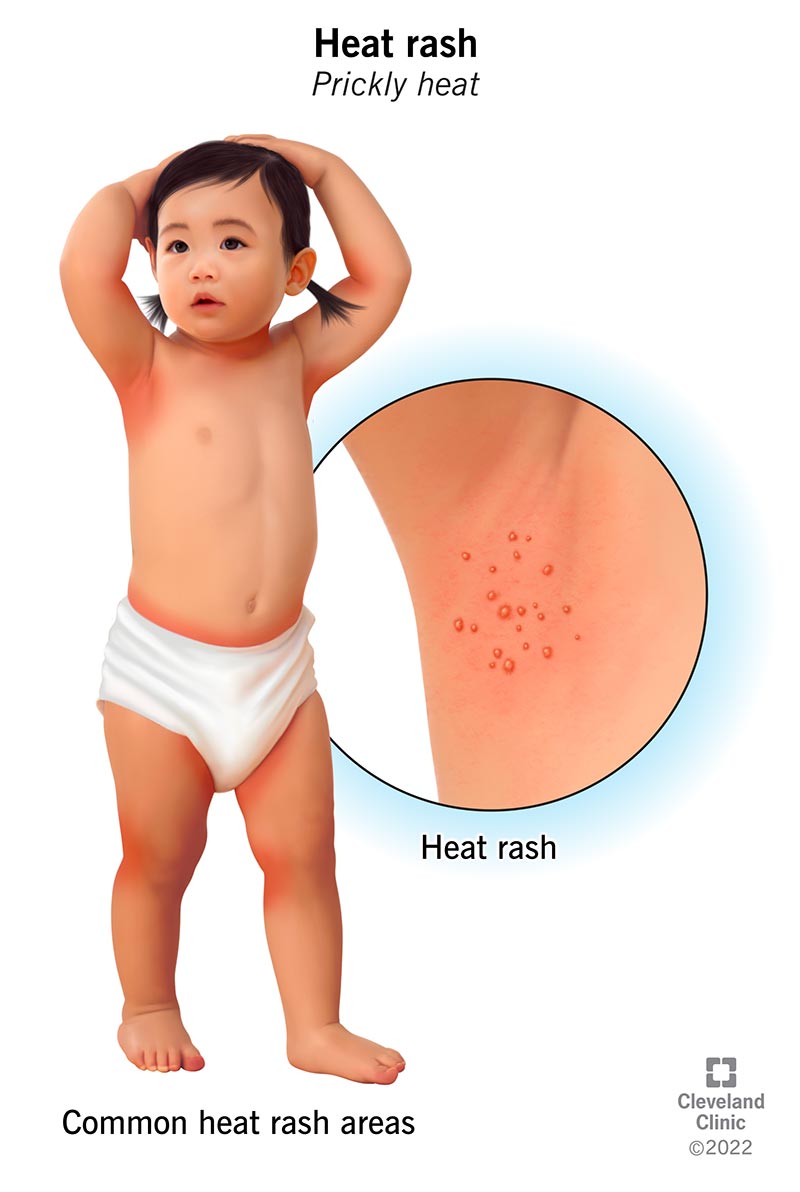
Heat rash, also known as prickly heat, occurs when sweat gets trapped within the sweat glands or under the surface of the skin. This leads to inflammation and the characteristic red bumps or blisters that are associated with heat rash. There are several factors that can contribute to the development of heat rash.
Hot and humid weather
One of the primary causes of heat rash is hot and humid weather. When the temperature rises, and the humidity levels are high, the body perspires more in an attempt to cool down. However, if the sweat gets trapped within the sweat ducts, it can lead to the formation of heat rash.
Blocked sweat glands
Blocked sweat glands are another common cause of heat rash. Sweat glands can become clogged due to factors such as dead skin cells, bacteria, and oils on the skin’s surface. When these sweat ducts are blocked, sweat cannot escape, resulting in heat rash.
Friction on the skin
Friction on the skin can exacerbate the development of heat rash. This can occur when the skin rubs against tight or restrictive clothing or when skin-to-skin contact causes friction. The constant rubbing and irritation can further block the sweat glands, increasing the risk of heat rash.
Sudden temperature changes
Sudden temperature changes can also trigger heat rash. When you move from a cool environment to a hot one or vice versa, the body may struggle to adjust quickly, leading to sweat retention and heat rash. It is important to allow your body time to acclimate to temperature changes to reduce the risk of developing heat rash.
Symptoms of Heat Rash
Recognizing the symptoms of heat rash is vital in addressing the condition promptly. Heat rash typically presents with the following signs:
Red bumps or blisters
One of the most noticeable symptoms of heat rash is the appearance of red bumps or blisters on the affected areas. These bumps can vary in size and may be itchy or uncomfortable.
Itchy or prickly sensation
Heat rash often causes an itchy or prickly sensation in the affected areas. This can be quite bothersome and may lead to scratching, which can further irritate the skin.
Pain or discomfort
In some cases, heat rash may cause pain or discomfort, especially if the sweat ducts are severely blocked or if the rash becomes inflamed. The pain can range from mild to moderate, depending on the severity of the heat rash.
Swelling or inflammation
Heat rash can also result in swelling or inflammation of the affected areas. This may cause the skin to appear red and puffy, and can contribute to the overall discomfort associated with heat rash.

Risk Factors for Heat Rash
While heat rash can affect anyone, certain factors increase the risk of developing this condition. It is important to be aware of these risk factors to take appropriate preventive measures:
Age
Infants and young children have a higher risk of developing heat rash due to their underdeveloped sweat glands. Their sweat glands are more prone to blockages, making them more susceptible to heat rash. Additionally, older adults may also be at risk, as the aging process can affect sweat gland function.
Physical activity
Engaging in intense physical activity or exercise in hot weather can increase the likelihood of developing heat rash. The combination of increased sweat production and friction from movement can lead to sweat duct blockages and heat rash.
Restricted clothing
Wearing tight or restrictive clothing can hinder sweat evaporation and increase friction on the skin, leading to heat rash. It is important to opt for loose-fitting, breathable fabrics to minimize the risk of heat rash.
Skin conditions
Individuals with pre-existing skin conditions, such as eczema or dermatitis, may be more prone to developing heat rash. These conditions can impair the skin’s natural barrier function, making it easier for sweat to become trapped and cause heat rash.
Prevention of Heat Rash
Taking preventive measures can significantly reduce the likelihood of developing heat rash. Here are some effective strategies to prevent heat rash:
Stay in cooler environments
When the weather is hot and humid, it is important to seek cooler environments whenever possible. Stay in air-conditioned spaces or take advantage of shade to avoid excessive sweating and heat rash.
Wear loose-fitting clothing
Opt for loose-fitting clothing made from breathable fabrics, such as cotton or linen. These fabrics allow for better air circulation and minimize friction on the skin, reducing the risk of heat rash.
Keep the skin dry
Ensuring that your skin remains dry is key in preventing heat rash. After sweating, gently pat the skin dry with a clean towel. Avoid excessive rubbing, as this can further irritate the skin.
Use powders or antiperspirants
Applying powders or antiperspirants to areas prone to heat rash, such as the underarms or groin, can help absorb moisture and reduce sweat production. Be sure to choose products that are specifically formulated for sensitive or irritated skin.

Treatment for Heat Rash
If you do develop heat rash, there are several treatment options available to alleviate discomfort and promote healing:
Cooling the skin
Applying a cool compress or taking a cool shower can help soothe the affected areas and reduce inflammation. Avoid using hot water, as this can exacerbate the heat rash.
Avoiding further sweating
Avoid activities that can cause additional sweating and potentially worsen the heat rash. Take breaks in cool environments and avoid wearing clothing that can trap heat and sweat.
Using over-the-counter creams or ointments
Topical creams or ointments containing ingredients like hydrocortisone or calamine can help reduce itching and inflammation associated with heat rash. Follow the instructions provided on the product packaging and consult a healthcare professional if needed.
Seeking medical attention
If the heat rash persists, becomes severe, or shows signs of infection, it is important to seek medical attention. A healthcare professional can assess the condition and provide appropriate treatment options, such as prescription-strength creams or antibiotics if an infection is present.
Different Types of Heat Rash
Heat rash can manifest in different forms, each with its own characteristics. Understanding the various types of heat rash can help in recognizing and managing the condition effectively.
Miliaria crystallina
Miliaria crystallina is the mildest form of heat rash. It appears as clear, fluid-filled blisters that do not cause significant discomfort or inflammation. These blisters often break open easily, leaving behind a thin layer of skin.
Miliaria rubra
Miliaria rubra, also known as prickly heat, is the most common form of heat rash. It manifests as red bumps or small blisters that can be itchy, prickly, and cause discomfort. Miliaria rubra typically occurs in areas of the body prone to sweat retention, such as the neck, armpits, and groin.
Miliaria profunda
Miliaria profunda is a less common but more severe form of heat rash. It occurs when the sweat ducts become blocked deeper within the skin layers. Miliaria profunda presents as firm, flesh-colored bumps that resemble goosebumps. While this type of heat rash is less itchy, it can cause a burning or stinging sensation.
Distinguishing Heat Rash from Other Conditions
It is important to differentiate heat rash from other skin conditions to ensure appropriate treatment. Here are some ways to distinguish heat rash from common skin ailments:
Prickly heat vs. Allergic reaction
Prickly heat, or miliaria rubra, is often mistaken for an allergic reaction due to its itchy and prickly nature. However, heat rash is triggered by sweat gland blockages and is not caused by an allergic response to a specific allergen.
Heat rash vs. Sunburn
Heat rash and sunburn can have similar symptoms, such as redness and discomfort. However, sunburn is caused by overexposure to ultraviolet (UV) radiation, while heat rash is a result of sweat retention and blocked sweat glands.
Heat rash vs. Eczema
Heat rash and eczema can be distinguished based on their appearance and underlying causes. Eczema is a chronic skin condition characterized by dry, itchy, and inflamed skin patches. Heat rash, on the other hand, is caused by sweat gland blockages and presents as red bumps or blisters.
Complications of Heat Rash
While heat rash is typically a mild and self-limiting condition, it can lead to complications under certain circumstances. Recognizing these potential complications is essential:
Secondary infections
If the blisters or bumps caused by heat rash become open sores, they can provide an entry point for bacteria to enter the skin. This can lead to secondary infections, characterized by increased pain, redness, warmth, and pus.
Heat exhaustion or heat stroke
If heat rash is not effectively managed, it can be indicative of an underlying issue with thermoregulation. Heat exhaustion and heat stroke are more severe conditions that can occur when the body’s ability to cool itself is compromised. These conditions require immediate medical attention.

Home Remedies for Heat Rash
In addition to medical treatments, several home remedies can help alleviate the discomfort associated with heat rash. These remedies are generally safe and easy to implement:
Cool compress
Applying a cool compress to the affected areas can help reduce inflammation and provide relief from itching or burning sensations. You can use a clean washcloth soaked in cool water or even a bag of frozen vegetables wrapped in a thin towel.
Aloe vera gel
Aloe vera has soothing and anti-inflammatory properties that can benefit heat rash. Applying pure aloe vera gel to the affected areas can help alleviate discomfort and promote healing. Look for products that do not contain additional ingredients that may irritate the skin.
Oatmeal bath
Taking an oatmeal bath can provide relief from itching and inflammation associated with heat rash. Simply add colloidal oatmeal to a lukewarm bath and soak for 15 to 20 minutes. Avoid hot water, as it can worsen the symptoms.
Calamine lotion
Calamine lotion is commonly used to soothe irritated skin conditions, including heat rash. Applying calamine lotion to the affected areas can help alleviate itching and promote healing. Remember to shake the bottle before use and follow the instructions provided.
When to See a Doctor
While most cases of heat rash can be effectively managed at home, there are instances where medical attention is necessary. If any of the following situations occur, it is important to seek medical advice:
Severe or worsening symptoms
If the heat rash becomes increasingly painful, inflamed, or spreads to larger areas of the body, it may indicate a more severe condition. Seeking medical attention will help determine the appropriate treatment and ensure a prompt recovery.
Signs of infection
If the heat rash blisters become filled with pus, or if there are signs of infection such as increased warmth, redness, or tenderness, medical attention is required. Infections can be effectively treated with antibiotics, and early intervention is crucial to prevent complications.
Persistent heat rash
If the heat rash persists for more than a few days despite home remedies and self-care measures, it is advisable to consult a healthcare professional. They can assess the situation, provide further guidance, and recommend additional treatment options if necessary.
In conclusion, understanding the causes, symptoms, risk factors, prevention methods, treatment options, and potential complications of heat rash can help you take better care of your skin. By implementing preventive measures and promptly addressing any signs of heat rash, you can minimize discomfort and promote a speedy recovery. Remember to seek medical advice if needed and take the necessary steps to protect your skin from the effects of excessive heat and sweating. Stay cool, stay dry, and stay comfortable!