
Have you ever wondered what exactly herpes is and how it affects the human body? In this informative article, we will delve into the world of herpes, exploring its causes, symptoms, and available treatments. Whether you are personally affected or simply interested in gaining a better understanding, this article aims to provide you with the knowledge you need to navigate the topic with confidence. So, let’s dive in!
Understanding Herpes: Causes, Symptoms, and Treatments
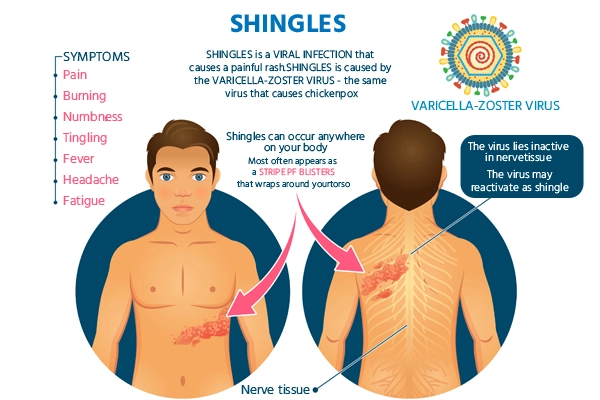
Herpes Overview
Herpes is a common viral infection that affects millions of people worldwide. It is caused by the herpes simplex virus (HSV), which can be divided into two types: HSV-1 and HSV-2. HSV-1 typically causes oral herpes, while HSV-2 is associated with genital herpes. Both types of herpes can be transmitted through various means, including sexual contact, oral secretions, and skin-to-skin contact.
Types of Herpes
As mentioned before, there are two main types of herpes: HSV-1 and HSV-2. HSV-1 is commonly referred to as oral herpes, as it primarily affects the mouth and lips. Cold sores, also known as fever blisters, are a common manifestation of HSV-1. On the other hand, HSV-2 is known as genital herpes, as it primarily affects the genitals and surrounding areas. Genital herpes can cause painful genital sores and blisters.

Causes of Herpes
Herpes is caused by the herpes simplex virus, which can be transmitted through various means. The most common modes of transmission include:
-
Sexual Contact: Herpes can be transmitted through vaginal, anal, or oral sex with an infected individual. It is important to note that the virus can be transmitted even if there are no visible sores or symptoms present.
-
Oral Secretions: Sharing utensils, straws, or other items that have come into contact with the mouth of an infected individual can also transmit the virus.
-
Skin-to-Skin Contact: Herpes can be spread through direct skin-to-skin contact with an infected individual, particularly during outbreaks when the virus is active.
Transmission of Herpes
The herpes virus is highly contagious and can be easily transmitted from person to person. It is important to practice safe sex and take precautions to minimize the risk of transmission. Using condoms or dental dams during sexual activity can help reduce the chances of contracting or spreading the virus. Avoiding contact with open sores or lesions is also crucial in preventing transmission.
Risk Factors for Herpes
Certain factors can increase the risk of contracting herpes. These include:
-
Multiple Sexual Partners: Engaging in sexual activity with multiple partners increases the risk of exposure to the virus.
-
Unprotected Sex: Not using condoms or dental dams during sexual activity can increase the likelihood of contracting herpes.
-
Weakened Immune System: People with weakened immune systems, such as those with HIV/AIDS or undergoing chemotherapy, are at a higher risk of developing complications from herpes.
Symptoms of Herpes
The symptoms of herpes can vary depending on the type of infection and the individual’s immune response. Some common symptoms include:
-
Oral Herpes (HSV-1): Cold sores or fever blisters on or around the mouth, swollen gums, sore throat, and fever.
-
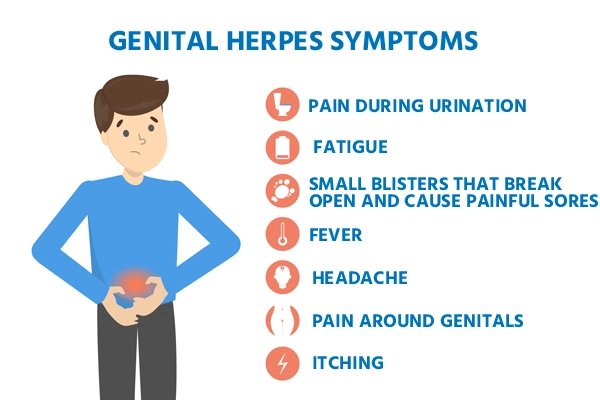
Genital Herpes (HSV-2): Painful, itchy blisters or sores on or around the genitals, buttocks, or thighs, flu-like symptoms, and swollen lymph nodes.

Complications of Herpes
Although herpes is generally a manageable condition, it can cause complications in some cases. These may include:
-
Recurrent Outbreaks: After the initial infection, the herpes virus remains dormant in the body and can reactivate periodically, leading to recurrent outbreaks. These outbreaks may vary in frequency and severity.
-
Spread to Other Areas: If proper hygiene is not maintained, the virus can spread to other areas of the body, such as the eyes or fingers, causing ocular herpes or herpetic whitlow, respectively.
-
Increased Susceptibility to Other Infections: Herpes can weaken the immune system, making individuals more susceptible to other infections and illnesses.
Diagnosis of Herpes
A healthcare professional can diagnose herpes through various methods, including:
-
Visual Examination: A physical examination of the affected area can often help in diagnosing herpes, especially during an outbreak.
-
Viral Testing: Sample collection from a sore or blister can be analyzed through a viral culture or polymerase chain reaction (PCR) test to confirm the presence of the herpes virus.

Preventive Measures for Herpes
While there is no cure for herpes, there are preventive measures that can help reduce the risk of transmission and minimize the frequency of outbreaks. These include:
-
Safe Sexual Practices: Using condoms or dental dams during sexual activity can significantly reduce the risk of contracting or spreading herpes.
-
Good Hygiene Habits: Maintaining good hygiene, such as regularly washing hands and avoiding contact with open sores or lesions, can help prevent the spread of the virus.
-
Antiviral Medications: Taking antiviral medications as prescribed by a healthcare professional can help manage outbreaks and reduce the risk of transmission.
Treatment Options for Herpes
Although there is no cure for herpes, there are treatment options available to manage the symptoms and reduce the frequency of outbreaks. These may include:
-
Antiviral Medications: Prescription antiviral medications, such as acyclovir, valacyclovir, and famciclovir, can help reduce the severity and duration of outbreaks. They may also be used as a suppressive therapy to decrease the frequency of outbreaks.
-
Pain Relief: Over-the-counter pain relievers, such as acetaminophen or ibuprofen, can help alleviate the discomfort associated with herpes outbreaks.
-
Topical Treatments: Creams or ointments containing antiviral medications, such as docosanol or penciclovir, can be applied to the affected area to help soothe symptoms.
In conclusion, understanding the causes, symptoms, and treatment options for herpes is essential in managing the condition effectively. By practicing safe sex, maintaining good hygiene, and following a healthcare professional’s advice, you can minimize the risk of transmission and lead a fulfilling life while managing herpes. Remember, you are not alone, and there are resources and support available to help you navigate through this common infection.