
Have you ever experienced the discomfort and embarrassment of a cold sore? If so, you’re not alone. Cold sores, also known as oral herpes, affect millions of people worldwide. But fear not, as there are effective treatment options available to help alleviate the symptoms and reduce the duration of these pesky sores. In this article, we will explore some of the most reliable treatment options for cold sores, allowing you to find relief and get back to your confident, cold sore-free self in no time. So, let’s dive into the world of effective treatment options for cold sores and bid farewell to these unwelcome visitors on your lips.
Overview of Cold Sores
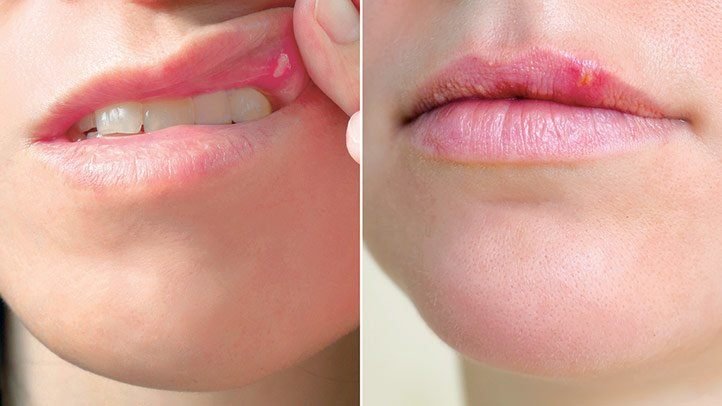
Cold sores, also known as herpes labialis, are small blisters that appear on or around the lips. They are caused by the herpes simplex virus type 1 (HSV-1) and are highly contagious. Cold sores often start with a tingling or itching sensation, followed by the development of fluid-filled blisters. These blisters eventually burst, leaving a crust that heals within a couple of weeks. Cold sores can be both unsightly and uncomfortable, but fortunately, there are various treatment options available to help manage them.
Causes of Cold Sores
As mentioned earlier, cold sores are caused by the herpes simplex virus type 1 (HSV-1). This virus is easily transmitted through direct contact with an infected individual or their bodily fluids, such as saliva. It can also be spread through indirect contact with items contaminated by the virus, such as utensils, towels, or lip balm. Once the virus enters the body, it remains dormant in nerve cells until triggered by certain factors, such as stress, illness, hormonal changes, or exposure to sunlight.
Preventive Measures for Cold Sores
While cold sores are difficult to completely prevent, there are several measures you can take to reduce the risk of outbreaks:
Maintaining good hand hygiene
Regularly washing your hands with soap and water can help prevent the spread of the herpes simplex virus. Avoid touching your face or lips with unwashed hands, as this can introduce the virus into your system.
Avoiding direct contact with affected individuals
Cold sores are highly contagious when the blisters are present. Refrain from kissing, sharing utensils or personal items, and engaging in intimate contact with someone who has an active cold sore outbreak.
Avoiding triggers
Identify and avoid factors that tend to trigger your cold sores. These may include stress, fatigue, exposure to sunlight without sunscreen, hormonal changes, or certain foods like chocolate or nuts. By minimizing exposure to triggers, you can reduce the frequency and severity of outbreaks.
Using sunscreen
Apply sunscreen with a high sun protection factor (SPF) on your lips when spending time in the sun. Sun exposure can often trigger cold sore outbreaks, so protecting your lips from harmful UV rays is essential.
Avoiding sharing personal items
Avoid sharing items that come into contact with your lips, such as lip balm, lipsticks, or towels. Sharing these items can easily spread the herpes simplex virus and increase the risk of developing cold sores.
Over-the-Counter (OTC) Treatments
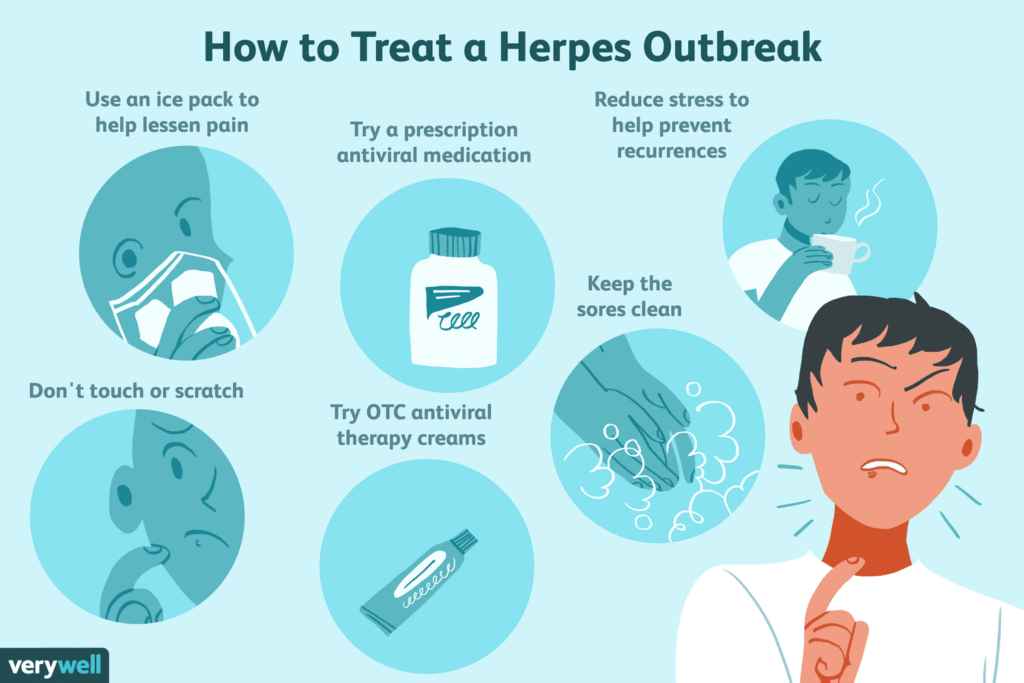
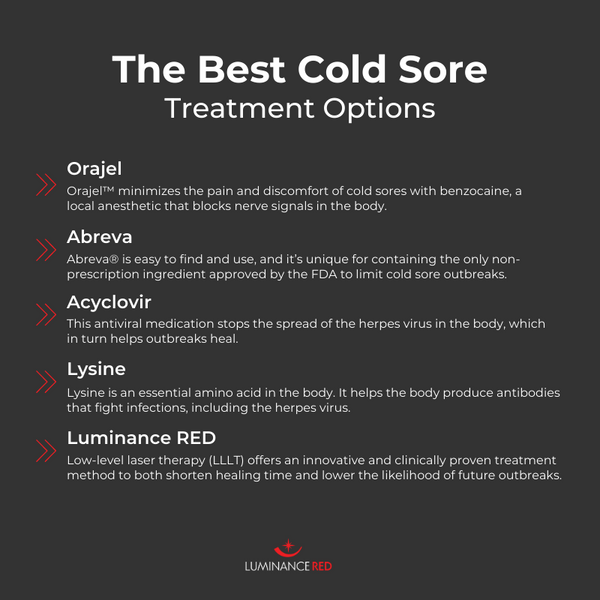
Over-the-counter treatments can provide relief and speed up the healing process for cold sores. These products are readily available at pharmacies or online and can be used at the first sign of a cold sore outbreak. Some common OTC treatments include creams or gels containing ingredients like docosanol, benzocaine, or lidocaine. These topical treatments can help reduce pain, itching, and discomfort associated with cold sores.

Antiviral Medications
Antiviral medications are often prescribed by healthcare professionals to both treat and prevent cold sores. These medications work by interfering with the replication of the herpes simplex virus, thereby reducing the duration and severity of outbreaks. There are two main forms of antiviral medications used for cold sores:
Topical antiviral creams
Topical creams containing antiviral agents, such as acyclovir or penciclovir, can be applied directly to the cold sore. These creams help reduce the duration and pain associated with cold sores when used at the first sign of an outbreak.
Oral antiviral medications
For more severe or frequent outbreaks, oral antiviral medications may be prescribed. These medications, including acyclovir, famciclovir, and valacyclovir, are taken orally and work by inhibiting viral replication. Oral antiviral medications are most effective when taken at the first sign of an outbreak or as a preventive measure in individuals prone to frequent cold sores.
Home Remedies
In addition to medical treatments, certain home remedies can help alleviate the symptoms of cold sores and promote faster healing. It is important to note that while these remedies may provide relief, they may not be as effective as antiviral medications or prescription treatments.
Applying aloe vera gel
Aloe vera gel has natural anti-inflammatory and wound healing properties, making it a popular home remedy for cold sores. Applying a thin layer of aloe vera gel to the affected area several times a day can help soothe the skin, reduce inflammation, and promote healing.
Using lemon balm
Lemon balm, also known as Melissa officinalis, has been used for centuries to treat various skin conditions, including cold sores. Studies have suggested that applying lemon balm cream or ointment to cold sores can help speed up the healing process and relieve symptoms.
Applying ice packs
Applying ice packs or cold compresses to the affected area can provide temporary relief from pain and itching associated with cold sores. The cold temperature helps numb the area and reduce inflammation, making the healing process more comfortable.
Using lysine ointments
Lysine is an essential amino acid that may help inhibit the replication of the herpes simplex virus. Lysine ointments can be applied directly to the cold sore to promote healing and reduce the intensity of symptoms.
Applying tea tree oil
Tea tree oil has natural antiviral and antibacterial properties, making it a popular remedy for various skin conditions. Applying diluted tea tree oil to the affected area can help reduce the severity and duration of cold sores.
Prescription Medications
In more severe cases, prescription medications may be necessary to manage cold sores. These medications are typically prescribed by a healthcare professional and are more potent than over-the-counter treatments. Some prescription medications commonly used for cold sores include:
Topical corticosteroids
Topical corticosteroids can be prescribed to reduce inflammation and promote healing of cold sores. These creams or ointments are typically used when there is significant swelling or discomfort.
Oral antiviral medications
Oral antiviral medications, such as valacyclovir or famciclovir, may be prescribed for severe or recurrent cold sore outbreaks. These medications can help reduce the duration and severity of outbreaks when taken as directed by a healthcare professional.
Antiviral creams combined with corticosteroids
In some cases, antiviral creams may be combined with corticosteroids to provide both antiviral and anti-inflammatory effects. This combination can help alleviate symptoms and speed up the healing process of cold sores.
Alternative Treatments
In addition to conventional treatments, some individuals may prefer alternative therapies to manage their cold sores. These alternative treatments may not have strong scientific evidence supporting their effectiveness, but anecdotal reports suggest they may be beneficial for some individuals. It is important to consult with a healthcare professional before trying alternative treatments for cold sores. Some alternative treatments include:
Laser therapy
Laser therapy involves the use of high-intensity laser beams to target and destroy the herpes simplex virus. This treatment is often used in combination with antiviral medications and can help reduce the duration and frequency of cold sore outbreaks.
L-lysine supplements
L-lysine supplements are commonly used as an alternative treatment for cold sores. Lysine is believed to interfere with the replication of the herpes simplex virus, potentially reducing the frequency and severity of outbreaks. However, scientific evidence is limited, and more research is needed to determine the effectiveness of lysine supplements for cold sores.
Propolis ointments
Propolis, a resin-like substance produced by bees, has been used in traditional medicine for its antiviral and anti-inflammatory properties. Applying propolis ointment to cold sores may help alleviate symptoms and promote healing.
Olive leaf extract
Olive leaf extract is rich in a compound called oleuropein, which has demonstrated antiviral properties. While research on olive leaf extract specifically for cold sores is limited, it may have potential in inhibiting the herpes simplex virus.

When to Seek Medical Attention
In most cases, cold sores can be effectively managed with over-the-counter treatments or home remedies. However, it is important to seek medical attention if:
- Cold sores do not improve within 2 weeks
- Cold sores are accompanied by severe pain or fever
- The infection spreads to the eyes or other parts of the body
- Cold sores occur frequently or significantly affect your quality of life
A healthcare professional can provide a proper diagnosis, recommend appropriate treatments, and ensure that there are no underlying medical conditions contributing to the recurrent cold sores.
Conclusion
Cold sores are a common viral infection caused by the herpes simplex virus type 1 (HSV-1). While they can be bothersome and unsightly, there are various treatment options available to manage cold sores effectively. Over-the-counter treatments, antiviral medications, home remedies, prescription medications, and alternative therapies all play a role in alleviating symptoms, reducing the duration of outbreaks, and promoting healing. By taking preventive measures, such as maintaining good hand hygiene and avoiding triggers, you can reduce the frequency and severity of cold sores. If cold sores persist or significantly impact your daily life, it is advisable to seek medical attention for proper diagnosis and treatment. With the right approach, cold sores can be effectively managed, allowing you to live comfortably and confidently.