
Imagine a blissful summer day, filled with bright sunshine and endless outdoor adventures. But in the midst of all the fun, the scorching heat can become unbearable, putting you at risk of a dangerous heatstroke. Don’t panic! This article has got you covered with essential tips and precautions to survive a heatstroke. With a few simple actions and a watchful eye, you can keep yourself and your loved ones safe during the sweltering summer months. So, let’s dive into this guide and arm yourself with the knowledge to enjoy the sun without the fear of succumbing to a heatstroke. It’s a word that sends shivers down your spine, just thinking about the extreme dangers it poses. But what exactly causes heatstroke? Why are some individuals more susceptible to it than others? And most importantly, how can you prevent heatstroke from happening to you or your loved ones? In this comprehensive article, we will explore the causes, signs, prevention methods, and even first aid for heatstroke. So sit back, relax, and let’s dive into the world of heatstroke.

Causes of Heatstroke
Exposure to High Temperatures
One of the primary causes of heatstroke is prolonged exposure to high temperatures. This could be due to being outside on a scorching hot day or spending time in an environment with inadequate ventilation or cooling. When your body is unable to regulate its temperature and cool down properly, heatstroke becomes a real risk.
Strenuous Physical Activity
Engaging in rigorous physical activities in hot weather can also trigger heatstroke. When you exert yourself for an extended period of time in high temperatures, your body may struggle to dissipate the excess heat, leading to a rapid increase in body temperature and ultimately heatstroke.
Dehydration
Dehydration is another significant factor contributing to heatstroke. When you become dehydrated, your body loses its ability to sweat efficiently, which is a crucial mechanism for cooling down. Without sweat, your body is unable to cool itself down, increasing the risk of heatstroke.
Signs and Symptoms of Heatstroke
High Body Temperature
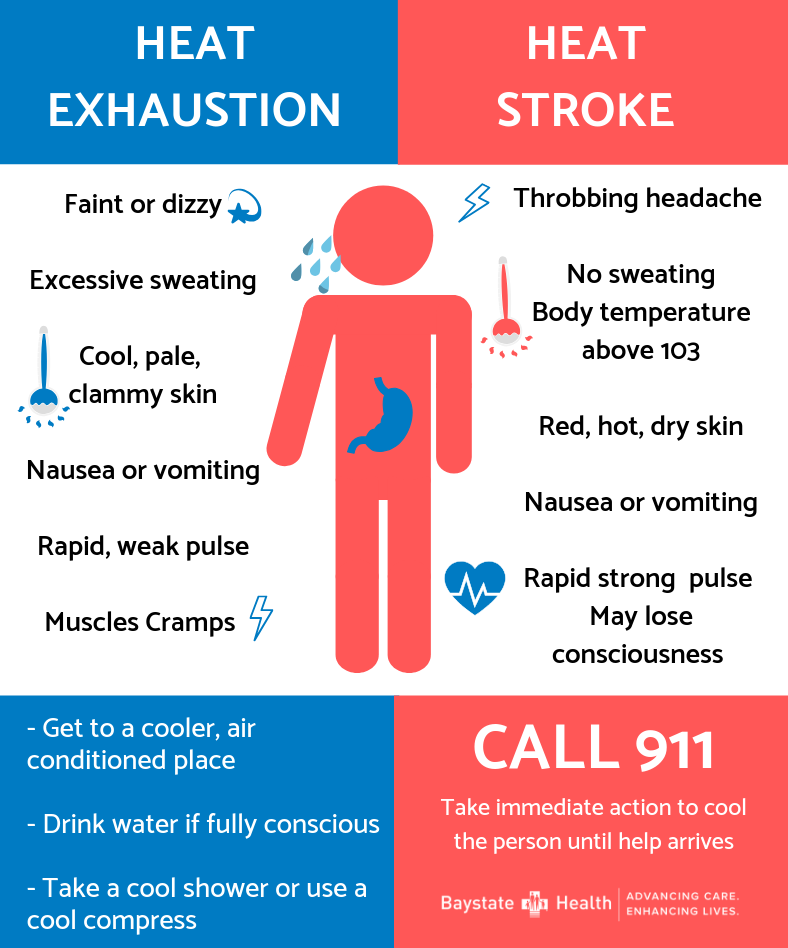
One of the most prominent signs of heatstroke is an abnormally high body temperature. You may experience a temperature above 104 degrees Fahrenheit (40 degrees Celsius), which is a clear indication that your body is struggling to regulate its internal temperature.
Headache and Dizziness
Heatstroke often presents itself with symptoms such as headache and dizziness. These can be caused by the extreme heat affecting blood vessels and disrupting circulation to the brain. If you ever notice these symptoms, especially after being exposed to heat, it’s essential to take immediate action.
Nausea and Vomiting
Feeling nauseous or vomiting can also be symptoms of heatstroke. As your body temperature rises, it can trigger the release of certain chemicals that affect your stomach, leading to feelings of queasiness and, in severe cases, vomiting.
Rapid Heartbeat
Heatstroke can cause your heart to race at an abnormally high rate. This is your body’s way of trying to cool down by increasing blood flow to the skin’s surface. However, an excessively rapid heartbeat can become dangerous, and it’s crucial to seek help if you notice this symptom.
Confusion and Disorientation
Heatstroke can affect your brain function, leading to confusion, disorientation, and even loss of consciousness. Your mental faculties can become impaired as your body struggles to cope with the extreme heat, making it vital to take immediate action if you or someone you know displays these signs.
Preventing Heatstroke
Stay Hydrated
One of the most crucial measures to prevent heatstroke is to stay hydrated. Drink plenty of fluids throughout the day, especially when exposed to hot temperatures or engaging in physical activities. Water, sports drinks, and electrolyte-rich beverages can help replenish lost fluids and maintain your body’s cooling mechanisms.
Avoid Prolonged Exposure to Heat
When the heat is scorching, it’s essential to limit your exposure to the sun and hot environments. Seek shade, stay indoors in air-conditioned spaces, or utilize cooling devices such as fans or air conditioning units. If you must be outside, try to schedule your activities during cooler parts of the day, like early morning or late evening.
Wear Appropriate Clothing
Choosing the right clothing can make a significant difference when it comes to preventing heatstroke. Opt for loose-fitting, lightweight, and breathable fabrics that allow air circulation and promote sweat evaporation. Light-colored clothing can also help reflect sunlight and keep you cooler.
Take Regular Breaks in Shaded Areas
If you find yourself in a situation where you must be outdoors for an extended period, such as during outdoor work or recreational activities, make sure to take regular breaks in shaded areas. Resting in cooler environments can give your body a chance to cool down and prevent the risk of heatstroke.
Understanding Heatstroke Risk Factors
Age
Age plays a significant role in determining an individual’s susceptibility to heatstroke. Infants and young children, as well as older adults, are particularly vulnerable due to their bodies’ reduced ability to regulate temperature. It’s crucial to take extra precautions and closely monitor these age groups during hot weather.
Certain Medical Conditions
Certain medical conditions can increase the risk of heatstroke. Chronic illnesses, such as heart disease, diabetes, and lung disease, can impair the body’s ability to handle extreme temperatures. Individuals with these conditions should take extra precautions and consult with their healthcare provider for personalized heatstroke prevention strategies.
Medications
Some medications can interfere with the body’s ability to regulate temperature or increase sensitivity to heat. Antidepressants, antipsychotics, diuretics, beta-blockers, and certain heart medications are among the drugs that may pose an increased risk of heatstroke. It’s essential to discuss any potential concerns with your healthcare provider and follow their recommendations.
Alcohol Consumption
Consuming alcohol can significantly increase the risk of heatstroke. Alcohol can impair your body’s ability to regulate temperature and cause dehydration. It’s crucial to limit alcohol intake, especially when exposed to hot environments or engaging in physical activities.

Heatstroke in Children
Extra Caution Needed
When it comes to children and heatstroke, extra caution is needed. Their bodies are less efficient at regulating temperature, and they often struggle to communicate their discomfort or symptoms. It’s essential for parents and caregivers to closely monitor children in hot weather and take preventive measures.
Signs and Symptoms in Children
Heatstroke symptoms in children can vary but may include lethargy, irritability, excessive thirst, dry mouth, cool and clammy skin, and flushed face. It’s crucial to pay attention to these signs and take immediate action if you suspect heatstroke.
Preventive Measures for Children
To prevent heatstroke in children, ensure they stay hydrated by offering them fluids regularly. Dress them in lightweight, breathable clothing, and provide shaded areas for outdoor activities. Avoid leaving children unattended in hot vehicles and be mindful of their comfort levels in hot environments.
Heatstroke in Elderly
Increased Vulnerability
The elderly population is particularly vulnerable to heatstroke due to age-related changes in the body’s thermoregulatory mechanisms. As we age, our bodies become less efficient at regulating temperature, increasing the risk of heat-related illnesses. It’s crucial to pay close attention to the elderly during hot weather and take proactive measures for prevention.
Recognizing Heatstroke in Elderly
The signs and symptoms of heatstroke in the elderly can include confusion, altered mental state, dizziness, decreased sweating, rapid pulse, and breathing difficulties. Caregivers and family members should be vigilant for these indications and seek medical help immediately if they occur.
Tips for Elderly Heatstroke Prevention
To prevent heatstroke in the elderly, ensure they have access to a cool environment, whether it’s an air-conditioned room or a well-ventilated space. Encourage regular hydration by offering fluids frequently and monitoring their intake. Provide assistance with dressing in light, loose-fitting clothing, and regularly check on their well-being during times of excessive heat.

First Aid for Heatstroke
Move to a Cooler Place
If someone is experiencing heatstroke, the first step is to move them to a cooler place away from direct sunlight. Seek shade or an air-conditioned environment to help lower their body temperature.
Remove Excess Clothing
To help cool the body down, remove any excess clothing that may be trapping heat. Loosen tight clothing and ensure maximum airflow around the person.
Cool the Body
There are several methods to cool the body and aid in the recovery from heatstroke. Applying cold water or ice packs to the neck, armpits, and groin can help lower body temperature. You can also use fans or wet towels to promote evaporative cooling.
Rehydrate
Encourage the person to drink cool, non-alcoholic beverages to rehydrate their body. You can offer small sips of water or electrolyte-rich drinks to help replenish lost fluids.
Seek Medical Assistance
Heatstroke is a medical emergency, and it’s crucial to seek professional medical assistance. Call for an ambulance or take the person to the nearest emergency room for immediate evaluation and treatment.
Treatment for Heatstroke
Hospitalization in Severe Cases
In severe cases of heatstroke, hospitalization may be necessary. Medical professionals will assess the individual’s condition and provide appropriate care to stabilize their body temperature and prevent further complications.
Monitoring Body Temperature and Vital Signs
During treatment, healthcare providers will closely monitor the individual’s body temperature, heart rate, blood pressure, and other vital signs. This allows them to gauge the effectiveness of treatments and adjust interventions as necessary.
Fluid Replacement
Fluid replacement is a critical aspect of heatstroke treatment. Intravenous fluids may be administered to restore hydration levels and prevent complications associated with dehydration.
Medication for Symptoms
In some cases, medication may be prescribed to alleviate symptoms or treat specific complications associated with heatstroke. This can include medications to reduce fever, control seizures, or manage other complications that arise.

Long-term Effects of Heatstroke
Organ Damage
Severe heatstroke can have long-lasting effects on the body, including organ damage. The high body temperature experienced during heatstroke can put stress on various organs, such as the heart, brain, kidneys, and liver, potentially leading to permanent damage or dysfunction.
Neurological Complications
Heatstroke can also result in neurological complications. These can range from minor cognitive impairments, memory difficulties, and headaches to more severe outcomes like seizures, coma, or even long-term brain damage.
Increased Risk of Future Heatstroke
Experiencing a heatstroke once can increase the risk of future heat-related illnesses. The body’s ability to regulate temperature may be compromised, making individuals more susceptible to heatstroke in the future. Taking preventive measures and avoiding excessive heat is crucial for those who have previously suffered from heatstroke.
Conclusion
Heatstroke is a potentially life-threatening condition that should never be taken lightly. By understanding the causes, recognizing the signs and symptoms, and taking proper preventive measures, you can significantly reduce your risk of heatstroke. Stay hydrated, avoid prolonged exposure to heat, dress appropriately, and take regular breaks in shaded areas. Remember that vulnerable populations, such as children and the elderly, require extra precautions. If heatstroke does occur, seek immediate medical assistance and provide appropriate first aid. By staying informed and proactive, you can stay cool, safe, and enjoy all that summer has to offer.