
Immunizations play a vital role in protecting you and your loved ones against various diseases, but unfortunately, there are still a few misconceptions floating around out there. In this article, we’ll debunk some of the most common misconceptions about immunizations, giving you the facts and empowering you to make informed decisions regarding your health. So, let’s set the record straight and put those misconceptions to rest for good!

Common Misconceptions about Immunizations
Immunizations play a crucial role in safeguarding our health and preventing the spread of infectious diseases. However, there are numerous misconceptions surrounding immunizations that can lead to confusion and misinformation. In this article, we will address and debunk common misconceptions about immunizations, providing you with accurate information and helping you make informed decisions about your health and the health of your loved ones.
Misconception: Immunizations cause autism
One of the most widespread misconceptions about immunizations is the belief that they can cause autism. However, it is essential to note that there is no scientific evidence supporting a link between vaccines and autism. The study that originally suggested this connection has been thoroughly discredited, and subsequent large-scale studies have consistently disproven any vaccine-autism association. The overwhelming consensus among medical professionals and scientific organizations is that vaccines are safe and do not cause autism.

Misconception: Natural immunity is better than vaccine-induced immunity
Another misconception is the belief that natural immunity, acquired through an infection, is superior to immunity obtained through vaccines. However, both natural and vaccine-induced immunity have their pros and cons. While natural immunity may provide some level of protection, it is not always effective or safe. On the other hand, vaccine-induced immunity can provide long-lasting protection and prevent severe complications from vaccine-preventable diseases. Additionally, vaccines can enhance your immune response, leading to a stronger defense against infectious agents.
Misconception: Vaccines contain harmful ingredients
There is a common misconception that vaccines contain harmful ingredients that can be detrimental to our health. It is crucial to understand that vaccine ingredients undergo rigorous testing for safety. Extensive research and quality control measures are in place to ensure that vaccines are safe and effective. Moreover, the quantities of any potential ingredients found in vaccines are incredibly small and unlikely to cause harm. The benefits of immunizations far outweigh any minimal risks associated with vaccine components.

Misconception: Vaccines overload the immune system
Some individuals worry that vaccines may overwhelm the immune system, leading to adverse health effects. However, it is important to recognize that the immune system is fully capable of handling the antigens present in vaccines. In fact, the immune response triggered by vaccines is similar to that of natural infections. By introducing harmless or weakened forms of the pathogen, vaccines enable the immune system to recognize and mount a defense against specific diseases. Far from overloading the immune system, vaccines actually strengthen its ability to fight off infections.
Misconception: Vaccines are not necessary for diseases that are under control
One commonly misconceived notion is that vaccines are unnecessary for diseases that are already under control. It is important to understand that without proper immunization, vaccine-preventable diseases can make a comeback. Even in countries with high vaccination rates, outbreaks can still occur, potentially leading to severe illness and even death. Vaccines play a critical role in maintaining herd immunity, which is essential for protecting vulnerable populations, such as individuals who are unable to receive vaccines due to medical reasons or infants who are too young to be immunized.
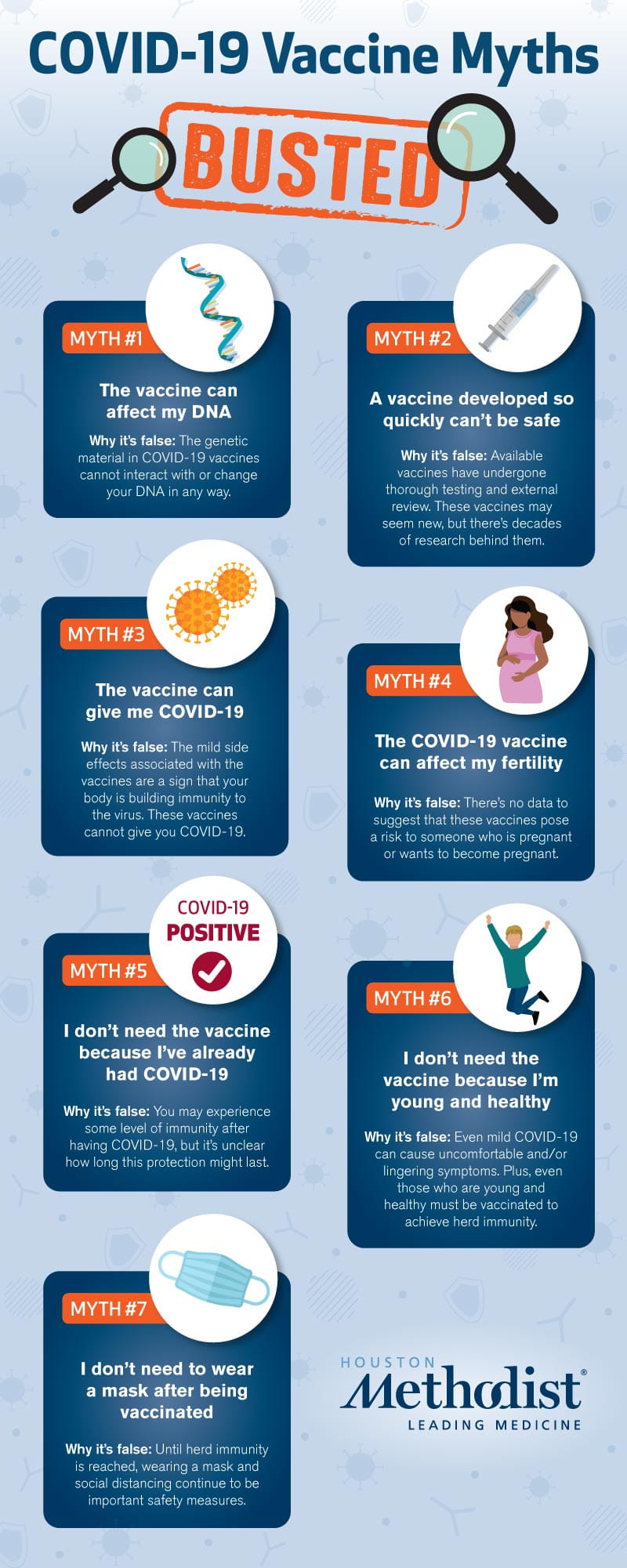
Misconception: Vaccine-preventable diseases are not serious
Some individuals downplay the severity of vaccine-preventable diseases, mistakenly believing that they are not serious. However, this misconception is far from the truth. Vaccine-preventable diseases can cause severe complications and, in some cases, be fatal. Even milder diseases can have serious consequences, including pneumonia, brain damage, deafness, and long-term disabilities. Thanks to vaccines, we have significantly reduced the burden and impact of these diseases, safeguarding individuals and communities from suffering their debilitating effects.
Misconception: Immunizations provide immediate protection
It is important to recognize that immunizations do not provide immediate protection against diseases. Building immunity takes time. While some vaccines may confer partial protection after the initial dose, multiple doses are often necessary to achieve optimal immunity. It is crucial to follow the recommended vaccine schedule and receive all required doses to ensure adequate protection. Additionally, even after vaccination, it is important to continue taking preventative measures, such as practicing good hygiene and following public health guidelines, until full immunity is established.

Misconception: Immunizations are only for children
Immunizations are not just for children. Vaccines are recommended for people of all ages, from infants to older adults. Vaccine-preventable diseases can affect individuals at any stage of life, and immunization is essential in protecting ourselves and those around us. Vaccinating adults is particularly important for safeguarding vulnerable populations, such as young children, elderly individuals, pregnant women, and individuals with weakened immune systems. By staying up-to-date with recommended immunizations, we can all contribute to the overall health and well-being of our communities.
Misconception: Vaccines do not work and are ineffective
Contrary to this misconception, vaccines have been proven to be highly effective in preventing infectious diseases. Extensive research, clinical trials, and post-licensure monitoring continually assess and confirm the efficacy of vaccines. The scientific community continuously updates and improves vaccines to ensure their effectiveness against evolving viral strains. Thanks to vaccination campaigns, many diseases that once posed significant threats to public health, such as smallpox and polio, have been successfully eliminated or significantly controlled. Vaccines are a cornerstone of public health and have played a crucial role in saving countless lives worldwide.
In conclusion, understanding the facts about immunizations is crucial in making informed decisions about our health and the health of our loved ones. By dispelling common misconceptions and relying on accurate information from trusted sources, we can ensure that vaccines continue to protect us from vaccine-preventable diseases. Vaccines are proven to be safe, effective, and necessary for maintaining public health. By staying up-to-date with immunizations, we can contribute to a healthier future for ourselves and our communities. Remember, getting vaccinated is a responsible and caring choice that benefits us all.