
Are you tired of constantly scratching and itching? Look no further – we’ve got you covered with our ultimate guide on managing itching! Whether it’s due to dry skin, allergies, or insect bites, this article will provide you with essential tips and tricks to help soothe and alleviate that persistent itch. From natural remedies to lifestyle changes, you’ll discover effective strategies to manage and reduce itching, so you can finally find relief and enjoy itch-free days ahead. Say goodbye to endless scratching and hello to a more comfortable and itch-free life!
Causes of Itching
Skin conditions
Itching can be caused by various skin conditions such as eczema, psoriasis, dermatitis, or hives. These conditions can result in inflammation and irritation of the skin, leading to constant itching. It is important to consult a dermatologist to determine the underlying cause and receive appropriate treatment for the specific skin condition.
Allergic reactions
Allergies to certain foods, medications, or substances can cause itching as a part of the immune system’s response. Common allergic reactions include hives, swelling, and itching all over the body. Identifying and avoiding allergens is crucial in managing itching caused by allergic reactions.
Dry skin
Dry skin is a common cause of itching. When the skin lacks moisture, it becomes flaky and itchy. This is often more prominent during the colder months or in dry climates. Moisturizing the skin regularly with a gentle and hydrating lotion or cream can help alleviate the itching associated with dry skin.
Insect bites
Insect bites, such as those from mosquitoes, can cause itching due to the body’s reaction to the insect’s saliva. The itchiness is typically localized to the site of the bite, but some individuals may experience a more widespread reaction. Applying an anti-itch cream or taking an antihistamine can provide relief from itching caused by insect bites.
Medication side effects
Certain medications can have itching as a side effect. This can occur with antibiotics, pain medications, and even prescription-strength creams. If you experience itching after starting a new medication, it is important to consult your healthcare provider to discuss alternative options or additional treatments to relieve the itching.
Preventing Itching
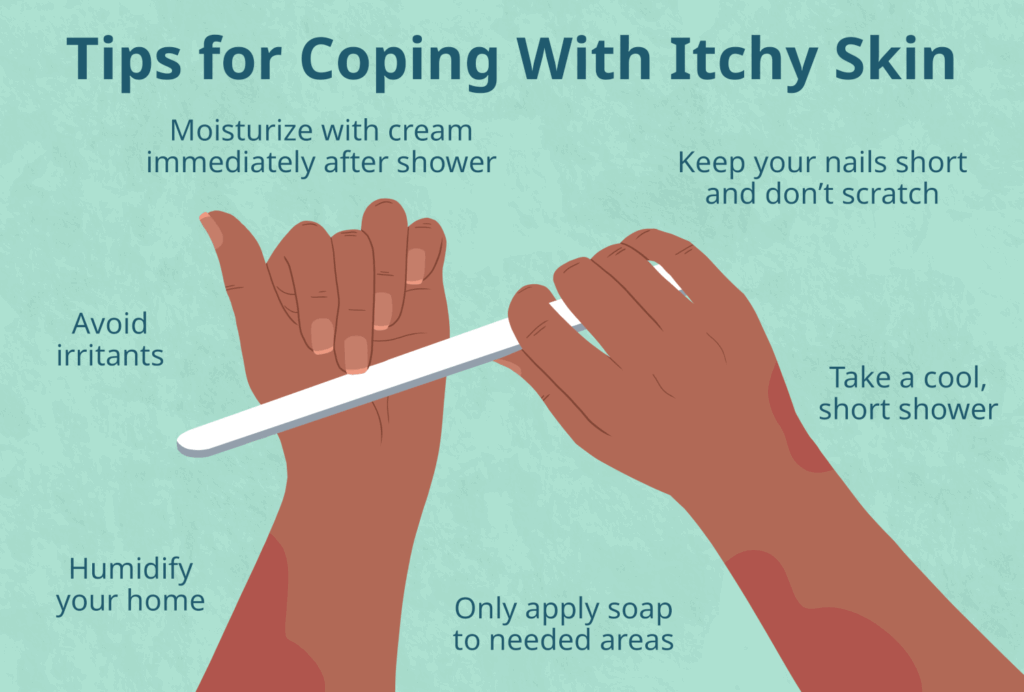
Keep skin moisturized
One of the simplest and most effective ways to prevent itching is to keep your skin well moisturized. Apply a gentle and hydrating lotion or cream regularly, especially after bathing or showering. Opt for products that are free from fragrances and other potential irritants.
Avoid triggers
If you know that certain substances or environmental factors trigger your itching, do your best to avoid them. This may include avoiding specific fabrics, chemicals, or allergens. Identifying and eliminating triggers can help prevent itching from occurring in the first place.
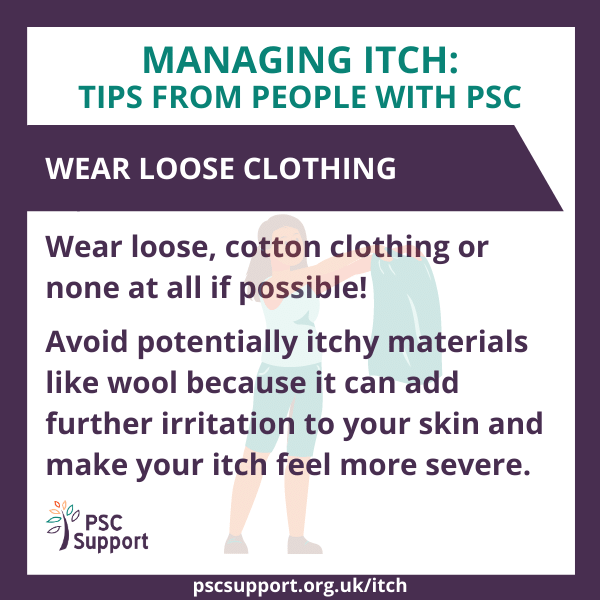
Wear loose and breathable clothing
Tight-fitting clothing can rub against the skin and cause irritation, leading to itching. Opt for loose-fitting clothes made of breathable fabrics, such as cotton. This allows for better air circulation and reduces the likelihood of sweat or friction-induced itching.
Use a humidifier
Dry air can exacerbate itching, especially during the winter months when indoor heating systems are in use. Using a humidifier can add moisture back into the air, preventing your skin from drying out. Place the humidifier in the rooms you spend the most time in, such as your bedroom or living room.
Keep nails short
When you have an itch, scratching can provide temporary relief. However, excessive scratching can further irritate the skin and potentially lead to infection. By keeping your nails short, you can minimize the damage caused by scratching and reduce the risk of complications.
Home Remedies for Itching
Cold compress
A cold compress can help alleviate itching by numbing the area and reducing inflammation. Simply soak a clean cloth in cold water or wrap an ice pack in a towel, then apply it to the itchy area for 10-15 minutes. Repeat as necessary for relief.
Oatmeal bath
Taking an oatmeal bath can soothe itchy and inflamed skin. Fill a bathtub with lukewarm water and add colloidal oatmeal or finely ground oats. Soak in the bath for 15-20 minutes, gently pat yourself dry, and moisturize your skin afterward.
Aloe vera gel
Aloe vera gel has natural anti-inflammatory and soothing properties, making it an excellent remedy for itching. Apply pure aloe vera gel directly to the itchy area and leave it to dry. Reapply as needed for relief.
Menthol or camphor cream
Topical creams containing menthol or camphor can provide a cooling sensation that helps alleviate itching. Apply a small amount of the cream to the affected area and gently massage it in for quick relief.
Coconut oil
Coconut oil is a natural moisturizer that can relieve itching and also help heal the skin. Apply a thin layer of coconut oil to the itchy area and massage it gently. Repeat several times a day or as needed to keep the skin moisturized and itch-free.
Over-the-Counter Treatments
Antihistamines
Antihistamines are commonly used to relieve symptoms of allergies, including itching. They work by blocking the chemical histamine, which is released during an allergic reaction. Over-the-counter antihistamines can provide temporary relief from itching, but it is important to follow the recommended dosage and consult a healthcare professional if symptoms persist.
Topical corticosteroids
Topical corticosteroids are available in creams or ointments and can effectively reduce itching, inflammation, and redness. These products should only be used as directed, and prolonged use should be avoided. It is important to consult a healthcare professional before using topical corticosteroids, as they may have side effects and can interact with other medications.
Calamine lotion
Calamine lotion is a popular over-the-counter remedy for itching caused by insect bites, poison ivy, or chickenpox. It contains a mixture of zinc oxide and iron oxide, which help to soothe and calm irritated skin. Apply calamine lotion to the itchy area and allow it to dry. Reapply as needed for relief.
Hydrocortisone cream
Hydrocortisone cream is a mild topical corticosteroid that can be used to treat itching caused by various skin conditions, including eczema and dermatitis. Apply a thin layer of hydrocortisone cream to the affected area and gently rub it in. Use it as directed or as recommended by a healthcare professional.
Antifungal creams
If your itching is caused by a fungal infection, such as athlete’s foot or jock itch, over-the-counter antifungal creams can provide relief. These creams usually contain active ingredients such as clotrimazole or miconazole, which help kill the fungus and reduce itching and inflammation. Apply the cream as directed on the packaging and continue using it for the recommended duration.
Prescription Medications
Oral antihistamines
For severe or persistent itching, a healthcare professional may prescribe oral antihistamines that provide stronger and longer-lasting relief. These medications can help reduce itching caused by allergies or chronic skin conditions. It is important to follow the prescribed dosage and consult with a healthcare professional to ensure the medication is appropriate for your specific condition.
Immunosuppressant creams
In cases where itching is caused by an autoimmune disorder, such as psoriasis or lichen planus, a healthcare professional may prescribe immunosuppressant creams. These creams work by suppressing the immune system’s response, thereby reducing inflammation and itching. However, these medications should be used under the guidance and supervision of a healthcare professional, as they may have potential side effects.
Prescription-strength corticosteroids
For severe itching associated with certain skin conditions, prescription-strength corticosteroid creams or ointments may be recommended. These medications help reduce inflammation and itching by suppressing the immune system’s response. It is important to follow the prescribed dosage and apply the medication only to the affected area as directed by a healthcare professional.
Antidepressants
Antidepressant medications that affect certain nerve receptors can help alleviate itching in some cases. They work by modifying neurotransmitter activity in the brain, which can disrupt the signals involved in itching. These medications are prescribed by healthcare professionals and should be used under their supervision.
Anticonvulsant medications
In some cases, anticonvulsant medications may be prescribed to manage itching associated with nerve-related conditions, such as postherpetic neuralgia or neuropathic itching. These medications help reduce nerve signals that cause itching and can provide relief for individuals experiencing chronic or severe itching. As always, consult with a healthcare professional before starting or stopping any medication.
Managing Itching during Pregnancy
Avoid hot showers
Hot water can strip the skin of its natural oils, leading to dryness and itching. During pregnancy, it is important to avoid hot showers or baths and opt for lukewarm water instead. Lukewarm water helps retain moisture in the skin, preventing dryness and reducing the risk of itching.
Wear loose clothing
During pregnancy, the body undergoes numerous changes, including weight gain and fluctuations in body temperature. Wearing loose-fitting clothing made of breathable fabrics, such as cotton, can help minimize friction and keep the skin comfortable. This can reduce the likelihood of itching caused by sweat, heat, or irritation.
Use fragrance-free products
Fragrances in skincare products can sometimes trigger itching or irritate sensitive skin. During pregnancy, it is advisable to use fragrance-free products, including soaps, lotions, and detergents. Choosing hypoallergenic options can help minimize the risk of itching or allergic reactions.
Apply moisturizer regularly
Keeping the skin moisturized is essential during pregnancy to prevent dryness and itching. Apply a gentle and hydrating lotion or cream all over your body, paying extra attention to areas prone to dryness, such as the abdomen, breasts, and legs. Moisturizing regularly can help maintain skin elasticity and reduce the itchiness associated with stretching skin.
Take lukewarm baths
Taking lukewarm baths can help soothe itching during pregnancy. Adding a colloidal oatmeal product to the bathwater can provide additional relief. Soak for 15-20 minutes, gently pat yourself dry, and apply a moisturizer afterward to lock in moisture and protect against itching and dryness.

Itching in Children
Identify the cause
Itching in children can be caused by various factors, including allergies, insect bites, dry skin, or certain skin conditions. Identifying the cause is the first step in managing itching in children effectively. If the cause is unknown or persistent, it is important to consult a pediatrician for a proper diagnosis and treatment plan.
Apply moisturizer
Keeping your child’s skin moisturized is key in alleviating itching. Apply a gentle and fragrance-free moisturizing lotion or cream to your child’s skin after bathing and as needed throughout the day. Keeping the skin hydrated helps prevent dryness and reduces the itchiness associated with it.
Avoid harsh soaps
Some soaps and body washes can strip the skin of its natural oils and cause dryness and itching. Choose gentle and hypoallergenic soaps specifically formulated for children. Opt for products that are free from fragrance, dyes, and other potential irritants.
Keep nails short
Children may unknowingly scratch their skin if they experience itching. Keeping their nails short can help minimize the risk of scratching and further irritating the skin. Regularly trim their nails and ensure they are smooth to reduce the potential for skin damage.
Consult a pediatrician
If your child’s itching persists or worsens despite home remedies and preventive measures, it is important to consult a pediatrician. They can assess your child’s condition, determine the underlying cause of the itching, and provide appropriate medical treatment or further recommendations.
When to See a Doctor
Persistent itching
If you have tried over-the-counter remedies and home remedies, but the itching persists for an extended period, it is advisable to see a healthcare professional. They can evaluate your condition, identify any underlying causes, and provide further guidance or treatment options.
Severe itching
If the itching is severe and accompanied by intense discomfort, pain, or swelling, it is important to seek medical attention. Severe itching may be a sign of a more serious underlying condition that requires prompt assessment and treatment.
Accompanied by other symptoms
If the itching is accompanied by other symptoms such as rashes, fever, difficulty breathing, or swelling of the face, lips, or throat, it may be indicative of an allergic reaction or another severe medical condition. Seek immediate medical attention in such cases.
Disruption of daily life
If itching significantly interferes with your daily life, prevents you from sleeping, or causes distress, it is recommended to seek medical advice. A healthcare professional can assess your condition and provide appropriate treatment options to improve your quality of life.
Worsening condition
If your itching worsens despite following preventive measures and using over-the-counter treatments, it is important to consult a healthcare professional. They can evaluate your condition and help determine the underlying cause, ensuring you receive the appropriate treatment.

Tips for Night-time Itch Relief
Cool down the bedroom
Keeping the bedroom cool and well-ventilated can help prevent sweating and itching during the night. Use a fan or air conditioning to maintain a comfortable temperature. Opt for breathable cotton bedsheets and sleepwear to allow for better air circulation and reduce irritation.
Use cotton bedsheets
Cotton bedsheets are gentle on the skin and allow for better airflow, reducing the chances of perspiration and irritation that can lead to itching. Avoid synthetic materials as they may trap heat and moisture, exacerbating itching.
Apply a thick moisturizer before bed
Applying a thick moisturizer or emollient before bed can help lock in moisture and provide long-lasting relief from itching. Look for lotions or creams specifically formulated for night-time use, as they tend to be more emollient and nourishing for the skin.
Try an anti-itch cream
Using an anti-itch cream specifically designed for night-time use can help alleviate itching and provide relief throughout the night. These creams often contain ingredients such as menthol or camphor, which provide a cooling sensation and soothe the skin.
Take an antihistamine
If itching is affecting your ability to sleep or causing significant discomfort, it may be necessary to take an over-the-counter antihistamine before bed. Antihistamines can help reduce itching and promote a more restful sleep. However, always follow the recommended dosage and consult with a healthcare professional if needed.
Conclusion
Itching can be caused by various factors, including skin conditions, allergic reactions, dry skin, insect bites, and medication side effects. Preventing itching can be achieved by keeping the skin moisturized, avoiding triggers, wearing loose clothing, using a humidifier, and keeping nails short. Home remedies such as cold compresses, oatmeal baths, aloe vera gel, menthol or camphor creams, and coconut oil can provide relief from itching. Over-the-counter treatments like antihistamines, topical corticosteroids, calamine lotion, hydrocortisone cream, and antifungal creams can also help alleviate itching. In certain cases, prescription medications such as oral antihistamines, immunosuppressant creams, prescription-strength corticosteroids, antidepressants, or anticonvulsant medications may be required. Managing itching during pregnancy and in children involves specific considerations, such as avoiding hot showers, wearing loose clothing, using fragrance-free products, and regular moisturization. It is important to seek medical attention when the itching persists, becomes severe, is accompanied by other symptoms, disrupts daily life, or worsens. Implementing tips for night-time itch relief, including maintaining a cool bedroom, using cotton bedsheets, applying a thick moisturizer, trying anti-itch creams, or taking antihistamines, can help promote better sleep and alleviate itching. By following these strategies and seeking appropriate medical attention when needed, you can effectively manage and find relief from itching.