
If you’ve ever heard the term “kidney cysts” but aren’t quite sure what they are and how they can affect your health, then this article is for you. In this brief overview, we will explore the topic of kidney cysts and provide you with a better understanding of what they are, their causes, and potential treatments. So, grab a cup of tea, sit back, and let’s dive into the fascinating world of kidney cysts together!
What are Kidney Cysts?
Definition
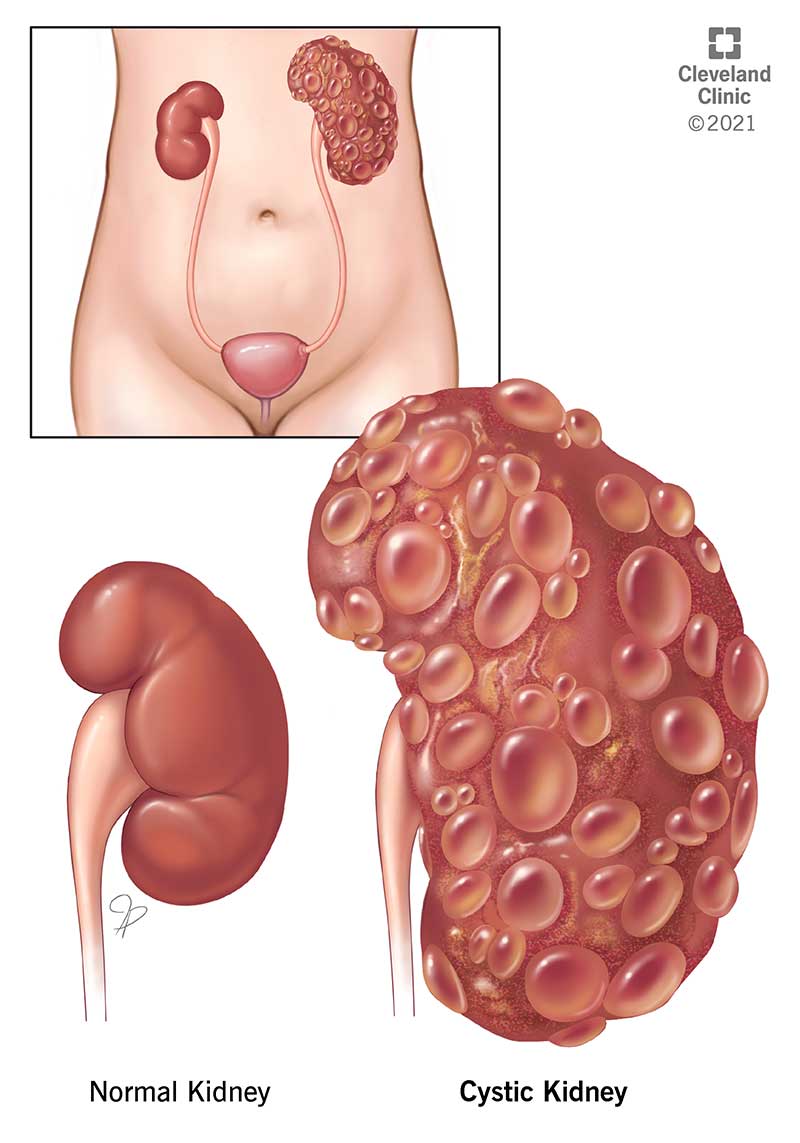
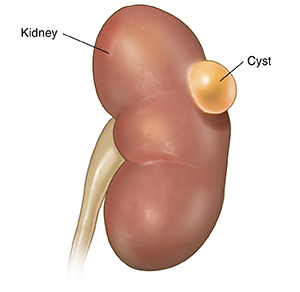
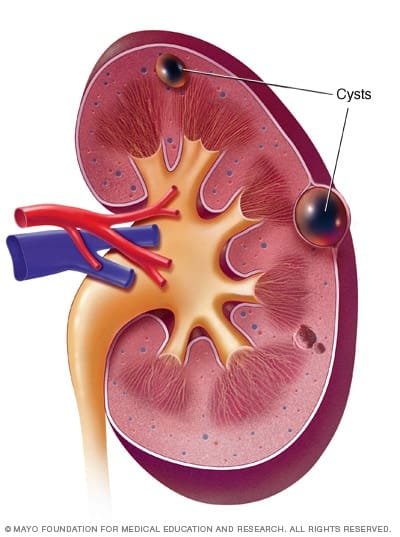
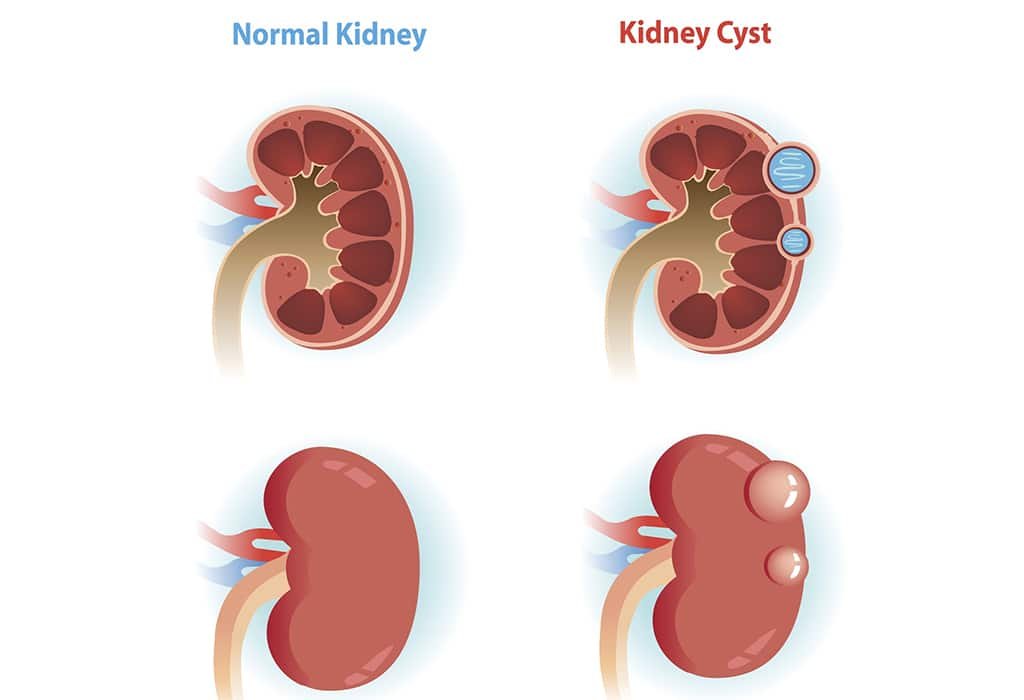
Kidney cysts are fluid-filled sacs that form on the kidneys. These cysts can vary in size and may be filled with clear or cloudy fluid. They can develop in one or both kidneys, and their presence may not always cause symptoms or complications. While most kidney cysts are benign and do not require treatment, some cysts can be symptomatic and lead to complications if left untreated.
Causes
The exact cause of kidney cysts is not always known. However, certain factors may increase the risk of developing cysts on the kidneys. These factors include age, family history of kidney cysts, and conditions such as polycystic kidney disease (PKD). In some cases, kidney cysts may be acquired as a result of injury or infection. It’s important to note that most kidney cysts are not inherited and develop sporadically.
Types
There are two primary types of kidney cysts:
- Simple kidney cysts: These cysts are typically filled with clear fluid and have thin walls. They are usually non-cancerous and tend to be benign.
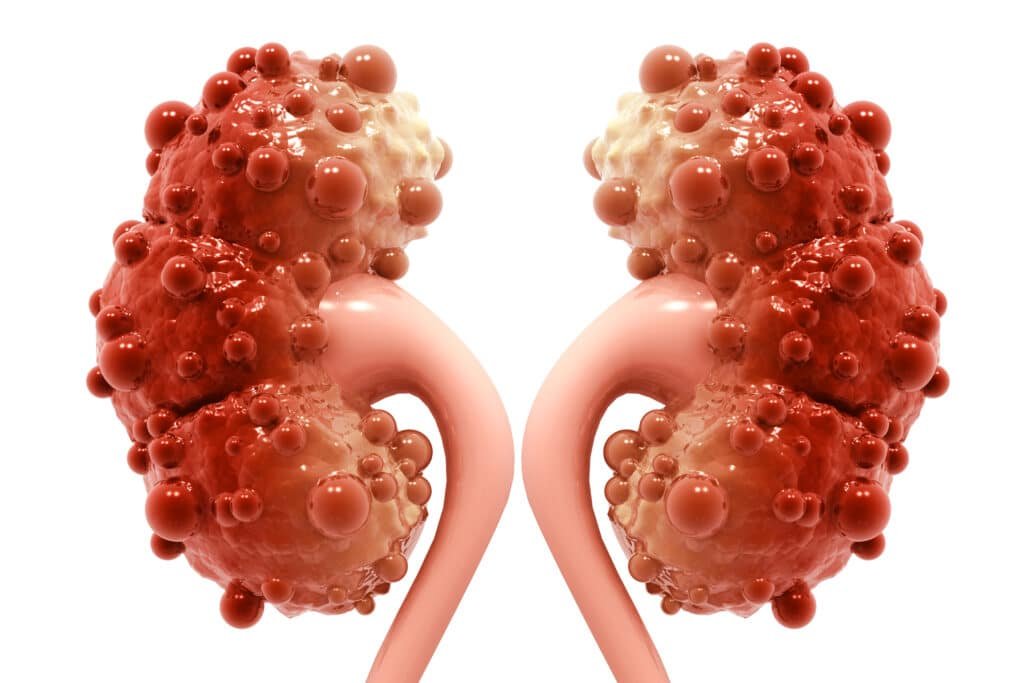
- Polycystic kidney disease: This is a genetic condition that causes multiple cysts to develop in the kidneys. These cysts can vary in size and can disrupt the normal function of the kidneys over time.
Symptoms of Kidney Cysts
Pain and Discomfort
One common symptom of kidney cysts is pain and discomfort in the lower back or side. This pain can range from mild to severe and may be persistent or intermittent. The pain is often described as a dull ache and can be exacerbated by physical activity or certain positions.
Blood in Urine
Another symptom to be aware of is the presence of blood in the urine (hematuria). This may occur when a kidney cyst ruptures or bleeds. Blood in the urine can be visible to the naked eye or detected through laboratory tests.
Frequent Urination
Kidney cysts can also lead to changes in urinary habits, such as increased frequency of urination. This can be attributed to the pressure that the cysts place on the surrounding kidney tissue, causing it to be less efficient in its normal function of filtering and concentrating urine.
Diagnosis of Kidney Cysts
Physical Examination
During a physical examination, your healthcare provider may gently press on your abdomen to check for any noticeable abnormalities or tenderness. They may also listen to your abdomen using a stethoscope to detect any abnormal sounds.
Imaging Tests
Imaging tests are commonly used to diagnose kidney cysts. These can include ultrasound, computed tomography (CT) scan, or magnetic resonance imaging (MRI). These imaging techniques provide detailed images of the kidneys, allowing healthcare professionals to identify the size, number, and location of cysts.
Laboratory Tests
Laboratory tests, such as urinalysis and blood tests, can help evaluate kidney function and identify any abnormalities in the urine or blood that may be associated with kidney cysts. These tests can also help rule out other potential causes of symptoms.
Complications of Kidney Cysts
Kidney Infection
One potential complication of kidney cysts is the development of a kidney infection, also known as pyelonephritis. When cysts become infected, they can cause symptoms such as fever, pain, and discomfort. Prompt medical attention is necessary to treat the infection and prevent further complications.
Kidney Stones
Kidney cysts can also increase the risk of developing kidney stones. The presence of cysts can disrupt the normal flow of urine and create stagnant pockets where minerals and salts can accumulate, leading to the formation of kidney stones. These stones can cause intense pain and may require medical intervention for removal.
Kidney Failure
In rare cases, kidney cysts can lead to kidney failure. This occurs when the cysts become large enough to cause significant damage to the surrounding kidney tissue, impairing its ability to function properly. Kidney failure may require dialysis or a kidney transplant as a treatment option.
Treatment Options for Kidney Cysts
Monitoring
If kidney cysts are small, do not cause symptoms, and are confirmed to be benign, they may simply be monitored over time through regular check-ups and imaging tests. This approach is often taken when cysts are not impacting kidney function and are not associated with any significant complications.
Medications
In some cases, medications may be prescribed to help manage symptoms, such as pain or high blood pressure. Pain medications can help alleviate discomfort, while medications to control blood pressure can help prevent further damage to the kidneys.
Drainage Procedures
If cysts become large and cause significant pain or complications, drainage procedures may be necessary. These procedures involve using a needle or catheter to drain the fluid from the cyst, providing relief from symptoms. However, it is important to note that drainage procedures are temporary solutions, as cysts may refill over time.
Prevention of Kidney Cysts
Maintaining a Healthy Lifestyle
While kidney cysts cannot always be prevented, maintaining a healthy lifestyle can help reduce the risk of developing complications. This includes adopting a balanced diet, engaging in regular physical activity, and avoiding tobacco and excessive alcohol consumption. These lifestyle choices promote overall kidney health and can potentially reduce the risk of complications associated with kidney cysts.
Managing High Blood Pressure
Managing high blood pressure is crucial for preventing the progression of kidney cysts and reducing the risk of kidney damage. Regular monitoring of blood pressure, following a low-sodium diet, and taking prescribed medications as directed by a healthcare provider can help control blood pressure levels.
Dietary Recommendations for Kidney Cysts
Low-Sodium Diet
Following a low-sodium diet can help manage fluid balance in the body and reduce the strain on the kidneys. Limiting the intake of processed foods, canned soups, and salty snacks can help lower sodium levels in the diet.
Low-Protein Diet
Restricting protein intake may be recommended for individuals with kidney cysts, especially if there are signs of compromised kidney function. Limiting the consumption of foods high in protein, such as red meat and dairy products, can help reduce the workload on the kidneys.
Fluid Restriction
In some cases, healthcare providers may recommend limiting fluid intake to lessen the pressure on the kidneys caused by kidney cysts. This recommendation is typically individualized based on the severity of the condition and should be discussed with a healthcare professional.
Living with Kidney Cysts
Managing Pain
For individuals experiencing pain and discomfort associated with kidney cysts, various strategies can help manage symptoms. Applying heat or cold packs to the affected area, practicing relaxation techniques, and taking prescribed pain medications as directed can provide relief.
Regular Check-ups
Regular check-ups with a healthcare provider are essential for monitoring the progression of kidney cysts and detecting any potential complications early on. These check-ups typically involve imaging tests, blood pressure monitoring, and laboratory tests to evaluate kidney function.
Emotional Support
Living with kidney cysts can sometimes be emotionally challenging. Seeking emotional support from loved ones, joining support groups, or seeking professional counseling can be beneficial in coping with any emotional stress or anxiety related to kidney cysts.
Alternative Remedies for Kidney Cysts
Herbal Supplements
Some individuals may turn to herbal supplements as a complementary approach to managing kidney cysts. However, it is important to exercise caution and consult with a healthcare provider before using any herbal supplements, as their safety and efficacy can vary.
Acupuncture
Acupuncture, a traditional Chinese medicine practice, involves the insertion of thin needles into specific points on the body to promote healing and alleviate symptoms. While acupuncture may be a helpful adjunctive therapy for some individuals, further research is needed to determine its specific effects on kidney cysts.
Relaxation Techniques
Practicing relaxation techniques, such as deep breathing exercises, meditation, or yoga, can help reduce stress levels and promote overall well-being. While relaxation techniques may not directly treat kidney cysts, they can contribute to a better quality of life for individuals living with this condition.
Research and Future Developments on Kidney Cysts
Advancements in Imaging Technology
Ongoing research is focused on advancing imaging technology to improve the detection and characterization of kidney cysts. This includes the development of new imaging techniques and tools that provide more detailed and accurate information about the size, location, and composition of cysts.
Targeted Therapies
Researchers are also exploring targeted therapies that aim to inhibit the growth and progression of kidney cysts. By understanding the underlying mechanisms of cyst formation and expansion, scientists are developing potential medications or treatments that can specifically target these mechanisms.
Gene Therapy
In the field of genetics and molecular biology, gene therapy holds promise for the treatment of genetic forms of kidney cysts, such as polycystic kidney disease. Gene therapy involves introducing specific genes or gene-editing techniques to correct genetic abnormalities and potentially halt the growth of cysts.
In conclusion, kidney cysts are fluid-filled sacs that can develop on the kidneys. They can vary in size and may or may not cause symptoms. While most kidney cysts are benign and do not require treatment, some cysts can lead to complications. It is important to monitor kidney cysts through regular check-ups and imaging tests, and to manage any symptoms or complications that arise. By maintaining a healthy lifestyle, managing high blood pressure, and following dietary recommendations, individuals with kidney cysts can promote kidney health and potentially reduce the risk of complications. Various treatment options, alternative remedies, and ongoing research advancements offer hope for better management and potential advancements in the future. If you suspect that you may have kidney cysts or are experiencing symptoms, it is important to consult with a healthcare provider for proper diagnosis and guidance.