
Have you ever wondered about the causes of kidney cysts? In this article, we will explore the various factors that can contribute to the formation of these fluid-filled sacs in the kidneys. From genetic predispositions to lifestyle choices, understanding the causes of kidney cysts can help in early detection and effective management. So let’s dive into the fascinating world of kidney cysts and uncover the underlying reasons behind their development.
Overview of Kidney Cysts
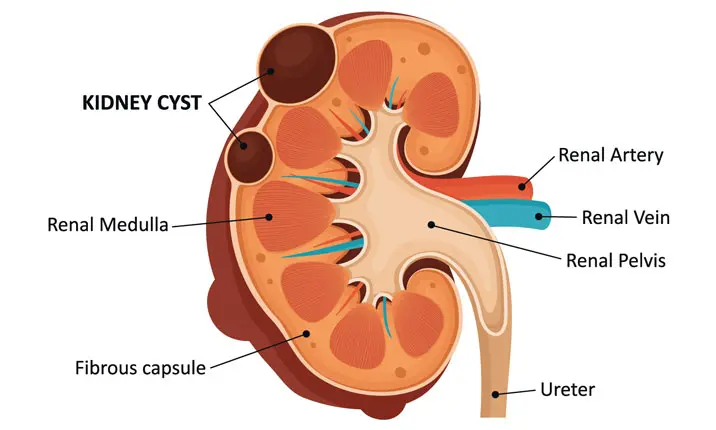
Kidney cysts are fluid-filled sacs that form on or within the kidneys. These cysts can vary in size and number, and they can be present at birth or develop later in life. While some kidney cysts are harmless and do not cause any symptoms or complications, others can lead to serious health problems. Understanding the different types, causes, symptoms, and treatments for kidney cysts is essential for proper diagnosis and management.
Types of Kidney Cysts
There are two main types of kidney cysts: simple kidney cysts and polycystic kidney disease (PKD).
Simple Kidney Cysts
Simple kidney cysts are the most common type of kidney cyst. These cysts are usually noncancerous and do not cause any symptoms or complications. They are typically round or oval in shape and filled with a clear, watery fluid. Simple kidney cysts can occur at any age but are more common in older individuals.
Polycystic Kidney Disease (PKD)
Polycystic kidney disease (PKD) is a genetic disorder characterized by the growth of numerous cysts in the kidneys. This condition can cause the kidneys to become enlarged and can lead to various complications, including kidney failure. PKD can be further divided into two subtypes: autosomal dominant PKD (ADPKD) and autosomal recessive PKD (ARPKD).

Causes of Simple Kidney Cysts
The exact cause of simple kidney cysts is unknown. However, several factors may contribute to their development.
Age
As mentioned earlier, simple kidney cysts are more common in older individuals. This suggests that age may play a role in their formation. The gradual weakening and degeneration of the kidney tissues over time may create spaces that fill up with fluid, forming cysts.
Genetics
While simple kidney cysts are not typically inherited, there might be a genetic component to their development. Research suggests that certain genetic mutations or variations may make an individual more susceptible to developing kidney cysts.
Obstruction of Urine Flow
Obstruction of urine flow, such as urinary tract blockage or kidney stones, may contribute to the development of kidney cysts. When urine cannot properly drain from the kidneys, it can accumulate and lead to the formation of cysts.
Infection
In rare cases, kidney infections can result in the formation of kidney cysts. The infection can damage the kidney tissues, causing cysts to develop as part of the healing process.
Trauma
Physical trauma to the kidneys, such as injuries or accidents, may also contribute to the formation of kidney cysts. The impact or injury can disrupt the normal structure of the kidney tissues and trigger cyst formation.
Causes of Polycystic Kidney Disease (PKD)
Polycystic kidney disease (PKD) is primarily caused by genetic mutations. There are two main genetic factors that contribute to the development of PKD: genetic mutation and inheritance.
Genetic Mutation
In the case of ADPKD, a mutation in either the PKD1 or PKD2 gene is responsible for the development of cysts. These mutated genes affect the normal regulation of kidney cell growth, leading to the formation of multiple cysts.
Inheritance
ADPKD is inherited in an autosomal dominant manner, which means that if one parent has the mutated gene, each child has a 50% chance of inheriting the condition. In contrast, ARPKD is inherited in an autosomal recessive manner, requiring both parents to be carriers of the mutated gene for a child to be affected.
Hormonal Imbalance
Hormonal imbalance, specifically an increase in the hormone vasopressin, may contribute to the growth and development of kidney cysts in PKD. Vasopressin regulates water balance in the body and can promote cyst formation when its levels are elevated.

Risk Factors for Developing Kidney Cysts
While the exact cause of kidney cysts is often unknown, certain factors can increase the risk of developing them.
Advancing Age
As mentioned earlier, the incidence of kidney cysts increases with age. Therefore, advancing age is considered a risk factor for their development.
Family History
Having a family history of kidney cysts or PKD can significantly increase an individual’s risk of developing these conditions. Genetic factors passed down from parents can predispose an individual to the formation of kidney cysts.
Female Gender
Studies have shown that women are more likely to develop kidney cysts than men. Although the reason for this is not fully understood, hormonal differences between genders may play a role.
High Blood Pressure
High blood pressure, also known as hypertension, is associated with an increased risk of kidney cysts, particularly in simple kidney cysts. The exact mechanism behind this association is unclear but may be related to the impact of high blood pressure on kidney function and blood vessel health.
Symptoms of Kidney Cysts
Kidney cysts often do not cause any symptoms and are discovered incidentally during imaging tests for other medical conditions. However, when symptoms do occur, they can vary depending on the size, number, and location of the cysts.
Often Asymptomatic
Most kidney cysts do not cause any symptoms and are discovered during routine medical exams or imaging tests.
Abdominal or Back Pain
If a kidney cyst grows large or becomes infected, it can cause pain in the abdomen or the lower back. The pain may be dull, throbbing, or sharp and can range in severity.
Blood in Urine
Hematuria, or blood in the urine, can be a sign of kidney cysts. The presence of blood may be visible to the naked eye or detected through laboratory tests.
Frequent Urination
Kidney cysts that grow large can compress the nearby structures, including the bladder, leading to increased pressure and a frequent need to urinate.
Hypertension
In some cases, kidney cysts can affect blood pressure regulation, leading to the development of hypertension. High blood pressure may be a symptom or a complication of kidney cysts.

Diagnosis of Kidney Cysts
If kidney cysts are suspected, several diagnostic tests and procedures may be performed to confirm the presence and characteristics of the cysts.
Medical History and Physical Examination
During a medical history interview and physical examination, a healthcare provider will ask about any symptoms experienced, family history, and any relevant medical conditions. They may also perform a physical examination to check for any abnormalities or tenderness in the abdominal area.
Ultrasound
Ultrasound is often the first-line imaging test used to diagnose kidney cysts. This noninvasive procedure uses sound waves to create images of the kidneys and identify the presence and characteristics of cysts.
CT Scan
A computed tomography (CT) scan may be recommended to obtain more detailed images of the kidneys and cysts. This imaging technique uses X-rays and computer technology to generate cross-sectional images.
MRI
Magnetic resonance imaging (MRI) provides detailed images of the kidneys and can help differentiate between cysts and solid masses. This imaging technique uses magnetic fields and radio waves to create high-resolution images.
Biopsy
In certain cases where the diagnosis is unclear or there is a concern for cancer, a kidney biopsy may be performed. During a biopsy, a small sample of kidney tissue is removed for examination under a microscope.
Complications Associated with Kidney Cysts
While most kidney cysts are benign and do not cause complications, some can lead to various health issues if left untreated.
Infection
If a kidney cyst becomes infected, it can lead to a kidney infection or urinary tract infection. Symptoms of an infection may include fever, chills, pain, and urinary symptoms. Prompt treatment with antibiotics is necessary to prevent the spread of infection.
Bleeding
Large or complex kidney cysts may rupture or cause bleeding. This can result in severe pain in the affected area and may require medical intervention to control the bleeding.
Kidney Failure
In some cases, the growth and enlargement of kidney cysts can lead to a significant loss of kidney function, ultimately resulting in kidney failure. This can necessitate dialysis or a kidney transplant for proper management.
Hypertension
Kidney cysts can affect blood pressure regulation, leading to the development of hypertension. High blood pressure can further damage the kidneys and increase the risk of cardiovascular complications.
Uncontrolled Growth
Although rare, there is a risk of cysts growing uncontrollably and forming large masses within the kidneys. This can lead to extensive damage and necessitate more aggressive treatment options.

Treatments for Kidney Cysts
The treatment approach for kidney cysts depends on their size, number, symptoms, and associated complications. In some cases, treatment may not be necessary, and a watchful waiting approach may be adopted.
Watchful Waiting
Simple kidney cysts that are small, asymptomatic, and not causing any complications may not require any treatment. Regular monitoring through imaging tests may be recommended to ensure the cysts do not enlarge or develop complications.
Medications
Medications are not typically used to treat kidney cysts directly. However, if the cysts are causing associated symptoms, such as pain or hypertension, medications may be prescribed to manage these symptoms.
Drainage
In some cases, large or painful kidney cysts may be drained to alleviate symptoms. The procedure involves a needle or catheter being inserted into the cyst to drain the fluid. However, cysts are prone to recurrence after drainage.
Surgery
Surgical intervention may be necessary in certain situations, such as when kidney cysts are causing severe symptoms, enlarging rapidly, or leading to complications. The surgical procedures used can vary, but they aim to remove or decrease the size of the cysts.
Prevention and Lifestyle Modifications
While the development of kidney cysts cannot always be prevented, certain lifestyle modifications can help reduce the risk of complications and promote overall kidney health.
Managing Blood Pressure
Maintaining optimal blood pressure levels is crucial in preventing complications associated with kidney cysts. Regular monitoring, lifestyle changes, and prescribed medications can help control hypertension and minimize its impact on kidney function.
Maintaining a Healthy Weight
Obesity is a risk factor for many health conditions, including kidney cysts. Adopting and maintaining a healthy weight through a balanced diet and regular physical activity can help reduce the risk of developing kidney cysts and associated complications.
Avoiding Smoking and Excessive Alcohol Consumption
Smoking and excessive alcohol consumption can negatively impact kidney function and increase the risk of kidney cysts and other kidney-related conditions. Quitting smoking and limiting alcohol intake are important steps towards maintaining kidney health.
In conclusion, kidney cysts can be harmless or potentially serious, depending on their type, size, and associated complications. Understanding the different types of kidney cysts, their causes, symptoms, and available treatments can help individuals make informed decisions regarding their healthcare. Regular check-ups and maintaining a healthy lifestyle are also essential for preventing complications and promoting overall kidney health. If you have any concerns or suspect the presence of kidney cysts, it is important to consult with a healthcare professional for proper evaluation and guidance.