
Have you ever wondered what causes knee injuries? In this article, we will delve into the common causes of knee injuries and shed some light on how you can prevent them. Whether it’s playing sports or engaging in daily activities, our knees are prone to injuries that can be both painful and limiting. By understanding the factors that contribute to these injuries, you can take proactive measures to protect yourself and keep your knees strong and healthy. So let’s dive in and explore the world of knee injuries together!
Common Causes of Knee Injuries
Knee injuries can be quite common and can affect individuals of all ages and lifestyles. Whether you are an athlete, someone who engages in regular physical activity, or even if you lead a relatively sedentary lifestyle, it is important to be aware of the common causes of knee injuries. By understanding these causes, you can take steps to minimize the risk of injuring your knees and maintain optimal knee health.
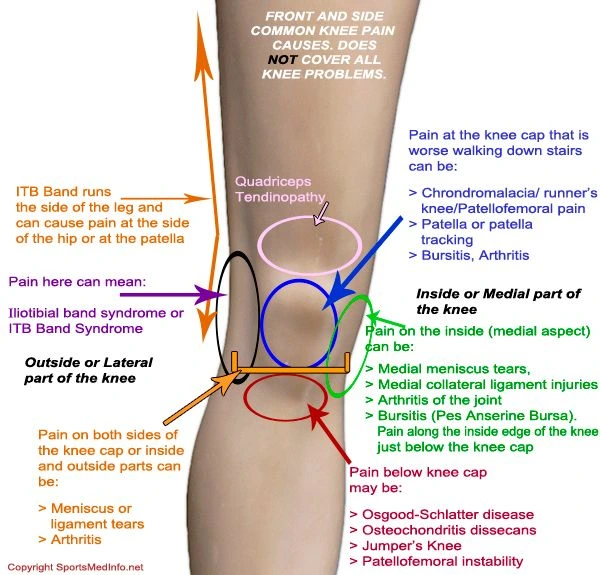
1. Traumatic Causes
Traumatic causes of knee injuries are often the result of sudden and forceful impacts or accidents. These types of injuries can cause immediate pain and may result in damage to the structures within the knee joint. Some common examples of traumatic injuries include falls and accidents, direct impacts to the knee, twisting or rotational forces, and engaging in high-impact activities.
1.1 Falls and Accidents
Falls and accidents can happen to anyone, and they can often lead to knee injuries. Whether it’s a slip on a wet surface or tripping over an object, the sudden impact on the knee joint can cause significant damage. It is important to maintain proper balance and be mindful of your surroundings to reduce the risk of falls and accidents.
1.2 Direct Impact
Direct impact to the knee, such as from a collision during sports or a car accident, can cause severe knee injuries. The force of the impact can damage the ligaments, tendons, and cartilage in the knee, leading to pain, swelling, and limited mobility. It is crucial to wear protective gear and practice proper techniques in sports to minimize the risk of direct impacts.
1.3 Twisting and Rotational Forces
Twisting or rotational forces on the knee joint can occur during activities that involve sudden changes in direction or pivoting motions. Sports like soccer, basketball, and skiing often require quick changes in direction, increasing the risk of knee injuries. When participating in these activities, it is important to warm up properly and maintain good technique to avoid excessive twisting forces on the knees.
1.4 High-Impact Activities
Engaging in high-impact activities, such as running or jumping, can put a significant amount of stress on the knees. The repetitive impact can cause wear and tear on the knee joint over time, leading to injuries. It is crucial to incorporate proper techniques, adequate rest, and supportive footwear while participating in high-impact activities to minimize the risk of knee injuries.
2. Overuse and Repetitive Motion
Overuse and repetitive motion can also contribute to knee injuries. These injuries often develop gradually over time, resulting from prolonged or repetitive stress on the knee joint. Understanding the factors that contribute to overuse injuries can help in preventing them.
2.1 Occupational Factors
Certain occupations that involve prolonged standing, repetitive bending, or heavy lifting can put excessive strain on the knees, leading to overuse injuries. Jobs such as construction work, nursing, or warehouse work can increase the risk of developing knee issues. Using proper body mechanics, taking frequent breaks, and wearing supportive footwear can help alleviate stress on the knees.
2.2 Joint Overload
Engaging in activities that put excessive load or pressure on the knee joints can cause overuse injuries. Running on hard surfaces, performing repetitive movements with poor form, or carrying heavy weights can all contribute to joint overload. It is important to listen to your body, gradually increase intensity or duration of activities, and vary your workout routine to avoid overloading the knee joints.
2.3 Inadequate Rest and Recovery
Continuing to push through intense physical activities without allowing adequate time for rest and recovery can lead to overuse injuries. The body needs time to repair and rebuild after rigorous exercise. Failing to provide enough rest can lead to cumulative stress and strain on the knees, increasing the risk of injuries. Incorporating rest days, proper sleep, and recovery techniques such as stretching and foam rolling are essential for maintaining healthy knee joints.
2.4 Inappropriate Training Regimens
Following inappropriate training regimens, such as rapidly increasing the intensity or duration of workouts without proper progression, can lead to overuse injuries. Gradual and systematic increases in exercise intensity, combined with proper warm-up and cooldown routines, are crucial for preventing knee injuries. Working with a qualified trainer or coach can help ensure that you have a well-designed training plan tailored to your individual needs and limitations.

3. Sports-Related Injuries
Sports participation can be a fun and healthy way to stay active, but it also carries a risk of knee injuries. Certain sports involve movements that put significant stress on the knees, increasing the likelihood of injuries. Being aware of common sports-related knee injuries can help you take measures to prevent them.
3.1 ACL Tears
Anterior cruciate ligament (ACL) tears are one of the most common sports-related knee injuries. They often occur when the knee is subject to sudden stops, changes in direction, or pivoting motions. Sports like soccer, basketball, and skiing have a higher risk of ACL tears. Proper training techniques and the use of protective equipment, such as knee braces, can help reduce the risk of ACL tears.
3.2 Meniscus Tears
Meniscus tears can occur when the knee is subjected to twisting or rotational forces. This injury often happens during sports activities that involve quick changes in direction or sudden stops. Football, tennis, and skiing are sports that commonly lead to meniscus tears. Maintaining good lower limb alignment, proper warm-up, and using supportive footwear can minimize the risk of meniscus tears.
3.3 Patellar Tendinitis
Patellar tendinitis, also known as jumper’s knee, is an overuse injury that affects the tendon that attaches the kneecap to the shinbone. Repetitive jumping or bending activities, such as basketball or volleyball, can cause inflammation and pain in the patellar tendon. Wearing proper footwear, gradually increasing intensity, and incorporating exercises to strengthen the quadriceps and hamstrings can help prevent patellar tendinitis.
3.4 Patellofemoral Pain Syndrome
Patellofemoral pain syndrome, also known as runner’s knee, is characterized by pain at the front of the knee. This condition often develops from activities that involve repetitive knee bending, such as running, cycling, or squatting. Wearing appropriate footwear, maintaining good lower limb alignment, and avoiding sudden increases in training volume or intensity can help prevent patellofemoral pain syndrome.
3.5 Bursitis
Bursitis occurs when the bursae, small fluid-filled sacs that cushion the knee joint, become inflamed. Activities that involve frequent kneeling, such as gardening or carpet installation, can irritate the bursae and lead to bursitis. Using knee pads or a cushioned surface to kneel on, taking frequent breaks, and using proper technique when performing kneeling activities can help prevent bursitis.
4. Age-Related Degeneration
As we age, the structures within our knee joints can begin to degenerate, leading to age-related knee conditions. Understanding these conditions can help identify the early signs and take appropriate measures to manage them.
4.1 Osteoarthritis
Osteoarthritis is a common form of arthritis that affects the knee joints. It occurs when the protective cartilage that cushions the bones within the knee joint wears away over time. Aging, genetics, and previous knee injuries can increase the risk of developing osteoarthritis. Maintaining a healthy weight, engaging in low-impact exercises, and incorporating strength training to support the knee joints can help manage osteoarthritis.
4.2 Rheumatoid Arthritis
Rheumatoid arthritis is an autoimmune disease that can affect multiple joints in the body, including the knees. It occurs when the body’s immune system mistakenly attacks its own tissues, leading to inflammation and joint damage. Rheumatoid arthritis can be managed with medication, physical therapy, and lifestyle modifications. Early diagnosis and treatment are crucial in managing the symptoms and preventing further joint damage.
4.3 Degenerative Joint Disease
Degenerative joint disease, also known as degenerative arthritis, is a chronic condition that results from the gradual breakdown of cartilage and bones within the knee joint. This condition is typically a result of long-term wear and tear or previous knee injuries. Regular exercise, maintaining a healthy weight, and physical therapy can help manage degenerative joint disease and alleviate symptoms.

5. Obesity and Excess Weight
Carrying excess weight can place significant stress on the knee joints, increasing the risk of knee injuries. The additional weight can cause accelerated wear and tear of the knee cartilage, leading to conditions such as osteoarthritis. Losing weight and maintaining a healthy body weight can reduce the strain on the knees and lower the risk of knee injuries.
5.1 Increased Stress on Knee Joints
Excess weight places additional stress on the knee joints, particularly when engaging in weight-bearing activities such as walking or running. The increased stress can lead to faster wear and tear of the knee cartilage, making the knees more susceptible to injuries. By maintaining a healthy weight, you can reduce the strain on your knee joints and protect them from unnecessary stress.
5.2 Higher Risk of Osteoarthritis
Obesity is a known risk factor for the development of osteoarthritis. The increased weight puts more pressure on the knee joints, accelerating the breakdown of cartilage. Over time, this can lead to the development of osteoarthritis and chronic knee pain. By achieving and maintaining a healthy weight, you can significantly reduce your risk of developing osteoarthritis and other weight-related knee conditions.
6. Improper Footwear
The shoes you wear can have a significant impact on the health of your knees. Wearing improper footwear can affect the alignment and stability of the knee joints, increasing the risk of injuries.
6.1 Lack of Shock Absorption and Support
Proper footwear should provide adequate shock absorption and support for the feet and ankles, which in turn helps protect the knees. Shoes with cushioning in the midsole and a supportive arch can help absorb the impact from walking or running, reducing the stress on the knee joints. Avoid shoes with worn-out cushioning or inadequate support, as they can increase the risk of knee injuries.
6.2 Incorrect Shoe Fit
Wearing shoes that do not fit properly can lead to biomechanical imbalances and place unnecessary stress on the knees. Shoes that are too tight or too loose can alter your gait and affect the alignment of your knees. It is important to choose shoes that fit well and provide ample space for the toes while securely holding the heel in place.
6.3 Worn-out Shoes
Worn-out shoes lose their cushioning and support, making them ineffective in absorbing shock and providing adequate stability. Over time, the lack of cushioning can increase the impact on the knee joints, putting them at greater risk of injuries. Regularly inspect your footwear and replace worn-out shoes to ensure proper support and shock absorption for your knees.

7. Muscle Imbalances and Weakness
Imbalances or weakness in the muscles surrounding the knees can disrupt proper knee joint mechanics, leading to increased stress and the potential for injuries.
7.1 Quadriceps-Hamstring Imbalances
The quadriceps and hamstring muscles play a crucial role in knee stability and joint mechanics. Imbalances between these muscle groups can contribute to poor knee alignment and increased stress on the knee joint. It is important to incorporate strength training exercises that target both the quadriceps and hamstrings to maintain balanced muscle strength and reduce the risk of knee injuries.
7.2 Weak Hip Muscles
The muscles in the hips have a direct impact on the alignment and stability of the knees. Weak hip muscles can cause biomechanical imbalances and increase the risk of knee injuries. Including exercises that target the hip muscles, such as hip abductions and hip extensions, can help strengthen the hips and provide better support for the knees.
7.3 Weak Core Muscles
A strong core is essential for maintaining proper body alignment and stability during various movements, including those involving the knees. Weak core muscles can lead to compensatory movements and abnormal knee mechanics, increasing the risk of knee injuries. Incorporating exercises to strengthen the core, such as planks and bridges, can help improve overall stability and reduce the strain on the knees.
8. Poor Conditioning and Warm-Up
Insufficient conditioning and inadequate warm-up routines can increase the risk of knee injuries. It is important to prepare your body properly before engaging in physical activities to minimize the risk of sudden movements or excessive stress on the knee joints.
8.1 Insufficient Strength and Flexibility
Weak muscles and tight or inflexible tissues can contribute to poor joint stability and abnormal knee mechanics. Without adequate strength and flexibility in the muscles surrounding the knees, the joint may be more susceptible to injuries. Regular strength training exercises and stretching routines can help improve muscle strength and flexibility, reducing the risk of knee injuries.
8.2 Inadequate Warm-Up
Skipping a proper warm-up can increase the risk of knee injuries by subjecting the joints and muscles to sudden and intense movements. A warm-up routine should include light aerobic exercises to increase blood flow, dynamic stretches to promote flexibility, and specific movements that mimic the activity you are about to engage in. Taking the time to warm up properly allows your body to prepare for the physical demands ahead and reduces the risk of knee injuries.

9. Improper Technique
Using improper technique during physical activities or sports can place excessive stress on the knees and increase the risk of injuries. It is important to learn and practice proper form and technique for any activity you engage in to protect your knees.
10. Environmental Factors
Environmental factors such as uneven surfaces, slippery conditions, or extreme weather can contribute to the risk of knee injuries. Paying attention to your surroundings and taking appropriate precautions can help minimize the risk in these situations.
10.1 Uneven Surfaces
Walking, running, or playing sports on uneven surfaces can increase the risk of knee injuries. Uneven terrain can lead to missteps, slips, or trips, causing sudden and forceful movements that put stress on the knees. When exercising or participating in outdoor activities, choose well-maintained and even surfaces whenever possible to minimize the risk of injuries.
10.2 Slippery or Wet Conditions
Slippery or wet conditions, such as wet floors or icy surfaces, can significantly increase the risk of falls and knee injuries. The lack of traction makes it difficult to maintain balance and can lead to sudden slips or falls. It is crucial to exercise caution and wear appropriate footwear with good traction when navigating slippery conditions. Using handrails or support for stability can also help reduce the risk of accidents.
By being aware of the common causes of knee injuries, you can make informed decisions about your activities, training techniques, and habits to minimize the risk of knee injuries. Prioritizing proper warm-up, conditioning, and using appropriate footwear can go a long way in maintaining the health and function of your knees. If you experience persistent pain or have concerns about your knee health, it is important to consult with a healthcare professional for a comprehensive evaluation and guidance. Remember, taking care of your knees now can help ensure a pain-free and active lifestyle in the long run.