
Imagine a moment where you’re enjoying a leisurely stroll through the park, feeling the warm sun on your face and the gentle breeze in your hair, when suddenly you lose your footing and fall. As you try to stand up, you realize that there’s an excruciating pain radiating from your knee. Knee injuries can happen to anyone, at any time, and can severely impact our mobility and quality of life. In this article, we will explore the different types of knee injuries, their causes, and the importance of seeking proper treatment to ensure a speedy recovery. So, let’s find out how we can better understand and take care of our precious knees.
Types of Knee Injuries
1.1 ACL Tear
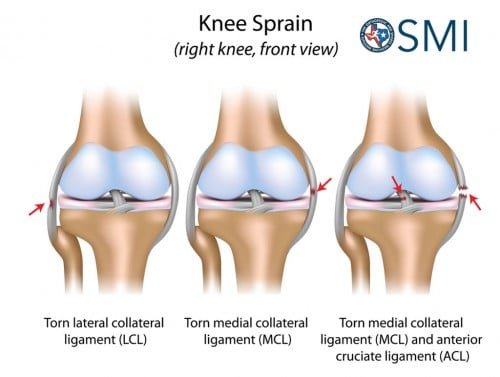
An ACL tear is a common knee injury that occurs when the anterior cruciate ligament (ACL) is stretched or torn. This often happens during sports activities that involve sudden changes in direction, such as skiing, soccer, or basketball. When you tear your ACL, you may hear a popping sound and experience immediate pain and swelling in your knee. Without proper treatment, an ACL tear can lead to instability and long-term complications.
1.2 Meniscus Tear
A meniscus tear is another common knee injury that affects the cartilage pads in your knee joint. These pads, called menisci, help to cushion and stabilize the knee. A sudden twist or rotation of the knee can cause the meniscus to tear, resulting in pain, swelling, and limited range of motion. Meniscus tears can often be treated with rest, physical therapy, and sometimes surgery, depending on the severity of the tear.
1.3 Patellofemoral Pain Syndrome
Patellofemoral pain syndrome, also known as runner’s knee, is a condition that causes pain in the front of the knee. It commonly occurs in athletes, especially runners, and is often due to overuse or improper alignment of the kneecap. Symptoms of patellofemoral pain syndrome include a dull ache behind or around the kneecap, especially after physical activity. Physical therapy and strengthening exercises are usually recommended to alleviate pain and prevent further injury.
1.4 Bursitis
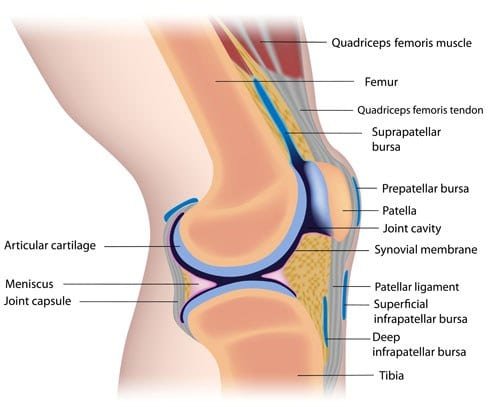
Bursitis is the inflammation of the fluid-filled sacs, called bursae, that cushion the bones, tendons, and muscles around the joints. In the knee, bursitis can occur in the prepatellar bursa, located in front of the kneecap, or the pes anserine bursa, located on the inner side of the knee below the joint. Bursitis can cause pain, swelling, and tenderness at the affected area. Rest, ice, and anti-inflammatory medications are often used to treat bursitis.
1.5 Patellar Tendonitis
Patellar tendonitis, also known as jumper’s knee, is a condition that causes pain and inflammation in the patellar tendon, which connects the kneecap to the shinbone. It is often caused by repetitive motions or overuse, such as jumping or squatting. People who participate in sports like basketball, volleyball, or track and field are at a higher risk of developing patellar tendonitis. Treatment may involve rest, physical therapy, and in severe cases, surgery to repair the damaged tendon.
Causes of Knee Injuries
2.1 Sports Injuries
Sports activities that involve running, jumping, and sudden changes in direction can put stress on the knee and increase the risk of knee injuries. Contact sports like football or soccer are particularly prone to knee injuries due to collisions or tackles.
2.2 Accidents or Falls
Falling or being involved in an accident can cause direct trauma to the knee, leading to various types of knee injuries. Whether it’s a slip on ice or a car accident, these sudden impacts can damage the ligaments, tendons, and cartilage in the knee.
2.3 Overuse
Repetitive movements can gradually wear down the structures in the knee and lead to overuse injuries. Activities like running long distances, repetitive jumping, or excessive cycling without proper rest can strain the knee joint and increase the risk of developing knee injuries.
2.4 Aging
As we age, the wear and tear on our joints can increase, making the knee more susceptible to injuries. The gradual degeneration of the tissues in the knee can lead to conditions like osteoarthritis, which can cause pain, swelling, and stiffness in the joint.
2.5 Obesity
Excess weight puts added stress on the knee joint, increasing the risk of knee injuries. The additional pressure can strain the ligaments and cartilage of the knee and lead to conditions like osteoarthritis or patellofemoral pain syndrome.
Symptoms of Knee Injuries
3.1 Pain
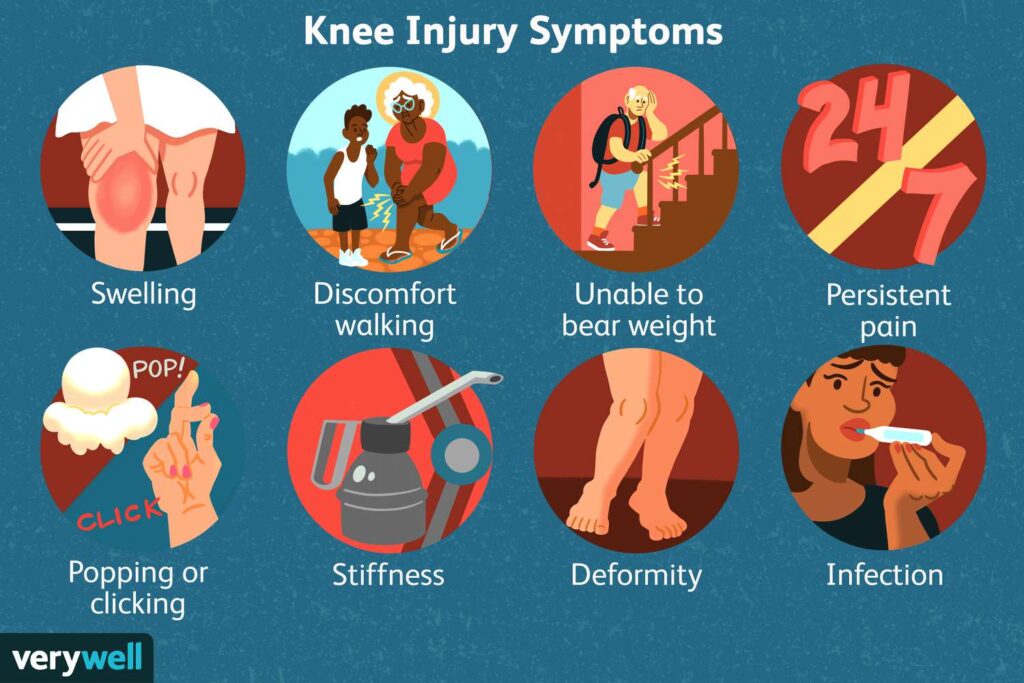
Pain is one of the most common symptoms of a knee injury. The severity and location of the pain can vary depending on the type and extent of the injury. You may experience a sharp or dull ache, and the pain may be constant or only occur during specific movements.
3.2 Swelling
Swelling in the knee is often a sign of inflammation or fluid buildup. It can make the knee feel stiff and enlarged. Swelling may occur immediately after an injury or develop gradually over time.
3.3 Stiffness
Stiffness in the knee can make it difficult to bend or straighten the leg fully. It may feel like your knee is locked or restricted in movement. Stiffness is often accompanied by pain and can affect your ability to perform daily activities.
3.4 Instability
Instability in the knee refers to a feeling of the joint giving way or feeling loose. This can occur if the ligaments or other structures in the knee have been damaged. Instability can make it harder to walk or participate in activities that require balance and stability.
3.5 Limited Range of Motion
If you have a knee injury, you may notice a decreased range of motion in the joint. This means that you may not be able to fully bend or straighten your knee. A limited range of motion can affect your ability to perform certain movements or participate in sports and other physical activities.
Diagnosis of Knee Injuries
4.1 Physical Examination
A physical examination is often the first step in diagnosing a knee injury. Your doctor will assess the range of motion, stability, and strength of your knee. They may also check for areas of tenderness or swelling.
4.2 Imaging Tests
Imaging tests, such as X-rays, MRI scans, or CT scans, may be ordered to get a detailed view of the structures inside your knee. These tests can help identify any fractures, ligament tears, or other abnormalities that may be causing your symptoms.
4.3 Arthroscopy
Arthroscopy is a minimally invasive procedure that allows your doctor to directly visualize and assess the inside of your knee joint. A small camera, called an arthroscope, is inserted through a small incision to examine the ligaments, cartilage, and other structures.
4.4 Laboratory Tests
In some cases, your doctor may order laboratory tests, such as blood tests, to check for signs of infection or inflammation. These tests can help rule out underlying conditions and provide further information about your knee injury.
4.5 Joint Aspiration
Joint aspiration involves using a needle to withdraw fluid from the knee joint. The fluid can be analyzed to check for signs of infection, inflammation, or other underlying conditions that may be contributing to your knee symptoms.
Treatment for Knee Injuries
5.1 Rest and Immobilization
Rest is often the first line of treatment for a knee injury. Taking a break from activities that aggravate the knee can help reduce pain and give the injured tissues time to heal. Immobilization, such as wearing a brace or using crutches, may be necessary to protect the knee and promote healing.
5.2 Medications
Over-the-counter pain relievers, such as acetaminophen or nonsteroidal anti-inflammatory drugs (NSAIDs), can help alleviate pain and reduce inflammation in the knee. Your doctor may also prescribe stronger medications or recommend injections, such as corticosteroids, to manage pain and inflammation.
5.3 Physical Therapy
Physical therapy is often a crucial component of knee injury treatment. A physical therapist can design a customized exercise program to help strengthen the muscles around the knee, improve range of motion, and promote healing. They may also use modalities like heat or cold therapy to reduce pain and inflammation.
5.4 Injections
In some cases, injections may be used to provide pain relief and promote healing. For example, hyaluronic acid injections can help lubricate the knee joint and reduce friction, while platelet-rich plasma (PRP) injections can stimulate tissue repair and regeneration.
5.5 Surgery
Surgery may be necessary for more severe knee injuries, such as ACL tears or complex fractures. Surgical options can range from minimally invasive procedures, such as arthroscopy, to more extensive surgeries, such as knee replacement. The specific type of surgery recommended will depend on the nature and extent of your knee injury.
Recovery and Rehabilitation
6.1 RICE Method
The RICE method (Rest, Ice, Compression, Elevation) is commonly used for the initial management of knee injuries. Resting and immobilizing the knee, applying ice to reduce swelling, using compression bandages or braces, and elevating the affected leg can help reduce pain and inflammation in the early stages of recovery.
6.2 Rehabilitation Exercises
Rehabilitation exercises play a crucial role in the recovery process. A physical therapist can guide you through a range of exercises, including stretching, strengthening, and stability exercises, to rebuild muscle strength, improve flexibility, and restore normal function to the knee.
6.3 Bracing and Support
Braces or supportive devices may be recommended during the recovery and rehabilitation process. These can provide additional stability to the knee and help protect it from further injury. Examples include knee braces, patellar straps, or custom orthotics.
6.4 Gradual Return to Activity
Returning to physical activities too quickly can increase the risk of reinjury. It’s important to follow a gradual progression plan, slowly increasing the intensity and duration of activities as your knee heals and gets stronger. Your physical therapist can help create a personalized plan tailored to your specific needs.
6.5 Preventing Recurrence
To prevent future knee injuries, it’s essential to maintain good knee health and practice injury prevention strategies. This includes regular exercise to strengthen the muscles around the knee, using proper technique and form during physical activities, warming up and cooling down properly, using appropriate equipment and protective gear, and listening to your body’s signals of fatigue or pain.
Prevention of Knee Injuries
7.1 Strengthening Exercises
Regular strength training exercises can help improve the stability and function of the knee joint. Targeting the muscles around the knee, such as the quadriceps, hamstrings, and glutes, can help support the joint and reduce the risk of injury.
7.2 Proper Technique and Form
Using proper technique and form during physical activities is essential for preventing knee injuries. This includes techniques for landing, jumping, cutting, and pivoting, depending on the specific sport or activity. Taking the time to learn and practice correct form can significantly reduce the risk of knee injuries.
7.3 Warm-up and Cool-down
Warming up before exercise and cooling down afterward can prepare your muscles and joints for physical activity and aid in recovery. Incorporating dynamic stretches, light aerobic exercises, and mobility exercises into your warm-up and cool-down routines can help prevent knee injuries.
7.4 Equipment and Protective Gear
Using appropriate equipment and protective gear can provide added support and reduce the risk of knee injuries. This may include wearing knee pads, supportive shoes, or using braces or straps during sports or activities that put stress on the knees.
7.5 Listening to Your Body
One of the most important aspects of injury prevention is listening to your body. Pay attention to any unusual pain, discomfort, or fatigue in your knees. If you experience any persistent symptoms or notice changes in your knee function, seek medical attention to prevent further injury.
Risk Factors for Knee Injuries
8.1 Gender
Various studies have shown that females are at a higher risk of certain knee injuries, such as ACL tears. This is believed to be due to differences in anatomy, hormones, and biomechanics. Female athletes may need to take extra precautions and engage in targeted training to minimize the risk of knee injuries.
8.2 Previous Knee Injuries
Having a history of knee injuries can increase the risk of future knee problems. Damage to the ligaments, cartilage, or other structures in the knee can weaken the joint and make it more susceptible to re-injury or the development of conditions like osteoarthritis.
8.3 Certain Sports or Activities
Certain sports or activities have a higher risk of knee injuries. Sports that involve jumping, sudden changes in direction, or contact, such as basketball, football, or skiing, can put significant stress on the knees and increase the risk of injury.
8.4 Obesity
Being overweight or obese puts excessive stress on the knee joint, increasing the risk of wear and tear, and the development of knee conditions like osteoarthritis. Maintaining a healthy weight can help reduce the risk of knee injuries and promote overall joint health.
8.5 Muscle Imbalances
Imbalances in muscle strength or flexibility around the knee can affect the stability and function of the joint. Weakness in certain muscles or tightness in others can lead to biomechanical problems and increase the risk of knee injuries. Regular strength training and stretching exercises can help correct these imbalances and reduce the risk of knee injuries.
Complications of Knee Injuries
9.1 Chronic Pain
If a knee injury is not properly treated or managed, it can lead to chronic pain. The constant pain and discomfort can significantly impact your quality of life and make it difficult to perform daily activities or participate in sports and other physical activities.
9.2 Osteoarthritis
Knee injuries, particularly those that involve damage to the cartilage, can increase the risk of developing osteoarthritis. Osteoarthritis is a degenerative joint disease characterized by the breakdown of cartilage, leading to pain, stiffness, and reduced mobility in the affected joint.
9.3 Joint Degeneration
Untreated or severe knee injuries can accelerate the degeneration of the joint, resulting in long-term damage and dysfunction. The cartilage, ligaments, and other structures in the knee may gradually wear down, affecting the stability and overall function of the joint.
9.4 Muscle Weakness
After a knee injury, it is common for the muscles surrounding the knee to weaken or atrophy due to decreased use and activity. Muscle weakness can lead to further instability and imbalances, increasing the risk of re-injury or complications.
9.5 Psychological Effects
Knee injuries can have psychological effects, especially for athletes or individuals who rely on physical activity for their well-being. The frustration, loss of identity, and decreased self-esteem that can arise from an inability to participate in activities can impact mental health and overall well-being.
When to Seek Medical Care
10.1 Severe Pain or Swelling
If you experience severe pain or swelling in your knee following an injury, it is recommended to seek medical care. These symptoms may indicate a serious underlying condition, such as a fracture or ligament tear, that requires immediate attention.
10.2 Inability to Bear Weight
If you are unable to bear weight on your injured knee or have difficulty walking, it is important to seek medical care. This may indicate a significant injury that needs to be properly evaluated and treated.
10.3 Popping or Snapping Sensation
If you felt a popping or snapping sensation in your knee at the time of injury, it may be indicative of a ligament tear or other structural damage. Seeking medical attention can help determine the extent of the injury and guide appropriate treatment.
10.4 Loss of Function
If you experience a sudden loss of function in your knee, such as the inability to fully extend or flex the joint, it is important to seek medical care. This may indicate a severe injury that requires immediate attention.
10.5 Recurrent or Persistent Symptoms
If you have recurring or persistent symptoms, such as ongoing pain, swelling, or instability in your knee, it is recommended to seek medical care. These symptoms may indicate an underlying issue or a failure to properly heal, and further evaluation is necessary.
Understanding Knee Injuries and taking appropriate measures for prevention and timely treatment can help minimize the risk of complications and ensure the best possible outcome for your knee health. Remember to consult with a healthcare professional for an accurate diagnosis and personalized treatment plan if you experience any knee injury or related symptoms.