
In this informative article, you will gain a clear understanding of a lesser-known but highly contagious disease called louse-borne typhus. We will explore the causes and symptoms of this condition, shedding light on how it spreads and the warning signs to look out for. By the end of this read, you will be equipped with essential knowledge to identify and potentially prevent louse-borne typhus, ensuring the well-being of yourself and those around you. Let’s dive in!
Understanding Louse-borne Typhus: Causes and Symptoms

Overview of Louse-borne Typhus
Louse-borne Typhus is a bacterial infection caused by the bacteria Rickettsia prowazekii. It is primarily transmitted through the bites of infected body lice. This infectious disease, also known as epidemic typhus, has been a major public health concern throughout history and continues to affect certain regions of the world today. Understanding its causes, symptoms, diagnosis, treatment, prevention, and the global impact of louse-borne typhus is crucial for effective management and control of this disease.
Causes of Louse-borne Typhus
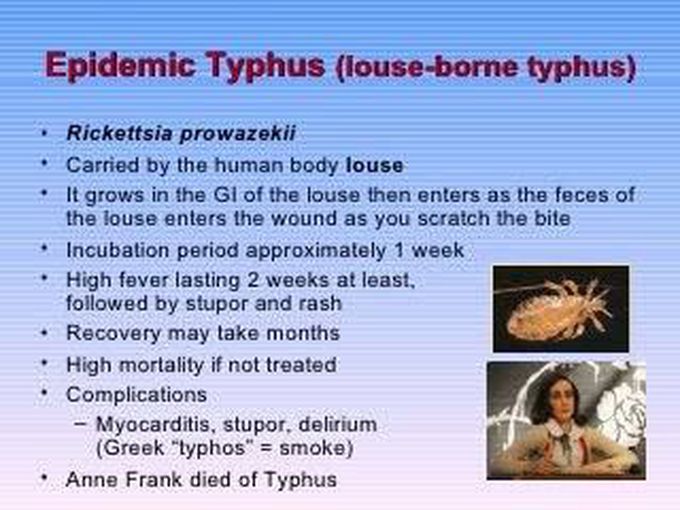
Louse-borne Typhus is caused by the bacteria Rickettsia prowazekii, which predominantly resides in the gut of infected body lice. When an infected louse bites a human and breaks the skin, these bacteria are able to enter the bloodstream. Consequently, the bacteria invade and multiply within the cells of the lining of blood vessels, leading to inflammation and damage. The primary mode of transmission is through close contact with infested individuals, particularly those living in crowded and unhygienic conditions. Poor sanitation, personal hygiene, and lack of access to clean clothing are key factors contributing to the spread of louse-borne typhus.
Symptoms of Louse-borne Typhus
Louse-borne Typhus presents with a range of symptoms that typically start one to two weeks after infection. The initial signs resemble a flu-like illness, characterized by sudden onset of high fever, severe headache, and chills. Other common symptoms include muscle aches, joint pain, and a general feeling of malaise. As the infection progresses, a rash may develop on the trunk and spread to other parts of the body. In severe cases, symptoms such as confusion, delirium, and respiratory distress may occur. Prompt recognition of these symptoms is crucial for early diagnosis and management of louse-borne typhus.
Diagnosis of Louse-borne Typhus
Diagnosing louse-borne typhus can be challenging as the initial symptoms are similar to many other infectious diseases. However, with a detailed medical history, physical examination, and laboratory tests, a healthcare professional can confirm the diagnosis. Blood tests are commonly used to detect specific antibodies against Rickettsia prowazekii. Polymerase chain reaction (PCR) tests can also be employed to identify the DNA of the bacteria. These diagnostic tools help differentiate louse-borne typhus from other similar illnesses, ensuring appropriate treatment can be initiated.

Treatment of Louse-borne Typhus
Once diagnosed, the treatment of louse-borne typhus typically involves the use of antibiotics. Doxycycline is a commonly prescribed antibiotic that effectively kills Rickettsia prowazekii and is the treatment of choice for this infection. Other antibiotics, such as chloramphenicol or tetracycline, may be used as alternatives, especially in certain populations or in case of contraindications to doxycycline. Prompt administration of antibiotics helps prevent complications and reduces the duration of illness. Supportive care, including hydration and management of symptoms, is also important for a full recovery.
Prevention of Louse-borne Typhus
Preventing louse-borne typhus primarily involves targeting the control of body lice infestations and improving personal hygiene. Measures such as regular bathing, laundering of clothes and bedding, and maintaining cleanliness of living spaces are essential to minimize the risk of getting infected. For individuals living in crowded and unsanitary conditions, regular inspection and treatment of lice infestations is crucial. In epidemic settings, mass delousing campaigns are often carried out to control the spread of louse-borne typhus. Education and raising awareness about the importance of personal hygiene and lice control also play a significant role in prevention efforts.

History of Louse-borne Typhus
Louse-borne typhus has been a significant disease throughout history, with documented outbreaks dating back to ancient times. It gained significant attention during war periods, particularly World War I and World War II, due to the close quarters and poor sanitation conditions experienced by soldiers. Massive epidemics occurred in multiple parts of the world, causing widespread illness and mortality. Notable historical figures, including Napoleon Bonaparte and Queen Mary I of England, were believed to have suffered from louse-borne typhus. Major advancements in understanding and controlling the disease have been made over the years, leading to a decline in its prevalence.
Current Global Impact of Louse-borne Typhus
Although the overall global burden of louse-borne typhus has significantly decreased in recent decades, it remains a public health concern in certain regions where poverty, overcrowding, and poor sanitation persist. Outbreaks and sporadic cases continue to occur, with higher incidence rates seen among vulnerable populations such as homeless individuals and refugees. The disease can pose a substantial economic burden on affected communities, due to the cost of healthcare, lost productivity, and social disruption. Strengthening surveillance systems, improving healthcare infrastructure, and implementing effective control measures are vital to reducing the global impact of louse-borne typhus.

Risk Factors for Louse-borne Typhus
Several risk factors increase the likelihood of acquiring louse-borne typhus. Living in overcrowded conditions, such as refugee camps or prisons, where lice infestations are more prevalent, significantly increases the risk of infection. Lack of access to adequate sanitation facilities and personal hygiene resources also contribute to the transmission of louse-borne typhus. Poor nutritional status and compromised immune systems, such as in individuals with chronic illnesses or malnutrition, can make them more susceptible to severe forms of the disease. Awareness of these risk factors is essential for targeted prevention strategies and early detection of cases.
Conclusion
In conclusion, louse-borne typhus, caused by Rickettsia prowazekii and transmitted by body lice, is a significant infectious disease with a long-standing history. Prompt recognition of its symptoms, accurate diagnosis, and timely administration of appropriate antibiotics are critical for effective management. Prevention efforts should focus on improving personal hygiene, controlling lice infestations, and raising awareness about the disease. While progress has been made, louse-borne typhus continues to impact certain regions of the world, emphasizing the importance of continued surveillance, research, and implementation of preventive measures. By understanding its causes and symptoms, we can work towards reducing the global burden of louse-borne typhus and protecting vulnerable populations from this preventable disease.