
Louse-borne diseases can be a pesky problem, but worry not! In this article, you will discover a range of treatment options that can help you bid adieu to these unwanted visitors. Whether you’re dealing with lice, typhus, or relapsing fever, we’ve got you covered. From over-the-counter remedies to more specialized treatments, learn about the various methods available to combat louse-borne diseases and regain control over your health. So, sit back, relax, and get ready to say goodbye to those annoying little pests!

Overview of Louse-borne Diseases
Louse-borne diseases are infectious conditions caused by various types of lice. These diseases can range from mild discomfort to potentially serious health complications. There are three main types of louse-borne diseases: pediculosis capitis (head lice), pediculosis corporis (body lice), and pediculosis pubis (pubic lice). Each type of louse feeds on human blood and is specifically adapted to infesting different parts of the body. While lice infestations are generally not life-threatening, they can cause significant distress and discomfort, especially in children. Understanding the transmission, symptoms, and treatment options for louse-borne diseases is crucial in effectively managing and preventing their spread.
Transmission and Epidemiology
Louse-borne diseases are primarily transmitted through close personal contact or sharing personal items with an infested individual. Lice cannot jump or fly, so transmission usually occurs through direct head-to-head contact or contact with clothing, bedding, or personal belongings infested with lice. These insects thrive in crowded and unhygienic conditions, making certain populations more susceptible to infestation. Homeless individuals, refugees, and those living in poverty or in close quarters are at higher risk of louse infestations. Louse-borne diseases are a global health concern, affecting millions of individuals worldwide, with outbreaks commonly occurring in schools, camps, and other communal settings.

Symptoms and Complications
The primary symptom of louse infestation is itching, which is caused by an allergic reaction to lice saliva and their bites. Itching is most commonly observed around the scalp, neck, and pubic area, depending on the type of lice infestation. Scratching the affected areas can lead to secondary skin infections, such as impetigo or cellulitis. Additionally, louse-borne diseases can lead to social stigma, embarrassment, and emotional distress, particularly in children. Timely identification and treatment of louse infestation are essential to prevent the spread of the disease and minimize potential complications.
Diagnosing Louse-borne Diseases
Clinical Examination
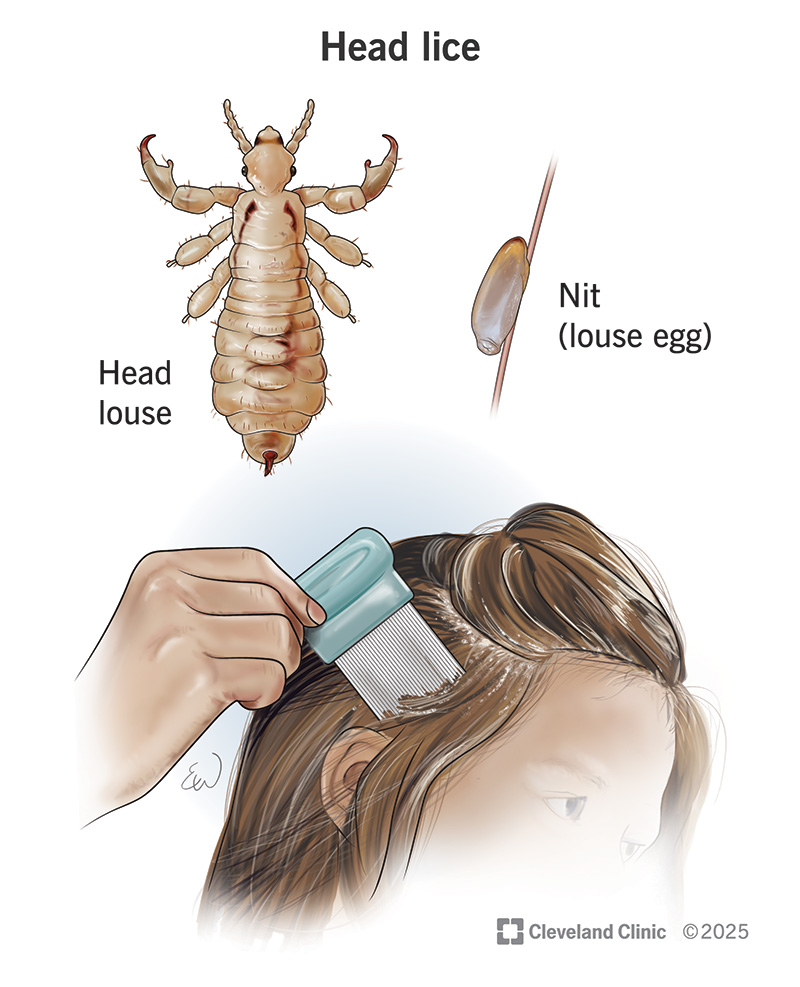
Diagnosing louse-borne diseases typically involves a thorough clinical examination. Healthcare professionals visually inspect the affected areas, including the scalp, hair, body, or pubic region, depending on the suspected lice infestation. The presence of nits (lice eggs), live lice, or characteristic lice bites aids in confirming the diagnosis. The involvement of a healthcare professional is recommended to ensure accurate diagnosis and appropriate treatment selection.
Laboratory Tests
In some cases, laboratory tests may be necessary to confirm louse infestation. These tests involve examining collected samples, such as lice or nits, under a microscope to identify the presence of lice or their eggs. Laboratory tests are particularly useful in cases where clinical examination results are inconclusive or when differentiating louse infestations from other skin conditions is challenging.
Differential Diagnosis
Differential diagnosis plays a crucial role in differentiating louse-borne diseases from other similar conditions. It is important to rule out other causes of itching and skin irritation, such as scabies or fungal infections. A thorough evaluation of the symptoms, clinical findings, and appropriate laboratory tests can help in accurately diagnosing louse infestations and determining the most suitable treatment approach.

Pharmacological Treatment Options
Pediculicides
Pediculicides are medications specifically formulated to kill lice. These products are available in various forms, including shampoos, creams, lotions, or sprays. The active ingredients in pediculicides may include pyrethrins, permethrin, malathion, or spinosad. Application of pediculicides should be done according to the product instructions, ensuring complete coverage of the affected area. It is important to carefully follow the recommended treatment regimen to maximize effectiveness and minimize the risk of resistance development.
Antibiotics
In cases where lice infestations have led to secondary bacterial infections, antibiotics may be prescribed. These medications are used to treat bacterial skin infections caused by scratching or open sores resulting from lice bites. Oral or topical antibiotics, depending on the severity and location of the infection, are commonly prescribed to manage these complications effectively. It is essential to complete the full course of antibiotics as prescribed by the healthcare professional to ensure complete eradication of the infection.
Antiparasitic Drugs
For severe or resistant cases of louse infestation, antiparasitic drugs may be recommended. These medications, such as ivermectin, are typically used as a second-line treatment option when other methods have failed. Antiparasitic drugs work by disrupting the nervous system of the lice, leading to their paralysis and eventual death. These drugs may be administered orally or topically, depending on the severity and type of louse infestation. Close monitoring and follow-up with a healthcare professional are essential when using antiparasitic drugs due to potential side effects and drug interactions.
Non-Pharmacological Treatment Options
Mechanical Removal of Lice
Mechanical removal of lice involves physically eliminating lice and their eggs from the affected areas. This can be done using a fine-toothed comb specifically designed for lice removal, often referred to as a lice comb. Combing wet hair or applying a conditioner can enhance the effectiveness of mechanical removal. Regular and thorough combing is necessary to ensure complete removal of lice and nits, as this method does not directly kill the insects. Combings should be repeated every few days to catch any newly hatched lice and prevent reinfestation.
Environmental Control Measures
Effective management of louse-borne diseases requires environmental control measures to prevent reinfestation. This includes thoroughly washing and drying infested clothing, bedding, and personal belongings on high heat to kill any remaining lice or eggs. Vacuuming mattresses, upholstered furniture, and carpets can also help remove any stray lice or nits. It is essential to isolate infested individuals and their belongings until treatment is complete to minimize the spread of lice to others.
Personal Hygiene Practices
Maintaining good personal hygiene is crucial in preventing louse infestations and minimizing their spread. Regularly washing hair, body, and clothes can help remove any potential lice or nits present. Sharing personal items, such as hair brushes, hats, or clothing, should be avoided, as this can facilitate lice transmission. Educating individuals about personal hygiene practices and emphasizing the importance of cleanliness can be an effective preventive measure in reducing the incidence of louse-borne diseases.
Preventive Measures
Regular Body and Clothing Check-ups
Regular body and clothing check-ups are essential in detecting lice infestations at an early stage before they become widespread. Periodically inspecting the scalp, hair, body, and pubic region can help identify any signs of lice or nits. Prompt action can be taken to prevent further spread and initiate appropriate treatment. In communal settings such as schools or camps, routine screening programs can aid in early identification and management of louse infestations.
Healthy Hygiene Practices
Promoting healthy hygiene practices is vital in preventing louse-borne diseases. Encouraging individuals to wash their hands frequently, maintain clean personal hygiene, and avoid sharing personal items can help minimize the risk of lice transmission. Providing access to clean water, sanitation facilities, and hygiene education in vulnerable populations can significantly contribute to preventing lice infestations and their associated complications.
Educational Campaigns
Educational campaigns play a crucial role in raising awareness about louse-borne diseases and promoting preventive measures. These campaigns can target schools, communities, and healthcare professionals to ensure widespread knowledge about lice infestations, transmission, and treatment options. The campaigns can include educational materials, workshops, and interactive sessions to effectively communicate the necessary information and promote behavioral changes that reduce the risk of louse infestations.
Challenges in Treating Louse-borne Diseases
Drug Resistance
The emergence of drug-resistant lice has become a significant challenge in the treatment of louse-borne diseases. Overuse or misuse of pediculicides can lead to the development of resistance, rendering these medications less effective. The identification and monitoring of drug-resistant lice are paramount to inform treatment guidelines and develop alternative approaches to combat resistance.
Limited Access to Treatment
In certain populations, such as those living in impoverished areas or conflict zones, limited access to healthcare facilities and medications can impede effective treatment of louse-borne diseases. Improving access to affordable and appropriate treatment options, including pharmacological and non-pharmacological interventions, is crucial to ensure equitable healthcare for all individuals affected by lice infestations.
Public Health Infrastructure
Inadequate public health infrastructure can pose challenges in the prevention, diagnosis, and treatment of louse-borne diseases. Limited resources, such as healthcare facilities, trained personnel, and diagnostic capabilities, can hinder effective management of louse infestations. Strengthening public health systems and investing in infrastructure, training, and support can contribute to better prevention and control of louse-borne diseases.

Research and Development
Development of New Treatment Methods
Ongoing research and development aimed at discovering new treatment methods are essential in combating louse-borne diseases. The development of novel pediculicides with different modes of action can help overcome drug resistance issues. Additionally, the exploration of alternative treatment approaches, such as natural products or innovative technologies, can expand the armamentarium against louse infestations.
Alternative and Complementary Approaches
Investigating alternative and complementary approaches to managing louse-borne diseases is crucial in diversifying treatment options. This includes exploring the efficacy of essential oils, herbal remedies, or traditional practices in controlling lice infestations. Integrating these approaches with conventional treatments can offer a holistic approach to management and potentially enhance treatment outcomes.
Global Collaborations
Promoting global collaborations and partnerships in the field of louse-borne diseases research and treatment can facilitate knowledge sharing and resource pooling. Collaboration among researchers, healthcare professionals, policymakers, and communities can lead to the development of effective intervention strategies, improved treatment guidelines, and comprehensive prevention programs. By leveraging collective expertise and resources, the global community can address louse-borne diseases more effectively.
Promoting Awareness on Louse-borne Diseases
Public Health Campaigns
Public health campaigns are instrumental in disseminating information and raising awareness about louse-borne diseases. These campaigns can utilize various mediums, such as posters, brochures, or television and radio advertisements, to reach a wide audience. The messages should emphasize the importance of early detection, timely treatment, and preventive measures to reduce the incidence and impact of louse infestations.
School and Community Programs
Involving schools and communities in louse-borne disease prevention and control efforts can have a significant impact. Incorporating educational programs within school curricula, conducting workshops, and organizing community events can help disseminate information effectively. Engaging teachers, parents, and community leaders can foster a collective responsibility in implementing preventive measures and promoting early detection and treatment of louse infestations.
Media and Social Media Initiatives
Leveraging media and social media platforms can amplify the reach and impact of awareness campaigns on louse-borne diseases. Collaborating with journalists, influencers, and organizations can help disseminate accurate and reliable information to a broader audience. Utilizing social media platforms for educational videos, interactive quizzes, and live sessions with healthcare professionals can engage the public and promote behavioral changes to prevent and manage louse infestations.
Case Studies
Successful Treatment Strategies
Case studies highlighting successful treatment strategies can provide valuable insights into effective approaches for louse-borne disease management. These case studies can document different treatment regimens, combinations of medications, or non-pharmacological interventions that have yielded positive outcomes. Sharing these success stories can inspire healthcare professionals, researchers, and patients to explore and adopt evidence-based strategies in their own settings.
Barriers to Treatment Success
Understanding the barriers to treatment success in louse-borne diseases can guide efforts to overcome them. These barriers may include lack of awareness, cultural beliefs, stigma, or limited resources. Identifying and addressing these barriers through targeted interventions, community engagement, and policy changes can contribute to improved treatment outcomes and long-term prevention.
Lessons Learned
Analyzing the lessons learned from past experiences in managing louse-borne diseases is crucial in refining strategies and approaches. These lessons can include best practices in prevention, early detection, or treatment protocols. Healthcare professionals and policymakers can use these lessons to inform guidelines, policies, and practices and optimize the overall management of louse-borne diseases.
Conclusion
Louse-borne diseases pose a significant burden on individuals and communities worldwide, requiring comprehensive and integrated approaches for prevention, diagnosis, and treatment. Pharmacological treatment options such as pediculicides, antibiotics, and antiparasitic drugs are available to tackle louse infestations. Non-pharmacological methods including mechanical removal of lice, environmental control measures, and personal hygiene practices are essential in preventing reinfestation and minimizing the spread of louse-borne diseases. Preventive measures through regular check-ups, healthy hygiene practices, and educational campaigns can contribute to reducing the incidence and impact of louse infestations. However, challenges such as drug resistance, limited access to treatment, and inadequate public health infrastructure need to be addressed to ensure effective management of louse-borne diseases. Research and development efforts, global collaborations, and awareness campaigns are key components in advancing louse-borne disease treatment and prevention strategies. By adopting a comprehensive and multidimensional approach, louse-borne diseases can be better controlled, improving the well-being and quality of life for affected individuals.