
Are you tired of experiencing lower back pain after a long day at work? If so, this article has got you covered. We will provide you with effective tips and strategies to prevent lower back pain in the workplace. Say goodbye to discomfort and hello to a pain-free workday. Whether you sit at a desk all day or engage in physically demanding tasks, these simple suggestions will make a world of difference. Let’s get started on your journey towards a healthier and more comfortable work environment.

Ergonomics
Adjusting the chair and desk height
When it comes to preventing lower back pain in the workplace, one of the most important factors to consider is ergonomics. Ergonomics is all about creating a work environment that promotes comfort and reduces the risk of strain or injury. One of the key aspects of ergonomics is adjusting the chair and desk height to suit your body’s needs. Ideally, your chair should be at a height where your feet can rest flat on the floor and your knees are at a 90-degree angle. Your desk should be at a height that allows your arms to rest comfortably on the surface, with your wrists in a neutral position.
Using a supportive chair with lumbar support
Sitting for prolonged periods can put a strain on your lower back, leading to discomfort and pain. To alleviate this, it’s crucial to use a supportive chair with lumbar support. Lumbar support refers to the curved cushioning or padding in the lower back area of the chair that helps maintain the natural curve of your spine. This support ensures that your lower back is properly aligned and minimizes the risk of slouching or slumping, which can lead to lower back pain over time.
Positioning the computer monitor at eye level
Another important aspect of ergonomics is the position of your computer monitor. The monitor should be positioned at eye level, directly in front of you. This ensures that you don’t have to strain or tilt your neck to see the screen, which can put unnecessary stress on your neck and upper back. Adjust the height of your monitor or use a monitor stand to achieve the optimal eye level position. Additionally, make sure the screen is at a comfortable viewing distance, typically around arm’s length.
Placing the keyboard and mouse within easy reach
To prevent unnecessary strain on your shoulders, arms, and wrists, it’s essential to position your keyboard and mouse within easy reach. Keep them at a height that allows your elbows to rest comfortably at your sides and your forearms to be parallel to the floor. Avoid reaching or stretching to use these tools, as this can lead to muscle fatigue and potential injuries over time. If needed, consider using a keyboard and mouse pad with wrist support to further reduce strain on your wrists and hands.
Using a footrest if necessary
If your feet do not comfortably reach the floor when sitting in your chair, it’s important to use a footrest to support your feet and legs. A footrest helps maintain proper posture by keeping your knees at a 90-degree angle and your feet supported. This can alleviate tension in the lower back and promote healthy circulation in your legs. Ensure that your footrest is adjustable and positioned at a height that allows for optimal comfort and support.
Maintaining Proper Posture
Sitting up straight with shoulders back
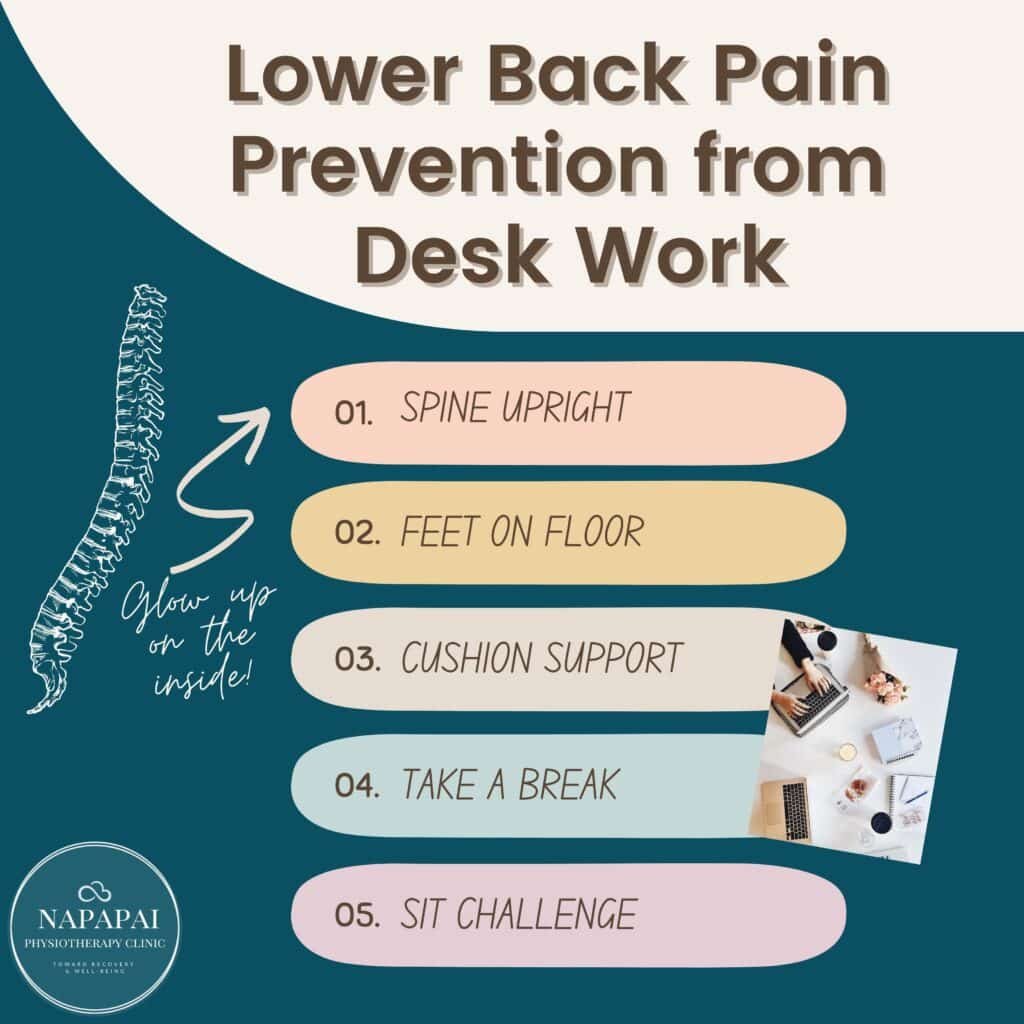
Maintaining good posture is essential for reducing the risk of lower back pain. When sitting, make a conscious effort to sit up straight, with your shoulders back and relaxed. Avoid slouching or hunching forward, as this can strain the muscles in your back and lead to discomfort. Engaging your core muscles can help support your spine and maintain a proper sitting posture. Imagine a string pulling the top of your head upward, aligning your spine and keeping it in a neutral position.
Keeping the knees bent at a 90-degree angle
A common mistake many people make when sitting is crossing their legs or extending their legs fully. To maintain proper posture and reduce strain on your lower back, keep your knees bent at a 90-degree angle. This helps distribute your body weight evenly and prevents any excessive pressure on your lower back. Adjust the height of your chair or use a footrest to ensure your knees are correctly positioned.
Avoiding crossing the legs
As mentioned earlier, crossing your legs while sitting can lead to poor posture and strain on your lower back. It can also restrict blood flow and potentially lead to discomfort or numbness in your legs. Instead, keep both feet flat on the floor or use a footrest if your feet don’t reach the ground comfortably. This helps maintain proper alignment of your spine and minimizes the risk of lower back pain.
Using a cushion or lumbar roll for support
To further support your lower back and maintain proper posture, consider using a cushion or lumbar roll for added support. These support devices can be placed behind your lower back, offering additional lumbar support and helping maintain the natural curve of your spine. Using a cushion or lumbar roll can make a significant difference in reducing lower back pain, especially during extended periods of sitting.

Taking Regular Breaks
Stretching the body every 30 minutes
Even with the most ergonomic setup and proper posture, sitting for prolonged periods can still take a toll on your body. To combat the negative effects of prolonged sitting and avoid lower back pain, it’s important to take regular breaks. Every 30 minutes or so, make it a habit to get up from your desk and stretch your body. Stand up and perform simple stretches that target the neck, shoulders, back, and legs. This helps improve circulation, relieve muscle tension, and reduce the risk of developing muscle imbalances or stiffness.
Performing simple exercises to relieve tension
In addition to stretching, incorporating simple exercises into your break routine can help relieve tension and promote a healthy back. Some exercises you can try include abdominal strengthening exercises, such as pelvic tilts, or gentle back extensions. These exercises can help strengthen the core muscles, which play a crucial role in supporting the spine and maintaining good posture. Consult with a fitness professional or physical therapist to learn exercises suitable for your needs and abilities.
Walking or moving around to encourage blood circulation
Inactivity and prolonged sitting can hinder blood circulation, increasing the risk of muscle fatigue and stiffness. Taking short walks or moving around during your breaks can help stimulate blood flow and prevent these issues. Get up and take a stroll around your office or stretch your legs by walking up and down a flight of stairs if available. Engaging in light physical activity during breaks can also provide a mental refresh, boosting productivity and overall well-being.
Improving Workspace Setup
Organizing the desk to minimize reaching and twisting
A cluttered and disorganized workspace can contribute to poor posture and increased strain on your back. By organizing your desk and arranging commonly used items within easy reach, you can minimize the need for excessive reaching or twisting. Keep frequently accessed items within arm’s length to avoid strain on your back and neck when trying to retrieve them. Invest in desk organizers or storage solutions to keep your workspace tidy and free of unnecessary clutter.
Keeping frequently used items within easy reach
On a similar note, keeping frequently used items within easy reach can significantly reduce the risk of strain or injury. This might include items like pens, phone, notepads, or reference materials. A simple adjustment of where you place these items on your desk can make a big difference. Be conscious of how often you reach for these items throughout the day and position them accordingly to avoid unnecessary strain on your back or shoulders.
Using a headset or speakerphone for long phone calls
For individuals who spend a significant amount of time on phone calls, it’s important to consider the impact this can have on your posture and overall comfort. Holding a phone between your ear and shoulder can strain the muscles in your neck and upper back. To prevent this, use a headset or speakerphone for long phone calls. These options allow you to maintain proper posture and keep your hands free, reducing the risk of muscle tension or discomfort.
Using Proper Lifting Techniques
Bending the knees and squatting to lift heavy objects
Improper lifting techniques can lead to serious back injuries and contribute to lower back pain. Whenever you need to lift a heavy object, it’s crucial to use proper lifting techniques. Start by bending your knees and squatting down to reach the object. Avoid bending at the waist, as this puts excessive strain on your lower back. As you lift, engage your leg and core muscles to provide support and distribute the weight evenly.
Avoiding twisting the back while lifting
Another important aspect of proper lifting techniques is avoiding twisting or rotating your back while lifting. Instead, pivot your feet and turn your whole body to change direction. Twisting your back while lifting can strain the muscles and joints, increasing the risk of injury and exacerbating lower back pain. Take the time to maneuver yourself properly before lifting, even if it means repositioning or adjusting your stance.
Asking for assistance with heavy or awkward loads
Sometimes, certain tasks or objects are simply too heavy or awkward to handle alone. In such situations, it’s essential to ask for assistance. Don’t try to be a hero and risk injuring your back by attempting to lift something beyond your capabilities. Seek help from a coworker or supervisor when needed. Remember, it’s better to be safe and prevent an injury than to suffer the consequences of improper lifting alone.
Staying Active and Exercising Regularly
Incorporating physical activity into the daily routine
Staying active throughout the day is essential for overall health and well-being, including the prevention of lower back pain. Incorporate physical activity into your daily routine to keep your body moving and your muscles engaged. Take short walks during breaks or lunchtime, use the stairs instead of the elevator, or go for a brief walk during conferences or meetings. These small changes can add up and make a significant difference in preventing back pain associated with sedentary lifestyles.
Engaging in exercises that strengthen the core and back muscles
In addition to general physical activity, it’s beneficial to engage in exercises that specifically target the core and back muscles. Strengthening these muscle groups helps support the spine, maintain proper posture, and reduce the risk of lower back pain. Exercises such as planks, bridges, and back extensions can be incorporated into a regular exercise routine to promote a strong and resilient back. Consult with a fitness professional or physical therapist for guidance and personalized exercises that suit your fitness level and needs.

Reducing Excessive Sitting
Using a standing desk or adjustable workstation
Sitting for prolonged periods is a significant risk factor for lower back pain. To combat this, consider using a standing desk or an adjustable workstation that allows you to switch between sitting and standing positions. Standing desks enable you to vary your posture throughout the day, reducing the strain on your back and promoting better overall health. If a standing desk is not feasible, consider using a high desk or counter periodically for short periods to relieve pressure on your lower back.
Alternating between sitting and standing throughout the day
If using a standing desk or adjustable workstation is not an option, make a conscious effort to alternate between sitting and standing as much as possible. Aim to change positions every 30 minutes or so. This can be as simple as taking a stand and stretch break, walking to a coworker’s desk instead of sending an email, or performing tasks that can be done while standing, such as filing or reading. These alternating positions help reduce the strain on your back and promote better circulation.
Taking short walking breaks during prolonged sitting periods
Sometimes, extended periods of sitting are unavoidable, such as during long meetings or conferences. In these situations, it’s essential to take short walking breaks whenever possible. Stand up, stretch your legs, and take a short walk around the room or office. This helps break up the continuous sitting and stimulates circulation, reducing the risk of muscle imbalances and discomfort. Additionally, consider suggesting or organizing walking meetings to get some movement while accomplishing tasks.
Wearing proper footwear
Choosing shoes with adequate arch support and cushioning
The shoes you wear play a significant role in supporting your body, including your lower back. When it comes to preventing lower back pain, it’s important to choose shoes with adequate arch support and cushioning. Arch support helps maintain the natural alignment of your feet and lower extremities, reducing strain on your back. Cushioning in the shoes provides shock absorption and minimizes the impact on your joints and spine. Invest in comfortable shoes that provide proper support and replace them when necessary to ensure optimal benefits.
Avoiding high heels or shoes with improper heel height
While high heels may be fashionable, they can wreak havoc on your posture and overall spinal health. Wearing high heels forces your body to shift forward, altering the alignment of your spine and putting extra pressure on your lower back. To prevent lower back pain, it’s best to avoid high heels or shoes with improper heel height. Opt for shoes with a lower heel or flats that provide better support and promote a more natural alignment of your spine.
Using anti-fatigue mats when standing for extended periods
If your job requires standing for extended periods, consider using anti-fatigue mats to reduce strain on your back and legs. These mats provide cushioning and support, helping to alleviate muscle fatigue and joint discomfort. Anti-fatigue mats promote better blood circulation and decrease the pressure on your feet and lower back. Place them in areas where you stand frequently, such as in front of your desk, kitchen counter, or workstations. Remember to wear comfortable shoes even when using anti-fatigue mats for maximum benefit.

Managing Stress Levels
Practicing relaxation techniques, such as deep breathing or meditation
Stress can contribute to muscle tension and increase the risk of developing or exacerbating lower back pain. Managing stress levels is essential for maintaining good back health. Incorporate relaxation techniques into your daily routine, such as deep breathing exercises or meditation. These practices help calm your mind, reduce muscle tension, and promote a sense of overall well-being. Take short breaks throughout the day to practice deep breathing exercises or use meditation apps that guide you through relaxation techniques.
Taking breaks to rest and recharge
In addition to relaxation techniques, it’s important to take regular breaks throughout the day to rest and recharge. Use your breaks as an opportunity to step away from your work, engage in activities you enjoy, or simply relax. This can help alleviate mental and physical stress, reducing the tension in your muscles and minimizing the risk of developing or worsening lower back pain. Establish healthy boundaries and make time for breaks to prioritize your well-being.
Seeking support from coworkers or supervisors
Sometimes, work-related stress can become overwhelming, leading to increased muscle tension and back pain. In such cases, it’s essential to seek support from coworkers or supervisors. Talking to someone about your concerns or frustrations can provide perspective, guidance, and potential solutions. Sharing your challenges and seeking support creates a supportive work environment and can help alleviate stress. Remember, you don’t have to navigate workplace stress alone.
Seeking Professional Help
Consulting with a healthcare professional for personalized advice
If you’re experiencing persistent lower back pain or if you have concerns about preventing future pain, it’s crucial to consult with a healthcare professional. They can provide personalized advice and guidance based on your specific needs and circumstances. A healthcare professional, such as a doctor, physical therapist, or chiropractor, can assess your condition, recommend appropriate treatments, and provide exercises or stretches tailored to your situation. Don’t hesitate to reach out to a professional for expert assistance.
Getting regular check-ups and screenings for back health
Regular check-ups and screenings are important for monitoring your back health and identifying any potential issues early on. Schedule regular visits with your healthcare provider to discuss any concerns or changes in your lower back. They can perform necessary screenings, such as X-rays or MRIs, to evaluate the health of your spine and identify any underlying conditions or injuries. Early detection and intervention are key in preventing further complications and managing lower back pain effectively. Don’t neglect the importance of regular check-ups as part of your overall well-being.
In conclusion, preventing lower back pain in the workplace requires mindful attention to ergonomics, proper posture, regular breaks, a well-organized workspace, proper lifting techniques, physical activity, reducing excessive sitting, wearing proper footwear, managing stress levels, and seeking professional help when needed. By implementing these strategies, you can create a work environment that supports your back health and reduces the risk of developing or worsening lower back pain. Remember to prioritize your well-being and make conscious choices to support a healthy back throughout your workday.