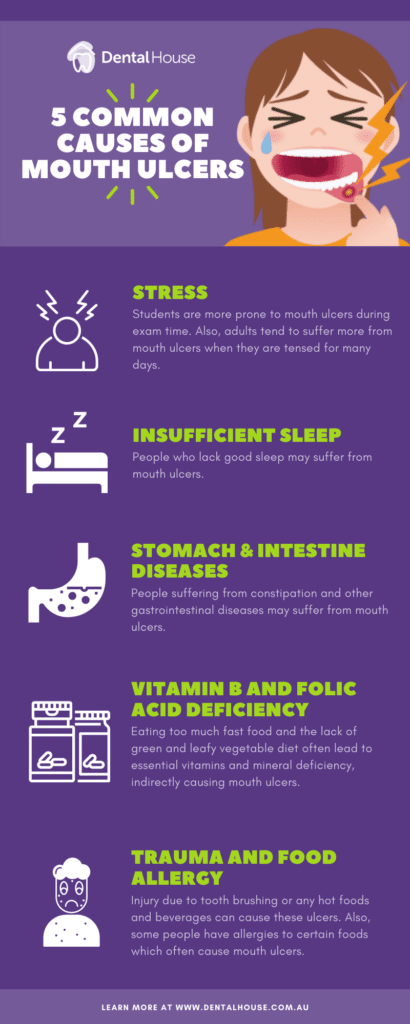
In this informative article, we will explore the causes and symptoms of mouth ulcers. No one enjoys dealing with the discomfort and inconvenience that these pesky little sores can bring. Whether you’ve experienced them before or are curious to learn more, we’ve got you covered. Get ready to uncover the factors that can trigger mouth ulcers and gain insights into the telltale signs that indicate their presence. So, grab a cup of tea and let’s dive into this intriguing topic together!
Causes
Poor oral hygiene
Poor oral hygiene is one of the leading causes of mouth ulcers. Failing to maintain regular oral care, such as brushing and flossing, allows bacteria and other harmful substances to accumulate in your mouth. These can irritate and damage the delicate tissues inside your mouth, leading to the formation of painful ulcers.
Trauma or injury
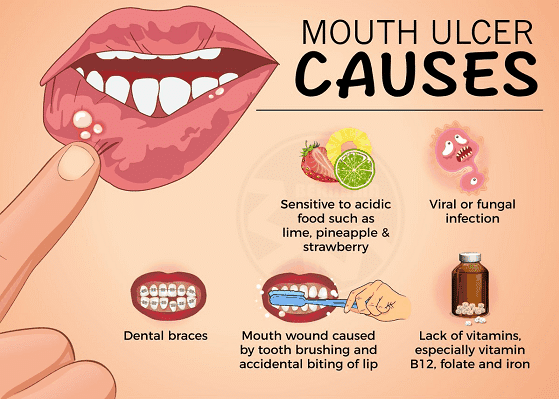
Accidental trauma or injury to the mouth can also cause mouth ulcers. Biting your tongue or cheek, sharp food particles, ill-fitting dental appliances, or even a rough toothbrush can all lead to the development of ulcers. It is important to be mindful of your mouth and take precautions to avoid any unintentional injuries that could trigger these painful sores.
Stress and anxiety
Stress and anxiety can have a significant impact on your overall health, including your oral health. When you are under stress or experiencing anxiety, your immune system weakens, making you more susceptible to mouth ulcers. Additionally, stress can cause you to engage in oral habits like teeth grinding or biting your nails, which can lead to injuries in your mouth and the subsequent formation of ulcers.
Allergies
Allergic reactions to certain foods, medications, or oral care products can contribute to the development of mouth ulcers. Some individuals may have specific sensitivities or allergies that trigger a reaction in the mouth, resulting in painful sores. It is essential to be aware of any potential allergens and take necessary precautions to avoid them to prevent the occurrence of mouth ulcers.
Hormonal changes
Hormonal changes, particularly in women, can play a role in the formation of mouth ulcers. Fluctuations in hormone levels during menstruation, pregnancy, or menopause can affect the immune system and increase the likelihood of developing ulcers. Maintaining a healthy hormonal balance through diet, exercise, and stress management techniques can help minimize the occurrence of these painful sores.
Viral or bacterial infections
Infections caused by viruses or bacteria can lead to the development of mouth ulcers. Common examples include the herpes simplex virus (HSV), which causes cold sores or fever blisters, and the bacteria responsible for causing strep throat. These infections can cause inflammation and ulceration of the oral tissues, resulting in painful mouth ulcers.
Nutritional deficiencies
Certain nutritional deficiencies, such as deficiencies in vitamin B12, iron, or folate, can contribute to the formation of mouth ulcers. These essential nutrients play a crucial role in maintaining the health and integrity of the oral mucosa. Inadequate intake or absorption of these nutrients can compromise the healing process within the mouth and increase the likelihood of developing ulcers.
Certain medications
Some medications can have side effects that include the development of mouth ulcers. Non-steroidal anti-inflammatory drugs (NSAIDs), beta-blockers, and certain antibiotics are known to cause oral ulceration in some individuals. If you suspect that a medication you are taking is causing mouth ulcers, it is important to consult with your healthcare provider to discuss alternative options.
Autoimmune disorders
Autoimmune disorders, such as Crohn’s disease, celiac disease, or lupus, can be associated with the occurrence of mouth ulcers. These conditions result from an overactive immune system that mistakenly attacks healthy cells in the body, including the tissues in the mouth. Managing the underlying autoimmune disorder is crucial in reducing the frequency and severity of mouth ulcers.
Genetic factors
Genetic factors can also play a role in predisposing individuals to mouth ulcers. Some people may have inherited a genetic predisposition that makes them more vulnerable to developing these painful sores. While genetic factors cannot be changed, being aware of your family history can help you understand your susceptibility and take appropriate preventive measures.

Symptoms
Pain and discomfort
One of the primary symptoms of mouth ulcers is pain and discomfort. These sores can cause a constant or intermittent dull ache, making it uncomfortable to eat, drink, speak, or even brush your teeth. The severity of the pain can vary depending on the size and location of the ulcer, but it often subsides as the sore begins to heal.
Burning and tingling sensation
Before a mouth ulcer becomes fully visible, you may experience a burning or tingling sensation in the affected area. This can serve as an early warning sign that an ulcer is developing. Paying attention to these sensations can help you take proactive measures to minimize the severity and duration of the sore.
Difficulty eating and drinking
Mouth ulcers can make it challenging to eat and drink, especially when they are located in areas that come into direct contact with food and beverages. The pain and discomfort can make it uncomfortable to chew, causing you to avoid certain foods or modify your diet to limit irritation.
Red or white sores
Mouth ulcers are typically characterized by the presence of red or white sores within the oral cavity. These sores can vary in size and shape, ranging from small, round ulcers to larger, irregularly shaped ones. Examining your mouth in a well-lit environment can help you identify these distinct lesions.
Swelling and inflammation
Ulcers in the mouth often cause localized swelling and inflammation. The affected area may appear red and swollen, and you may experience tenderness or soreness in the surrounding tissues. This inflammation is a natural response to the injury or irritation caused by the ulcer.
Bleeding gums
In some cases, mouth ulcers can result in bleeding gums. This may occur when the ulcer is located near the gum line or if it becomes irritated during oral care routines. If you notice bleeding gums in conjunction with mouth ulcers, it is important to seek dental advice to ensure proper treatment and prevention of further complications.
Fever and fatigue
In certain instances, mouth ulcers can be accompanied by systemic symptoms, such as fever and fatigue. These symptoms are usually indicative of a more severe underlying condition or infection that may require medical attention. If you experience prolonged or recurring episodes of mouth ulcers accompanied by fever and fatigue, it is essential to consult with a healthcare professional for a proper diagnosis and treatment plan.
Headaches
Mouth ulcers can sometimes be associated with headaches. The discomfort caused by the ulcers and the underlying inflammation in the mouth can trigger tension headaches or worsen existing headaches in some individuals. Managing the ulcers and addressing any contributing factors may help alleviate these associated headaches.
Enlarged lymph nodes
When mouth ulcers develop, the body’s immune system responds by activating the lymphatic system. This immune response can cause the nearby lymph nodes to become enlarged and tender to the touch. Although this symptom is usually temporary and subsides as the ulcers heal, it is important to monitor any persistent or concerning swelling and seek medical advice if necessary.
Recurring ulcers
Some individuals may experience recurring mouth ulcers, with new sores appearing regularly or in certain patterns. These recurring ulcers can have a significant impact on your quality of life, as they can be painful and disrupt your daily activities. Identifying and addressing the underlying causes of these recurrent ulcers is crucial to minimize their occurrence and manage the associated symptoms effectively.
In conclusion, mouth ulcers can result from various causes, including poor oral hygiene, trauma or injury, stress and anxiety, allergies, hormonal changes, viral or bacterial infections, nutritional deficiencies, certain medications, autoimmune disorders, and genetic factors. Recognizing the symptoms, such as pain and discomfort, burning and tingling sensation, difficulty eating and drinking, red or white sores, swelling and inflammation, bleeding gums, fever and fatigue, headaches, enlarged lymph nodes, and recurring ulcers, can help you identify and manage these bothersome sores. If you find yourself experiencing frequent or severe mouth ulcers, it is always wise to consult with your healthcare provider or a dental professional to determine the best course of action for diagnosis, treatment, and prevention. With proper care and awareness, you can minimize the impact of mouth ulcers and maintain optimal oral health.