
You may have heard of multiple myeloma, but do you really understand what it is? In this article, we will be shedding some light on this often misunderstood condition. Multiple myeloma is a type of cancer that affects plasma cells, which are a crucial part of our immune system. These cells are responsible for producing antibodies that defend against infections and diseases. When these plasma cells become cancerous and start to multiply uncontrollably, it can lead to multiple myeloma. Although considered rare, it is important to increase our understanding of this condition and the impact it can have on those affected.
Overview of Multiple Myeloma
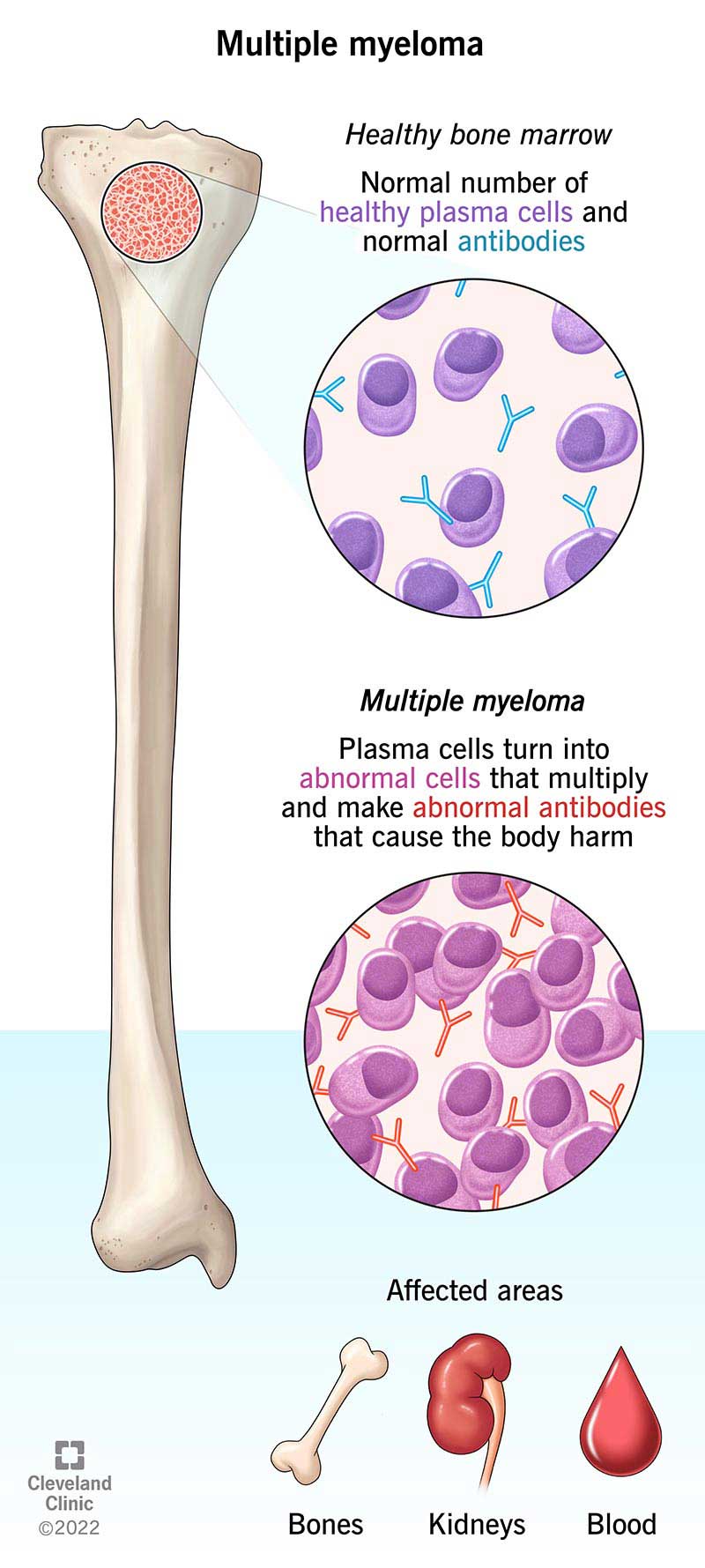
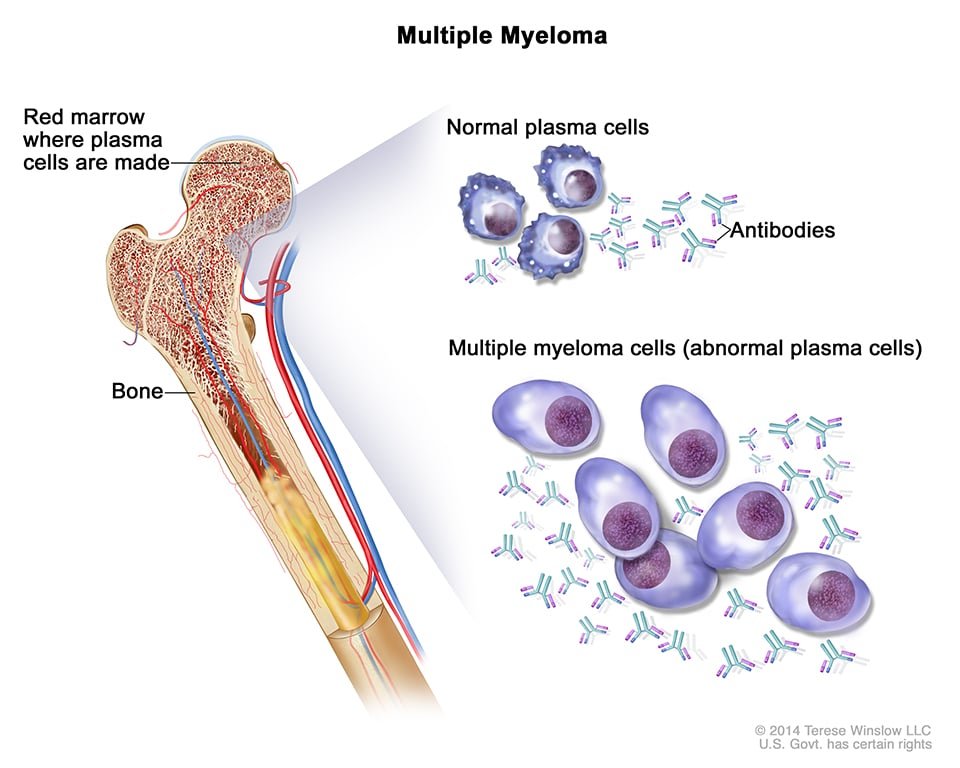
Multiple Myeloma is a type of cancer that affects plasma cells in the bone marrow. Plasma cells are a crucial component of the immune system, producing antibodies that help the body fight off infections. However, in multiple myeloma, these plasma cells become cancerous and multiply uncontrollably, crowding out healthy blood cells. This leads to various complications and can affect different organs, such as the bones, kidneys, and immune system. While multiple myeloma is a serious condition, advancements in research and treatment options have resulted in improved outcomes for patients.
Definition of Multiple Myeloma
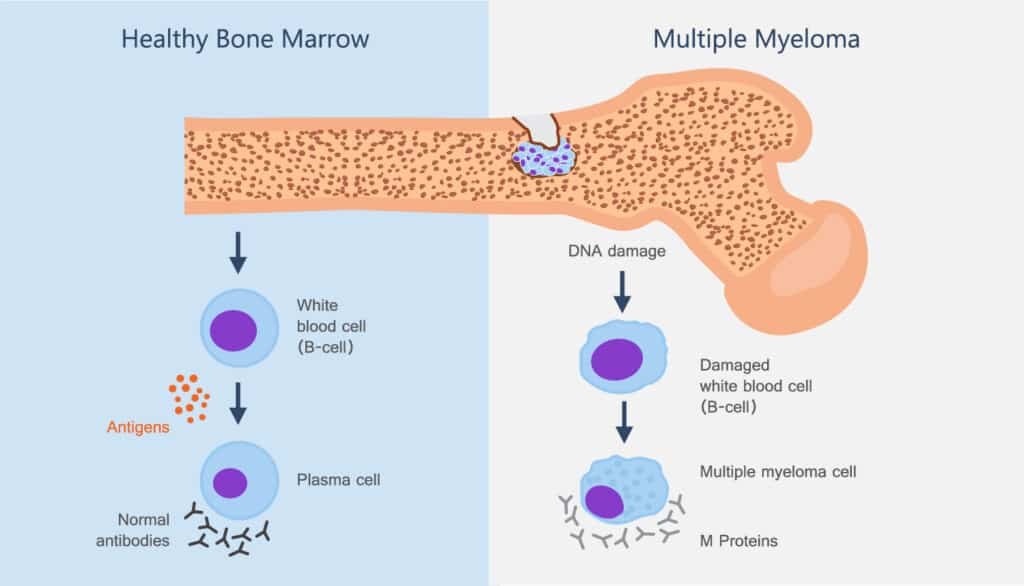
Multiple Myeloma, also known as plasma cell myeloma, is a type of blood cancer that specifically affects plasma cells. Plasma cells are a type of white blood cell that is responsible for producing antibodies, which are essential for fighting infections. In multiple myeloma, these plasma cells become cancerous and produce abnormal antibodies, known as M proteins. These M proteins can accumulate in the blood, urine, and other tissues, leading to various complications.
Prevalence
Multiple Myeloma is a relatively rare cancer, accounting for approximately 1% of all cancer diagnoses worldwide. However, it is the second most common blood cancer after lymphoma. The incidence of multiple myeloma varies significantly across different regions and populations. In the United States, it is estimated that around 30,000 new cases are diagnosed each year. The prevalence increases with age, with the average age of diagnosis being around 70 years old.
Risk Factors
While the exact cause of multiple myeloma remains unknown, certain factors are associated with an increased risk of developing the disease. These risk factors include age, with the incidence rising sharply after the age of 65, gender (being slightly more common in men), race (being more prevalent in African Americans), family history of multiple myeloma or other plasma cell disorders, exposure to radiation or certain chemicals, and certain genetic abnormalities. It is important to note that having one or more risk factors does not necessarily mean a person will develop multiple myeloma; it simply increases their chances.
Symptoms and Presentation
The early stages of multiple myeloma often present with few or no symptoms, making it difficult to detect. However, as the disease progresses, various signs and symptoms may develop. Common symptoms include bone pain, especially in the back or ribs, fatigue, weakness, recurrent infections, unexplained weight loss, anemia, kidney problems, and bone fractures. These symptoms can be nonspecific and may resemble other conditions, making an accurate diagnosis crucial.
Diagnosis of Multiple Myeloma
Diagnosing multiple myeloma involves a combination of tests and procedures to assess the presence of cancerous plasma cells and determine the extent of the disease. Early detection is critical for optimal treatment outcomes.
Blood and Urine Tests
Blood and urine tests are often the initial step in diagnosing multiple myeloma. These tests measure various markers and abnormal proteins in the blood and urine, such as M proteins and free light chains. Additionally, a complete blood count (CBC) and comprehensive metabolic panel (CMP) can provide valuable information about the overall health of the patient, including their red and white blood cell counts, kidney function, and calcium levels.
Bone Marrow Biopsy
A bone marrow biopsy is a definitive test for diagnosing multiple myeloma. It involves extracting a small sample of bone marrow from the back of the hipbone using a needle. The sample is then examined under a microscope to check for the presence of cancerous plasma cells. This test also helps determine the percentage of plasma cells in the bone marrow, which is crucial for accurate staging.
Imaging Studies
Imaging studies, such as X-rays, CT scans, MRI scans, and PET scans, are used to detect bone lesions, assess the extent of bone damage, and identify any other abnormalities. These tests can help determine the stage of multiple myeloma by evaluating the involvement of bones and other organs.
Cytogenetic Analysis
Cytogenetic analysis involves studying the chromosomes and genetic abnormalities in cancer cells. Certain genetic alterations can affect the prognosis and treatment options for multiple myeloma. This test aids in identifying any high-risk abnormalities, such as chromosomal translocations or deletions, which may have an impact on the choice of therapy.
Staging and Prognosis
Staging multiple myeloma is crucial for determining the extent of the disease and planning appropriate treatment strategies. Various staging systems are used to classify multiple myeloma based on different criteria.
Durie-Salmon Staging System
The Durie-Salmon Staging System, developed in the 1970s, categorizes multiple myeloma into three stages: Stage I, Stage II, and Stage III. This staging system takes into account various factors, including the presence of bone lesions, levels of calcium and hemoglobin, and kidney function.
International Staging System
The International Staging System (ISS) is another widely used staging system for multiple myeloma. It classifies the disease based on two factors: beta-2 microglobulin (β2M) and albumin levels. The ISS categorizes multiple myeloma into three stages, with a higher stage indicating a poorer prognosis.
Prognostic Factors
In addition to staging systems, several other factors can impact the prognosis of multiple myeloma. These include the patient’s age, overall health status, blood counts, kidney function, genetic abnormalities, and response to treatment.
Survival Rates
The survival rates for multiple myeloma have improved significantly over the years due to advancements in treatment. The 5-year survival rate now exceeds 50%, and some patients can achieve long-term remission. However, individual prognosis varies depending on several factors specific to each patient’s case.
Treatment Options
Multiple Myeloma treatment aims to control the disease, relieve symptoms, and improve the patient’s quality of life. The choice of treatment depends on various factors, including the stage of the disease, patient age, overall health status, and individual preferences.
Chemotherapy
Chemotherapy is a common treatment option for multiple myeloma. It involves using powerful drugs to kill cancer cells or stop their growth. Several different chemotherapy drugs may be used alone or in combination. Chemotherapy can be administered orally or intravenously and is often given in cycles, allowing the body time to recover between treatments.
Targeted Therapy
Targeted therapy drugs work by specifically targeting cancer cells while minimizing damage to healthy cells. These drugs interfere with specific molecules or pathways involved in cancer cell growth and survival. Common targeted therapy drugs used in multiple myeloma include proteasome inhibitors and immunomodulatory agents.
Stem Cell Transplantation
Stem cell transplantation, also known as a bone marrow transplant, is a procedure in which high-dose chemotherapy is used to destroy cancer cells followed by the infusion of healthy stem cells. These stem cells can be obtained from the patient’s own bone marrow or from a donor. Transplantation allows for the replacement of damaged bone marrow with healthy stem cells, promoting the production of normal blood cells.
Radiation Therapy
Radiation therapy, also called radiotherapy, uses high-energy X-rays or other types of radiation to kill cancer cells and shrink tumors. It is primarily used to treat localized areas of bone pain or to reduce the size of tumors that may be pressing on nearby organs or causing other complications.

Supportive Care
Supportive care plays a crucial role in managing the symptoms and complications of multiple myeloma, as well as improving the overall well-being of patients.
Pain Management
Effective pain management is a cornerstone of supportive care. Multiple myeloma can cause bone pain, nerve pain, and general discomfort. Medications, such as opioids and nonsteroidal anti-inflammatory drugs (NSAIDs), as well as other approaches like physical therapy, acupuncture, and relaxation techniques, can help alleviate pain and improve quality of life.
Treatment of Complications
Multiple myeloma can lead to various complications, including bone disease (osteolytic lesions), anemia, kidney dysfunction, and increased susceptibility to infections. These complications require specific treatments and management strategies to address their impact on the patient’s health.
Psychosocial Support
Multiple myeloma can be emotionally challenging for patients and their families. Psychosocial support and counseling services can help patients navigate the emotional aspects of their diagnosis and provide coping strategies for managing stress, anxiety, and depression.
Nutritional Support
Maintaining proper nutrition is essential for managing multiple myeloma. A well-balanced diet, high in fruits, vegetables, lean proteins, and whole grains, can help strengthen the immune system, support overall health, and prevent unintended weight loss.
Clinical Trials
Clinical trials are essential for advancing medical knowledge and improving the treatment options available for multiple myeloma patients.
Importance of Clinical Trials
Clinical trials are conducted to evaluate the safety and effectiveness of new treatments, drugs, and therapeutic approaches. Participating in a clinical trial provides patients with access to promising therapies that may not be widely available. It also allows researchers to collect valuable data to enhance multiple myeloma treatment outcomes.
Types of Clinical Trials
There are various types of clinical trials, including treatment trials, prevention trials, screening trials, and supportive care trials. Treatment trials assess the effectiveness of new therapies or combinations of therapies. Prevention trials focus on preventing the onset of multiple myeloma in high-risk individuals. Screening trials aim to identify the most effective methods for early detection, and supportive care trials investigate interventions to manage treatment-related side effects and improve quality of life.
Enrolling in a Clinical Trial
Participating in a clinical trial involves careful consideration and discussion with healthcare providers. The trial eligibility criteria, potential benefits, risks, and expected outcomes must be weighed against individual circumstances. Patients interested in clinical trials should consult with their medical team to explore suitable options.
Potential Benefits and Risks
Clinical trials offer the potential for access to innovative treatments before they are widely available. They also contribute to the advancement of medical science. However, there are potential risks involved, such as unknown side effects or unsuccessful outcomes. Patients considering clinical trials should consult with their healthcare team to fully understand the potential benefits and risks.
Living with Multiple Myeloma
Living with multiple myeloma requires a holistic approach, focusing on self-care, emotional well-being, and access to support resources.
Self-Care and Lifestyle Modifications
Patients with multiple myeloma can take steps to optimize their overall health and well-being. This can include maintaining a healthy lifestyle through regular exercise, a balanced diet, getting enough rest, staying hydrated, and managing stress levels. It is also essential to adhere to prescribed treatment regimens and follow-up appointments with healthcare providers.
Managing Emotional and Psychological Well-being
The emotional impact of living with multiple myeloma should not be underestimated. Patients may experience a wide range of emotions, including fear, anxiety, depression, and uncertainty. Seeking support from loved ones, joining support groups, and engaging in activities that promote emotional well-being, such as meditation, can help manage these challenges.
Support Groups and Resources
Multiple Myeloma support groups and online communities can provide valuable support and information. Connecting with others who are going through similar experiences can foster a sense of belonging and offer practical tips for navigating the different aspects of living with multiple myeloma. Additionally, numerous educational resources, websites, and publications dedicated to multiple myeloma provide further guidance and access to the latest developments in research and treatment.
Complications and Side Effects
Multiple myeloma can lead to various complications and side effects that must be managed appropriately.
Bone Disease
Multiple myeloma often causes bone disease, resulting in the formation of osteolytic lesions or areas of weakened bone. These lesions can lead to bone pain, fractures, and spinal cord compression. Treatment options for bone disease may include medications called bisphosphonates, radiation therapy, or surgical interventions.
Anemia
Anemia, characterized by a decrease in the number of red blood cells, is prevalent in multiple myeloma. Anemia can cause fatigue, weakness, shortness of breath, and reduced quality of life. Treatment may involve blood transfusions, medication to stimulate red blood cell production, or addressing underlying causes of anemia.
Renal Dysfunction
Multiple myeloma can affect kidney function, causing renal impairment or failure. This can result from various factors, including the direct infiltration of cancer cells into the kidneys, high levels of calcium in the blood, or the use of certain medications. Treatment options focus on improving kidney function, managing complications, and preventing further damage.
Infections
Multiple myeloma compromises the normal functioning of the immune system, making patients more susceptible to infections. Preventive measures, such as vaccinations and good hygiene practices, are essential. Prompt treatment of infections with appropriate antibiotics or antifungal medications is crucial to minimize complications.

Relapse and Refractory Disease
Despite advancements in multiple myeloma treatment, relapse or refractory disease can occur in some patients.
Definition of Relapse and Refractory Disease
Relapse refers to the return of cancer after a period of improvement. In multiple myeloma, relapse means that the disease has returned or progressed despite treatment. Refractory disease refers to cancer that does not respond to treatment or shows a minimal response.
Treatment Options for Relapse
When relapse occurs, the treatment approach depends on various factors, including the patient’s overall health, previous treatments received, and the duration of remission. Treatment options for relapsed multiple myeloma typically involve different combinations of chemotherapy drugs, targeted therapies, and possibly stem cell transplantation. Clinical trials may also be available for patients experiencing relapse.
Novel Therapies for Refractory Disease
For patients with refractory disease, meaning the cancer does not respond to conventional treatment or relapses shortly after treatment, novel therapies are being developed. These new approaches include immunotherapies, such as CAR-T cell therapies, and other targeted therapies that specifically target various molecular pathways involved in multiple myeloma cell growth.
Future Directions
Ongoing research continues to explore new avenues for the treatment of multiple myeloma, including innovative drug combinations, immunotherapies, and personalized medicine approaches. Future directions also involve refining diagnostic techniques, identifying biomarkers for predicting treatment response, and improving overall patient outcomes.
Advancements in Multiple Myeloma Research
Advancements in multiple myeloma research have significantly expanded our understanding of the disease and revolutionized treatment approaches.
Genomics and Precision Medicine
Genomic studies have provided insights into the genetic abnormalities and mutations responsible for the development and progression of multiple myeloma. These findings help guide treatment decisions, as certain mutations can predict treatment response and overall prognosis. Precision medicine approaches utilize this genetic information to tailor treatment plans to each patient’s unique genetic profile.
Immunotherapy
Immunotherapy has emerged as a promising treatment approach for multiple myeloma. This involves harnessing the patient’s immune system to recognize and attack cancer cells. Various immunotherapy strategies are being investigated, including monoclonal antibodies, immune checkpoint inhibitors, and CAR-T cell therapies. These approaches have shown remarkable efficacy in certain patient populations.
Novel Drug Development
The development of novel drugs has transformed the landscape of multiple myeloma treatment. Proteasome inhibitors, immunomodulatory agents, and other targeted therapies have significantly improved response rates and survival outcomes. Ongoing research continues to identify new drug targets and develop innovative agents to further enhance treatment efficacy.
Emerging Treatment Approaches
Emerging treatment approaches in multiple myeloma encompass a wide range of strategies. These include antibody-drug conjugates, bispecific T cell engagers, chimeric antigen receptor (CAR) NK cell therapy, and combination therapies involving novel agents. These approaches aim to optimize treatment responses, minimize side effects, and ultimately improve patient outcomes.
In conclusion, multiple myeloma is a complex disease that requires a multifaceted approach to diagnosis, treatment, and supportive care. With advancements in research and treatment options, the outlook for multiple myeloma patients has improved significantly. Early diagnosis and access to appropriate treatment can make a substantial difference in the overall prognosis and quality of life for those living with this condition. Ongoing research continues to drive innovation, offering hope for even more effective and personalized treatment strategies in the future.