
You may not know it, but yeast infections are incredibly common and can be a major discomfort. But fear not, because in this article, we will equip you with some key tips on how to prevent this pesky problem. From simple lifestyle changes to proper hygiene practices, we’ve got you covered. Say goodbye to itching and irritation, and say hello to a healthier, happier you. So, let’s get started and learn how to keep those yeast infections at bay!
Understanding Yeast Infection
What is a yeast infection?
A yeast infection, also known as vaginal candidiasis, is a common issue that affects many women. It occurs when there is an overgrowth of a fungus called Candida albicans in the vagina. While yeast infections can be uncomfortable and bothersome, they are generally not a serious medical condition.
Causes of yeast infections
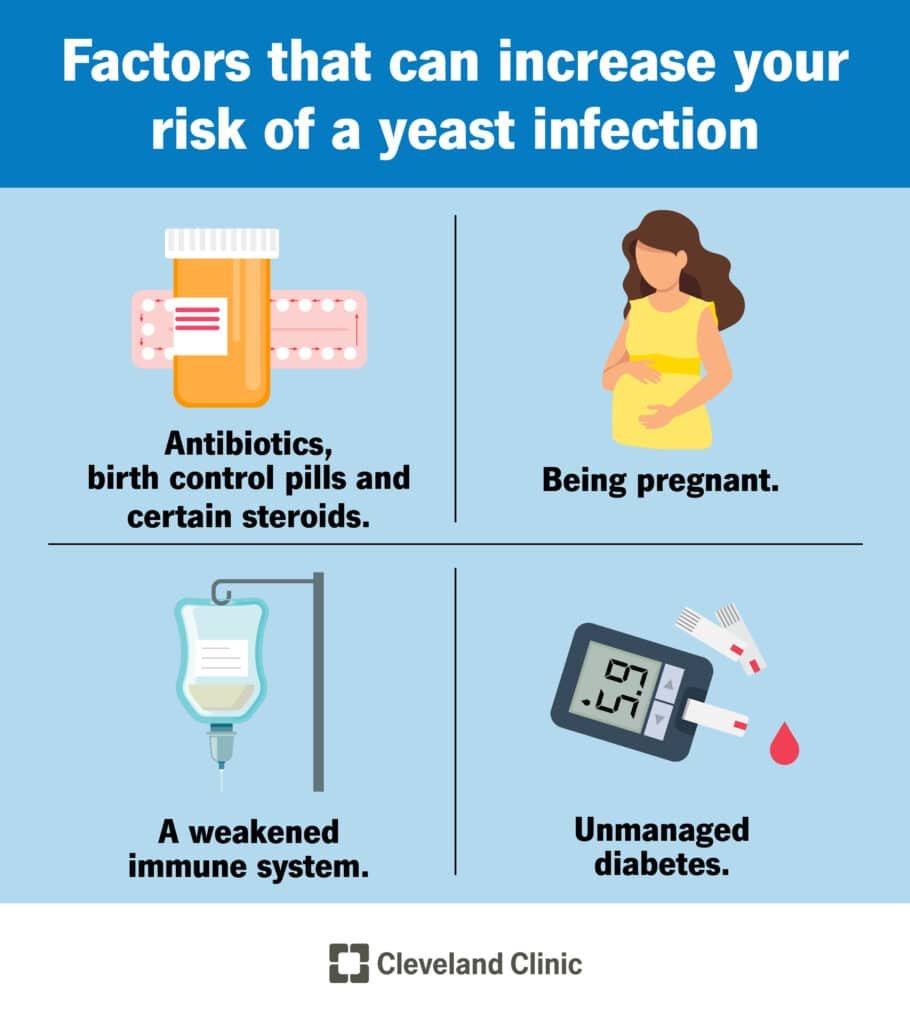
Yeast infections can be caused by various factors, including hormonal changes, a weakened immune system, antibiotic use, poor hygiene practices, and high levels of sugar in the bloodstream. Certain conditions, such as diabetes, pregnancy, and HIV/AIDS, can also increase the risk of developing yeast infections.
Symptoms of yeast infections
The symptoms of a yeast infection can vary from person to person, but some common signs include itching, redness, swelling, a thick white discharge that resembles cottage cheese, and pain or discomfort during sexual intercourse or urination. If you experience any of these symptoms, it is important to seek medical advice for proper diagnosis and treatment.
Maintaining Good Hygiene
Keep the genital area clean and dry
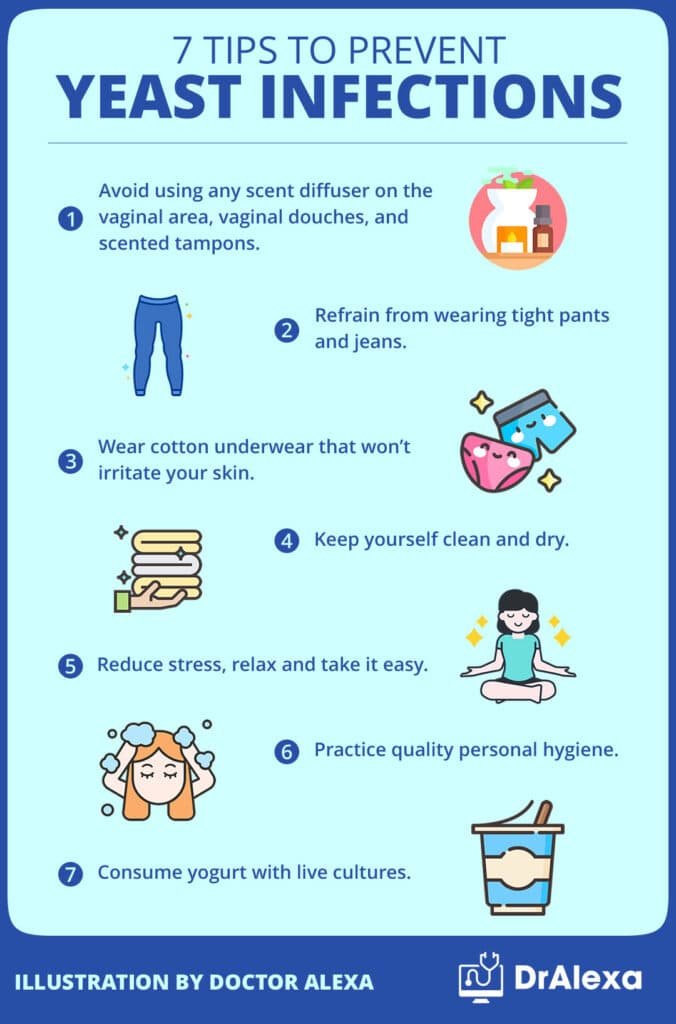
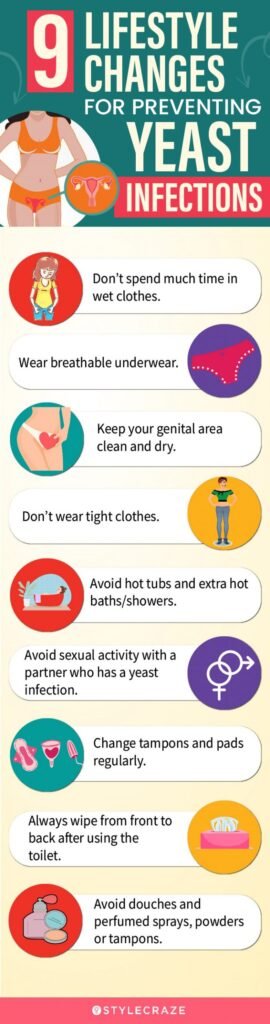
One of the key steps in preventing yeast infections is to keep the genital area clean and dry. This can be achieved by gently washing the area with mild, unscented soap and warm water. After washing, make sure to thoroughly dry the area, as moisture can create an environment for yeast to thrive.
Avoid using scented products
It is crucial to avoid using scented soaps, bubble baths, shower gels, and feminine sprays in the genital area. These products can disrupt the natural balance of the vagina and increase the risk of developing a yeast infection. Opt for mild, fragrance-free products instead.
Wear breathable cotton underwear
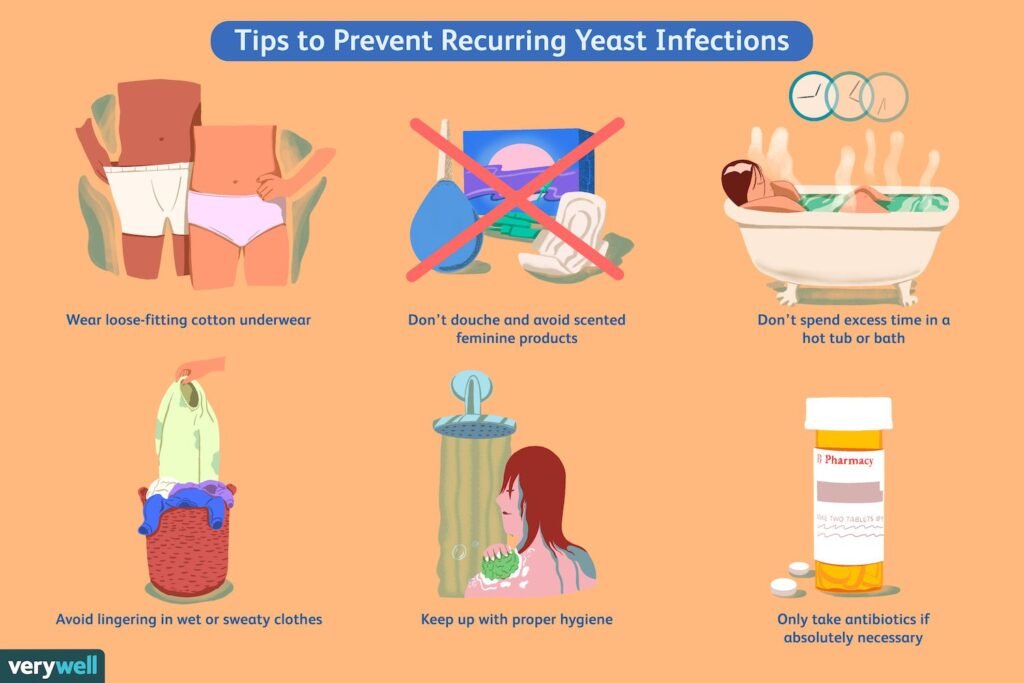
Choosing the right underwear can make a significant difference in preventing yeast infections. Opt for breathable cotton underwear that allows air to circulate and moisture to evaporate. Avoid tight-fitting underwear made of synthetic materials, as they can trap moisture and create an ideal environment for yeast to grow.
Balancing Vaginal pH
Understanding the importance of vaginal pH
Vaginal pH plays a crucial role in maintaining a healthy environment. The normal pH range for the vagina is between 3.8 and 4.5, which is slightly acidic. This acidity helps to keep the growth of harmful bacteria and yeast in check. When the pH balance is disrupted, it can lead to an overgrowth of yeast and result in an infection.
Avoid douching
Douching, or washing the vagina with water or other solutions, is not recommended as it can disrupt the natural pH balance and contribute to the development of yeast infections. The vagina is self-cleansing and has its own mechanism to maintain a healthy pH level.
Use pH-balanced intimate washes
Using pH-balanced intimate washes can help maintain the natural acidity of the vagina and promote a healthy pH balance. These washes are specifically formulated to be gentle and mild, avoiding harsh ingredients that can disrupt the vaginal environment. It is important to choose a product that is specifically designed for intimate use and has a pH level within the normal range.
Maintaining a Healthy Diet
Limit sugar consumption
Yeast feeds on sugar, so it is important to limit your sugar consumption to help prevent yeast infections. This includes reducing your intake of sugary snacks, processed foods, and sugary drinks. Opt for a balanced diet that is rich in nutrients and low in added sugars.
Increase probiotic intake
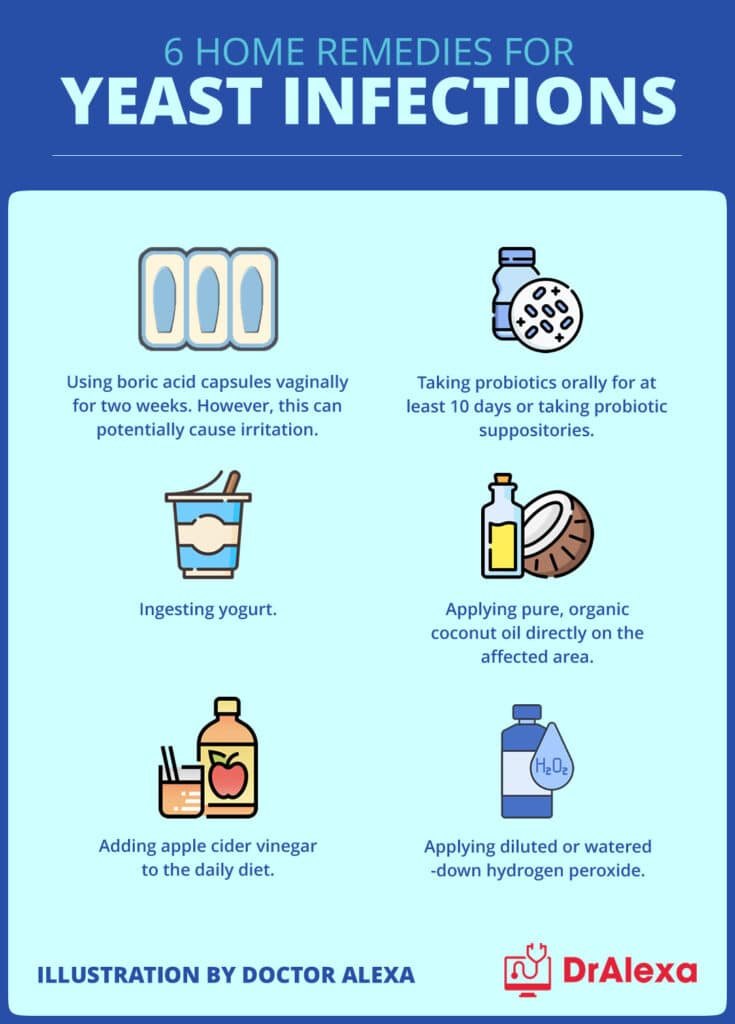
Probiotics are beneficial bacteria that can help maintain a healthy balance of microorganisms in the body, including the vagina. Consuming foods rich in probiotics, such as yogurt, kefir, sauerkraut, and kimchi, can help support a healthy vaginal environment and reduce the risk of yeast infections.
Eat a balanced diet
In addition to limiting sugar and increasing probiotic intake, it is important to maintain a balanced diet overall. This means consuming a variety of fruits, vegetables, whole grains, lean proteins, and healthy fats. A well-rounded diet can support overall health and strengthen the immune system, which plays a vital role in preventing infections, including yeast infections.
Using the Right Fabrics
Avoid tight-fitting clothes
Wearing tight-fitting clothes, especially in the genital area, can trap moisture and heat, creating an ideal environment for yeast to grow. Opt for loose-fitting clothing that allows air circulation and reduces the risk of creating a moist environment that promotes yeast overgrowth.
Choose natural and breathable fabrics
When it comes to choosing clothing, opt for natural and breathable fabrics such as cotton, linen, or bamboo. These materials allow air to circulate and moisture to evaporate, helping to keep the genital area dry and reducing the risk of yeast infections. Avoid synthetic fabrics that can trap moisture and heat.
Change out of wet clothing promptly
If you sweat a lot or get wet due to activities such as swimming or exercising, make sure to change out of your wet clothing promptly. Moisture trapped in clothing can create an environment where yeast can thrive. By changing into dry clothing, you reduce the risk of developing a yeast infection.
Avoiding Irritants
Avoid using harsh soaps or laundry detergents
Harsh soaps and laundry detergents can irritate the delicate genital area and disrupt its natural pH balance. Opt for mild, fragrance-free soaps and detergents that are gentle on the skin. Look for products labeled as hypoallergenic or specifically formulated for sensitive skin.
Be cautious with feminine hygiene products
Feminine hygiene products such as douches, vaginal sprays, and powders are unnecessary and can do more harm than good. These products can disrupt the natural balance of the vagina and increase the risk of yeast infections. It is best to avoid using them altogether.
Take care when using antibiotics
Antibiotics are designed to kill harmful bacteria, but they can also kill beneficial bacteria in the body, including the ones that keep yeast growth in check. If you need to take antibiotics, talk to your doctor about strategies to minimize the risk of developing a yeast infection. They may recommend taking probiotics or using antifungal creams to help maintain a healthy balance.
Practicing Safe Sex
Use condoms consistently
Using condoms consistently and correctly can help reduce the risk of developing yeast infections. Condoms create a barrier that prevents the exchange of bodily fluids and helps protect against sexually transmitted infections. They can also help reduce the risk of introducing harmful bacteria or yeast into the vaginal area.
Avoid sharing sex toys
Sharing sex toys can introduce bacteria and yeast into the vaginal area, increasing the risk of developing an infection. If you do choose to use sex toys, make sure to clean them thoroughly before and after each use. Use warm water and mild soap or a sex toy cleaner specifically designed for the purpose.
Urinate after intercourse
Urinating after intercourse can help flush out any bacteria or yeast that may have entered the urethra during sexual activity. This simple step can help reduce the risk of urinary tract infections and yeast infections.
Managing Stress Levels
Recognize and manage stress
Stress can have a negative impact on overall health, including the immune system. High stress levels can increase the risk of infections, including yeast infections. It is important to recognize sources of stress in your life and find healthy ways to manage and cope with them. This may include practicing relaxation techniques, seeking support from loved ones, or engaging in activities that promote stress reduction.
Engage in relaxation techniques
Relaxation techniques such as deep breathing, meditation, yoga, or taking a warm bath can help reduce stress levels and promote overall well-being. Finding time to engage in these activities regularly can have a positive impact on both physical and mental health.
Prioritize self-care
Taking care of yourself is essential for maintaining good overall health and reducing the risk of infections. Make sure to prioritize self-care activities that promote relaxation, such as getting enough sleep, engaging in hobbies or activities you enjoy, and setting aside time for rest and rejuvenation. Self-care looks different for everyone, so find what works best for you and make it a priority.
Keeping the Immune System Strong
Get enough sleep
Adequate sleep is crucial for a strong immune system. During sleep, the body repairs and rejuvenates itself, including the immune system. Aim for 7-8 hours of quality sleep every night to support optimal immune function and reduce the risk of infections, including yeast infections.
Exercise regularly
Regular exercise has numerous health benefits, including boosting the immune system. Engaging in moderate-intensity activities such as brisk walking, cycling, or swimming can help strengthen the immune system and reduce the risk of infections. Aim for at least 150 minutes of moderate-intensity exercise per week.
Optimize nutrition
Eating a balanced diet that is rich in nutrients is essential for a strong immune system. Focus on consuming a variety of fruits, vegetables, whole grains, lean proteins, and healthy fats to provide your body with the necessary nutrients to function optimally. Including immune-boosting foods such as citrus fruits, berries, leafy greens, and nuts can provide added support in maintaining a healthy immune system.
Seeking Medical Advice
When to see a doctor
If you suspect you have a yeast infection or have recurrent infections despite self-care measures, it is advisable to seek medical advice. A healthcare professional will be able to properly diagnose the infection and recommend appropriate treatment. It is especially important to seek medical attention if you experience severe symptoms or have a weakened immune system.
Treatment options
Yeast infections can typically be treated with over-the-counter antifungal medications, such as creams, suppositories, or oral medications. Your healthcare provider may also prescribe stronger medications if necessary. It is important to follow the recommended treatment plan and complete the full course of medication to ensure that the infection is fully cleared.
Prevention strategies
Once you have successfully treated a yeast infection, it is important to take preventive measures to reduce the risk of future infections. Following the aforementioned tips, such as maintaining good hygiene, balancing vaginal pH, maintaining a healthy diet, using the right fabrics, avoiding irritants, practicing safe sex, managing stress levels, keeping the immune system strong, and seeking medical advice when necessary, can help prevent recurrent yeast infections.
In conclusion, understanding yeast infections and taking preventive measures can significantly reduce the risk of developing this common condition. By practicing good hygiene, maintaining a healthy lifestyle, and seeking medical advice when needed, you can minimize the chances of experiencing the discomfort and inconvenience of a yeast infection. Remember, prevention is key!