
Hey there! Did you know that certain lifestyle factors can play a significant role in preventing womb cancer? Yes, it’s true! In this article, we’ll take a closer look at how your lifestyle choices can impact your risk of developing womb cancer. From maintaining a healthy weight to regular exercise and a balanced diet, we’ll explore the key factors that can help reduce your chances of this type of cancer. So, let’s dive right in and discover the steps you can take to protect yourself and lead a healthier life!
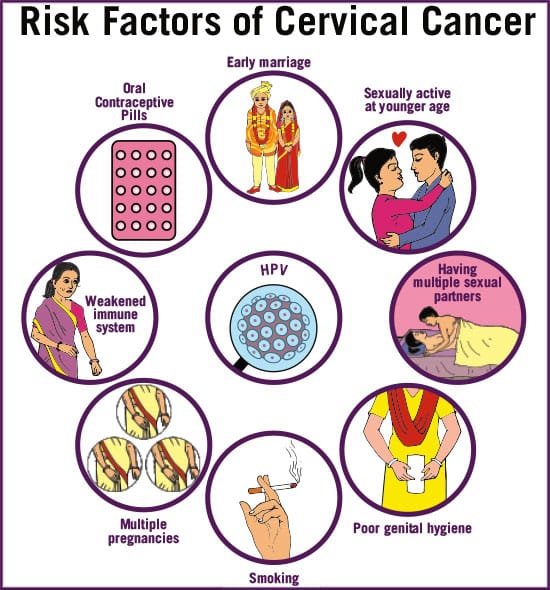
Risk Factors for Womb-Uterus Cancer
Age
Age is a key factor when it comes to the risk of developing womb-uterus cancer. The majority of cases occur in women over the age of 50, especially in those who have gone through menopause. As women grow older, the cells lining the uterus may become more susceptible to abnormal changes, increasing the likelihood of cancerous growth. Regular screenings and discussions with your healthcare provider become increasingly important as you age to monitor any potential signs of cancer.
Hormone Levels
Hormones play an essential role in the development and functioning of the uterus. Estrogen, in particular, has been linked to an increased risk of womb-uterus cancer. Women with higher levels of estrogen, whether naturally or due to hormonal imbalances, may be at a higher risk. This is why hormone replacement therapy (HRT) should be carefully considered and monitored, especially in postmenopausal women.
Obesity
Carrying excess weight can have significant implications for various aspects of health, and womb-uterus cancer is no exception. Obesity has been identified as a notable risk factor for this type of cancer. Adipose tissue, or fat cells, produce estrogen, which can disrupt the hormonal balance in the body. Additionally, obesity is associated with chronic inflammation, which can contribute to the development of cancerous cells. Maintaining a healthy weight is crucial for reducing the risk of womb-uterus cancer.
Family History
A strong family history of womb-uterus cancer can increase your own risk of developing the disease. If you have a close family member, such as a mother or sister, who has been diagnosed with womb-uterus cancer, your risk may be higher. This suggests a possible genetic component to the development of the disease. It is crucial to inform your healthcare provider about any family history of cancer, as they can offer appropriate guidance and recommendations for screenings and preventive measures.
Reproductive Factors
Certain reproductive factors can influence the risk of womb-uterus cancer. Women who have never been pregnant or who had their first pregnancy after the age of 30 may have a slightly higher risk. Additionally, starting menstruation at an early age or experiencing a late menopause can contribute to an increased risk. These factors indicate a longer exposure to estrogen, which is known to play a significant role in the development of this cancer.
Tamoxifen Use
Tamoxifen, a medication commonly prescribed for breast cancer treatment, has been associated with an increased risk of womb-uterus cancer. While it can be highly effective in treating breast cancer, it is essential to weigh the potential benefits against the risks. If you are taking tamoxifen or considering it as a treatment option, discuss the potential side effects, including the risk of womb-uterus cancer, with your healthcare provider. Regular monitoring and screening can help detect any abnormal changes in the uterus.
Role of Lifestyle in Womb-Uterus Cancer Prevention
Healthy Weight Management
Maintaining a healthy weight is a critical factor in reducing the risk of womb-uterus cancer. Obesity and excess body fat have been linked to an increased likelihood of developing this cancer. It is essential to manage your weight through a combination of healthy eating and regular physical activity. By adopting a balanced approach to your weight, you can reduce the excessive production of estrogen in the body, lower inflammation levels, and decrease the risk of womb-uterus cancer.
Physical Activity
Engaging in regular physical activity has numerous health benefits, including reducing the risk of womb-uterus cancer. Exercise helps maintain a healthy weight, controls hormone levels, improves insulin sensitivity, and enhances the overall functioning of your body. Aim for at least 150 minutes of moderate-intensity aerobic activity or 75 minutes of vigorous-intensity aerobic activity every week. Remember, every little effort counts, so even small bursts of activity throughout the day can contribute to lowering your cancer risk.
Healthy Diet
No discussion of cancer prevention would be complete without emphasizing the importance of a healthy diet. A balanced diet rich in fruits, vegetables, whole grains, lean proteins, and healthy fats can have a significant impact on reducing the risk of womb-uterus cancer. These foods provide essential nutrients, antioxidants, and fiber while minimizing the consumption of processed and sugary foods. By making conscious choices and incorporating nutrient-dense foods into your meals, you can enhance your overall health and reduce the risk of cancer.
Avoidance of Hormone Replacement Therapy (HRT)
Hormone replacement therapy (HRT) is often prescribed to alleviate menopausal symptoms, but it is crucial to weigh the risks and benefits carefully. HRT, particularly the use of estrogen-only formulations, has been associated with an increased risk of womb-uterus cancer. If you are considering HRT, discuss alternative treatments and therapeutic options with your healthcare provider. It is important to find the right balance between managing menopausal symptoms and minimizing your cancer risk.
Avoidance of Excessive Alcohol Consumption
Excessive alcohol consumption has been linked to various types of cancer, including womb-uterus cancer. Regularly exceeding the recommended alcohol limits can disrupt hormone levels, impair liver function, and lead to chronic inflammation. To reduce your risk, it is advisable to follow the recommended guidelines for alcohol consumption. For women, this means limiting alcohol to no more than one drink per day. By making mindful choices and moderating your alcohol intake, you can protect your overall health and lower the risk of cancer.
Avoidance of Smoking and Tobacco Use
Smoking and tobacco use have long been recognized as significant risk factors for multiple forms of cancer, including womb-uterus cancer. The harmful chemicals in tobacco can directly damage DNA, disrupt hormone levels, and promote the growth of cancerous cells. Quitting smoking and avoiding tobacco in any form can have immediate and long-term benefits for your health. It is never too late to quit, and doing so can significantly reduce your risk of womb-uterus cancer and improve your overall well-being.

Healthy Weight Management
Maintaining a Healthy Body Weight
Achieving and maintaining a healthy body weight is crucial for reducing the risk of womb-uterus cancer. Excess weight, especially around the abdomen, can disrupt hormonal balance and promote inflammation, creating an environment conducive to the development of cancer. To maintain a healthy weight, focus on consuming a balanced diet, engaging in regular physical activity, and adopting a sustainable lifestyle that includes healthy habits such as portion control and mindful eating.
Body Mass Index (BMI)
Body mass index (BMI) is a widely used measurement to assess whether a person’s weight is within a healthy range for their height. Maintaining a BMI within the normal range (18.5 to 24.9) is associated with a lower risk of womb-uterus cancer. Regularly monitoring your BMI and discussing it with your healthcare provider can help you stay on track and make necessary adjustments to your lifestyle to maintain a healthy weight.
Waist Circumference
In addition to BMI, waist circumference is another valuable indicator of abdominal fat, which can be particularly detrimental to health. Women with a waist circumference of 35 inches (88 cm) or more have an increased risk of womb-uterus cancer. Measuring your waist circumference regularly and taking steps to reduce it, such as through exercise and healthy eating, can greatly contribute to lowering your cancer risk.
Physical Activity
Importance of Regular Physical Activity
Engaging in regular physical activity is essential for overall health and plays a significant role in reducing the risk of womb-uterus cancer. Exercise not only helps with weight management but also improves insulin sensitivity, hormonal balance, and immune function. It can also have a positive impact on mental health and well-being. By incorporating exercise into your daily routine, you can significantly decrease the risk of womb-uterus cancer while improving your overall quality of life.
Recommended Exercise Guidelines
To lower the risk of womb-uterus cancer, it is recommended to engage in at least 150 minutes of moderate-intensity aerobic activity or 75 minutes of vigorous-intensity aerobic activity every week. Moderate-intensity activities include brisk walking, cycling, and dancing, while vigorous-intensity activities may include running, swimming, or playing sports. Additionally, strength training exercises at least two days a week can help build and maintain muscle mass, further enhancing overall health.
Types of Exercise for Reducing Womb Cancer Risk
When it comes to reducing the risk of womb-uterus cancer, a combination of aerobic exercises and strength training is ideal. Aerobic activities help improve cardiovascular health, promote weight management, and regulate hormone levels. Strength training exercises, on the other hand, help build muscle, increase metabolism, and improve body composition. It is important to find activities that you enjoy and can incorporate into your routine consistently to reap the long-term benefits.
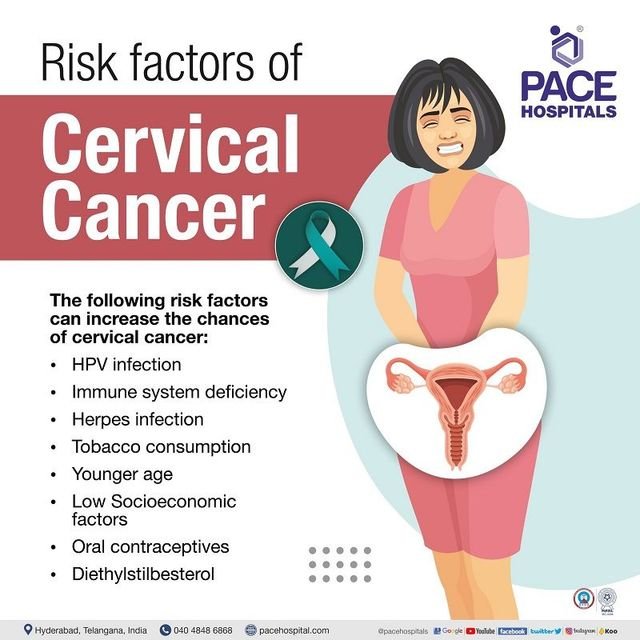
Healthy Diet
Importance of a Balanced Diet
Maintaining a balanced diet is crucial for reducing the risk of womb-uterus cancer. A diet rich in fruits, vegetables, whole grains, lean proteins, and healthy fats provides essential nutrients, antioxidants, and fiber that support overall health. It is important to aim for a variety of foods from different groups to ensure an adequate intake of vitamins, minerals, and other beneficial compounds. By adopting a balanced approach to your diet, you can nourish your body and lower the risk of womb-uterus cancer.
Foods to Incorporate into the Diet
Incorporating certain foods into your diet can further enhance your body’s defense against womb-uterus cancer. Fruits and vegetables, especially those with vibrant colors, are packed with essential vitamins, minerals, and antioxidants that help protect against cancer. Whole grains, such as brown rice and whole wheat bread, provide fiber and other nutrients that promote healthy digestion and regulate hormones. Lean proteins, such as fish, poultry, and legumes, offer essential amino acids for cell repair and immune function. Healthy fats, like those found in avocados and nuts, provide valuable nutrients and support hormone synthesis.
Foods to Limit or Avoid
To reduce the risk of womb-uterus cancer, it is advisable to limit or avoid certain foods. Processed and red meats, such as hot dogs and bacon, have been associated with an increased risk of cancer. High-fat and sugary foods should also be consumed in moderation, as they can contribute to weight gain and hormone imbalances. Limiting your intake of processed and sugary foods, while focusing on whole, nutrient-dense options, can significantly contribute to lowering the risk of womb-uterus cancer.
Avoidance of Hormone Replacement Therapy (HRT)
Understanding the Risks Associated with HRT
Hormone replacement therapy (HRT) involves the use of medications, typically estrogen and progesterone, to alleviate menopausal symptoms. However, it is important to understand the potential risks associated with HRT. Estrogen-only formulations have been linked to an increased risk of womb-uterus cancer. Adding progesterone to the treatment regimen can help offset this risk in women who still have a uterus. It is crucial to discuss the potential benefits and risks of HRT with your healthcare provider to make an informed decision regarding treatment options.
Alternative Treatments for Menopausal Symptoms
If you are experiencing menopausal symptoms but are concerned about the risks associated with HRT, several alternative treatments may provide relief. Non-hormonal medications, such as selective serotonin reuptake inhibitors (SSRIs) or serotonin-norepinephrine reuptake inhibitors (SNRIs), can help manage hot flashes and mood changes. Lifestyle modifications, including regular exercise, healthy diet, stress reduction, and sleep hygiene, can also play a significant role in managing menopausal symptoms naturally. Discuss these options with your healthcare provider to determine the most suitable approach for your specific needs.
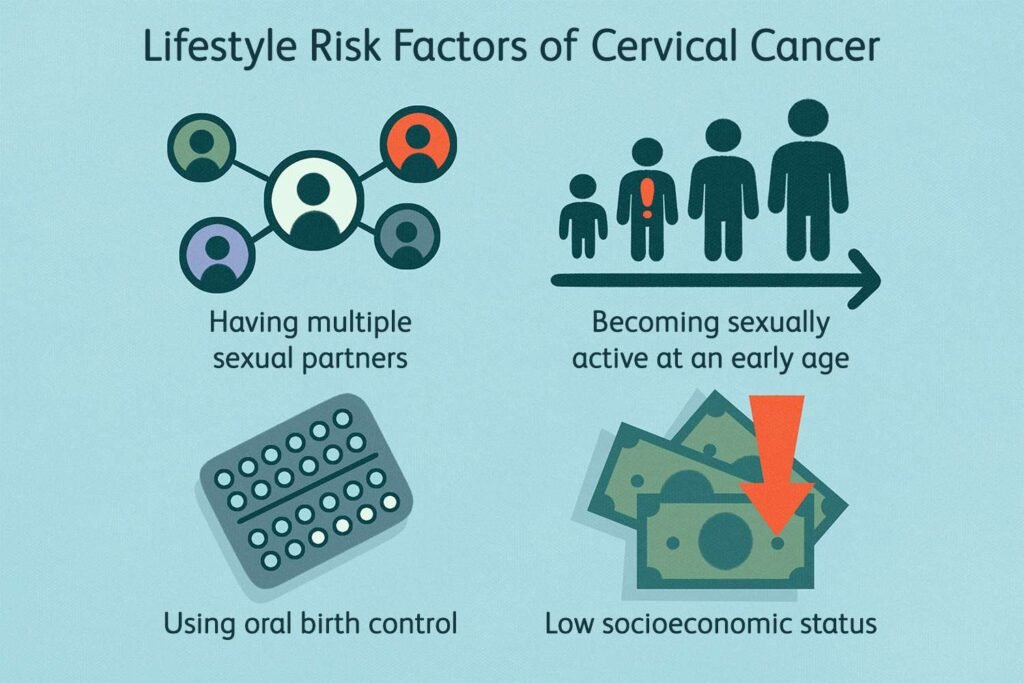
Avoidance of Excessive Alcohol Consumption
Link Between Alcohol and Womb Cancer
Excessive alcohol consumption has been consistently linked to an increased risk of various types of cancer, including womb-uterus cancer. Alcohol can disrupt hormone levels, impair liver function, and lead to chronic inflammation, all of which contribute to the development of cancerous cells. It is important to understand that the risk of cancer increases with higher alcohol consumption, so moderating your intake is crucial for reducing your risk.
Recommended Alcohol Limits
To lower the risk of womb-uterus cancer, it is recommended to adhere to the guidelines for moderate alcohol consumption. For women, this means limiting alcohol intake to no more than one drink per day. It is important to note that these guidelines apply to standard drink sizes, which typically contain about 14 grams of pure alcohol. By being mindful of your alcohol consumption and staying within these limits, you can significantly reduce the risk of womb-uterus cancer and protect your overall health.
Avoidance of Smoking and Tobacco Use
Impact of Smoking on Womb Cancer Risk
Smoking and tobacco use have been linked to numerous types of cancer, and womb-uterus cancer is no exception. The harmful chemicals in tobacco smoke can directly damage DNA, disrupt hormone levels, and promote the growth of cancerous cells. Women who smoke regularly have a higher risk of developing womb-uterus cancer compared to non-smokers. It is crucial to recognize the impact of smoking on your health and take steps to quit smoking for the sake of reducing your cancer risk.
Benefits of Quitting Smoking
Quitting smoking has immediate and long-term benefits for your health, including a significant reduction in the risk of womb-uterus cancer. Within a few years of quitting, your body begins to repair the damage caused by smoking, resulting in improved lung function and reduced risk of various diseases, including cancer. Quitting smoking is one of the best decisions you can make for your health and overall well-being. Reach out to your healthcare provider or local cessation resources for support and guidance on quitting smoking successfully.
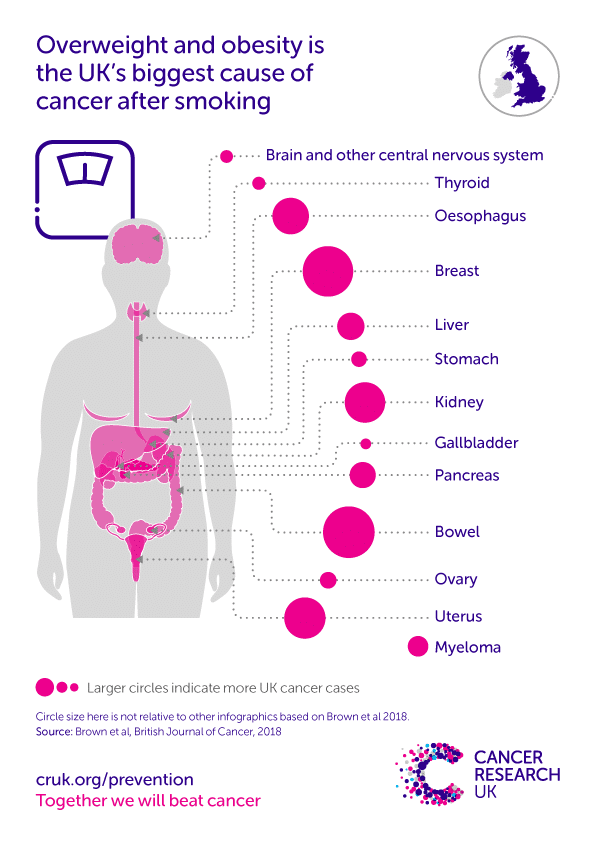
Age
Age as a Risk Factor for Womb Cancer
Age is a significant risk factor for the development of womb-uterus cancer. While this cancer can occur at any age, the majority of cases are diagnosed in women over the age of 50. As women grow older, the cells lining the uterus may undergo changes that increase the risk of cancer. It is important to be particularly vigilant as you age and to maintain regular screenings and discussions with your healthcare provider to monitor any potential signs of cancer.
Postmenopausal Women and Increased Risk
Postmenopausal women face an increased risk of developing womb-uterus cancer. The hormonal changes that occur during menopause, including a decrease in estrogen levels, can impact the lining of the uterus and increase the likelihood of abnormal cell growth. It is important for postmenopausal women to be aware of the potential risks and to prioritize regular check-ups and screenings. By staying informed and proactive, you can mitigate the risks associated with age and hormonal changes.
Tamoxifen Use
Tamoxifen as a Risk Factor for Womb Cancer
Tamoxifen, a medication commonly prescribed for the treatment of breast cancer, has been associated with an increased risk of womb-uterus cancer. While tamoxifen can be highly effective in treating breast cancer, it is important to carefully weigh the potential benefits against the risks. Women taking tamoxifen should have regular monitoring and screening to detect any abnormal changes in the uterus. Discuss the potential risks and benefits with your healthcare provider to make informed decisions regarding your treatment options.
Risk-Benefit Analysis for Women Taking Tamoxifen
For women who are at high risk of developing breast cancer, the benefits of taking tamoxifen may outweigh the potential risks. However, it is crucial to conduct a thorough risk-benefit analysis in consultation with your healthcare provider. Factors such as age, family history, and personal medical history should be considered when making decisions about tamoxifen use. Regular monitoring and screenings are essential for detecting any potential changes in the uterus and mitigating the risks associated with tamoxifen treatment.