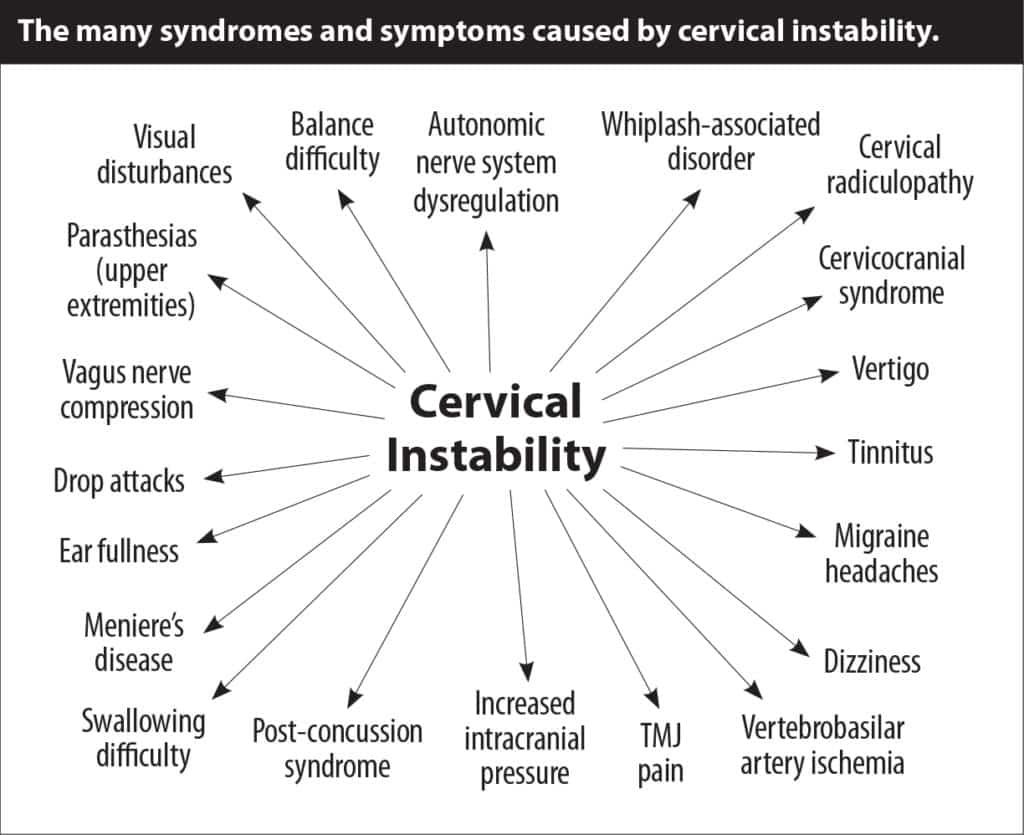
If you’re suffering from tinnitus, the constant ringing or buzzing in your ears, you may have tried various treatments already. But have you considered a cervical tinnitus treatment? In this article, we will explore how addressing the cervical spine can have a positive impact on reducing tinnitus symptoms. Discover the potential benefits of this alternative approach and how it may provide relief for those living with this frustrating condition.

What is Cervical Tinnitus?
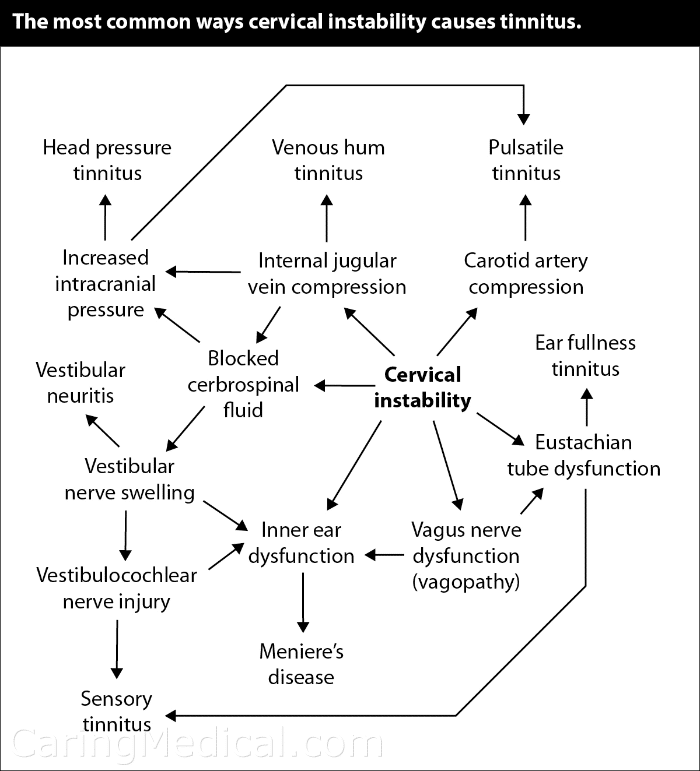
Cervical tinnitus refers to the perception of ringing or other sounds in the ears that result from issues related to the cervical spine, which is the part of the spine located in the neck region. While tinnitus is commonly associated with conditions affecting the ears, such as hearing loss and damage to the inner ear, cervical tinnitus is unique in that its underlying cause is often related to problems in the neck.
Causes of Cervical Tinnitus
Muscle tension and spasms
Muscle tension and spasms in the neck can lead to cervical tinnitus. When the muscles in the neck become tight and constricted, they can put pressure on the nerves and blood vessels that supply the ears. This pressure can disrupt the normal function of these structures and cause tinnitus symptoms to arise.
Nerve compression
Nerve compression in the cervical spine can also contribute to the development of cervical tinnitus. Conditions such as cervical radiculopathy, where the nerves in the neck become pinched or compressed, can result in abnormal sensory signals being sent to the brain. These signals can be interpreted as ringing or buzzing sounds, leading to tinnitus.
Whiplash injuries
Whiplash injuries, often associated with car accidents or sports-related activities, can cause damage to the structures in the neck and lead to cervical tinnitus. The sudden and forceful movement of the head can strain or sprain the neck muscles, ligaments, and tendons. This can result in inflammation and irritation, potentially affecting the nerves and blood vessels in the area and causing tinnitus symptoms.
Diagnosing Cervical Tinnitus
To determine the presence of cervical tinnitus and identify its underlying cause, healthcare professionals will typically employ a combination of medical history evaluation, physical examination, imaging tests, and hearing tests.
Medical history and physical examination
In order to gather pertinent information about the individual’s symptoms, medical history, and any possible contributing factors, the healthcare provider will conduct an extensive interview. They will also perform a physical examination, focusing on the neck region, to assess for any abnormalities or signs of muscle tension or nerve compression.
Imaging tests
Imaging tests, such as X-rays, magnetic resonance imaging (MRI), or computed tomography (CT) scans, may be ordered to provide a detailed look at the structures in the cervical spine. These tests can help identify any structural abnormalities or signs of nerve compression that may be contributing to the development of cervical tinnitus.
Hearing tests
Hearing tests, such as pure-tone audiometry and tinnitus matching tests, may be conducted to evaluate the individual’s hearing function and determine the specific characteristics of the tinnitus they are experiencing. These tests can help differentiate between cervical tinnitus and other forms of tinnitus that may be unrelated to neck issues.
Traditional Treatment Options
Traditional treatment options for cervical tinnitus aim to address the underlying cause of the condition and alleviate the associated symptoms. These options typically include medication, physical therapy, and chiropractic care.
Medications
Medications may be prescribed to manage the symptoms of cervical tinnitus. Nonsteroidal anti-inflammatory drugs (NSAIDs) can help reduce inflammation in the neck region and alleviate pain. Muscle relaxants may also be prescribed to relieve muscle tension and spasms. In some cases, antidepressant medications and anti-anxiety drugs may be used to manage the psychological distress that can accompany tinnitus.
Physical therapy
Physical therapy can be beneficial for individuals with cervical tinnitus. Therapeutic exercises, stretching techniques, and manual therapy can help relax the neck muscles, improve range of motion, and promote proper alignment of the cervical spine. This can help reduce nerve compression and alleviate tinnitus symptoms.
Chiropractic care
Chiropractic care focuses on the alignment and manipulation of the spine to alleviate pain and improve overall function. Chiropractors may use manual adjustment techniques to realign the vertebrae in the cervical spine, reduce muscle tension, and relieve pressure on the nerves and blood vessels in the neck. This can help alleviate tinnitus symptoms associated with cervical issues.

Alternative Treatment Options
In addition to traditional treatment options, there are alternative treatment approaches that may be helpful in managing cervical tinnitus. These options include acupuncture, massage therapy, and stretching exercises.
Acupuncture
Acupuncture is a technique rooted in traditional Chinese medicine that involves the insertion of thin needles into specific points on the body. This practice is believed to stimulate the flow of energy, or qi, in the body and promote healing. Acupuncture may be used to relieve muscle tension and reduce nerve compression in the neck, potentially alleviating cervical tinnitus symptoms.
Massage therapy
Massage therapy involves the manipulation of muscles and soft tissues to promote relaxation, improve circulation, and reduce pain and tension. In the context of cervical tinnitus, massage techniques focused on the neck area can help relax the muscles, relieve spasms, and improve overall neck function. This can potentially alleviate tinnitus symptoms.
Stretching exercises
Stretching exercises targeting the neck and upper back can help improve flexibility, reduce muscle tension, and promote proper posture. These exercises may help alleviate the underlying physical causes of cervical tinnitus, allowing the affected individuals to experience relief from their symptoms.
Holistic Approach to Cervical Tinnitus
Taking a holistic approach to cervical tinnitus involves addressing not only the physical aspects but also considering the mind-body connection and making necessary lifestyle changes. This approach focuses on mind-body techniques, dietary changes, and stress management.
Mind-body techniques
Mind-body techniques, such as meditation, deep breathing exercises, and relaxation techniques, can be beneficial for individuals with cervical tinnitus. These techniques help reduce stress and promote relaxation, which can in turn alleviate muscle tension and improve overall well-being.
Dietary changes
Certain dietary changes may help support the management of cervical tinnitus. Individuals with tinnitus may benefit from reducing their consumption of caffeine, alcohol, and heavily salted or sugary foods, as these can potentially exacerbate tinnitus symptoms. Increasing the intake of antioxidant-rich foods, such as fruits and vegetables, and omega-3 fatty acids, found in fatty fish like salmon, may also be beneficial.
Stress management
Stress is known to exacerbate tinnitus symptoms, so implementing stress management techniques is essential for individuals with cervical tinnitus. Engaging in activities such as yoga, tai chi, or participating in counseling or support groups can provide support and help individuals better cope with stress. In addition, getting regular exercise, practicing good sleep hygiene, and maintaining a healthy work-life balance can contribute to stress reduction and overall well-being.
Surgical Intervention
In cases where conservative treatment approaches are not effective in managing cervical tinnitus, surgical intervention may be considered. The two main surgical procedures used in the treatment of cervical tinnitus are cervical spine surgery and cochlear implant surgery.
Cervical spine surgery
Cervical spine surgery may be performed to address structural abnormalities in the neck that are causing cervical tinnitus. This can involve removing bone spurs, correcting herniated discs, or relieving nerve compression through decompression surgeries. The goal of these procedures is to alleviate the underlying cause of the tinnitus and restore proper nerve function.
Cochlear implant surgery
Cochlear implant surgery is primarily used in cases of severe hearing loss and tinnitus that is not responsive to other forms of treatment. This surgical procedure involves the implantation of a device that replaces the function of the damaged inner ear by directly stimulating the auditory nerve. While it is not a common treatment option for cervical tinnitus, it may be considered in certain cases.
Lifestyle Changes and Self-Care Practices
In addition to medical and therapeutic interventions, making certain lifestyle changes and practicing self-care can play a significant role in managing cervical tinnitus effectively.
Maintaining good posture
Maintaining good posture is crucial in preventing the exacerbation of cervical tinnitus symptoms. Proper alignment of the spine and neck can help alleviate muscle tension and reduce the risk of nerve compression. Avoiding prolonged periods of sitting or standing in unhealthy positions and using ergonomic furniture can contribute to maintaining good posture.
Avoiding excessive neck strain
Avoiding excessive strain on the neck can help minimize the risk of developing or worsening cervical tinnitus. This includes avoiding activities that involve prolonged or repetitive neck movements, such as cradling the phone between the shoulder and ear or carrying heavy loads on one side of the body. Taking regular breaks during activities that strain the neck and utilizing proper lifting techniques can also help prevent neck strain.
Using ear protection
Protecting the ears from loud noises can be beneficial in managing cervical tinnitus. Exposure to loud sounds can exacerbate tinnitus symptoms and potentially lead to further damage to the ears. Wearing ear protection, such as earplugs or earmuffs, in noisy environments or when participating in activities with loud noises, can help reduce the risk of tinnitus worsening.

Supportive Therapies for Cervical Tinnitus
In addition to the primary treatment options, supportive therapies can be employed to provide further relief and support for individuals with cervical tinnitus. These therapies include sound therapy, cognitive behavioral therapy (CBT), and participation in support groups.
Sound therapy
Sound therapy involves the use of specific sounds or external noise to mask or distract from the perception of tinnitus. White noise machines, sound therapy apps, or hearing aids with built-in sound generators can provide relief by creating a more soothing auditory environment and reducing the prominence of tinnitus sounds.
Cognitive behavioral therapy
Cognitive behavioral therapy focuses on identifying and modifying negative thoughts, emotions, and behaviors associated with tinnitus. This type of therapy can help individuals develop coping strategies, reframe their perception of tinnitus, and reduce the psychological distress that often accompanies the condition.
Support groups
Participating in support groups or seeking individual counseling can be beneficial for individuals with cervical tinnitus. Meeting others who are going through similar experiences can provide a sense of community, understanding, and validation. It can also offer the opportunity to share coping strategies and learn from the experiences of others.
Preventing Cervical Tinnitus
While it may not always be possible to prevent cervical tinnitus, certain strategies can help reduce the risk of its development or progression.
Proper ergonomics
Maintaining proper ergonomics is essential in preventing cervical tinnitus. This includes ensuring that workstations are set up correctly, with monitors at eye level and chairs that provide proper support for the neck and back. Using ergonomic accessories, such as adjustable keyboards and mouse pads with wrist rests, can also help reduce strain on the neck.
Regular exercise
Engaging in regular exercise, especially activities that promote neck and spine mobility and strength, can help prevent cervical tinnitus. Exercises such as yoga, swimming, and Pilates can help improve posture, increase flexibility, and strengthen the muscles that support the neck. It is important to consult with a healthcare professional or a certified trainer before starting any exercise program.
Managing stress
Stress management plays an important role in preventing cervical tinnitus. Chronic stress can contribute to muscle tension and exacerbate tinnitus symptoms. Adopting stress reduction techniques such as mindfulness practices, engaging in hobbies or activities that promote relaxation, and prioritizing self-care can help prevent the onset or worsening of cervical tinnitus.
In conclusion, cervical tinnitus is a condition characterized by ringing or other sounds in the ears that are related to issues in the cervical spine. Muscle tension and spasms, nerve compression, and whiplash injuries are common causes of cervical tinnitus. The diagnosis of cervical tinnitus involves a thorough medical history evaluation, physical examination, imaging tests, and hearing tests.
Traditional treatment options for cervical tinnitus include medications, physical therapy, and chiropractic care. Alternative treatment options such as acupuncture, massage therapy, and stretching exercises can also be helpful. Taking a holistic approach to cervical tinnitus involves mind-body techniques, dietary changes, and stress management.
In some cases, surgical intervention may be necessary to address the underlying cause of cervical tinnitus. Cervical spine surgery and cochlear implant surgery are the main surgical procedures used for this purpose. Lifestyle changes and self-care practices, such as maintaining good posture, avoiding excessive neck strain, and using ear protection, can contribute to managing cervical tinnitus effectively.
Supportive therapies, including sound therapy, cognitive-behavioral therapy, and participation in support groups, can provide additional relief and support. Finally, implementing strategies to prevent cervical tinnitus, such as proper ergonomics, regular exercise, and stress management, can help reduce the risk of developing or worsening the condition. Consulting with a healthcare professional is recommended for an individualized treatment plan based on the specific needs and circumstances of each person affected by cervical tinnitus.