
Are you tired of suffering from the relentless discomfort and embarrassment of psoriasis? Do you wish there was a way to address the underlying triggers of this skin condition and finally find relief? Look no further, because in this captivating article, you will discover the incredible journey of Sam Johnson, who triumphantly conquered his psoriasis after 14 long years. You’ll learn how he overcame the itchy, inflamed, and unsightly symptoms by targeting the root causes of the condition. Imagine a life free from psoriasis, where your skin is clear, unblemished, and beautiful. Join Sam and the thousands of happy individuals who have successfully banished psoriasis from their lives. Watch the video and unlock the secrets to combating this troublesome skin problem once and for all.


Understanding Psoriasis
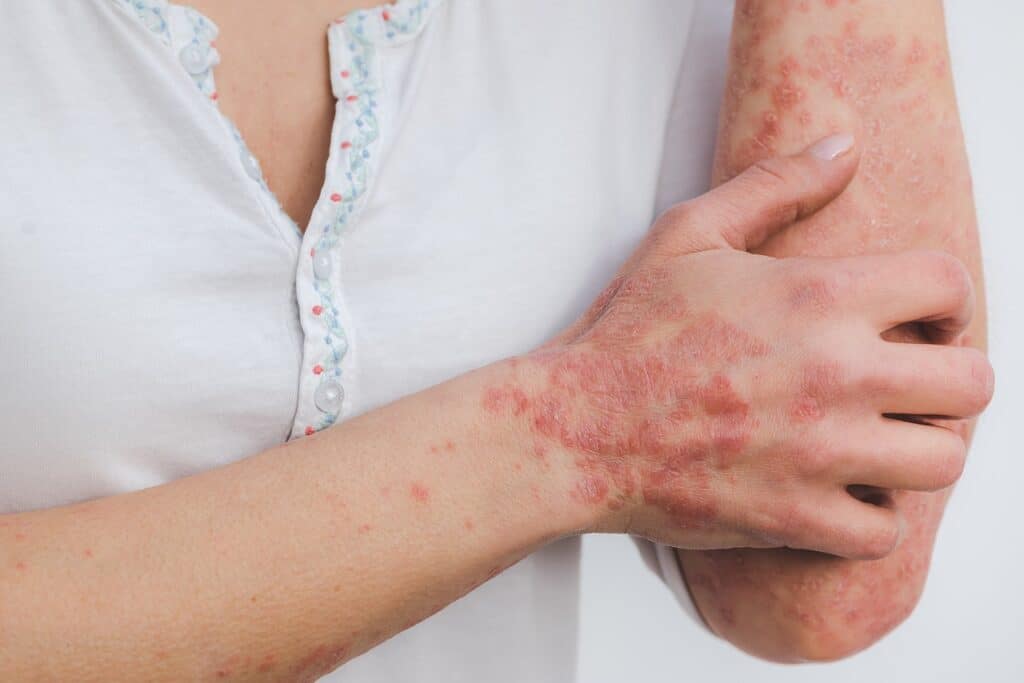
Psoriasis is a chronic autoimmune condition that affects the skin, causing it to become red, itchy, and inflamed. It is characterized by the rapid buildup of skin cells, which results in thick, scaly patches on the surface of the skin. Psoriasis is not contagious, and its exact cause is still unknown. However, researchers believe that a combination of genetic factors, immune system dysfunction, and environmental triggers contribute to its development.
Types of Psoriasis
There are several different types of psoriasis, each with its own unique characteristics. The most common type is plaque psoriasis, which is characterized by raised, red patches covered with silvery scales. Other types include guttate psoriasis, inverse psoriasis, pustular psoriasis, and erythrodermic psoriasis. It is important to note that psoriasis can affect not only the skin but also the nails, joints, and scalp.

Prevalence and Impact of Psoriasis
Psoriasis is a common condition, affecting approximately 2-3% of the population globally. It can occur at any age, but it most commonly develops in early adulthood. Psoriasis can have a significant impact on a person’s quality of life, causing physical discomfort, emotional distress, and social embarrassment. It is important for those living with psoriasis to seek appropriate treatment and support to manage their symptoms effectively.
Identifying the Underlying Triggers
Understanding the underlying triggers of psoriasis is crucial for developing an effective treatment plan. While the exact cause of psoriasis is still unknown, several factors have been identified as potential triggers for flare-ups.
Genetics and Family History
Psoriasis has a genetic component, meaning that it tends to run in families. Research has shown that certain genes can increase an individual’s susceptibility to developing psoriasis. Therefore, if you have a family history of psoriasis, you may be at a higher risk of developing the condition yourself.
Immune System Dysfunction
Psoriasis is an autoimmune condition, which means that the immune system mistakenly attacks healthy cells in the body. In the case of psoriasis, the immune system overreacts, causing inflammation and an accelerated production of skin cells. This immune system dysfunction is believed to be a major contributor to the development of psoriasis.
Environmental Factors
Certain environmental factors can trigger psoriasis flare-ups or worsen existing symptoms. These factors include cold weather, dry air, infections, injuries to the skin, and certain medications. It is important to identify and avoid these triggers to manage psoriasis effectively.
Stress and Emotional Triggers
Stress and emotional factors can also play a significant role in triggering or exacerbating psoriasis symptoms. High levels of stress, anxiety, and emotional distress have been linked to increased inflammation and flare-ups in individuals with psoriasis. Managing stress through various techniques can help reduce the frequency and severity of flare-ups.

Medical Treatments
While there is no cure for psoriasis, several medical treatments can help manage and control the symptoms. The choice of treatment depends on the type and severity of psoriasis, as well as individual preferences and medical history. Some common medical treatments for psoriasis include:
Topical Treatments
Topical treatments are applied directly to the skin and can help reduce inflammation, itching, and scaling. These may include corticosteroids, vitamin D analogs, retinoids, and coal tar preparations. Topical treatments are often the first line of defense for mild to moderate psoriasis.
Phototherapy
Phototherapy involves exposing the skin to ultraviolet light under medical supervision. This treatment modality can help slow down the rapid growth of skin cells and reduce inflammation. Phototherapy can be administered in various forms, such as narrowband UVB, psoralen plus ultraviolet A (PUVA), and excimer laser.
Oral Medications
In some cases, oral medications may be prescribed to manage moderate to severe psoriasis. These medications, such as methotrexate, cyclosporine, and acitretin, work by suppressing the immune system and reducing inflammation. Oral medications are typically used for short periods due to potential side effects and long-term risks.
Biologics
Biologic drugs are a newer class of medications that target specific immune system molecules involved in the development of psoriasis. These medications, such as TNF inhibitors and IL-17 inhibitors, are administered via injection or infusion and can effectively manage moderate to severe psoriasis. Biologics are typically prescribed when other treatments have failed or are not suitable.
Addressing Diet and Nutrition
While diet and nutrition alone cannot cure psoriasis, making certain dietary changes can help manage the symptoms and improve overall health. Here are some dietary considerations for individuals with psoriasis:
Anti-Inflammatory Foods
Incorporating anti-inflammatory foods into your diet can help reduce inflammation and potentially alleviate psoriasis symptoms. These foods include fatty fish like salmon and mackerel, leafy greens, berries, turmeric, ginger, and olive oil. A well-balanced diet rich in fruits, vegetables, whole grains, and lean proteins is generally recommended.
Trigger Foods to Avoid
Certain foods and beverages have been associated with triggering or worsening psoriasis symptoms in some individuals. These trigger foods vary from person to person but may include alcohol, processed foods, red meat, dairy products, and gluten. It is important to identify and avoid these trigger foods if you notice a correlation with your psoriasis flare-ups.
Importance of Hydration
Staying hydrated is essential for maintaining healthy skin and overall well-being. Drinking an adequate amount of water can help keep your skin moisturized and prevent dryness, which is a common symptom of psoriasis. Aim to drink at least eight glasses of water per day and limit your consumption of sugary drinks and caffeine.
Managing Stress and Emotional Well-being
Stress and emotional factors can significantly impact the severity and frequency of psoriasis flare-ups. Therefore, incorporating stress-reduction techniques and prioritizing your emotional well-being is crucial in effectively managing psoriasis. Here are some strategies to help manage stress and improve your emotional well-being:
Stress-Reduction Techniques
Engaging in stress-reduction techniques can greatly benefit individuals with psoriasis. These techniques may include deep breathing exercises, progressive muscle relaxation, yoga, tai chi, and mindfulness-based stress reduction. Find activities that help you relax and unwind, and make them a regular part of your routine.
Mindfulness and Meditation
Practicing mindfulness and meditation can help you become more aware of your thoughts and emotions, allowing you to respond to stressors in a more calm and centered manner. Mindfulness exercises and meditation can be done through guided meditation apps, classes, or simply by taking a few minutes each day to focus on your breath and be present in the moment.
Therapy and Counseling
Seeking therapy or counseling can be beneficial for individuals struggling with the emotional impact of psoriasis. A therapist or counselor can provide support, coping strategies, and help you develop a positive mindset. They can also assist in addressing any underlying emotional issues that may contribute to stress and affect your overall well-being.
Natural Remedies
In addition to medical treatments and lifestyle modifications, some individuals find relief from psoriasis symptoms through natural remedies. While research on the efficacy of natural remedies for psoriasis is limited, some options may be worth considering. It is important to discuss any natural remedies with your healthcare provider before trying them, as they may interact with other treatments or medications. Here are a few commonly used natural remedies for psoriasis:
Aloe Vera
Aloe vera has long been used for its soothing properties and may provide relief for individuals with psoriasis. It can be applied topically as a gel or taken in the form of supplements.
Apple Cider Vinegar
Apple cider vinegar has antimicrobial and anti-inflammatory properties that may help alleviate itchiness and reduce scaling. It can be diluted and applied topically or added to bathwater for a soothing effect.
Turmeric
Turmeric contains a compound called curcumin, which has anti-inflammatory properties. Incorporating turmeric into your diet or taking curcumin supplements may help reduce psoriasis-related inflammation.
Fish Oil Supplements
Fish oil supplements, rich in omega-3 fatty acids, have been studied for their potential benefits in managing psoriasis symptoms. Omega-3 fatty acids have anti-inflammatory properties and may help reduce redness, itching, and scaling. It is advisable to consult with your doctor before starting any supplements.

Skin Care Regimen
Developing a proper skincare regimen is essential for individuals with psoriasis to help alleviate symptoms and promote healthy skin. Here are some key considerations for a psoriasis-friendly skincare routine:
Gentle Cleansing
When cleansing the skin, opt for mild, fragrance-free cleansers that do not irritate or dry out the skin. Avoid harsh soaps or scrubbing the affected areas vigorously, as this can worsen symptoms. Pat the skin dry gently with a towel after cleansing.
Moisturizing
Moisturizing regularly is important for managing dryness and minimizing itchiness. Choose thick, fragrance-free moisturizers and apply them immediately after bathing to lock in moisture. Pay extra attention to areas prone to dryness, such as elbows, knees, and the scalp.
Avoiding Irritants
Avoiding irritants is crucial for individuals with psoriasis to prevent flare-ups. Be mindful of skincare products, detergents, and fabrics that may cause irritation or trigger a reaction. Choose hypoallergenic products and opt for cotton or natural fibers for clothing to minimize irritation.
Alternative Therapies
In addition to medical treatments and lifestyle modifications, some individuals seek alternative therapies to help manage their psoriasis symptoms. It is important to note that the efficacy and safety of alternative therapies for psoriasis vary, and some may have limited scientific evidence supporting their use. Here are a few alternative therapies that some individuals have found helpful:
Acupuncture
Acupuncture involves the insertion of thin needles into specific points on the body to help balance energy and promote healing. Some individuals with psoriasis have reported improvements in symptoms after receiving acupuncture treatments.
Herbal Medicine
Certain herbal remedies, such as aloe vera, chamomile, and tea tree oil, have been used topically for their potential anti-inflammatory and soothing properties. However, it is important to consult with a qualified herbalist or healthcare provider before using herbal remedies to ensure their safety and efficacy.
Homeopathy
Homeopathy is a form of alternative medicine based on the principle of “like cures like.” Homeopathic remedies for psoriasis aim to stimulate the body’s natural healing response. However, research on the effectiveness of homeopathy for psoriasis is limited, and it is important to seek guidance from a qualified homeopath.
Lifestyle Changes
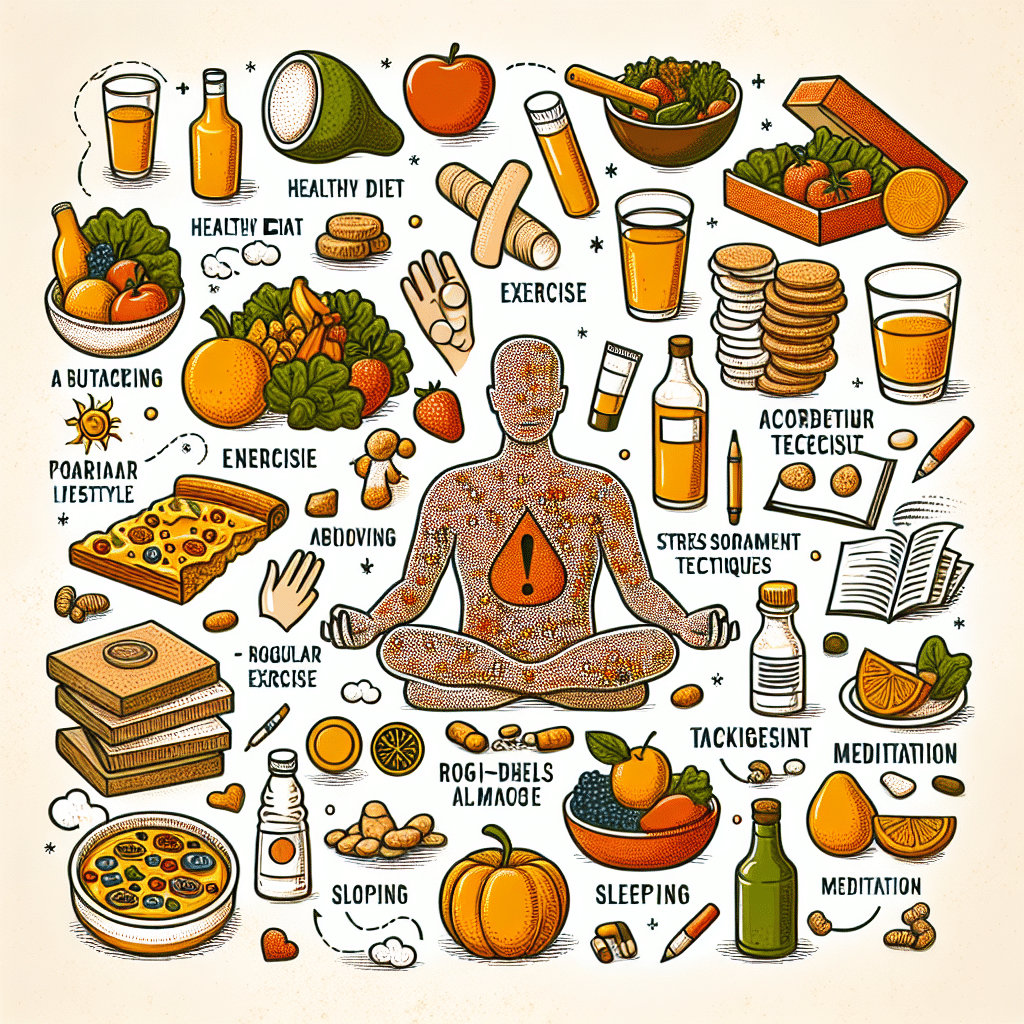
Adopting certain lifestyle changes can help improve overall health and potentially alleviate the symptoms of psoriasis. While lifestyle modifications may not directly cure psoriasis, they can contribute to overall well-being and help manage the condition. Here are a few lifestyle changes that may benefit individuals with psoriasis:
Quitting Smoking
Smoking has been associated with an increased risk of developing psoriasis and can worsen existing symptoms. Quitting smoking not only improves overall health but may also help reduce the severity and frequency of psoriasis flare-ups.
Regular Exercise
Engaging in regular exercise has numerous benefits for individuals with psoriasis. Exercise promotes healthy circulation, reduces stress, and can contribute to maintaining a healthy weight. Choose activities that you enjoy and aim for at least 150 minutes of moderate-intensity exercise per week.
Healthy Sleep Habits
Getting enough quality sleep is important for overall health and well-being, including the management of psoriasis. Establish a consistent sleep routine, create a relaxing environment, and prioritize good sleep hygiene practices, such as avoiding electronic devices before bed and keeping your bedroom cool, dark, and quiet.
Seeking Professional Help
While self-care strategies and lifestyle modifications can be beneficial for managing psoriasis, it is essential to seek professional help for proper diagnosis, treatment, and ongoing support. Here are some healthcare professionals who specialize in treating psoriasis:
Dermatologist
A dermatologist is a medical doctor who specializes in diagnosing and treating conditions of the skin, hair, and nails. Dermatologists can provide a thorough evaluation and develop a personalized treatment plan for individuals with psoriasis.
Rheumatologist
A rheumatologist is a medical doctor who specializes in diagnosing and treating conditions that affect the joints, muscles, and bones, including psoriatic arthritis. If you have joint pain or suspect you may have psoriatic arthritis, consulting with a rheumatologist is important for proper management.
Mental Health Professional
Living with psoriasis can have a significant impact on mental health, leading to feelings of anxiety, depression, and low self-esteem. Consulting with a mental health professional, such as a therapist or psychologist, can provide you with the support and tools to manage the emotional challenges associated with psoriasis.
In conclusion, understanding psoriasis and its underlying triggers is essential for effectively managing this chronic condition. By addressing genetic factors, immune system dysfunction, environmental triggers, and adopting a holistic approach to treatment, individuals with psoriasis can experience relief from symptoms and improve their overall quality of life. With the right combination of medical treatments, lifestyle modifications, and support from healthcare professionals, it is possible to effectively manage psoriasis and minimize its impact on daily life. Remember, you don’t have to suffer like I did for 14 long years – take action and reclaim control over your skin health!
