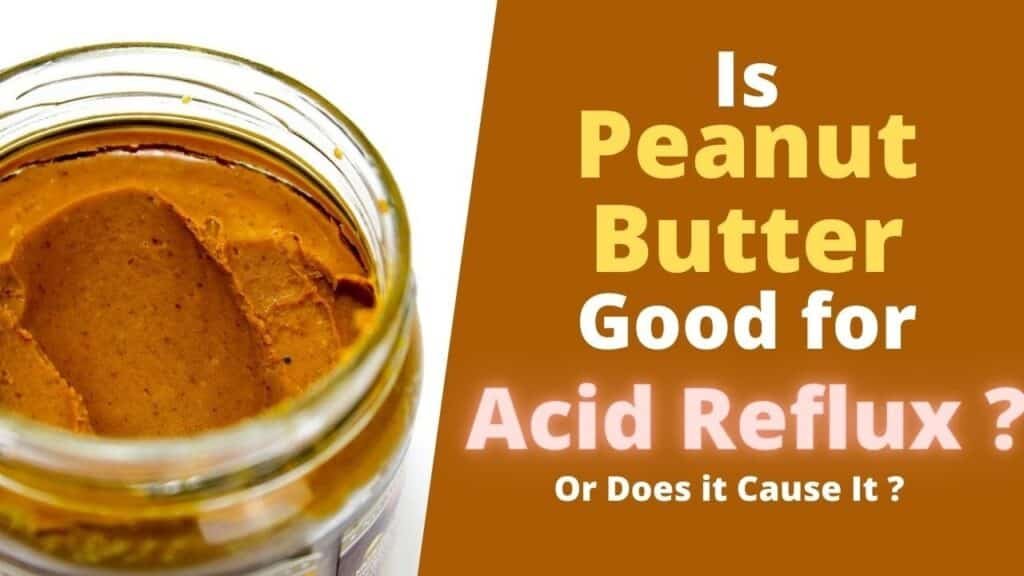
Craving a snack but worried about triggering your acid reflux? Well, you may be wondering if peanuts are a safe choice for those who suffer from this pesky condition. In this article, we’ll explore the connection between peanuts and acid reflux, providing you with the information you need to make an informed decision about what to munch on. So, grab your favorite beverage, get comfy, and let’s dig into the question: is peanuts bad for acid reflux?
Overview
Acid reflux, also known as gastroesophageal reflux disease (GERD), is a common condition that occurs when stomach acid flows back into the esophagus. This can cause a range of uncomfortable symptoms and may have negative effects on the body if left untreated. Understanding the causes and impact of acid reflux is crucial for effective management and prevention.
Symptoms of acid reflux
-
Heartburn: This is the hallmark symptom of acid reflux. It is characterized by a burning sensation in the chest, often after eating or at night.
-
Regurgitation: Acid reflux can cause the sour-tasting liquid to rise up into the throat or mouth, which is known as regurgitation.
-
Chest pain: Some individuals may experience chest pain that can be mistaken for a heart attack, causing anxiety and discomfort.
-
Difficulty swallowing: Acid reflux can lead to a feeling of a lump or blockage in the throat, making it difficult to swallow.
-
Persistent cough: Chronic coughing that is not attributed to respiratory issues could be a result of acid reflux irritating the airways.
Risk factors for acid reflux
Several factors can increase the likelihood of developing acid reflux:
-
Obesity: Excess body weight can put pressure on the stomach, causing the stomach acid to push up into the esophagus.
-
Smoking: Smoking weakens the lower esophageal sphincter (LES), a muscular ring that normally prevents stomach acid from refluxing. This can lead to increased acid reflux symptoms.
-
Pregnancy: Hormonal changes during pregnancy can relax the LES, allowing stomach acid to flow back up into the esophagus.
-
Hiatal hernia: This occurs when a part of the stomach protrudes through the diaphragm, which can weaken the LES and contribute to acid reflux symptoms.
Diet and acid reflux
-
Foods that can trigger acid reflux: Certain foods can worsen acid reflux symptoms, including spicy foods, citrus fruits, tomatoes, chocolate, mint, onions, and fatty or fried foods.
-
Foods that may help alleviate acid reflux symptoms: While everyone’s tolerance to specific foods may vary, some individuals find that high-fiber foods, such as whole grains, fruits, vegetables, and lean proteins, can help reduce their acid reflux symptoms.
Peanuts and acid reflux
Overview of peanuts
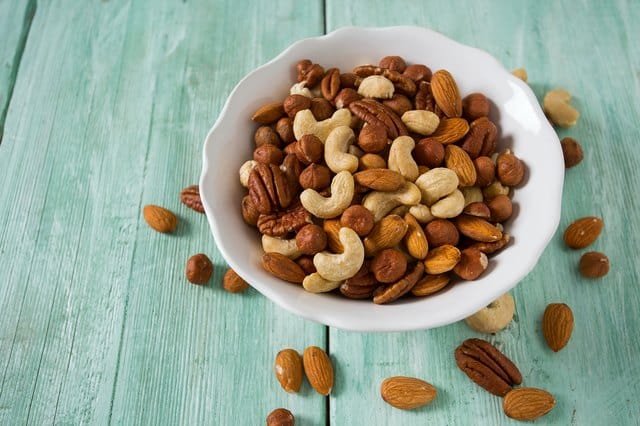
Peanuts are a popular snack and a versatile ingredient in many dishes. They are high in protein, healthy fats, and various vitamins and minerals, making them a nutritious choice for many people.
The relationship between peanuts and acid reflux
Peanuts, like other nuts, have a high-fat content, and fat is known to relax the LES, which can contribute to acid reflux. However, the impact of peanuts on acid reflux can vary from person to person.
Potential benefits of peanuts for acid reflux
While fatty foods can be triggers for acid reflux, some studies suggest that the types of fats found in peanuts, such as monounsaturated fats, may actually help reduce inflammation in the esophagus. Additionally, peanuts are a good source of fiber, which can promote healthy digestion and may alleviate some acid reflux symptoms.
Acid reflux-friendly ways to consume peanuts
Roasted peanuts vs. raw peanuts
Roasting peanuts can enhance their flavor and make them more palatable, but the roasting process can sometimes increase the fat content, potentially making them more likely to trigger acid reflux symptoms. If you find that roasted peanuts aggravate your acid reflux, opt for raw peanuts instead.
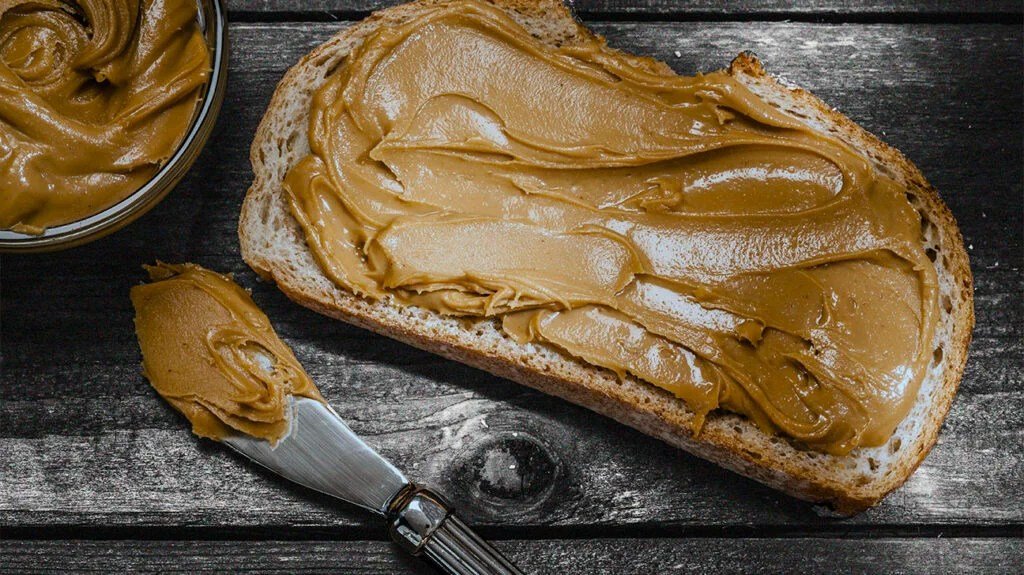
Peanut butter and acid reflux
Peanut butter, made from ground peanuts, is a common staple in many households. While the high-fat content in peanut butter can contribute to acid reflux for some individuals, others may find that it does not trigger their symptoms. It is important to listen to your body and adjust your consumption accordingly.

Precautions when consuming peanuts for acid reflux
Portion control
When incorporating peanuts into your diet, it is important to practice portion control. Consuming large quantities of any food, including peanuts, may increase the likelihood of experiencing acid reflux symptoms.
Allergy considerations
Peanuts are one of the most common food allergens, and if you have a peanut allergy, you should avoid consuming peanuts altogether. An allergic reaction can be severe and potentially life-threatening.
Personal sensitivity to peanuts
Even if you do not have a peanut allergy, it is possible to have personal sensitivity to peanuts, which can worsen acid reflux symptoms. Pay attention to how your body reacts after consuming peanuts and adjust your intake accordingly.
Other lifestyle changes to manage acid reflux symptoms
In addition to diet modifications, there are several lifestyle changes that may help manage acid reflux symptoms:
-
Maintaining a healthy weight: Losing excess weight can reduce pressure on the stomach and help prevent acid reflux.
-
Eating smaller, more frequent meals: Consuming smaller portions can prevent the stomach from being overly full, reducing the likelihood of acid reflux.
-
Avoiding trigger foods: Identifying and eliminating foods that trigger symptoms can significantly reduce acid reflux episodes.
-
Elevating the head while sleeping: Raising the head of the bed by using a wedge pillow or elevating the entire head-end of the bed can help prevent stomach acid from flowing back into the esophagus during sleep.
When to seek medical advice for acid reflux
While occasional acid reflux is common and can often be managed with lifestyle changes, it is important to seek medical advice in the following situations:
-
Persistent symptoms: If acid reflux symptoms persist despite dietary and lifestyle modifications, it is advisable to consult a healthcare professional for a comprehensive evaluation.
-
Severe symptoms: If acid reflux is causing severe pain, difficulty swallowing, unintended weight loss, or significant disruptions to daily life, prompt medical attention should be sought.
-
Complications: If acid reflux is left untreated, it can lead to complications such as esophagitis, ulcers, strictures, or Barrett’s esophagus. These conditions require medical management.
Conclusion
Understanding the relationship between peanuts and acid reflux is a crucial step in effectively managing this common condition. While peanuts, being high in fat, can potentially trigger symptoms, every individual’s tolerance may differ. It is important to pay attention to your body, practice portion control, and consider personal sensitivity when incorporating peanuts into your diet. Consulting with a healthcare professional can provide personalized advice and guidance in managing acid reflux symptoms effectively. Remember, it’s always better to be proactive and seek professional advice to ensure your continued well-being.