
In this article, we will be discussing the nutritional dietary requirements for individuals with Escherichia Coli, specifically E Coli O157. Discovering which foods are safe to consume is essential for maintaining a balanced diet while managing this condition. By understanding the foods that are allowed and beneficial, you can ensure that you are providing your body with the necessary nutrients to support your overall health. So let’s explore the dietary options available to you and make informed choices towards a healthier lifestyle.
Nutritional Dietary Requirements-Foods Allowed To Eat Escherichia Coli-e Coli O157

Overview of Escherichia Coli-e Coli O157
Escherichia coli O157 is a strain of bacteria that can cause severe gastrointestinal illness in humans. It is typically transmitted through the consumption of contaminated food or water. The symptoms of E. coli O157 infection include diarrhea, abdominal pain, and in some cases, bloody stools. While most people recover without any long-term complications, some individuals, such as young children and the elderly, may develop more severe complications, such as kidney damage.
Health Risks Associated with Escherichia Coli-e Coli O157
E. coli O157 is responsible for numerous foodborne outbreaks worldwide. The consumption of contaminated food can lead to serious health risks, including dehydration, hemolytic uremic syndrome (HUS), and even death. HUS is a condition characterized by the destruction of red blood cells, kidney failure, and low platelet count. It is essential to take preventive measures and adhere to proper dietary requirements to minimize the risk of infection and its complications.
Importance of Nutritional Dietary Requirements
Maintaining a proper diet is crucial for everyone, including individuals with Escherichia coli O157 infection. A well-balanced diet can help strengthen the immune system and support the body’s ability to fight off infections. Additionally, certain nutrients play a crucial role in the healing process and can aid in the recovery from illness. By following the recommended nutritional dietary requirements, individuals can ensure they are providing their bodies with the necessary fuel and nutrients for optimal health.
Essential Nutrients for Escherichia Coli-e Coli O157
To support the healing process and strengthen the immune system, individuals with Escherichia coli O157 infection should focus on consuming a variety of essential nutrients.

1. Carbohydrates
Carbohydrates are the body’s primary source of energy. They provide fuel for daily activities and play a vital role in maintaining proper bodily functions. It is important to incorporate complex carbohydrates, such as whole grains, fruits, and vegetables, into the diet. These foods provide a steady release of energy and also contain essential vitamins and minerals.
2. Proteins
Proteins are essential for the growth, repair, and maintenance of body tissues. They are particularly important for individuals with Escherichia coli O157 infection, as they help in the healing process. Lean sources of protein, such as poultry, fish, eggs, and legumes, should be included in the diet. It is advisable to avoid high-fat cuts of meat, as they can be harder to digest.
3. Fats and Oils
While fats and oils should be consumed in moderation, they are essential for overall health. Healthy fats, such as those found in avocados, nuts, and olive oil, can provide the body with essential fatty acids and help absorb fat-soluble vitamins. It is important to choose unsaturated fats over saturated fats and avoid trans fats altogether.
4. Vitamins
Vitamins are essential for various bodily functions and are particularly important for individuals with Escherichia coli O157 infection. Vitamin C, found in fruits and vegetables, can help boost the immune system. B vitamins, including folate and vitamin B12, are crucial for red blood cell production and can aid in the recovery process. Vitamin D, obtained through sunlight exposure or fortified foods, supports bone health and immune function.

5. Minerals
Minerals, such as iron, calcium, and zinc, play a crucial role in maintaining overall health. Iron is important for red blood cell production, while calcium is vital for strong bones and teeth. Zinc supports immune function and wound healing. Individuals with Escherichia coli O157 infection should focus on consuming foods rich in these minerals, such as lean meats, dairy products, and leafy greens.
6. Water
Adequate hydration is essential for overall health, especially for individuals with Escherichia coli O157 infection. Water helps flush out toxins from the body and aids in digestion. It is important to drink plenty of fluids, such as water, herbal tea, and clear soups, to maintain proper hydration levels.
Foods Recommended for Escherichia Coli-e Coli O157
When creating a diet plan for individuals with Escherichia coli O157 infection, it is important to focus on nutrient-dense foods that support the healing process and minimize the risk of further complications.
1. Fruits and Vegetables
Fresh fruits and vegetables are rich in vitamins, minerals, and antioxidants, making them an excellent choice for individuals with Escherichia coli O157 infection. Opt for a variety of colorful options, such as berries, citrus fruits, leafy greens, and cruciferous vegetables. Be sure to wash them thoroughly before consumption to avoid any potential contamination.

2. Whole Grains
Whole grains, such as quinoa, brown rice, and oats, are excellent sources of complex carbohydrates and fiber. They provide sustained energy and support proper digestive function. Avoid refined grains, such as white bread and pasta, as they lack essential nutrients and can cause blood sugar spikes.
3. Lean Proteins
Lean sources of protein, such as skinless poultry, fish, tofu, and legumes, should be included in the diet. They provide essential amino acids for tissue repair and rebuilding. Avoid processed meats, as they can contain harmful additives and preservatives.
4. Dairy Products
Dairy products, such as milk, cheese, and yogurt, are excellent sources of calcium and vitamin D. They support bone health and provide essential nutrients. Opt for low-fat or non-fat options to reduce the intake of saturated fats.
5. Healthy Fats
Incorporating healthy fats into the diet is crucial for individuals with Escherichia coli O157 infection. Avocados, nuts, seeds, and olive oil are all excellent sources of monounsaturated fats and omega-3 fatty acids. These fats are beneficial for heart health and overall well-being.
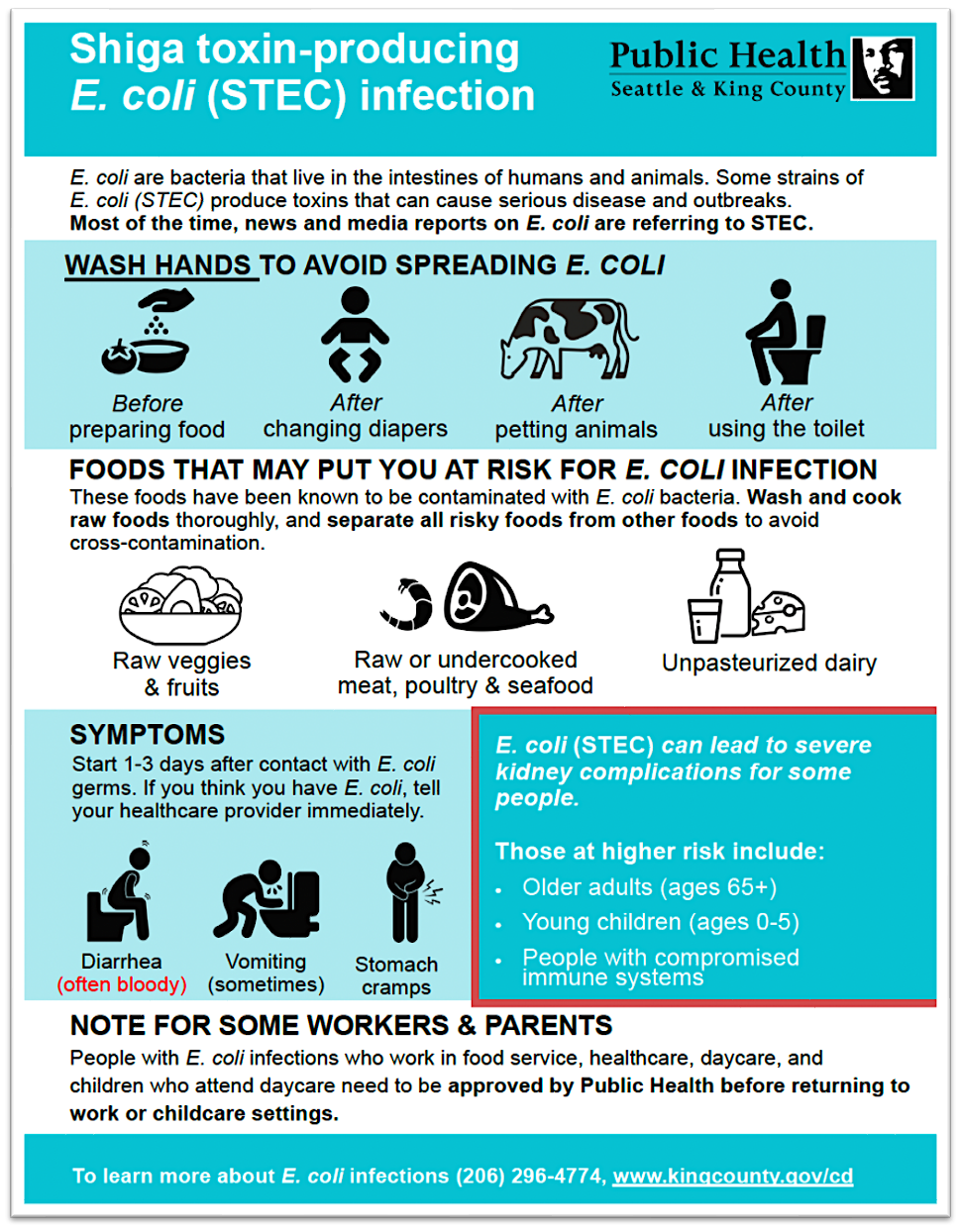
Foods to Avoid for Escherichia Coli-e Coli O157
To minimize the risk of infection and complications, it is important to avoid certain foods that may increase the risk of Escherichia coli O157 contamination.
1. Raw or Undercooked Meats
Raw or undercooked meats, including beef, poultry, and pork, can harbor harmful bacteria, including Escherichia coli O157. It is essential to cook meat thoroughly to kill any bacteria and reduce the risk of infection.
2. Raw or Unpasteurized Dairy Products
Raw or unpasteurized dairy products, such as raw milk and cheese, may contain harmful bacteria, including Escherichia coli O157. Opt for pasteurized dairy products to minimize the risk of contamination.
3. Unwashed Fruits and Vegetables
Consuming unwashed fruits and vegetables can increase the risk of Escherichia coli O157 contamination. Thoroughly wash produce under running water before consumption to remove any potential bacteria.
4. Contaminated Water or Beverages
It is important to ensure that water and beverages are safe for consumption to prevent Escherichia coli O157 infection. Avoid drinking untreated or contaminated water, and opt for bottled or filtered water instead.
5. Processed or Junk Foods
Processed or junk foods, such as fast food, chips, and sugary snacks, should be avoided by individuals with Escherichia coli O157 infection. These foods lack essential nutrients and can contribute to inflammation and worsen symptoms.
Meal Planning and Preparation Tips
When planning meals for individuals with Escherichia coli O157 infection, it is crucial to prioritize food safety and proper cooking techniques.
1. Proper Cooking Techniques
Cooking foods, especially meats, thoroughly can help kill any bacteria, including Escherichia coli O157. Use a food thermometer to ensure that the internal temperature reaches a safe level. Ground meats should be cooked to at least 160°F (71°C), while poultry should reach a minimum internal temperature of 165°F (74°C).
2. Food Safety Practices
Adhering to proper food safety practices is essential to minimize the risk of Escherichia coli O157 contamination. Wash hands frequently with soap and water, separate raw and cooked foods, and avoid cross-contamination. Thoroughly clean cutting boards, utensils, and countertops after handling raw meats.
3. Balanced Meal Ideas
Creating balanced meals for individuals with Escherichia coli O157 infection is important to ensure optimal nutrition and promote healing. Here are a few meal ideas:
- Grilled chicken breast with roasted vegetables and quinoa
- Baked salmon with steamed broccoli and brown rice
- Spinach salad with grilled tofu, mixed berries, and a light vinaigrette
- Greek yogurt with sliced almonds and fresh fruit
Conclusion
In conclusion, individuals with Escherichia coli O157 infection should prioritize their nutritional dietary requirements to support the healing process and minimize the risk of complications. Focus on consuming a variety of nutrient-dense foods, including fruits, vegetables, whole grains, lean proteins, dairy products, and healthy fats. Avoid foods that may increase the risk of contamination, such as raw or undercooked meats, unpasteurized dairy products, and unwashed fruits and vegetables. Practice proper food safety techniques and consider balanced meal ideas to ensure optimal nutrition and well-being.