
Are you or someone you know battling prostate cancer? If so, understanding the right dietary requirements can make a significant difference in your journey. In this article, we will explore the foods that are allowed and recommended for prostate cancer patients. By incorporating these foods into your diet, you can support your overall health and well-being while fighting against this disease. So, let’s take a closer look at the nutritional dietary requirements and the foods that can benefit those with prostate cancer.
Overview of Prostate Cancer
Prostate cancer is a type of cancer that develops in the prostate gland, which is a small walnut-shaped gland in men that produces seminal fluid. It is one of the most common types of cancer in men, but the good news is that it is often slow-growing and highly treatable. Understanding the basics of prostate cancer, its prevalence, and the risk factors associated with it is crucial for prevention and effective management.
What is Prostate Cancer?
Prostate cancer occurs when abnormal cells in the prostate gland start to grow uncontrollably, forming tumors. These tumors can be either benign (non-cancerous) or malignant (cancerous). Malignant tumors have the potential to invade nearby tissues and spread to other parts of the body, a process known as metastasis. Early detection of prostate cancer is essential for successful treatment, as it becomes more challenging to manage once it has spread beyond the prostate.
Prevalence of Prostate Cancer
Prostate cancer is one of the most commonly diagnosed cancers in men worldwide. According to the American Cancer Society, it is estimated that approximately 248,530 new cases of prostate cancer will be diagnosed in the United States in 2021 alone. It is more commonly diagnosed in older men, with the average age of diagnosis being 66 years. While certain countries have higher incidence rates than others, it is important to note that the prevalence of prostate cancer can vary based on factors such as genetics, lifestyle, and environmental influences.
Risk Factors for Prostate Cancer
Several factors can increase the risk of developing prostate cancer. Age is the most significant risk factor, as the likelihood of developing prostate cancer increases with advancing age. Family history and genetics also play a role, as men with a family history of prostate cancer are at higher risk. Additionally, race and ethnicity can influence the risk, with African-American men being more susceptible to prostate cancer. Other potential risk factors include obesity, a sedentary lifestyle, and exposure to certain chemicals or toxins. While these risk factors cannot be completely eliminated, adopting a healthy lifestyle and making informed dietary choices can potentially help reduce the risk and improve overall prostate health.
Importance of Nutrition in Prostate Cancer
When it comes to prostate cancer prevention and management, nutrition plays a crucial role. Research suggests that dietary choices can influence the development and progression of prostate cancer. A well-balanced diet consisting of nutrient-rich foods is essential for maintaining overall health and supporting the body’s natural defense mechanisms against cancer cells.
Role of Nutrition in Cancer Prevention
A healthy diet can significantly reduce the risk of developing prostate cancer. Consuming a variety of fruits, vegetables, whole grains, lean proteins, and healthy fats provides the body with essential vitamins, minerals, antioxidants, and phytochemicals. These nutrients strengthen the immune system, promote DNA repair, and help prevent oxidative damage to cells, all of which can contribute to reducing the risk of cancer development.
Effect of Diet on Prostate Cancer Development
Certain dietary factors have been linked to an increased risk of prostate cancer. A diet high in saturated fats, trans fats, red meat, and processed foods may promote inflammation and oxidative stress in the body, which can potentially contribute to the development and progression of prostate cancer. On the other hand, a diet rich in plant-based foods, such as fruits, vegetables, and whole grains, can have anti-inflammatory and antioxidant effects, reducing the risk of prostate cancer.
Impact of Nutrition on Prostate Cancer Treatment
Nutrition also plays a significant role in supporting prostate cancer treatment and recovery. Cancer treatments such as radiation therapy and chemotherapy can cause side effects that affect appetite, nutrient absorption, and overall well-being. Consuming a nutritious diet during and after treatment can help manage these side effects, support the immune system, and aid in the body’s recovery process.

General Dietary Recommendations for Prostate Cancer
Maintaining a healthy diet is beneficial for overall health, and it becomes even more crucial when it comes to prostate cancer prevention and management. Here are some general dietary recommendations to consider:
A Balanced Diet
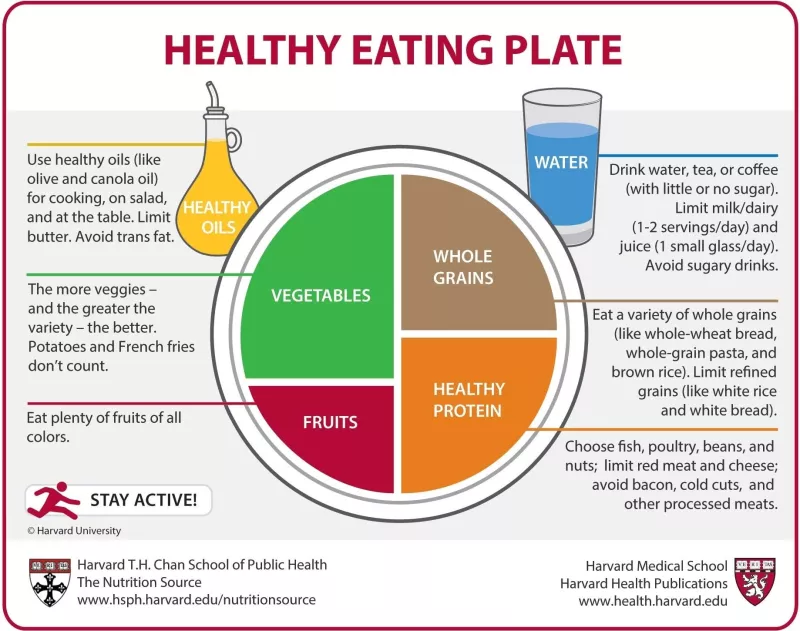
A well-balanced diet ensures that the body receives all the necessary nutrients for optimal health. It should include a variety of fruits, vegetables, whole grains, lean proteins, and healthy fats. Strive for a colorful plate, as different colored fruits and vegetables provide different types of beneficial phytochemicals and antioxidants.
Increasing Fruit and Vegetable Intake
Fruits and vegetables are packed with vitamins, minerals, fiber, and antioxidants, which contribute to overall health and cancer prevention. Aim to include a variety of colorful fruits and vegetables in your daily diet. Cruciferous vegetables like broccoli, cauliflower, and Brussels sprouts have been specifically linked to a lower risk of prostate cancer.
Choosing Lean Protein Sources
Opt for lean protein sources, such as skinless poultry, fish, beans, lentils, and tofu. These protein sources are lower in saturated fats and can provide essential amino acids without the added health risks associated with excessive red meat consumption.
Limiting Processed Foods and Red Meat
Processed foods, including fast food, packaged snacks, and processed meats, often contain high levels of unhealthy fats, sodium, preservatives, and additives. These foods can increase the risk of inflammation and other health issues. Similarly, red meat, especially when consumed in large amounts or processed forms, has been associated with an increased risk of prostate cancer. Limiting the consumption of processed foods and red meat is advisable.
Controlling Fat Consumption
While some fat is essential for a healthy diet, it is important to choose healthy fats over saturated and trans fats. Healthy fats, such as those found in avocados, nuts, seeds, and olive oil, can support heart health and reduce inflammation. Limit or avoid foods high in saturated and trans fats, such as fatty cuts of meat, fried foods, and commercially baked goods.
Avoiding Excessive Salt Intake
High sodium intake has been linked to an increased risk of prostate cancer and other health conditions. Be mindful of your salt consumption and limit the consumption of processed and packaged foods, which often contain high levels of sodium. Instead, flavor your food with herbs, spices, and other natural seasonings to reduce your sodium intake.
Specific Nutritional Requirements for Prostate Cancer
In addition to following a general healthy diet, there are specific nutrients and food groups that have been associated with prostate cancer prevention and management. Consider incorporating the following into your diet:
Antioxidants and Phytochemicals
Antioxidants and phytochemicals are natural compounds found in plant-based foods that have been shown to have anti-cancer properties. Foods rich in antioxidants include berries, citrus fruits, dark leafy greens, and bell peppers. Phytochemical-rich foods include cruciferous vegetables, tomatoes, soy products, and green tea.
Cruciferous Vegetables
Cruciferous vegetables, such as broccoli, cauliflower, kale, and Brussels sprouts, contain compounds that may help prevent the growth of cancer cells and reduce the risk of prostate cancer. These vegetables are rich in fiber, vitamins, and minerals, making them an excellent addition to your diet.
Tomatoes and Lycopene
Tomatoes are a well-known source of lycopene, a powerful antioxidant that gives them their vibrant red color. Lycopene has been associated with a reduced risk of prostate cancer. Cooking tomatoes or consuming them with a source of healthy fats, such as olive oil, can enhance the absorption of lycopene in the body.
Soy Products and Isoflavones
Soy products, including tofu, edamame, and soy milk, contain isoflavones, which are plant compounds with hormonal effects. Research suggests that isoflavones may have a protective effect against prostate cancer. However, it is important to consult with your healthcare professional regarding soy consumption, especially if you have a history of hormone-sensitive cancers.
Omega-3 Fatty Acids
Omega-3 fatty acids, found in fatty fish like salmon, trout, and sardines, have been associated with numerous health benefits, including a lower risk of prostate cancer. Incorporating these healthy fats into your diet can contribute to overall prostate health.
Green Tea
Green tea is rich in antioxidants, particularly catechins, which have been shown to have anti-cancer properties. Regular consumption of green tea has been associated with a decreased risk of developing prostate cancer. Enjoy a hot or cold cup of green tea daily as a healthy beverage choice.

What to Include in Your Diet
When planning your meals, focus on including the following food groups and nutrients:
Fruits and Vegetables
Include a variety of fruits and vegetables in your diet, aiming for at least five servings per day. Opt for fresh, seasonal produce whenever possible to maximize their nutritional value.
Whole Grains
Choose whole grains like brown rice, quinoa, whole wheat bread, and oats over refined grains. Whole grains are a great source of fiber, vitamins, and minerals.
Healthy Fats
Incorporate healthy fats into your diet, such as avocados, nuts, seeds, and olive oil. These fats provide essential nutrients and help reduce inflammation in the body.
Protein Sources
Choose lean protein sources such as skinless poultry, fish, beans, lentils, and tofu. These options provide essential amino acids without the added saturated fats.
Herbs and Spices
Enhance the flavor of your meals with herbs and spices instead of relying on excess salt. Herbs and spices like turmeric, garlic, ginger, and rosemary have been associated with various health benefits.
Foods to Avoid
To promote prostate health, it is important to limit or avoid certain foods and ingredients:
Processed Foods
Processed foods often contain unhealthy fats, excessive sodium, and additives that can contribute to inflammation and other health issues. Opt for whole, minimally processed foods as much as possible.
Red Meat
Consuming excessive amounts of red meat, particularly processed and charred meats, has been linked to an increased risk of prostate cancer. Limit your intake and choose leaner cuts when consuming red meat.
Saturated and Trans Fats
Foods high in saturated fats, such as fatty cuts of meat, full-fat dairy products, and commercially baked goods, can promote inflammation in the body. Trans fats, commonly found in fried foods and commercially prepared snacks, should also be avoided.
High-Sodium Foods
High sodium intake has been associated with an increased risk of prostate cancer. Be mindful of your salt consumption and limit processed and packaged foods that tend to be high in sodium.
Sugary Drinks
Sugar-sweetened beverages, including soda, energy drinks, and certain fruit juices, provide empty calories and can contribute to weight gain and other health issues. Opt for water, herbal tea, or infused water instead.

Dietary Supplements and Prostate Cancer
While a well-balanced diet should be the primary focus, certain dietary supplements can complement prostate cancer prevention and treatment. However, it is crucial to consult with your healthcare professional before starting any supplements, as they may interact with medications or have side effects. Some supplements commonly associated with prostate health include:
Vitamin D
Vitamin D plays a vital role in overall health, including maintaining proper prostate function. Your healthcare professional can assess your vitamin D levels and recommend appropriate supplementation if necessary.
Selenium
Selenium is a trace mineral that acts as an antioxidant and has been associated with a reduced risk of prostate cancer. However, selenium supplementation should be approached with caution, as excessive amounts can be harmful. Consult your healthcare professional for individualized recommendations.
Zinc
Zinc is essential for immune function and overall prostate health. It is naturally present in certain foods, including oysters, shellfish, and legumes. However, if your healthcare professional determines that you have a zinc deficiency, they may recommend supplementation.
Turmeric and Curcumin
Curcumin, the active compound found in turmeric, has potent anti-inflammatory and antioxidant properties. It has shown promise in supporting prostate health. Adding turmeric to your cooking or considering curcumin supplementation may be beneficial, but it is important to discuss this with your healthcare professional.
Fish Oil
Fish oil supplements can provide omega-3 fatty acids, which have been associated with reduced inflammation and improved overall prostate health. As with any supplement, it is important to consult with your healthcare professional for appropriate dosage and potential interactions.
Additional Lifestyle Factors for Prostate Cancer
In addition to maintaining a healthy diet, there are several other lifestyle factors that can help reduce the risk of prostate cancer and support overall well-being:
Maintaining a Healthy Weight
Obesity and excess body fat have been linked to an increased risk of developing prostate cancer. Strive for a healthy weight through a combination of regular physical activity and a balanced diet.
Engaging in Regular Exercise
Regular physical activity has numerous health benefits, including reducing the risk of prostate cancer. Aim for at least 150 minutes of moderate-intensity exercise, such as brisk walking or cycling, per week.
Quitting Smoking
Smoking has been linked to an increased risk of several types of cancer, including prostate cancer. Quitting smoking is one of the best decisions you can make for your overall health and well-being.
Limiting Alcohol Consumption
Heavy alcohol consumption has been associated with an increased risk of several types of cancer, including prostate cancer. Limit your alcohol intake to moderate levels, which is defined as up to one drink per day for men.

Personalized Nutrition and Medical Advice
While the recommendations provided in this article can serve as a general guide, it is important to keep in mind that every individual’s nutritional needs and medical conditions are unique. Consulting a registered dietitian can provide personalized guidance regarding diet, supplements, and lifestyle changes to support prostate health. Additionally, collaborating with a healthcare professional, such as an oncologist or urologist, can ensure a comprehensive approach to prostate cancer prevention, management, and treatment.
Conclusion
Prostate cancer is a prevalent and potentially serious health concern for men. While the risk factors for prostate cancer cannot be completely eliminated, adopting a healthy lifestyle and making informed dietary choices can help reduce the risk and support overall prostate health. Incorporating a well-balanced diet, rich in fruits, vegetables, whole grains, lean proteins, and healthy fats, can provide essential nutrients and antioxidants that promote optimal health. Additionally, considering specific nutritional requirements, dietary supplements, and lifestyle factors, along with personalized advice from healthcare professionals, can further enhance prostate health and reduce the impact of prostate cancer.