
Stomach cancer can be a challenging diagnosis to navigate, but understanding the nutritional dietary requirements can make a world of difference. In this article, we will explore the foods that are allowed for people with stomach cancer, providing you with valuable information to support your health journey. By incorporating these recommended foods into your diet, you can ensure that you are providing your body with the necessary nutrients to enhance your well-being and maintain a balanced diet. Let’s dive into the details of the nutritional dietary requirements for stomach cancer patients and discover the power of food in promoting a healthy lifestyle.
Nutritional Dietary Requirements
Importance of Nutritional Dietary Requirements
When it comes to maintaining good health, having a balanced and nutritious diet plays a vital role. Nutritional dietary requirements refer to the specific needs of our body for essential nutrients such as vitamins, minerals, proteins, carbohydrates, and fats. These requirements vary depending on various factors such as age, sex, weight, and medical conditions. For individuals with stomach cancer, following proper nutritional dietary requirements becomes even more crucial as it helps in promoting overall well-being and aids in the management of the disease.
Benefits of Following Nutritional Dietary Requirements
Following nutritional dietary requirements provides numerous benefits for individuals with stomach cancer. Firstly, it helps in maintaining a healthy weight, which is essential for managing the symptoms and side effects of the disease and its treatments. A well-balanced diet also strengthens the immune system, enabling the body to better fight off infections and illnesses. Moreover, proper nutrition aids in the healing process, enhances energy levels, and improves overall quality of life. By adhering to these requirements, individuals with stomach cancer can optimize their nutritional status and improve their response to treatment.

Foods Allowed to Eat in Stomach Cancer
Soft and Easily Digestible Foods
When dealing with stomach cancer, it is important to consume foods that are easy on the stomach and can be easily digested. Soft and easily digestible foods include cooked vegetables, fruits without seeds or skins, well-cooked grains, tender meats, fish, and poultry. These foods are gentler on the digestive system, making them more comfortable to eat and reducing the risk of complications such as nausea, vomiting, and indigestion.
Fruits and Vegetables
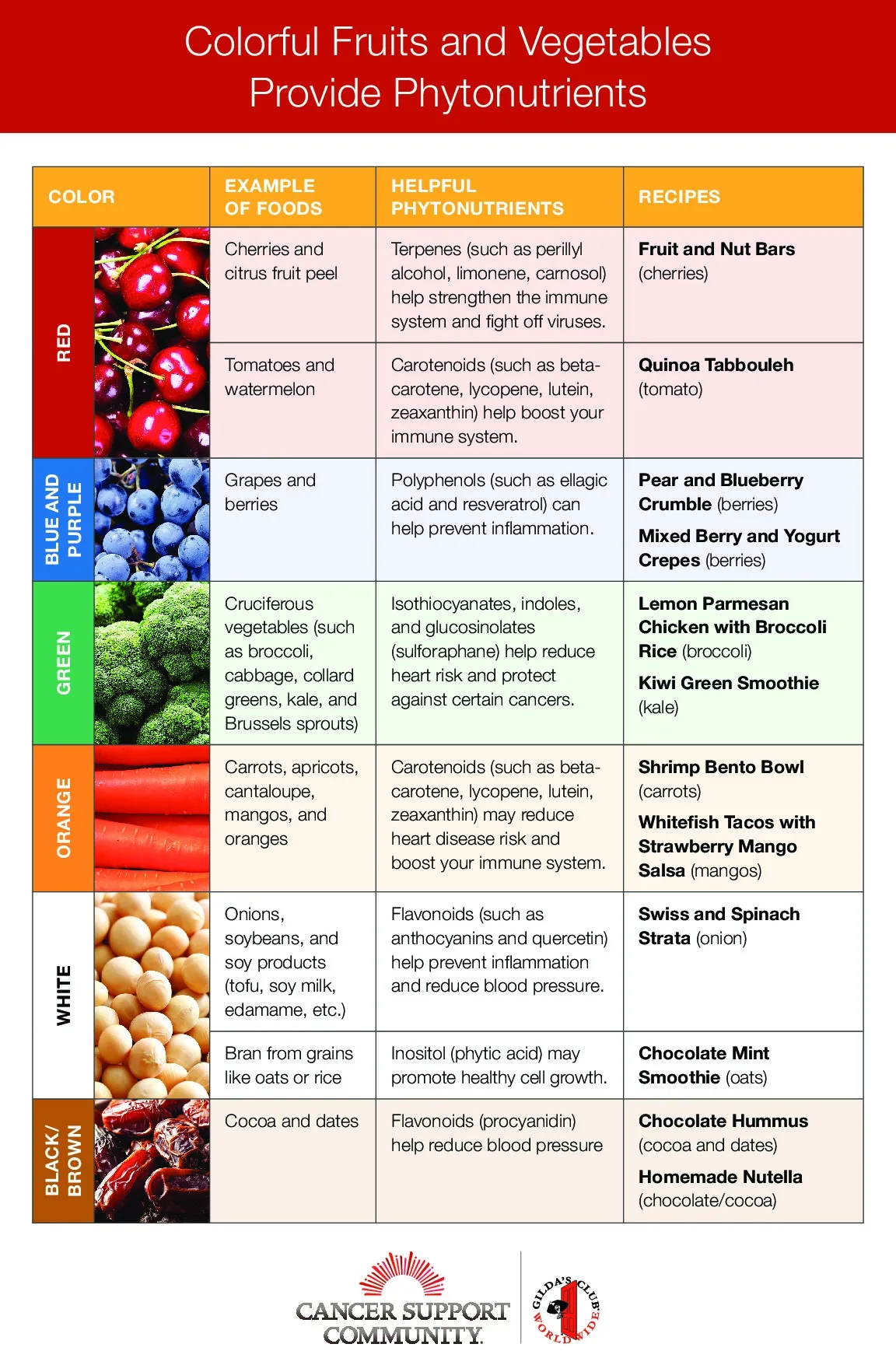
Fruits and vegetables are an essential part of a healthy diet, and they continue to be important for individuals with stomach cancer. However, not all fruits and vegetables are suitable for consumption in this condition. It is advised to avoid raw or tough-skinned fruits and vegetables as they can be difficult to digest. Instead, opt for soft and cooked options such as mashed bananas, applesauce, steamed carrots, or pureed soups. These provide important vitamins, minerals, and fiber necessary for maintaining good health.
Lean Protein Sources
Protein is vital for cell repair and regeneration, especially for individuals with stomach cancer who may experience muscle wasting and weight loss. However, not all protein sources are suitable for this condition. Choose lean protein sources such as skinless poultry, fish, eggs, tofu, and well-cooked legumes. These options provide the necessary amino acids without adding excessive fat or putting strain on the digestive system.
Whole Grains and Legumes
Whole grains and legumes are excellent sources of complex carbohydrates, fiber, and essential nutrients. They provide sustained energy and promote bowel regularity, which can be beneficial for individuals with stomach cancer. Opt for well-cooked whole grain bread, rice, pasta, and cereals. Additionally, legumes like lentils, chickpeas, and beans are excellent sources of protein and fiber. Including these in your diet can help maintain proper nutrition and improve digestive health.
Healthy Fats
While fats should be consumed in moderation, choosing healthy fats is essential for individuals with stomach cancer. Healthy fats, such as those found in nuts, seeds, avocados, and olive oil, provide important nutrients and can help maintain weight. However, it is important to avoid added fats, fried foods, and high-fat dairy products, as they can increase the risk of symptoms and discomfort.
Dairy and Dairy Alternatives
Dairy products and their alternatives can be included in the diet of individuals with stomach cancer, but it is important to choose carefully. Opt for low-fat or non-fat dairy products, such as skim milk, yogurt, and cottage cheese. However, if lactose intolerance or other digestive issues are present, consider dairy alternatives like almond milk, soy milk, or lactose-free products. These options provide important calcium and other nutrients without causing digestive discomfort.
Fluids and Hydration
Staying hydrated is crucial for everyone, but especially for those with stomach cancer. Adequate fluid intake helps in maintaining good digestion, preventing dehydration, and minimizing the side effects of treatment. Opt for clear fluids such as water, herbal tea, broth, and non-acidic fruit juices. It is important to avoid carbonated beverages, caffeinated drinks, and alcohol, as they can aggravate symptoms and hinder proper hydration.
Herbs and Spices for Added Flavor
While undergoing treatment for stomach cancer, it is common for taste and appetite to be affected. However, adding herbs and spices to your meals can help enhance the flavor and make eating more enjoyable. Opt for gentle herbs and spices such as parsley, basil, mint, ginger, and turmeric. These provide not only taste but also potential health benefits, including anti-inflammatory and antimicrobial properties.
Supplements and Nutritional Drinks
In some cases, individuals with stomach cancer may require additional nutritional support in the form of supplements or nutritional drinks. These can help ensure that all essential nutrients are being obtained despite challenges in consuming an adequate diet. However, it is always important to consult with a healthcare professional or registered dietitian before starting any supplements or nutritional drinks to ensure they are appropriate for your specific needs.
Foods to Avoid
While there are many foods that can be safely consumed by individuals with stomach cancer, there are some that should be avoided. Spicy foods, acidic foods, fried and greasy foods, as well as processed meats and foods high in added sugars should be limited or eliminated from the diet. These foods can increase the risk of symptoms such as heartburn, indigestion, and gastric irritation, making it more challenging to manage stomach cancer.
In conclusion, following proper nutritional dietary requirements is extremely important for individuals with stomach cancer. By consuming soft and easily digestible foods, incorporating fruits, vegetables, and lean proteins, choosing whole grains and legumes, including healthy fats, dairy, and dairy alternatives, staying hydrated, using herbs and spices, and considering supplements or nutritional drinks when necessary, individuals with stomach cancer can optimize their nutrition and enhance their well-being. Avoiding certain foods that are likely to cause discomfort or exacerbate symptoms is equally important to ensure a more comfortable and manageable experience with stomach cancer. It is essential to work closely with a healthcare professional or registered dietitian to tailor a dietary plan that meets your specific nutritional needs and supports your overall health throughout your journey with stomach cancer.
