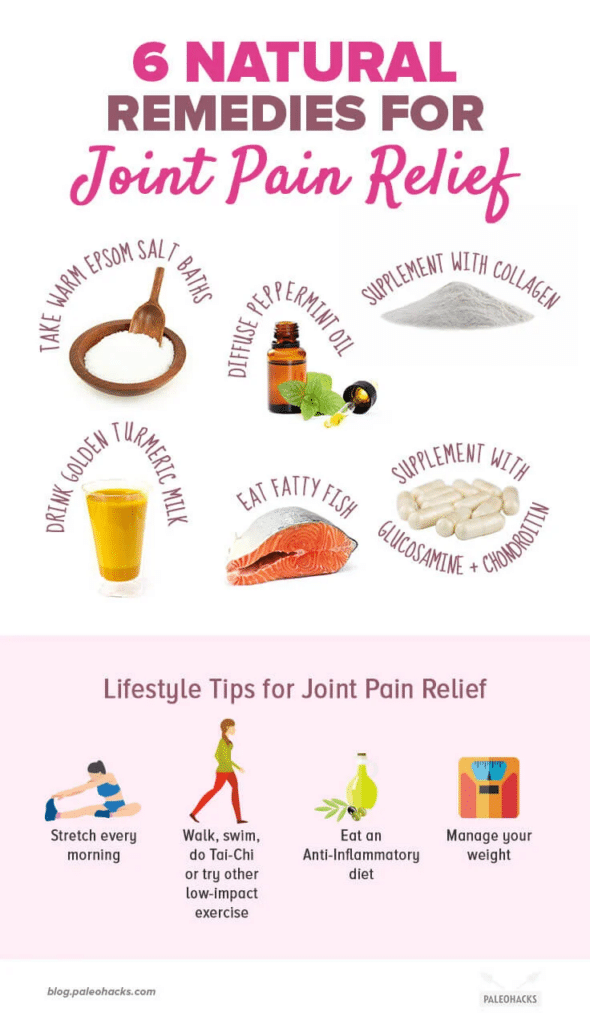
Are you tired of living with constant joint pain? Look no further! “Joint Pain Remedy” is here to provide you with the ultimate solution to ease your discomfort. Whether it’s aching knees, stiff hips, or sore shoulders, this remedy has got you covered. Say goodbye to those restless nights and reclaim your freedom to move. With “Joint Pain Remedy” at your side, you can finally enjoy life without the limitations of joint pain. Say hello to a pain-free existence today!
Types of Joint Pain
Osteoarthritis
Osteoarthritis is the most common type of joint pain experienced by millions of people worldwide. It occurs when the cartilage that cushions the joints wears down, leading to pain, stiffness, and swelling. Osteoarthritis generally affects weight-bearing joints such as the knees, hips, and spine, but it can also impact the hands and feet. Age, genetics, and previous joint injuries can increase the risk of developing osteoarthritis.
Rheumatoid Arthritis
Rheumatoid arthritis is an autoimmune disease that causes chronic inflammation in the joints. It occurs when the immune system mistakenly attacks the synovium, which is the lining of the joints. This leads to joint pain, swelling, and deformity. Rheumatoid arthritis can affect multiple joints simultaneously and can also cause fatigue, fever, and loss of appetite. It is crucial to diagnose and manage rheumatoid arthritis promptly to prevent further joint damage.
Gout
Gout is a form of arthritis that results from the buildup of uric acid crystals in the joints. These crystals can cause sudden and severe pain, often in the big toe, although other joints such as the ankles, knees, and wrists can also be affected. Gout attacks can be triggered by consuming foods high in purines, excessive alcohol intake, or certain medications. Prompt treatment and lifestyle modifications, such as dietary changes, can help manage gout and prevent future attacks.
Lupus
Lupus is a chronic autoimmune disease that can affect various parts of the body, including the joints. Joint pain, stiffness, and swelling are common symptoms experienced by people with lupus. The pain may be migratory, affecting different joints at different times. Lupus can also cause fatigue, skin rashes, and organ damage. Early diagnosis and a comprehensive treatment plan that includes medication and lifestyle adjustments are vital in managing lupus and its associated joint pain.
Sprains and Strains
Sprains and strains are common joint injuries that can cause considerable pain and discomfort. A sprain occurs when a ligament, the tissue that connects bones to each other, is stretched or torn, usually due to sudden movements or trauma. A strain, on the other hand, refers to an injury to a muscle or tendon, which connects muscles to bones. Both sprains and strains can be caused by activities such as sports, exercise, or accidents. Rest, ice, compression, and elevation (RICE) are often recommended for treating these injuries, along with pain medication and physical therapy.
Causes of Joint Pain
Wear and Tear
The natural aging process and daily wear and tear on the joints can contribute to joint pain. Over time, the cartilage that cushions the joints gradually breaks down, leading to pain and stiffness. This wear and tear, known as osteoarthritis, can occur in any joint but is commonly seen in weight-bearing joints such as the knees and hips. Maintaining a healthy lifestyle, including regular exercise and a nutritious diet, can help slow down the progression of wear and tear on the joints.
Inflammation
Inflammation is a common cause of joint pain and is often associated with conditions such as rheumatoid arthritis and lupus. When the immune system mistakenly attacks the joints, it can lead to chronic inflammation, resulting in pain, swelling, and joint damage. Inflammation can also be caused by infections or injuries. Managing inflammation through medication, lifestyle changes, and stress reduction techniques can help alleviate joint pain associated with inflammatory conditions.
Injury
Joint pain can be caused by acute injuries, such as fractures, dislocations, or sprains. Sudden impact or trauma to a joint can damage the structures within the joint, leading to pain, swelling, and limited range of motion. Prompt medical attention and appropriate treatment, including rest, immobilization, and physical therapy, can help in the healing process and reduce joint pain caused by injuries.
Infection
Infections can cause joint pain, although it is relatively rare. Bacterial, viral, or fungal infections can enter the body and affect the joints, leading to inflammation and pain. Symptoms may include redness, warmth, swelling, and fever. Prompt diagnosis and appropriate antibiotics or antiviral medications are essential in treating joint pain caused by infections.
Autoimmune Disorders
Autoimmune disorders, such as rheumatoid arthritis and lupus, can cause joint pain due to the body’s immune system attacking its own tissues. These conditions can lead to chronic inflammation, joint damage, and other systemic symptoms. Proper management of autoimmune disorders, including medication, lifestyle modifications, and regular medical follow-ups, can help control joint pain and prevent further deterioration of the joints.
Symptoms of Joint Pain
Pain
Pain is the most common symptom associated with joint pain. The level of pain can vary from mild to severe, and it can be constant or intermittent. Joint pain may worsen with movement, weight-bearing activities, or prolonged periods of inactivity. The location and intensity of the pain can provide valuable information for healthcare professionals to diagnose the underlying cause of the joint pain.
Stiffness
Stiffness in the joints is often experienced in the morning or after periods of inactivity. It can cause decreased range of motion and difficulty in performing daily activities. Stiffness may improve with movement and gentle stretching exercises. The duration and severity of stiffness can help healthcare professionals determine the cause of joint pain and develop an appropriate treatment plan.
Swelling
Swelling or inflammation of the joints is a common symptom of various conditions, including arthritis and injuries. It may be accompanied by redness, warmth, and tenderness. Swelling can limit joint mobility and cause discomfort. Recognizing the pattern of joint swelling, such as whether it affects one or multiple joints, can assist in the diagnosis and treatment of joint pain.
Redness
Redness around the joints can be an indication of inflammation or infection. It is commonly observed in conditions such as rheumatoid arthritis, gout, or septic arthritis. Redness localized to a specific joint or present in multiple joints can aid in determining the underlying cause of joint pain.
Limited Range of Motion
Joint pain can lead to a limited range of motion, making it difficult to perform daily activities or complete certain movements. This limited mobility can result from structural damage to the joints, inflammation, or muscle weakness. Assessing the degree of limited range of motion can help healthcare professionals evaluate the severity of joint pain and determine appropriate treatment options.
Diagnosing Joint Pain
Physical Examination
A physical examination is usually the first step in diagnosing joint pain. Healthcare professionals will examine the affected joints, looking for signs of swelling, tenderness, redness, or deformity. They may also assess the range of motion and ask you to perform specific movements to evaluate joint function. During the examination, it is important to provide detailed information about your symptoms, including when they started, how they have progressed, and any factors that worsen or alleviate the pain.
Medical History
Your medical history is crucial in determining the cause of joint pain. Healthcare professionals will ask questions about your past and current medical conditions, family history of joint problems, previous injuries, and any medications you are taking. Certain medical conditions and medications can contribute to joint pain or impact treatment options. Providing accurate and detailed information about your medical history will assist in the accurate diagnosis and management of joint pain.
Imaging Tests
Imaging tests such as X-rays, magnetic resonance imaging (MRI), or computed tomography (CT) scans may be ordered to visualize the affected joints in more detail. X-rays can show signs of joint damage, such as bone spurs or narrowing of the joint space. MRIs and CT scans provide a more comprehensive view of the soft tissues within the joint, including cartilage, ligaments, and tendons. These imaging tests can help identify underlying structural abnormalities or injuries that may be causing joint pain.
Blood Tests
Blood tests are often conducted to screen for certain conditions associated with joint pain, such as rheumatoid arthritis or gout. These tests can measure inflammation markers, detect antibodies, or identify elevated uric acid levels. Blood tests can provide important diagnostic information and help guide treatment decisions.
Joint Aspiration
In some cases, healthcare professionals may perform a joint aspiration, also known as arthrocentesis. This procedure involves using a needle to withdraw a small sample of fluid from the affected joint for analysis. Joint aspiration can help diagnose infections, determine the presence of crystals, or evaluate inflammation levels. The fluid collected during the procedure is sent to a laboratory for further examination.
Conventional Treatments for Joint Pain
Nonsteroidal Anti-Inflammatory Drugs (NSAIDs)
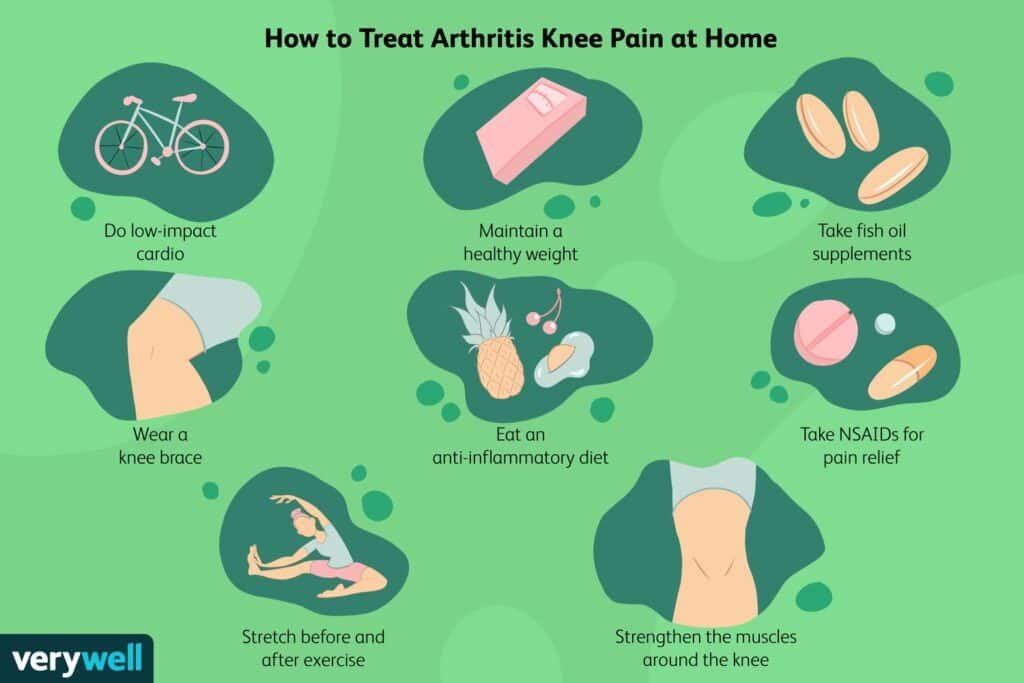
NSAIDs are commonly used to manage joint pain and reduce inflammation. These medications, both over-the-counter and prescription, work by blocking the production of certain chemicals that cause pain and inflammation. NSAIDs can provide relief for mild to moderate joint pain but should be used with caution due to potential side effects, especially in long-term usage.
Topical Analgesics
Topical analgesics, such as creams, gels, or patches, can be applied directly to the skin over the affected joint. These products usually contain ingredients such as menthol, capsaicin, or lidocaine, which provide a cooling or numbing effect to alleviate pain. Topical analgesics can be an effective and convenient option for localized joint pain relief.
Corticosteroid Injections
Corticosteroid injections are commonly used for severe joint pain that does not respond to other treatments. These injections deliver powerful anti-inflammatory medication directly into the joint, providing targeted relief. Corticosteroid injections can provide significant pain relief, but their use is typically limited to a few times per year due to potential side effects and risk of joint damage with repeated use.
Physical Therapy
Physical therapy plays a crucial role in managing joint pain, especially during the recovery period after an injury or surgery. Physical therapists can design specific exercises and stretches to improve joint strength, flexibility, and range of motion. They may also use various modalities, such as heat, cold, or electrical stimulation, to reduce pain and swelling.
Surgery
Surgery may be recommended for severe joint pain or when other treatments have not provided sufficient relief. Joint replacement surgery, such as hip or knee replacement, can alleviate chronic joint pain and improve mobility. Other surgical procedures, such as arthroscopy, can repair damaged joint tissues or remove loose bodies in the joint. Surgical interventions should be thoroughly discussed with qualified healthcare professionals, considering the risks and benefits.
Natural Remedies for Joint Pain
Dietary Changes
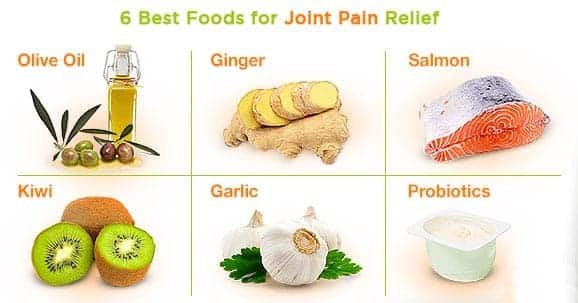
Certain dietary changes can help reduce joint pain and inflammation. Incorporating foods rich in omega-3 fatty acids, such as fatty fish, walnuts, and flaxseeds, can have anti-inflammatory effects. Avoiding processed foods, refined sugars, and excessive alcohol consumption can also help alleviate joint pain. Additionally, maintaining a healthy weight through a balanced diet can reduce stress on the joints.
Exercise and Physical Activity
Regular exercise and physical activity can strengthen the muscles surrounding the joints, improve flexibility, and help manage joint pain. Low-impact exercises such as swimming, cycling, or yoga can be beneficial for individuals with joint pain. It is important to consult with a healthcare professional or physical therapist to develop an exercise program suitable for your condition and abilities.
Hot and Cold Therapy
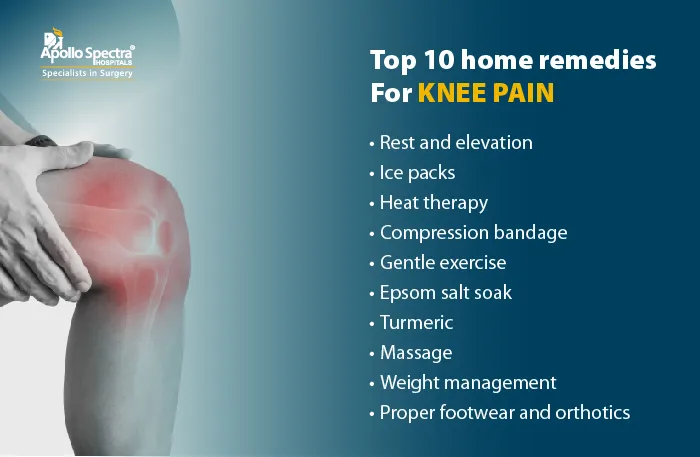
Hot and cold therapy can provide temporary relief for joint pain. Applying a heating pad or warm compress to the affected joint can help relax muscles and improve blood circulation. Cold therapy, such as ice packs or cold compresses, can reduce inflammation and numb the area. Alternate between hot and cold therapy for the best results.
Herbal Supplements
Certain herbal supplements have been used traditionally for joint pain relief. Supplements such as turmeric, ginger, boswellia, and devil’s claw have anti-inflammatory properties that may help reduce joint pain and stiffness. However, it is important to consult with a healthcare professional before starting any new supplements, as they may interact with other medications or have potential side effects.
Acupuncture
Acupuncture, a traditional Chinese medicine practice, involves the insertion of thin needles into specific points on the body to promote healing and relieve pain. Many people find acupuncture effective in managing joint pain, although the scientific evidence for its benefits is mixed. If considering acupuncture, it is important to seek treatment from a qualified and licensed acupuncturist.
Over-the-Counter Remedies for Joint Pain
Topical NSAIDs
Topical NSAIDs, such as creams, gels, or patches, are available over the counter and provide localized relief for joint pain. They work by reducing inflammation and blocking pain signals at the site of application. Topical NSAIDs can be a convenient option for mild to moderate joint pain, especially when oral medications are not suitable.
Oral Analgesics
Over-the-counter oral analgesics, such as acetaminophen or ibuprofen, can help manage mild to moderate joint pain. These medications can provide temporary relief and are often taken as needed. It is important to follow the recommended dosage and consult with a healthcare professional if pain persists or worsens.
Braces and Supportive Devices
Braces, splints, or supportive devices can provide stability and relieve pressure on the affected joints. These devices are commonly used for joint pain caused by conditions such as arthritis or injuries. Braces and supportive devices can help reduce pain, improve joint function, and prevent further damage.
Joint Creams and Gels
Joint creams and gels, available over the counter, often contain ingredients such as menthol, camphor, or capsaicin. These products can provide localized relief by warming, cooling, or numbing the joint. Joint creams and gels are convenient to use and can be effective for temporary pain relief.
Lifestyle Changes for Joint Pain Relief
Maintaining a Healthy Weight
Maintaining a healthy weight is crucial for joint health, particularly for weight-bearing joints such as the knees and hips. Excess weight puts additional stress on the joints, leading to increased pain and wear and tear. A balanced diet, portion control, and regular exercise can help manage body weight and reduce joint pain.
Managing Stress
Chronic stress can exacerbate joint pain and inflammation. Finding healthy ways to manage stress, such as practicing relaxation techniques, engaging in hobbies, or seeking support from loved ones, can help alleviate joint pain. Stress management techniques may vary for each individual, so it is important to find what works best for you.
Getting Adequate Sleep
Quality sleep is essential for overall health and joint pain management. Lack of sleep can increase inflammation levels and intensify pain perception. Establishing a regular sleep routine, creating a comfortable sleep environment, and practicing good sleep hygiene can contribute to better sleep and reduced joint pain.
Using Assistive Devices
Assistive devices can help relieve joint pain and improve mobility. Canes, walkers, or crutches can provide support and reduce stress on the joints while walking or standing. Shoe inserts or orthotics can provide cushioning and alignment for proper joint function. Evaluating the use of assistive devices with healthcare professionals can lead to improved joint pain management.
Modifying Activities
Modifying daily activities can help minimize joint pain and prevent further damage. Avoiding repetitive motions or high-impact activities can reduce stress on the joints. Proper body mechanics and using ergonomic tools or equipment can also contribute to joint pain relief. Making small adjustments in daily routines can have a significant impact on managing joint pain.
Alternative Therapies for Joint Pain
Chiropractic Care
Chiropractic care focuses on the diagnosis and treatment of musculoskeletal conditions, including joint pain. Chiropractors use manual techniques, such as spinal adjustments or joint mobilizations, to improve joint alignment and alleviate pain. Chiropractic care can be an effective adjunct therapy for joint pain relief, especially when combined with other treatments.
Massage Therapy
Massage therapy involves the manipulation of soft tissues to relieve muscle tension, improve circulation, and reduce pain. Massaging the muscles around the affected joints can help relax tight muscles and increase joint mobility. Regular massage therapy sessions can be beneficial for managing joint pain and promoting overall relaxation.
Transcutaneous Electrical Nerve Stimulation (TENS)
Transcutaneous electrical nerve stimulation (TENS) is a non-invasive technique that uses low-voltage electrical currents to relieve pain. TENS units deliver electrical impulses through electrodes placed on the skin, which can help disrupt pain signals and provide temporary pain relief. TENS can be particularly helpful for individuals with chronic joint pain.
Mind-Body Techniques
Mind-body techniques, such as meditation, deep breathing exercises, or guided imagery, can help reduce stress, promote relaxation, and alleviate joint pain. These techniques focus on the connection between the mind and the body, addressing both physical and emotional aspects of pain management. Incorporating mind-body techniques into daily routines can enhance overall well-being.
Physical Modalities
Physical modalities, such as ultrasound, heat therapy, or cold therapy, can provide temporary relief for joint pain. Ultrasound uses high-frequency sound waves to generate heat deep within the tissues, promoting blood circulation and reducing pain. Heat therapy, such as heating pads or warm baths, can relax muscles and relieve stiffness. Cold therapy, such as ice packs or cold compresses, can reduce inflammation and numb the area.
Preventing Joint Pain
Staying Active
Regular physical activity and exercise can help maintain joint health and prevent joint pain. Low-impact exercises, such as swimming, walking, or cycling, can improve joint flexibility, strengthen surrounding muscles, and reduce the risk of joint injuries. It is important to choose activities that are suitable for your fitness level and consult with a healthcare professional before starting a new exercise program.
Eating a Nutritious Diet
A healthy, balanced diet is vital for overall health and joint pain prevention. Nutrient-rich foods, such as fruits, vegetables, whole grains, lean proteins, and healthy fats, provide essential vitamins and minerals that support joint health. Avoiding excessive consumption of processed foods, sugary beverages, and foods high in saturated fats can help prevent joint pain and inflammation.
Avoiding Joint Injuries
Taking precautions to avoid joint injuries can help prevent future joint pain. Using proper techniques when lifting heavy objects, wearing protective gear during sports or physical activities, and avoiding repetitive motions can minimize the risk of joint damage. Awareness of the body’s limitations and taking breaks when necessary can also protect the joints from excessive strain.
Maintaining Proper Posture
Maintaining good posture can reduce stress on the joints and minimize joint pain. Whether sitting, standing, or lifting, it is important to align the body properly to avoid unnecessary strain on the joints. Ergonomic workplace setups, supportive chairs, and regular posture checks can contribute to improved joint health and pain prevention.
Managing Chronic Conditions
Proper management of chronic conditions, such as rheumatoid arthritis or lupus, can help prevent joint pain and minimize its impact on daily life. Following a comprehensive treatment plan, including medication, regular medical check-ups, and lifestyle modifications, can help control inflammation, reduce joint damage, and alleviate symptoms. It is important to work closely with healthcare professionals to effectively manage chronic conditions and optimize joint health.
In conclusion, joint pain can have various causes, ranging from wear and tear to autoimmune disorders. Recognizing the symptoms and accurately diagnosing the underlying cause are vital for effective treatment. Conventional treatments, natural remedies, over-the-counter options, lifestyle changes, and alternative therapies can all play a role in managing joint pain and improving quality of life. Preventive measures, such as maintaining a healthy weight and participating in regular physical activity, can help prevent joint pain and promote long-term joint health. Consulting with healthcare professionals and following their recommendations is crucial in managing joint pain effectively. Remember, taking an active role in your joint health, staying informed, and seeking appropriate care can make a significant difference in living a pain-free and fulfilling life.