
If you’re a young adult dealing with knee pain, you’re not alone. Whether it’s a dull ache, a sharp twinge, or a constant discomfort, knee pain can be frustrating and hinder your daily activities. In this article, we’ll explore the common causes of knee pain in young adults, providing you with valuable insights and information to help you better understand and manage your condition. So, let’s dive into the world of knee pain causes and embark on a journey towards a pain-free life!
Traumatic Injuries
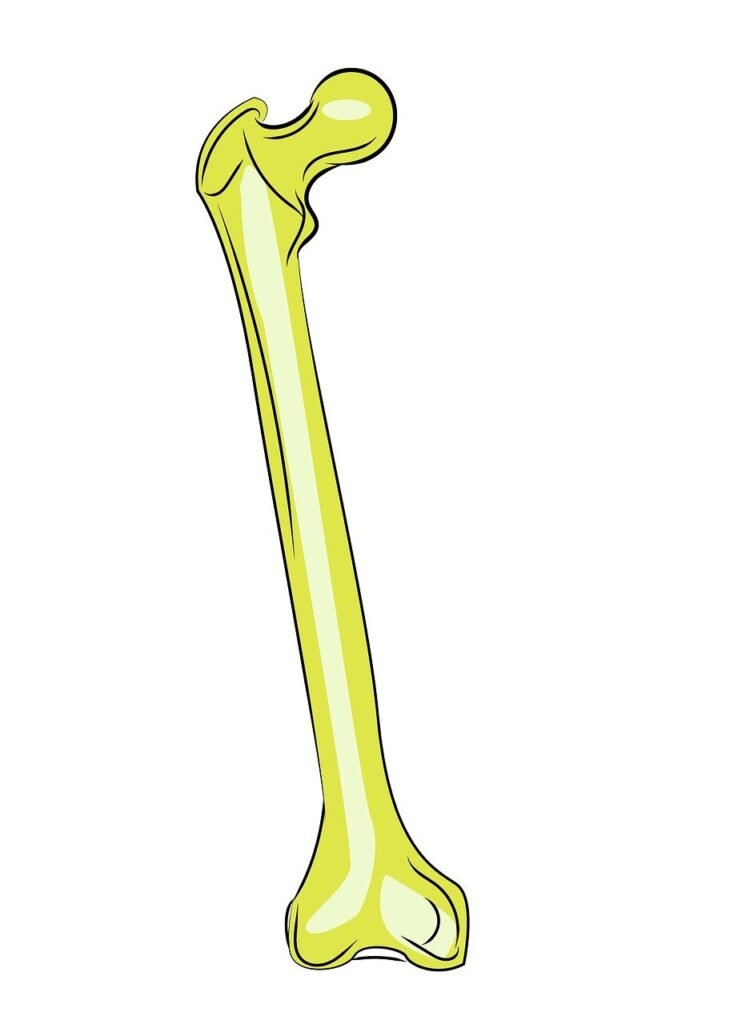
Sports-related injuries
Sports-related injuries are a common cause of knee pain in young adults. Whether you participate in high-impact sports like football or soccer, or low-impact sports like swimming or cycling, there is always a risk of sustaining a traumatic injury. These injuries can range from ligament tears, such as an anterior cruciate ligament (ACL) tear, to fractures or dislocations. It is important to wear protective gear and follow proper training techniques to minimize the risk of sports-related knee injuries.
Accidents and falls
Accidents and falls can also lead to traumatic knee injuries in young adults. Whether you slip and fall, or are involved in a car accident, the impact can result in fractures, dislocations, or other serious injuries to the knee joint. Knee injuries sustained from accidents and falls can be particularly severe and may require immediate medical attention. It is essential to practice caution and maintain a safe environment to reduce the likelihood of accidents and falls that can lead to knee injuries.
Overuse and Repetitive Strain
Excessive physical activity
Engaging in excessive physical activity without allowing adequate rest and recovery time can lead to overuse injuries in the knee. Young adults who participate in intense training or endurance sports may be more prone to overuse injuries. These injuries typically result from repetitive stress placed on the knee joint, such as constant running or jumping. It’s important to listen to your body and give it the rest it needs to avoid overuse injuries.
Improper exercise techniques
Using improper exercise techniques can put unnecessary strain on the knee joint and lead to injuries. It’s crucial to learn and practice proper form and technique when performing exercises, especially those that involve the knees. This includes using appropriate footwear, maintaining proper alignment, and avoiding sudden jerky movements. Striving for correct form not only helps prevent knee injuries but also maximizes the benefits of your workouts.
Repetitive movements
Performing repetitive movements for extended periods can put repetitive strain on the knee joint, leading to pain and potential injuries. Activities like kneeling, squatting, or bending for long periods without taking breaks can cause undue stress on the knee joint. It’s important to incorporate frequent breaks and ergonomic adjustments into your daily routine to prevent repetitive strain injuries. By alternating tasks and using proper body mechanics, you can reduce the risk of developing knee pain from repetitive movements.
Joint Conditions
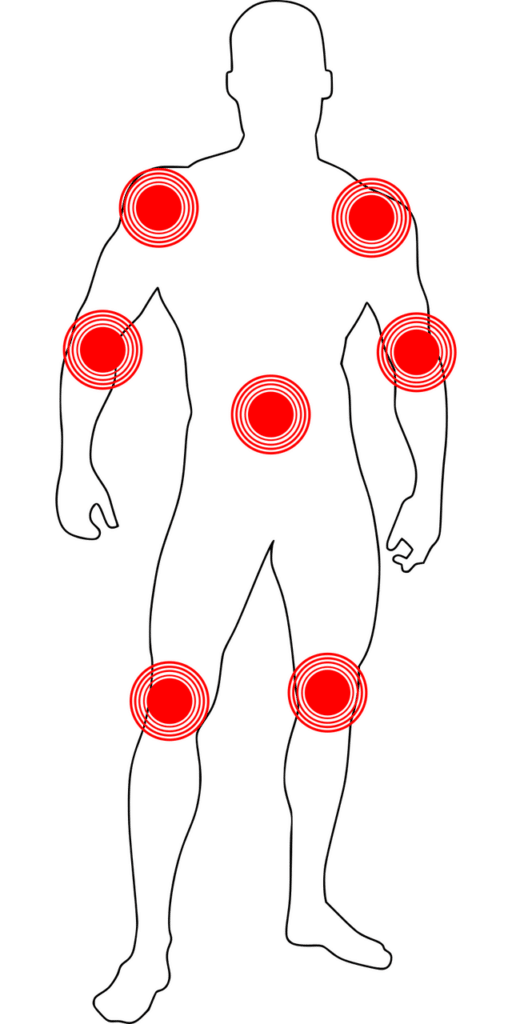
Osteoarthritis
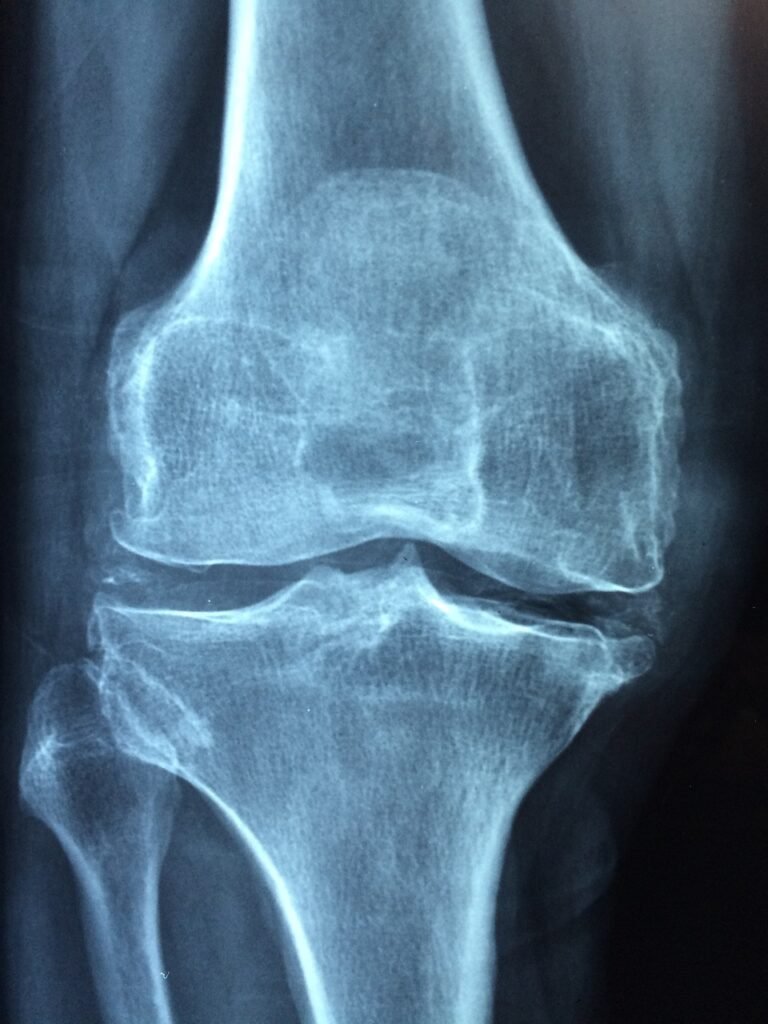
Osteoarthritis, commonly known as wear-and-tear arthritis, can affect the knee joint and cause pain in young adults. This condition occurs when the protective cartilage that cushions the bones within the joint begins to deteriorate. Osteoarthritis can be caused by a variety of factors, including previous knee injuries, genetics, and excessive weight-bearing activities. While there is no cure for osteoarthritis, managing weight, engaging in low-impact exercises, and using supportive devices like knee braces can help alleviate symptoms and maintain joint function.
Rheumatoid arthritis
Rheumatoid arthritis is an autoimmune disease that can also affect the knee joint in young adults. In this condition, the immune system mistakenly attacks the lining of the joints, including the knee. Rheumatoid arthritis causes inflammation, pain, and stiffness, which can significantly impact mobility. Early diagnosis and treatment by a rheumatologist are crucial in managing rheumatoid arthritis and preventing further joint damage. Medications, physical therapy, and lifestyle modifications can help control symptoms and preserve joint function.
Gout
Gout is a form of arthritis that can affect the knee joint due to the buildup of uric acid crystals in the joint. This condition usually presents with sudden, severe pain, redness, and swelling, commonly referred to as gout attacks. Gout can be triggered by factors like a high-purine diet, alcohol consumption, or certain medications. Managing gout involves a combination of lifestyle changes, such as adjusting diet and reducing alcohol intake, along with medications to control pain and prevent future gout attacks.
Patellofemoral Pain Syndrome
Knee misalignment
Patellofemoral Pain Syndrome (PFPS) is a condition characterized by pain at the front of the knee, around the kneecap. One of the common causes of PFPS is knee misalignment, where the kneecap doesn’t track properly within the groove of the thigh bone. This misalignment causes excessive pressure and friction on the patellofemoral joint, leading to pain and discomfort. Strengthening the muscles around the knee and using orthotics or taping techniques to correct alignment can help alleviate symptoms of PFPS.
Weak hip and thigh muscles
Weakness in the hip and thigh muscles can also contribute to the development of Patellofemoral Pain Syndrome. When these muscles are weak, it can alter the biomechanics of the knee joint and result in imbalances and instability. Strengthening exercises targeting the hip and thigh muscles, such as squats and lunges, can help improve overall knee stability and reduce the likelihood of developing PFPS.
Flat feet
Having flat feet can also contribute to the development of Patellofemoral Pain Syndrome. Flat feet alter the alignment and distribution of forces in the lower extremities, potentially causing excessive stress on the patellofemoral joint. Using orthotic inserts or supportive footwear designed to provide arch support can help alleviate the strain on the knee joint and reduce the risk of PFPS in individuals with flat feet.
Patellar Tendinitis
Jumping or landing activities
Patellar tendinitis, also known as jumper’s knee, commonly occurs in individuals who participate in activities that involve frequent jumping or landing. The repetitive impact and stress on the patellar tendon, which connects the kneecap to the shinbone, can result in inflammation and pain. Proper warm-up techniques, gradual progression of activities, and adequate rest between sessions can help prevent the development of patellar tendinitis.
Muscle imbalances
Muscle imbalances, particularly weakness or tightness in the quadriceps and hamstrings, can contribute to the development of patellar tendinitis. When there is an imbalance in the strength or flexibility of these muscles, it can affect the proper distribution of forces around the knee joint. Regular stretching and strengthening exercises targeting the quadriceps and hamstrings can help correct muscle imbalances and reduce the risk of patellar tendinitis.
Overtraining
Overtraining, or excessive repetitive training without appropriate rest and recovery, can increase the risk of developing patellar tendinitis. It’s important to allow adequate time for rest and recovery between training sessions to prevent overuse injuries like jumper’s knee. Gradually increasing training intensity and duration, along with incorporating cross-training activities, can also help reduce the likelihood of overuse injuries.
Meniscus Tears
Twisting or pivoting movements
Meniscus tears often occur due to sudden twisting or pivoting movements of the knee joint. The meniscus is a C-shaped piece of cartilage that acts as a shock absorber and provides stability to the knee. When subjected to excessive force or an abrupt change in direction, the meniscus can tear. Activities like sudden stops or changes in direction during sports, or even everyday activities like stepping off a curb, can lead to meniscus tears. Proper warm-up, maintaining good strength in the muscles surrounding the knee, and using proper footwear can help reduce the risk of meniscus tears.
Direct impact or force
Direct impact or force to the knee, such as from a fall or collision, can also cause meniscus tears. The sudden pressure and trauma can result in partial or complete tears of the meniscus. It’s crucial to protect your knees during high-risk activities or sports by wearing appropriate protective gear, such as knee pads or braces, to reduce the risk of direct impact injuries.
Bursitis
Repetitive kneeling or squatting
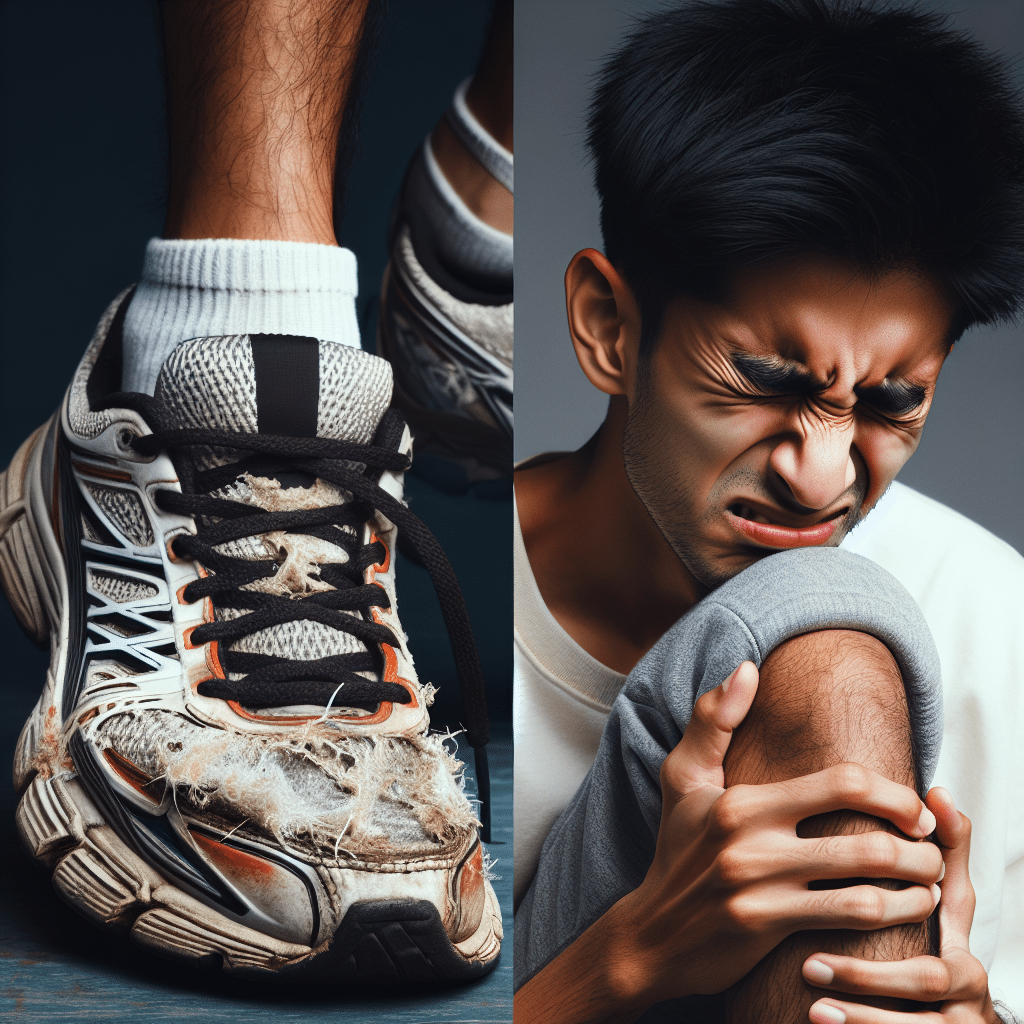
Bursitis is the inflammation of the bursae, small fluid-filled sacs that cushion the bones, tendons, and muscles around joints. Repetitive kneeling or squatting can lead to bursitis in the knee, causing pain, swelling, and limited range of motion. It’s essential to use proper body mechanics and take frequent breaks during activities that involve repetitive kneeling or squatting to prevent bursitis.
Direct pressure or trauma
Direct pressure or trauma to the knee, such as a blow or fall onto the knee, can also cause bursitis. The impact can lead to inflammation of the bursae, resulting in pain and discomfort. Protective measures, like wearing knee pads or taking precautions to prevent falls, can help reduce the risk of developing bursitis due to direct pressure or trauma.
Iliotibial Band Syndrome
Running or cycling
Iliotibial Band Syndrome (ITBS) is a common overuse injury that often affects runners and cyclists. This condition occurs when the iliotibial band, a thick band of tissue that runs from the hip to the shinbone, becomes irritated and inflamed. The repetitive motion of running or cycling can cause friction between the iliotibial band and the bony prominence on the side of the knee, leading to pain and swelling. Gradually increasing mileage, proper form, and using appropriate footwear can help reduce the risk of developing ITBS.
Tightness or weakness in hip muscles
Tightness or weakness in the hip muscles can contribute to the development of ITBS. When the hip muscles are tight or imbalanced, it can alter the mechanics of the knee joint, increasing the strain on the iliotibial band. Regular stretching and strengthening exercises targeting the hip muscles, such as hip abductors and external rotators, can help maintain proper alignment and reduce the risk of ITBS.
Plica Syndrome
Trauma to the knee
Plica syndrome occurs when the plica, a fold of synovial tissue within the knee joint, becomes irritated and inflamed. Trauma to the knee, such as a direct blow or repetitive impact, can lead to plica syndrome. The pain associated with this condition is often felt on the inner side of the knee joint. It is important to avoid excessive trauma or impact to the knee through protective measures, especially during high-risk sports or activities, to prevent the development of plica syndrome.
Overuse or repetitive activities
Overuse or repetitive activities that involve constant bending and straightening of the knee joint can also lead to plica syndrome. Activities like squatting, stair climbing, or repetitive kneeling can cause irritation and inflammation of the plica. Employing proper body mechanics, taking adequate breaks during repetitive activities, and maintaining overall knee strength and flexibility can help reduce the risk of plica syndrome.
Infections
Bacterial or viral infections
Infections, either bacterial or viral, can also cause knee pain in young adults. An infection in the knee joint can result from an open wound, surgery, or the spread of bacteria or virus from another site in the body. Symptoms of a knee infection may include pain, swelling, redness, warmth, and restricted movement. Prompt medical attention and appropriate antibiotic or antiviral treatment are essential to prevent further complications and minimize the risk of long-term damage to the knee joint.
In conclusion, knee pain in young adults can stem from various causes, including traumatic injuries, overuse and repetitive strain, joint conditions, and infections. It is crucial to practice caution, use proper techniques, and maintain overall knee health to reduce the risk of developing knee pain and prevent long-term complications. If you experience persistent knee pain or have concerns about your knee health, it is recommended to consult with a healthcare professional for a proper evaluation and appropriate management. Remember, taking care of your knees now can contribute to a healthier and more active future.