
Prostate cancer is a topic that often triggers concern and fear in many individuals. Understanding this condition is important, particularly when it comes to identifying its potential impact on daily life. The question that commonly arises is: Is prostate cancer painful? In this article, we will explore the pain aspects associated with prostate cancer and shed light on what individuals may expect throughout their journey with this disease.
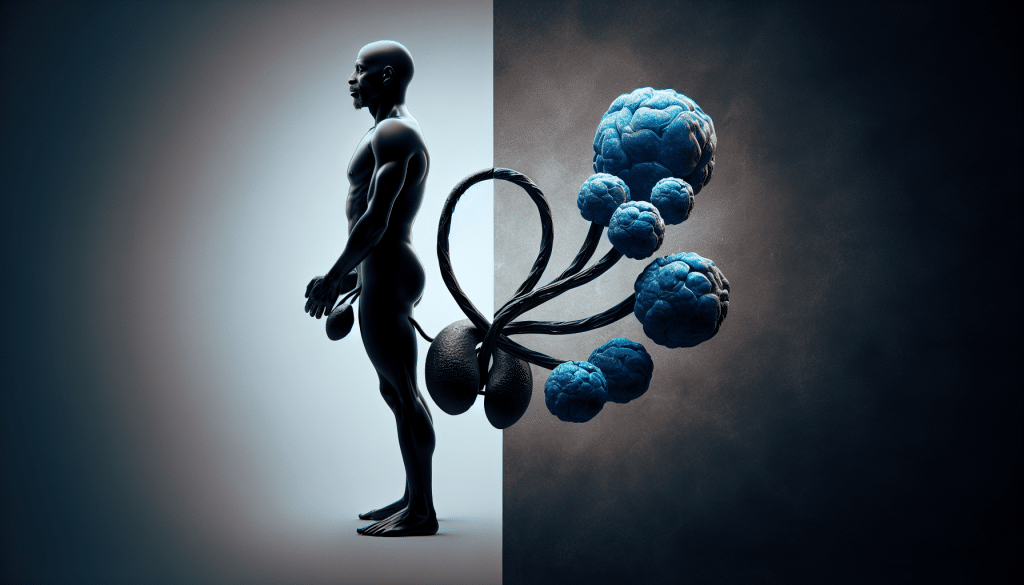
Symptoms of Prostate Cancer
Prostate cancer can present with various symptoms, and it is important to be aware of them in order to seek timely medical attention. One common set of symptoms is related to urinary problems. If you experience frequent urination, especially at night, or a weak urine stream, it could be a sign of prostate cancer. Other urinary symptoms include difficulty starting or stopping urination, inability to empty the bladder completely, and the urgent need to urinate.
Sexual dysfunction can also be a symptom of prostate cancer. If you notice a decreased sex drive or have difficulty achieving or maintaining an erection, it is advisable to consult with a healthcare professional. Additionally, you may experience pain or discomfort during ejaculation, which could indicate a prostate issue.
Bone pain is another symptom that may occur if prostate cancer has spread to the bones. This can manifest as persistent back pain, hip pain, or pain in the pelvis. It is important to note that bone pain is not always related to cancer, but if you have prostate cancer and experience bone pain, it is crucial to discuss it with your doctor.
Weight loss is a symptom that can occur as cancer progresses. If you unintentionally lose weight without any changes in your diet or exercise routine, it could be a sign of prostate cancer or another underlying condition. It is essential to inform your healthcare provider about any unexplained weight loss.
Lastly, blood in the urine or semen should not be ignored. While this symptom can have various causes, including infections or stones, it can also be an indication of prostate cancer. If you notice blood during urination or ejaculation, it is important to have it evaluated by a medical professional.
Pain associated with Prostate Cancer
Pain is a common symptom associated with prostate cancer, and it can manifest in different ways. One type of pain is localized pain, which is typically felt in the prostate region. This can be a dull ache or a more intense sensation. If you experience localized pain, it is essential to consult with your healthcare provider as soon as possible.
Another type of pain often associated with prostate cancer is bone pain. When prostate cancer spreads to the bones, it can cause significant discomfort. This pain is typically described as deep, aching, or throbbing and can be felt in areas such as the back, hips, or pelvis. If you have prostate cancer and experience persistent bone pain, it is crucial to discuss it with your healthcare team.
Prostate cancer can also cause pain during urination, known as dysuria. This pain is often described as a burning sensation or discomfort in the urinary tract. Similarly, painful ejaculation can occur due to the involvement of the prostate gland. These symptoms should not be ignored, and it is important to communicate them to your healthcare provider.
Factors Influencing Pain Perception in Prostate Cancer
Several factors can influence the perception of pain in individuals with prostate cancer. One such factor is an individual’s pain threshold. Everyone has a different tolerance for pain, and some individuals may experience more significant discomfort than others. Understanding your own pain threshold can help guide pain management approaches.
The stage of prostate cancer can also impact the level of pain experienced. In the early stages, when the cancer is confined to the prostate gland, pain may be minimal or absent. However, as cancer progresses and spreads to other parts of the body, such as the bones, the likelihood of experiencing pain increases. Regular monitoring and appropriate treatment can help manage pain at different stages of the disease.
The treatment options chosen can also influence pain perception. Some therapies, such as radiation therapy or surgical interventions, may cause temporary discomfort or pain. However, these treatment modalities are often necessary to manage the disease effectively. It is important to discuss potential side effects and pain management strategies with your healthcare provider before starting treatment.
Psychological factors, such as anxiety, depression, or fear, can also impact pain perception. Chronic pain can often lead to emotional distress, while psychological factors can exacerbate the perception of pain. Incorporating psychological support and relaxation techniques as part of the pain management plan can help address these aspects and improve overall well-being.
Pain Management in Prostate Cancer
Pain management is an essential aspect of prostate cancer care, and various options are available to help alleviate discomfort. Medication is often the first line of defense in managing prostate cancer pain. Nonsteroidal anti-inflammatory drugs (NSAIDs), opioids, and other pain medications may be prescribed to help control pain levels and improve quality of life.
Hormone therapy is another commonly used approach in the management of prostate cancer pain. By reducing the levels of testosterone, hormone therapy can slow the growth of the cancer and alleviate associated symptoms, including pain. This treatment option is particularly beneficial for patients with advanced prostate cancer.
Radiation therapy, which uses high-energy beams to target and destroy cancer cells, can also help manage pain associated with prostate cancer. This treatment modality is often used to treat localized or metastatic tumors, and it may provide relief by shrinking tumors and reducing pain.
In some cases, surgical interventions may be necessary to manage prostate cancer pain. Surgeons may remove the prostate gland, surrounding tissues, or other affected structures to alleviate pain and improve quality of life. Surgical interventions are typically considered when other approaches have been ineffective or when cancer has spread to a localized region.
Managing Bone Pain in Prostate Cancer
Bone pain can significantly impact the quality of life for individuals with prostate cancer. Fortunately, there are several approaches to manage and alleviate this type of pain. Bisphosphonates and Denosumab are medications commonly used in the management of bone pain associated with prostate cancer. These drugs work by strengthening the bones and reducing the risk of complications, such as fractures.
Radiopharmaceuticals, a type of targeted radiation therapy, can also be used to manage bone pain. These treatments involve injecting a radioactive substance into the bloodstream, which then collects in areas of bone with cancerous growths. The radiation emitted by the substance helps destroy cancer cells and reduce pain.
External Beam Radiation Therapy can also be utilized to target specific areas of bone pain. This treatment involves directing high-energy X-rays or protons to the affected region, effectively reducing pain and improving quality of life.
Alternative Therapies for Prostate Cancer Pain
In addition to traditional medical interventions, alternative therapies can complement pain management strategies for prostate cancer. Acupuncture, for example, involves the insertion of thin needles into specific points on the body to stimulate the release of natural pain-relieving substances. This practice has been shown to effectively reduce pain and improve overall well-being.
Massage therapy is another alternative therapy that can provide relief from prostate cancer-related pain. Skilled massage therapists can target specific areas of pain or tension, helping to alleviate discomfort and promote relaxation.
Meditation and mindfulness techniques can also be beneficial in managing pain. These practices involve focusing one’s attention on the present moment, promoting relaxation, and reducing stress. By incorporating these techniques into a daily routine, individuals can experience reduced pain perception and increased overall well-being.
Psychological Support for Pain Management
Prostate cancer pain can often have a significant impact on an individual’s psychological well-being. To address this aspect of pain management, counseling and psychotherapy can be highly beneficial. These therapeutic interventions provide a safe space to explore and address the emotional impact of living with pain.
Support groups can also be invaluable for individuals experiencing prostate cancer pain. These groups offer opportunities to connect with others facing similar challenges, providing a sense of understanding and camaraderie. Sharing experiences and receiving support from peers can help individuals cope with pain and improve their quality of life.
Relaxation techniques, including deep breathing exercises and guided imagery, can be used alongside traditional pain management strategies. These techniques help reduce stress and promote a sense of calm, ultimately leading to improved pain management outcomes.
End-of-Life Pain Care in Prostate Cancer
As prostate cancer progresses, end-of-life care becomes an important consideration. Palliative care focuses on managing pain and improving quality of life for individuals with advanced or terminal prostate cancer. This specialized form of care involves a multidisciplinary approach, with healthcare professionals providing treatments, therapies, and emotional support tailored to the unique needs of each patient.
Hospice care is another option for individuals with advanced prostate cancer who are nearing the end of their lives. Hospice care aims to provide comfort, dignity, and support to patients, as well as their families, during this challenging time. Pain management is a key component of hospice care, with healthcare providers focusing on ensuring the patient’s comfort and minimizing distressing symptoms.
Comfort measures are essential when providing end-of-life care for individuals with prostate cancer. These measures may include measures such as adjusting positioning, providing pain medications on a regular schedule, and implementing strategies to promote comfort and well-being.
Preventing Prostate Cancer Pain
While it may not be possible to entirely prevent prostate cancer pain, there are steps individuals can take to reduce the likelihood and severity of pain. Early detection and treatment play a crucial role in managing prostate cancer and reducing associated symptoms. Regular screenings, such as prostate-specific antigen (PSA) tests, can help identify the presence of cancer at an early stage when treatment options are most effective.
Maintaining a healthy lifestyle can also contribute to preventing or minimizing prostate cancer pain. Eating a balanced diet, engaging in regular exercise, and avoiding smoking can all help promote overall health and reduce the risk of developing complications. Additionally, managing stress and maintaining a positive outlook can contribute to overall well-being and pain management.
Regular medical check-ups are essential for individuals with prostate cancer, as they allow healthcare professionals to monitor the progression of the disease and make necessary adjustments to the treatment plan. By staying vigilant and proactive in your healthcare, you can help prevent or effectively manage prostate cancer pain.
Conclusion
Prostate cancer pain can significantly impact the quality of life of individuals diagnosed with this disease. By being aware of the symptoms and seeking medical attention promptly, individuals can receive appropriate care and pain management strategies. Various approaches, including medication, hormone therapy, radiation therapy, and surgical interventions, can help alleviate pain and improve overall well-being.
Alternative therapies and psychological support can also complement traditional pain management strategies, addressing the emotional and psychological impact of living with prostate cancer pain. End-of-life care, including palliative and hospice care, plays a crucial role in providing comfort and support during the later stages of the disease.
Prevention and early detection are key in reducing the likelihood and severity of prostate cancer pain. By maintaining a healthy lifestyle and regularly monitoring your health, you can take proactive steps to minimize the impact of prostate cancer on your life. With proper pain management and support, individuals with prostate cancer can experience improved quality of life and better overall well-being.