Psoriasis, a chronic autoimmune skin condition, can cause a variety of uncomfortable symptoms, ranging from mild to severe. It affects about 125 million people worldwide, and understanding its symptoms is crucial for early detection and effective management. In this article, we will explore three common symptoms of psoriasis, shedding light on their characteristics and offering insight into identifying this condition. So if you’ve ever wondered what signs to look out for or want to increase your knowledge, keep reading to learn more about the three key symptoms of psoriasis.
Overview of Psoriasis
Psoriasis is a chronic autoimmune condition that affects the skin, causing a range of symptoms. It is characterized by the rapid build-up of skin cells, which leads to the formation of red, raised, and scaly patches on the skin. This condition can be quite uncomfortable and can significantly impact a person’s quality of life. It is important to understand the causes, symptoms, and types of psoriasis in order to effectively manage this condition.
Definition
Psoriasis is a chronic inflammatory skin condition that is caused by a malfunctioning immune system. It is characterized by the rapid production of skin cells, which leads to the formation of thick, red, and scaly patches on the skin. These patches, known as plaques, can be itchy, painful, and can cause significant discomfort. Psoriasis is not contagious and is a result of a combination of genetic and environmental factors.
Causes
The exact cause of psoriasis is still not fully understood, but it is believed to be caused by a combination of genetic and environmental factors. People with a family history of psoriasis are more likely to develop the condition. Additionally, certain environmental triggers such as stress, infections, certain medications, weather changes, and skin injuries can trigger or worsen psoriasis symptoms.
Symptoms of Psoriasis
Psoriasis can present with a variety of symptoms that can vary in severity from person to person. It is important to recognize these symptoms in order to seek appropriate treatment and management strategies.
Red, Raised, and Scaly Skin
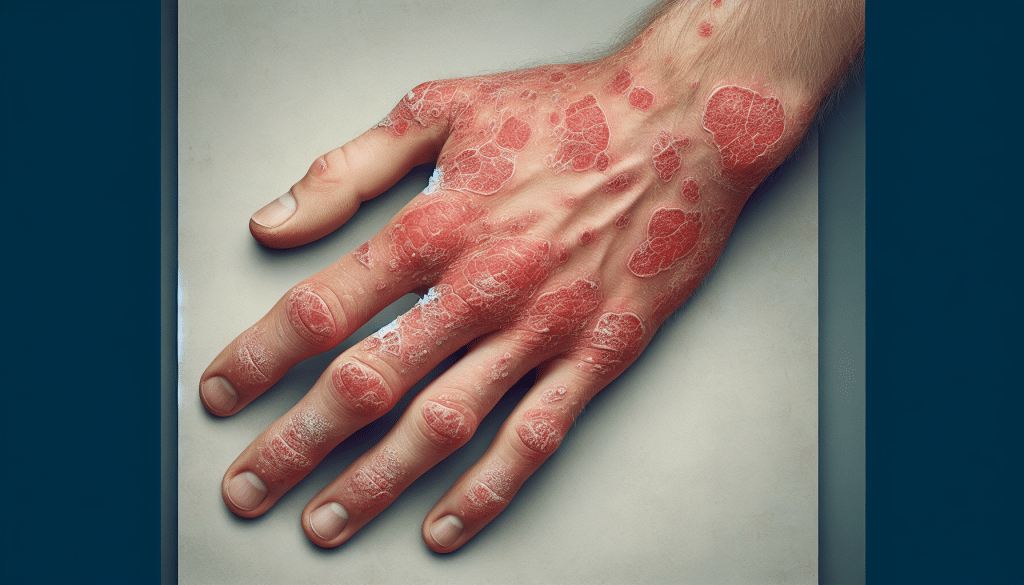
One of the hallmark symptoms of psoriasis is the presence of red, raised, and scaly patches on the skin. These patches, known as plaques, can vary in size and shape. They are typically dry and covered with silvery-white scales. The plaques can appear on any part of the body, but are most commonly found on the elbows, knees, scalp, and lower back.
Itching and Irritation
Psoriasis can cause intense itching and irritation in the affected areas. The skin may feel tight and uncomfortable, leading to a constant urge to scratch. However, scratching can further worsen the condition and lead to more inflammation and discomfort. It is important to resist the urge to scratch and instead, seek appropriate treatment to alleviate itching and irritation.
Nail Changes
Psoriasis can also affect the nails, causing various changes. These changes can include pitting, thickening, discoloration, and separation of the nail from the nail bed. The nails may become brittle and easily breakable. Nail changes are more common in people with psoriatic arthritis, a form of psoriasis that affects the joints.
Types of Psoriasis and Their Symptoms
Psoriasis can manifest in several different forms, each with its own set of symptoms. It is important to understand these types in order to recognize the specific symptoms and seek appropriate treatment.
Plaque Psoriasis
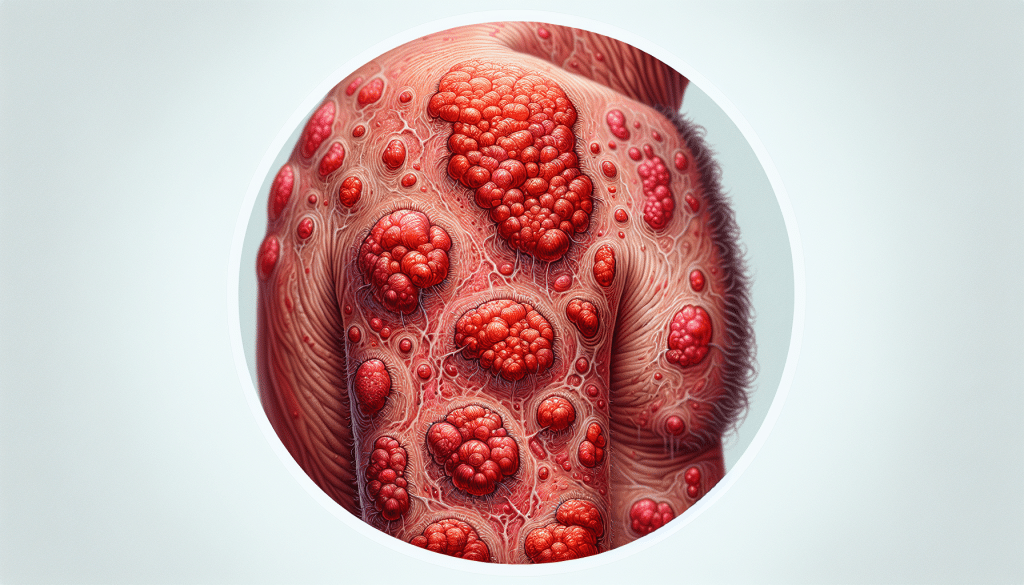
Plaque psoriasis is the most common form of psoriasis, accounting for approximately 80% of cases. It is characterized by the presence of raised, red plaques covered with silvery scales. These plaques can appear on any part of the body, but are most commonly found on the elbows, knees, scalp, and lower back. They can be itchy, painful, and may crack and bleed.
Guttate Psoriasis
Guttate psoriasis is more common in children and young adults. It is characterized by the sudden onset of small, red, and scaly spots on the skin. These spots are smaller and thinner than the plaques seen in plaque psoriasis. Guttate psoriasis is often triggered by a bacterial or viral infection, such as strep throat.
Inverse Psoriasis
Inverse psoriasis affects the skin in the folds of the body, such as the armpits, groin, and under the breasts. It is characterized by smooth, red and inflamed patches of skin. Inverse psoriasis is more common in people who are overweight or have deep skin folds. The condition can be worsened by sweating and friction.
Pustular Psoriasis
Pustular psoriasis is characterized by the appearance of pus-filled blisters on the skin. These blisters may be surrounded by red, inflamed skin. It is a rare form of psoriasis and can be localized to certain areas of the body or can be generalized, affecting larger areas.
Erythrodermic Psoriasis
Erythrodermic psoriasis is a severe form of psoriasis that affects the entire body. It is characterized by widespread redness, scaling, and inflammation of the skin. This type of psoriasis can be life-threatening and requires immediate medical attention.
Other Common Symptoms of Psoriasis
In addition to the main symptoms, psoriasis can also present with several other common symptoms that may be experienced by individuals with the condition.
Joint Pain
Psoriasis can be associated with a form of arthritis known as psoriatic arthritis. This can cause joint pain, stiffness, and swelling. Psoriatic arthritis can affect any joint in the body, but is most commonly found in the fingers, toes, knees, and lower back. It is important to recognize these joint symptoms and seek appropriate treatment to manage both the skin and joint symptoms.
Dry Skin and Cracking
People with psoriasis often experience dry skin in addition to the red, raised, and scaly patches. The skin may feel tight, rough, and prone to cracking. It is important to moisturize regularly and use gentle skin care products that do not irritate the skin.
Soreness and Bleeding
The red, raised plaques in psoriasis can often be painful and tender to touch. They may also crack and bleed, especially during periods of increased inflammation or scratching. It is important to keep the affected areas clean and avoid any harsh or aggressive skin care treatments that can further aggravate the skin.
Eye Problems
In some cases, psoriasis can also affect the eyes, leading to symptoms such as redness, dryness, burning, and itching. Psoriasis-related eye problems are rare but should not be ignored. If you experience any eye-related symptoms, it is important to seek medical attention.

Systemic Symptoms of Psoriasis
In addition to the symptoms that primarily affect the skin, psoriasis can also manifest with systemic symptoms that affect the entire body.
Fatigue
Many individuals with psoriasis experience fatigue, which can be caused by the chronic inflammation associated with the condition. Fatigue can significantly impact daily functioning and quality of life. It is important to address this symptom and seek appropriate management strategies.
Swelling and Stiffness
Psoriasis-related joint inflammation can lead to swelling and stiffness. This can make movement difficult and painful. If you experience joint-related symptoms, it is important to consult with a healthcare professional.
Fever
In some cases, people with psoriasis may experience episodes of fever. Fever can be a sign of a more severe form of psoriasis or an underlying infection. It is important to seek medical attention if you experience persistent or high-grade fever.
Psoriasis Triggers and Their Symptoms
Psoriasis symptoms can be triggered or worsened by various factors. It is important to identify these triggers in order to minimize flare-ups and manage the condition effectively.
Stress
Stress is a common trigger for many individuals with psoriasis. It can lead to increased inflammation and worsen symptoms. It is important to find healthy ways to manage stress, such as practicing relaxation techniques or engaging in activities you enjoy.
Infections
Certain bacterial or viral infections can trigger or worsen psoriasis symptoms, particularly guttate psoriasis. Streptococcal infections, such as strep throat, are a common trigger for guttate psoriasis.
Certain Medications
Some medications, such as lithium, beta-blockers, and antimalarials, can trigger or worsen psoriasis symptoms. If you have psoriasis, it is important to inform your healthcare provider about your condition before starting any new medications.
Weather Changes
Cold weather and low humidity can worsen psoriasis symptoms, leading to increased dryness and itching. It is important to protect your skin during colder months by wearing appropriate clothing and using moisturizers.
Injury
Skin injuries, such as cuts, burns, or excessive scratching, can trigger the development of psoriasis plaques in the affected areas. It is important to take proper care of your skin and avoid any activities that may lead to skin injuries.

When to See a Doctor
While psoriasis is a chronic condition that requires long-term management, there are certain situations that warrant a visit to a healthcare professional.
Severe Symptoms
If your psoriasis becomes severe, with widespread plaques, intense itching, or significant impact on daily activities, it is important to seek medical attention. Severe psoriasis may require more aggressive treatment options.
Unresponsive Treatment
If you have been following your prescribed treatment plan and have not seen significant improvement in your symptoms, it is important to consult with your healthcare provider. They can evaluate your current treatment approach and suggest alternative options.
Impact on Daily Life
If your psoriasis is significantly impacting your daily life, such as interfering with work, sleep, or relationships, it is important to seek help. There are supportive resources available that can help you manage the emotional and psychological impact of psoriasis.
Conclusion
Psoriasis is a chronic autoimmune condition that affects the skin, causing a range of symptoms. It is important to recognize the symptoms of psoriasis, such as red, raised, and scaly skin, itching and irritation, and nail changes. Understanding the different types of psoriasis and their associated symptoms can help in diagnosis and treatment. Furthermore, recognizing the systemic symptoms and triggers of psoriasis is crucial in managing this condition effectively. If you experience severe symptoms, unresponsive treatment, or significant impact on your daily life, it is important to seek medical attention. With appropriate management strategies and support, individuals with psoriasis can lead healthy and fulfilling lives.