If you’ve been relying on acid reflux medication to keep those uncomfortable symptoms at bay, it can be disheartening when you realize that it’s no longer as effective as it used to be. The burning sensation and discomfort start creeping back in, leaving you wondering what to do next. But fear not! In this article, we’ll explore some practical steps you can take when your acid reflux medication is no longer providing the relief you need. So, grab a cup of tea, get comfortable, and let’s find solutions together.
Understanding Acid Reflux Medication
Types of acid reflux medication
There are several types of acid reflux medication available to help manage the symptoms of this condition. The most common types include proton pump inhibitors (PPIs), H2 blockers, and antacids. Each type works in a slightly different way to reduce the production of stomach acid or neutralize the acid already present.
How acid reflux medication works
Acid reflux medication typically works by decreasing the amount of acid produced in the stomach or by neutralizing the acid that is already in the stomach. Proton pump inhibitors, such as omeprazole or esomeprazole, work by reducing the production of acid in the stomach. H2 blockers, like ranitidine or famotidine, work by blocking histamine receptors in the stomach, which reduces the production of acid. Antacids, such as Tums or Rolaids, work by neutralizing the acid in the stomach.
Why acid reflux medication may stop working
There are several reasons why acid reflux medication may stop working. One possible reason is that your body may have developed a tolerance to the medication over time. This means that the medication is no longer as effective in reducing the symptoms of acid reflux. Additionally, lifestyle factors such as diet, weight gain, and stress levels can also impact the effectiveness of the medication. It is important to identify the reasons why the medication may no longer be working in order to find an appropriate solution.
Identifying Symptoms of Ineffective Medication
Common symptoms of acid reflux
The common symptoms of acid reflux include heartburn, regurgitation, chest pain, difficulty swallowing, and a sour taste in the mouth. These symptoms occur when acid from the stomach flows back into the esophagus, causing irritation and discomfort. If you frequently experience these symptoms, it is important to consult with a healthcare provider for an accurate diagnosis and appropriate treatment.
Additional symptoms when medication is no longer effective
When acid reflux medication is no longer effective, you may experience additional symptoms that indicate the need for a different treatment approach. These symptoms can include persistent heartburn, chest pain that radiates to the arms or jaw, difficulty swallowing, unexplained weight loss, and vomiting blood. If you experience any of these symptoms, it is important to seek medical attention promptly as they may indicate more serious complications.
Differentiating between acid reflux and other conditions
It is essential to differentiate between acid reflux and other conditions that may have similar symptoms. Conditions such as gastroesophageal reflux disease (GERD), peptic ulcers, hiatal hernia, and even heart attacks can cause symptoms similar to acid reflux. A healthcare provider can help determine the underlying cause of your symptoms through a thorough evaluation and appropriate diagnostic tests.
Reviewing Lifestyle and Diet
Maintaining a healthy weight
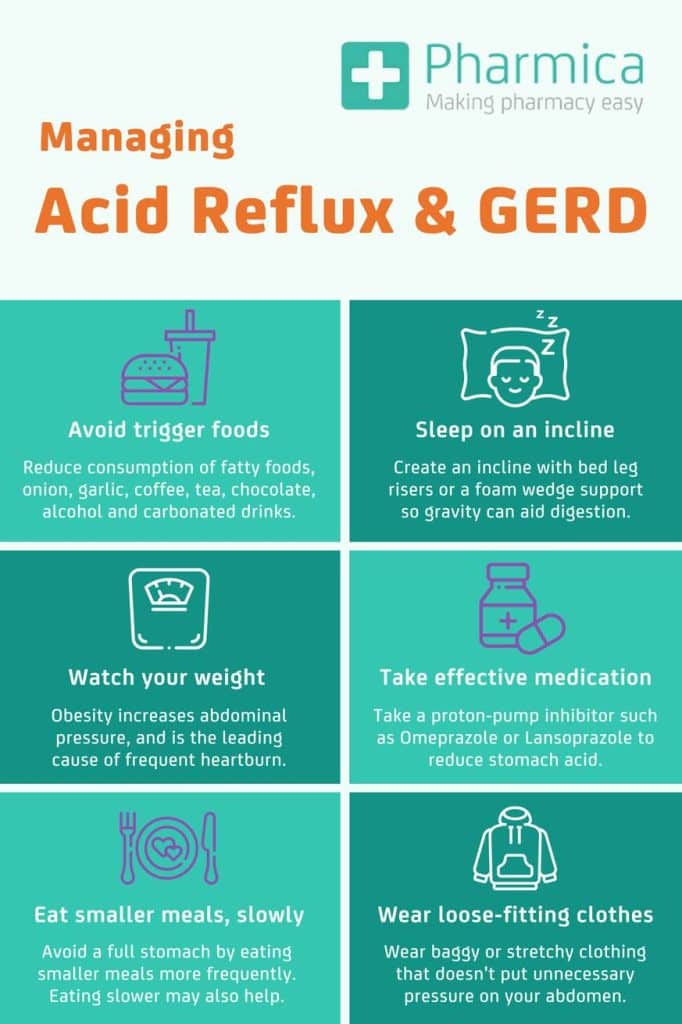
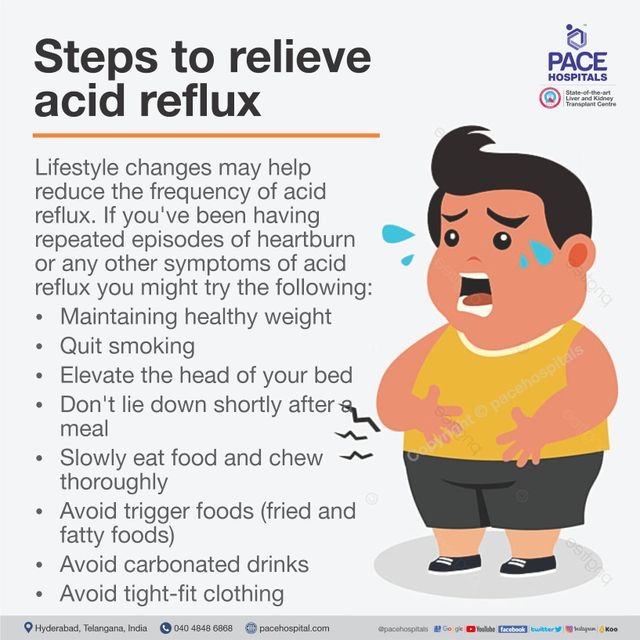
Maintaining a healthy weight is important for managing acid reflux symptoms. Excess weight can put pressure on the stomach, leading to increased acid reflux. If you are overweight, losing weight through a combination of a balanced diet and regular exercise can significantly improve your symptoms.
Eating smaller, more frequent meals
Instead of having large meals, opting for smaller, more frequent meals throughout the day can help reduce acid reflux symptoms. Eating smaller portions allows the stomach to digest food more easily, reducing the likelihood of excess acid production and reflux.
Identifying trigger foods and avoiding them
Certain foods and beverages can trigger or worsen acid reflux. Common triggers include spicy or fatty foods, citrus fruits, tomatoes, chocolate, mint, coffee, and carbonated beverages. Identifying your trigger foods and avoiding them can help alleviate symptoms and improve the effectiveness of your medication.
Avoiding lying down immediately after meals
Lying down immediately after meals can increase the likelihood of acid reflux symptoms. It is recommended to wait at least two to three hours after eating before lying down or going to bed. This allows enough time for the stomach to empty and reduces the chances of acid reflux occurring.
Elevating the head of the bed while sleeping
Raising the head of the bed by six inches can help keep acid reflux symptoms at bay during sleep. This elevation allows gravity to keep stomach acid in the stomach, preventing it from flowing back into the esophagus. Using a foam wedge or placing blocks under the bed’s headboard can achieve the desired elevation.
Discussing with a Healthcare Provider
Scheduling an appointment
When your acid reflux medication is no longer effective, it is important to schedule an appointment with a healthcare provider to discuss your symptoms and explore alternative treatment options. They will be able to evaluate your condition, provide a proper diagnosis, and recommend the most appropriate course of action.
Providing a detailed medical history
During your appointment, it is crucial to provide a detailed medical history to your healthcare provider. This includes any previous diagnoses, surgeries, or other medical conditions you may have. Additionally, inform them of all the medications you are currently taking, including over-the-counter drugs and supplements.
Describing current symptoms
Clearly describing your current symptoms to your healthcare provider will help them understand the extent and severity of your acid reflux. Be specific about the frequency, duration, and intensity of your symptoms. This information will assist in determining the best treatment plan for your individual needs.
Discussing previous medications and their effectiveness
Discussing your previous acid reflux medications and their effectiveness is vital in finding a solution when your current medication is no longer working. Your healthcare provider will consider your response to previous treatments and make informed decisions about alternative medications or treatment options.
Exploring alternative treatment options
If your current medication is no longer effective, your healthcare provider may recommend exploring alternative treatment options. This could include trying different medications, adjusting the dosage or timing of your medication, or considering other non-pharmacological approaches for managing acid reflux.
Evaluating Medication Dosage and Timing
Ensuring correct dosage
It is important to ensure that you are taking the correct dosage of your acid reflux medication. You should carefully follow the instructions provided by your healthcare provider or read the labels if taking over-the-counter medications. Taking too little medication may not provide enough relief, while taking too much can lead to potential side effects.
Taking medication at appropriate times
Taking your acid reflux medication at the appropriate times can improve its effectiveness. Some medications are most effective when taken before meals, while others are better taken after meals. It is important to follow the specific instructions provided by your healthcare provider or the medication packaging to maximize its benefits.
Considering the influence of other medications
Certain medications can interact with acid reflux medication, impacting their effectiveness. It is important to inform your healthcare provider about all the medications and supplements you are currently taking to ensure there are no potential interactions. They can provide guidance on the proper timing or potential adjustments that may be necessary.
Exploring Prescription Medication Options
Different classes of prescription acid reflux medication
There are different classes of prescription acid reflux medication available. These include proton pump inhibitors (PPIs) such as lansoprazole or pantoprazole, H2 blockers like cimetidine or nizatidine, and prokinetics such as metoclopramide. Each class of medication works differently to reduce or control stomach acid production.
Consulting a healthcare provider for a prescription
To explore prescription acid reflux medication options, it is important to consult with a healthcare provider. They will evaluate your symptoms, medical history, and overall health to determine the most appropriate prescription medication for your specific needs. The healthcare provider will also explain the potential side effects and risks associated with each medication.
Understanding potential side effects and risks
Prescription acid reflux medications may come with potential side effects and risks. It is important to understand these potential risks before starting a new medication. Common side effects may include headaches, nausea, diarrhea, and abdominal pain. Severe side effects, although rare, could include kidney damage, increased risk of bone fractures, and vitamin deficiencies. Your healthcare provider will discuss these risks and help you make an informed decision.
Considering Over-the-Counter Alternatives
Types of over-the-counter acid reflux medication
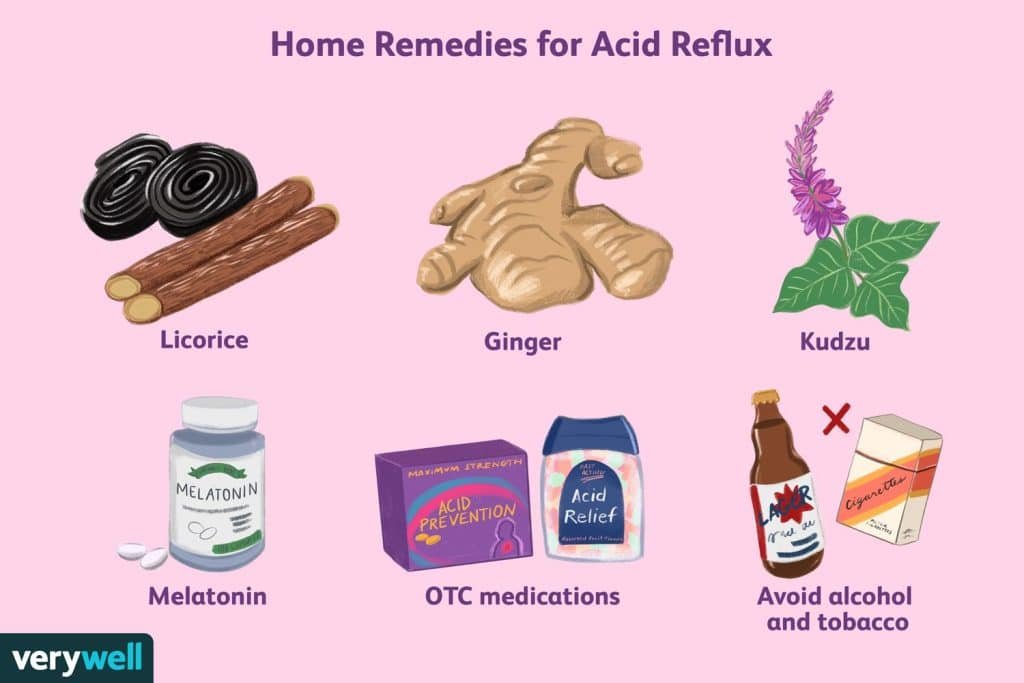
Over-the-counter (OTC) acid reflux medication can be an alternative option for managing your symptoms. OTC medications include antacids, H2 blockers, and proton pump inhibitors. Antacids provide quick relief by neutralizing stomach acid, while H2 blockers and proton pump inhibitors offer longer-lasting relief by reducing acid production.
Checking for drug interactions and contraindications
Before using over-the-counter acid reflux medication, it is important to check for any potential drug interactions or contraindications. Some medications, both prescription and over-the-counter, can interact with acid reflux medications, reducing their effectiveness or causing adverse effects. Always read the labels, follow the provided instructions, and consult a healthcare provider if you have any concerns.
Using OTC medications as recommended
To ensure effective symptom relief, it is important to use over-the-counter acid reflux medications as recommended. Follow the dosing instructions provided on the packaging or consult a healthcare provider for guidance. If your symptoms persist or worsen despite using OTC medications correctly, it may be necessary to consult with a healthcare provider for further evaluation.
Investigating Natural Remedies and Lifestyle Changes
Herbal remedies for acid reflux
Some individuals may find relief from acid reflux symptoms through the use of herbal remedies. Herbs such as ginger, chamomile, licorice root, and slippery elm may have soothing effects on the digestive system. However, it is crucial to consult with a healthcare provider before trying any herbal remedies to ensure they are safe and appropriate for your specific situation.
Dietary changes for improved acid reflux management
Making dietary changes can play a significant role in managing acid reflux. Avoiding trigger foods and beverages, such as spicy foods, citrus fruits, chocolate, and caffeine, can help reduce symptoms. Additionally, focusing on a diet rich in fruits, vegetables, lean proteins, and whole grains can promote digestive health and minimize acid reflux symptoms.
Incorporating stress-reducing techniques
Stress can have a significant impact on acid reflux symptoms. Incorporating stress-reducing techniques, such as regular exercise, meditation, deep breathing exercises, and engaging in hobbies or activities you enjoy, can help manage stress levels. By reducing stress, you may find that your acid reflux symptoms also decrease.
Trying alternative therapies like acupuncture or yoga
Alternative therapies, such as acupuncture or yoga, may help alleviate acid reflux symptoms in some individuals. Acupuncture, an ancient Chinese practice, involves the placement of fine needles at specific points in the body to restore balance and promote healing. Yoga combines physical postures, breathing exercises, and meditation to improve overall well-being. These alternative therapies can help reduce stress, improve digestion, and potentially minimize acid reflux symptoms.

Managing Stress and Anxiety
Recognizing the impact of stress on acid reflux
Stress and anxiety can have a significant impact on acid reflux symptoms. When you experience stress or anxiety, your body responds by releasing stress hormones, which can increase the production of stomach acid and trigger acid reflux. Recognizing this connection can help you manage your stress levels effectively.
Implementing stress management techniques
Implementing stress management techniques in your daily life can help reduce acid reflux symptoms. Some effective techniques include deep breathing exercises, regular exercise, engaging in hobbies or activities you enjoy, practicing mindfulness or meditation, and maintaining a healthy work-life balance. Finding what works for you personally is essential in effectively managing stress.
Exploring therapy or counseling options
If stress and anxiety are persistent and significantly impacting your acid reflux symptoms, seeking therapy or counseling may be beneficial. A mental health professional can help you develop coping mechanisms, identify stress triggers, and provide support as you navigate the challenges associated with acid reflux. They can also help address any underlying emotional issues that may be contributing to your symptoms.
Maintaining Regular Follow-ups with Healthcare Provider
Importance of regular check-ins
Regular check-ins with a healthcare provider are essential when managing acid reflux symptoms. These appointments allow for monitoring of your condition, evaluation of symptom management, and adjustment of your medication or treatment plan as needed. They also provide an opportunity to address any concerns or questions you may have.
Discussing any changes in symptoms
During your regular check-ins, it is important to discuss any changes in your acid reflux symptoms. Whether your symptoms have improved, worsened, or remained the same, sharing this information with your healthcare provider is crucial for appropriate symptom management. They can evaluate your progress and adjust your treatment plan accordingly.
Adjusting medication or treatment plan if needed
Based on your symptoms and progress, your healthcare provider may need to adjust your medication or treatment plan. This could involve changes in dosage, timing, or even trying different medications or treatment approaches. Regular follow-ups allow your healthcare provider to track your progress and ensure that your treatment is optimized for your specific needs.
By understanding the various types of acid reflux medication, identifying symptoms of ineffective medication, reviewing lifestyle and diet choices, discussing with a healthcare provider, evaluating medication dosage and timing, exploring prescription and over-the-counter options, investigating natural remedies and lifestyle changes, managing stress and anxiety, and maintaining regular follow-ups with your healthcare provider, you can effectively manage your acid reflux symptoms. Remember, finding the right combination of treatments may take time, but with patience and persistence, you can find relief and improve your quality of life.