
Do you often find yourself battling with uncomfortable acid reflux symptoms right before bed? You’re not alone. The struggle to get a good night’s sleep while dealing with heartburn, regurgitation, and the burning sensation in your chest can be exhausting. However, there are simple and effective ways to minimize these symptoms, allowing you to finally get the restful sleep you deserve. In this article, we’ll explore some practical tips and lifestyle changes that can help you reduce acid reflux symptoms before bed, providing you with the relief you’ve been longing for.

Dietary Changes
Avoid trigger foods
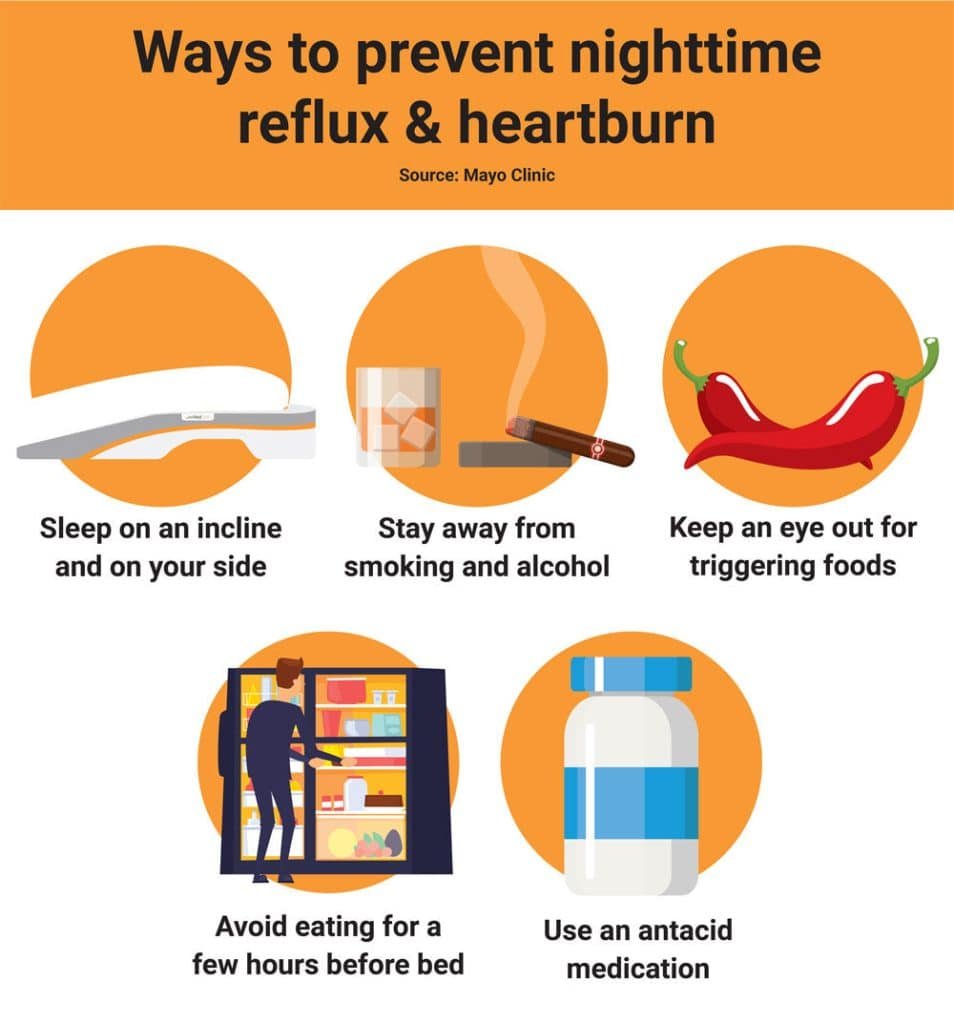
To reduce acid reflux symptoms before bed, it is important to avoid trigger foods. These are the foods that tend to worsen the condition and can lead to heartburn, indigestion, and discomfort. Some common trigger foods include spicy foods, citrus fruits, tomatoes, chocolate, caffeine, and carbonated beverages. By steering clear of these foods, especially in the evening, you can minimize the chances of experiencing acid reflux when you lie down to sleep.
Eat smaller meals
Another effective dietary change to reduce acid reflux symptoms before bed is to opt for smaller meals throughout the day. Eating large meals right before bed can put pressure on the lower esophageal sphincter, the muscle that separates the stomach from the esophagus. This, in turn, can cause acid to flow back up into the esophagus, resulting in that unpleasant burning sensation. By eating smaller, more frequent meals, you can help prevent this from happening and promote better digestion.
Limit alcohol and caffeine intake
Both alcohol and caffeine can contribute to acid reflux symptoms, especially when consumed in excess or close to bedtime. Alcohol relaxes the lower esophageal sphincter, allowing stomach acid to flow back into the esophagus more easily. Caffeine, on the other hand, stimulates the production of stomach acid, which can exacerbate acid reflux. By limiting your intake of alcohol and caffeine, particularly in the evening, you can reduce the likelihood of experiencing acid reflux right before bed.
Lifestyle Modifications
Raise the head of your bed
Raising the head of your bed can help alleviate acid reflux symptoms while you sleep. By elevating the upper part of your body, gravity can assist in keeping stomach acid down. This can be achieved by placing some sturdy objects under the legs of your bed to create an incline. Alternatively, you can invest in an adjustable bed frame that allows you to elevate the head portion. By doing so, you can experience more comfortable and restful nights without acid reflux disrupting your sleep.
Avoid lying down immediately after eating
It is important to avoid lying down immediately after eating if you want to reduce acid reflux symptoms before bed. When you lie flat, it becomes easier for stomach acid to flow back up into the esophagus, leading to heartburn and discomfort. Instead, try to stay in an upright position for at least two to three hours after a meal. This allows gravity to aid in digestion and prevents acid reflux from occurring when you lay down to sleep.
Quit smoking
Smoking has many detrimental effects on your health, and acid reflux is one of them. Smoking can weaken the lower esophageal sphincter, making it less effective in preventing stomach acid from traveling back up into the esophagus. It also increases the production of stomach acid, further exacerbating acid reflux symptoms. Quitting smoking not only improves overall health but can also significantly reduce acid reflux before bed and promote better sleep.
Maintain a healthy weight
Maintaining a healthy weight is crucial for managing acid reflux symptoms. Excess weight, especially around the abdomen, puts pressure on the stomach and can contribute to acid reflux. Losing weight, if necessary, can alleviate this pressure and reduce the likelihood of experiencing acid reflux right before bed. Incorporating regular exercise and a balanced diet into your lifestyle can help you achieve and maintain a healthy weight, improving your overall well-being and reducing acid reflux symptoms.
Avoid Certain Medications
Discuss medication options with your doctor
If you regularly suffer from acid reflux before bed, it is essential to discuss medication options with your doctor. They can evaluate your specific situation and recommend appropriate medications to help manage your symptoms. There are various over-the-counter and prescription medications available, such as antacids, H2 blockers, and proton pump inhibitors. Your doctor will be able to guide you in choosing the right medication for your needs and advise on proper usage and dosage.
Avoid NSAIDs and aspirin
Nonsteroidal anti-inflammatory drugs (NSAIDs), like ibuprofen, and aspirin can worsen acid reflux symptoms. These medications can irritate the stomach lining and increase the production of stomach acid, leading to heartburn and discomfort. If you frequently experience acid reflux, it is best to avoid NSAIDs and aspirin. Alternatively, you can consult your doctor for alternative pain relief options that are less likely to cause or aggravate acid reflux.
Be cautious with certain asthma medications
Some asthma medications, such as bronchodilators and theophylline, can relax the lower esophageal sphincter and trigger acid reflux. It is important to be cautious when using these medications, especially before bedtime. If you have asthma and take medication for it, discuss potential side effects with your doctor. They may be able to adjust your dosage or recommend alternative medications to minimize the occurrence of acid reflux before bed.
Manage Stress
Practice relaxation techniques
Stress can worsen acid reflux symptoms, especially when experienced before bedtime. Engaging in relaxation techniques can help manage stress levels and alleviate acid reflux. Try incorporating practices such as deep breathing exercises, meditation, or yoga into your daily routine. These techniques can promote a sense of calm and relaxation, reducing stress and its impact on your digestive system.
Exercise regularly
Regular exercise is not only beneficial for overall health but can also help reduce acid reflux symptoms. Physical activity helps to maintain a healthy weight, improve digestion, and reduce stress levels. Aim for at least 30 minutes of moderate-intensity exercise most days of the week. However, avoid vigorous exercise immediately after a meal, as it can increase the likelihood of acid reflux. Allow some time for your food to digest before engaging in more strenuous activities.
Consider therapy or counseling
If stress is a significant factor in your acid reflux symptoms before bed, considering therapy or counseling may be helpful. Speaking with a mental health professional can provide you with tools and strategies to manage and reduce stress in your daily life. They can also help uncover any underlying causes of stress and provide support in dealing with these issues. By addressing and managing stress effectively, you can significantly reduce the occurrence of acid reflux before bed.

Sleeping Position
Sleep on your left side
Sleeping on your left side can help reduce acid reflux symptoms during the night. This position allows gravity to assist in keeping stomach acid down and preventing it from flowing back up into the esophagus. It also helps to align the digestive organs, promoting better digestion and reducing the likelihood of acid reflux. If you typically sleep on your back or right side, try gradually transitioning to sleeping on your left side to see if it helps alleviate your acid reflux symptoms.
Use a wedge pillow
Using a wedge-shaped pillow can provide additional support and elevation for your upper body while you sleep. This can help keep stomach acid down and prevent it from traveling up into the esophagus. Place the wedge pillow under your torso, ensuring that your head and chest are elevated above your stomach. This position can help reduce acid reflux symptoms and promote more restful sleep without interruptions caused by heartburn or discomfort.
Clothing Choices
Wear loose-fitting clothes
Tight clothing, particularly around the waist area, can contribute to acid reflux symptoms. It can put pressure on the stomach, forcing acid to flow back up into the esophagus. Opting for loose-fitting clothes, especially around the abdomen, can help alleviate this pressure and reduce the chances of experiencing acid reflux before bed. Choose clothing that is comfortable and allows for easy movement to promote better digestion and prevent discomfort.
Avoid tight belts or waistbands
In addition to loose-fitting clothes, it is best to avoid wearing tight belts or waistbands that constrict the stomach. These can put added pressure on the abdomen and contribute to acid reflux symptoms. Opt for clothing with elastic waistbands or choose pants and skirts that fit more loosely around the waist. By wearing comfortable and non-restrictive clothing, you can minimize the risk of acid reflux disrupting your sleep.

Bedtime Routine
Finish evening meals at least 2-3 hours before bed
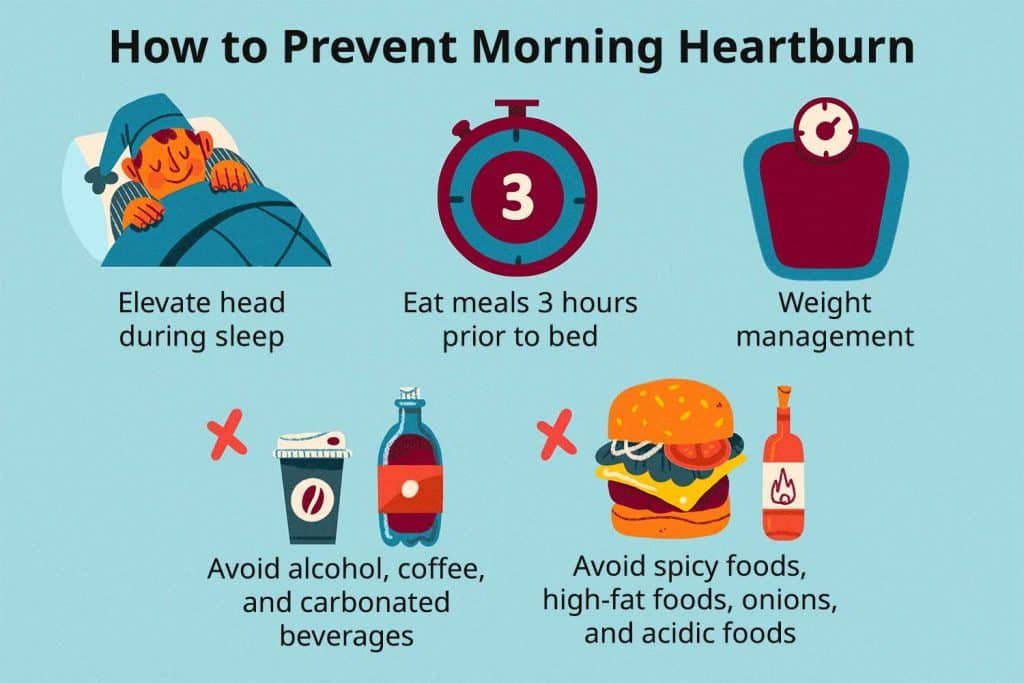
To reduce acid reflux symptoms before bed, it is important to finish your evening meals at least 2-3 hours before going to sleep. This allows enough time for the food to pass through your stomach and digest, reducing the chances of acid reflux when you lie down. Eating too close to bedtime can result in undigested food and increased stomach acid, creating the perfect conditions for acid reflux. By incorporating this simple change into your bedtime routine, you can promote better digestion and minimize the occurrence of acid reflux.
Avoid heavy snacks or spicy foods
Late-night snacking, especially on heavy or spicy foods, can provoke acid reflux symptoms before bed. These types of foods are harder to digest and can increase the production of stomach acid, making it more likely for acid reflux to occur when you lay down. Instead, opt for lighter, easily digestible snacks if you feel the need to eat before bed. Some examples include a small bowl of yogurt, a banana, or a handful of nuts. Choosing lighter options can help prevent acid reflux and allow for a more comfortable night’s sleep.
Drink herbal tea before bed
Drinking a cup of herbal tea before bed can help soothe your digestive system and reduce the risk of acid reflux. Chamomile tea, in particular, has calming properties and can aid in digestion. Avoid caffeinated beverages like black tea or coffee, as these can stimulate the production of stomach acid and worsen acid reflux symptoms. Instead, opt for caffeine-free options like chamomile, peppermint, or ginger tea to promote relaxation and ease digestion.
Elevating the Head of your Bed
Use bed risers or wood blocks
One way to elevate the head of your bed is by using bed risers or wood blocks. These can be placed under the legs of your bedframe, creating an incline that helps keep stomach acid down and reduces the likelihood of acid reflux. Make sure the bed risers or wood blocks are sturdy and secure to ensure your bed remains stable. This simple modification can have a significant impact on preventing acid reflux and ensuring a more restful night’s sleep.
Utilize a wedge-shaped pillow
As mentioned earlier, a wedge-shaped pillow can provide elevation and support for your upper body while you sleep. This elevation helps keep stomach acid down and minimizes the chances of acid reflux. Place the wedge pillow under your torso so that your head and chest are elevated above your stomach. This angle assists in proper digestion and reduces the risk of acid reflux symptoms interrupting your sleep.
Adjust your mattress
Another option for elevating the head of your bed is by adjusting your mattress. Some mattresses come with adjustable bases that allow you to raise the head portion to a desired incline. This can be particularly beneficial if you experience acid reflux frequently or if you prefer a more customizable sleep setup. Adjusting your mattress to an elevated position can help keep stomach acid down and alleviate acid reflux symptoms during the night.
Avoid Eating Late at Night
Set a cutoff time for eating
Establishing a cutoff time for eating can help reduce the likelihood of experiencing acid reflux before bed. Ideally, aim to finish your last meal or snack at least two to three hours before you plan on going to sleep. This gives your body enough time to digest the food properly and minimize the chances of acid reflux occurring when you lay down. By setting a cutoff time for eating, you can promote better digestion and prevent discomfort during the night.
Choose lighter, easily digestible meals for dinner
When planning your dinner, opt for lighter, easily digestible meals. Heavy, rich foods take longer to digest and can increase the production of stomach acid, leading to acid reflux. Incorporate more lean proteins, vegetables, and whole grains into your dinner to ensure a well-balanced and easily digestible meal. Avoid spicy foods or foods known to trigger acid reflux, and pay attention to portion sizes. By choosing lighter meals for dinner, you can promote better digestion and reduce the occurrence of acid reflux before bed.
Seek Medical Advice
Consult a healthcare professional
If you have tried various lifestyle modifications and dietary changes but continue to experience frequent acid reflux before bed, it is important to consult a healthcare professional. They can evaluate your symptoms, medical history, and provide appropriate guidance. A healthcare professional may recommend further tests or procedures to identify the underlying cause of your acid reflux and develop a personalized treatment plan to alleviate your symptoms effectively.
Discuss potential treatment options
During your consultation with a healthcare professional, be sure to discuss potential treatment options for acid reflux before bed. They may recommend medications, lifestyle modifications, or further interventions, depending on the severity and frequency of your symptoms. By working closely with your healthcare provider, you can find the most suitable approach to manage your acid reflux and improve the quality of your sleep. Remember to follow their advice and continue regular check-ups to monitor your progress and make any necessary adjustments to your treatment plan.
In conclusion, reducing acid reflux symptoms before bed requires a combination of dietary changes, lifestyle modifications, and potentially avoiding certain medications. By avoiding trigger foods, eating smaller meals, and limiting alcohol and caffeine intake, you can significantly reduce the occurrence of acid reflux. Lifestyle modifications like raising the head of your bed, avoiding lying down immediately after eating, and maintaining a healthy weight can also play a crucial role. Additionally, being cautious with certain medications, managing stress, adjusting your sleeping position, and choosing appropriate clothing can help alleviate acid reflux symptoms. Incorporating a bedtime routine, elevating the head of your bed, avoiding late-night eating, and seeking medical advice if necessary are vital steps in managing acid reflux before bed. By implementing these strategies, you can promote better sleep and wake up feeling refreshed without the discomfort of acid reflux.