
Have you ever experienced a sharp, burning pain in your chest after a meal or when lying down? If so, you may be familiar with acid reflux, a common condition that affects millions of people worldwide. Acid reflux occurs when the stomach acid flows back up into the esophagus, causing various symptoms including heartburn and an uncomfortable sensation in the chest. In this article, we will explore the causes, symptoms, and potential treatments for acid reflux and its effects on the chest. So, let’s dive right in and gain a better understanding of this bothersome condition.
What is Acid Reflux?
Definition of acid reflux
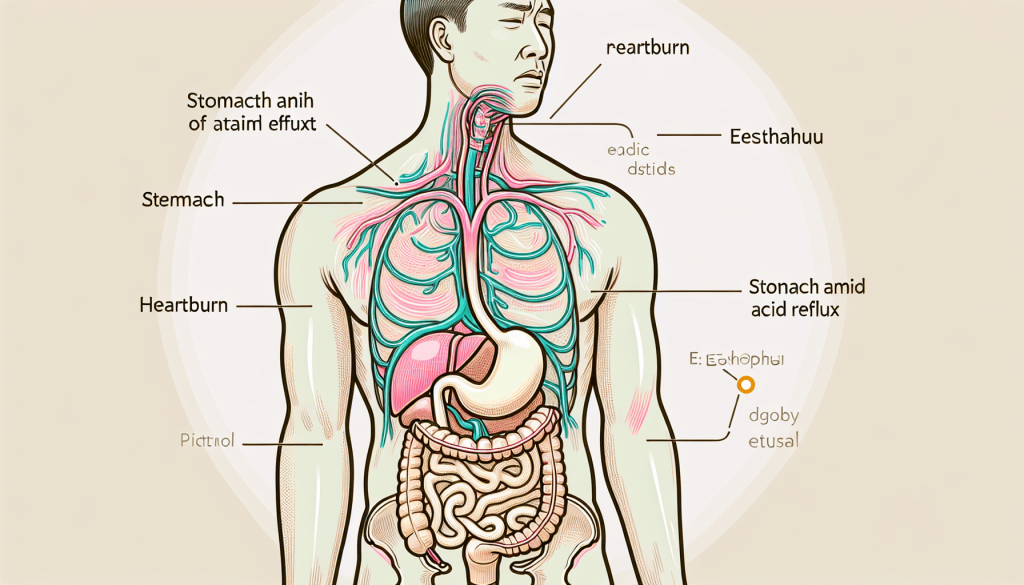
Acid reflux, also known as gastroesophageal reflux disease (GERD), is a condition in which stomach acid and other digestive juices flow backward from the stomach into the esophagus. This happens when the lower esophageal sphincter (LES), a ring of muscle that normally closes off the stomach from the esophagus, becomes weak or relaxes abnormally.
Causes of acid reflux
Several factors can contribute to the occurrence of acid reflux. One common cause is a hiatal hernia, which occurs when a portion of the stomach protrudes through the diaphragm into the chest cavity. Other causes include obesity, smoking, certain medications, and consuming certain types of foods and drinks, such as fatty or fried foods, citrus fruits, chocolate, mint, coffee, and alcohol.
Symptoms of acid reflux
The symptoms of acid reflux can vary from person to person. Common symptoms include heartburn, a burning sensation in the chest; regurgitation, a sour or bitter taste in the mouth; difficulty swallowing; and a persistent cough or hoarseness. Some individuals may also experience chest pain, which can be a cause for concern and should be evaluated by a healthcare professional.
Understanding the Chest
Anatomy of the chest
The chest, also known as the thoracic cavity, is a vital part of the human body. It contains important organs such as the heart, lungs, and esophagus. The chest is protected by the ribcage and plays a crucial role in breathing and protecting vital organs.
Chest pain and its causes
Chest pain can have various causes, ranging from mild to severe. Common causes of chest pain include muscle strain, anxiety, respiratory infections, and cardiac issues like angina or heart attack. It is important to note that chest pain can also be a symptom of acid reflux, as the esophagus is located in the chest and can be affected by the reflux of stomach acid.
The connection between acid reflux and chest pain
Acid reflux can cause chest pain due to the irritation and inflammation of the esophagus. When stomach acid flows backward into the esophagus, it can cause a burning or uncomfortable sensation in the chest. This chest pain can sometimes be mistaken for a more serious condition, such as a heart attack. It is crucial to differentiate between acid reflux chest pain and other causes of chest pain to ensure appropriate medical evaluation and treatment.

How Acid Reflux Affects the Chest
Mechanism of acid reflux
When the lower esophageal sphincter (LES) becomes weak or relaxes abnormally, it allows stomach acid and other digestive juices to flow backward into the esophagus. This reflux of acid irritates the lining of the esophagus and can lead to symptoms such as chest pain, heartburn, and regurgitation.
Irritation of the esophagus
The constant exposure of the esophagus to stomach acid can result in irritation and inflammation. This can cause discomfort or pain in the chest area, often referred to as acid reflux chest pain. If left untreated, the continuous irritation can lead to more severe complications, including esophagitis, esophageal ulcers, and even Barrett’s esophagus.
Symptoms experienced in the chest
In addition to the burning sensation known as heartburn, acid reflux can present with various symptoms in the chest. Some individuals may experience chest pain and pressure, which can be described as a squeezing or tightening sensation. Others may have difficulty swallowing, feeling as if food is getting stuck in their chest. Regurgitation of acid, where stomach contents flow back into the throat or mouth, can also occur, leading to discomfort in the chest and throat.
Symptoms of Acid Reflux on the Chest
Burning sensation in the chest
One of the hallmark symptoms of acid reflux on the chest is a burning sensation known as heartburn. It typically occurs in the lower chest area and may be accompanied by a sour taste in the mouth. The burning sensation can range from mild to severe and can last for a few minutes to several hours.
Chest pain and pressure
Acid reflux can cause chest pain and pressure, often described as a squeezing or tightening sensation. This pain can radiate to the neck, jaw, or arms, mimicking the symptoms of a heart attack. It is important to differentiate between acid reflux chest pain and cardiac-related chest pain, as prompt medical attention may be required in the latter case.
Difficulty swallowing
In some cases, acid reflux can lead to difficulty swallowing, known as dysphagia. This can occur when the constant exposure to stomach acid causes narrowing or scarring of the esophagus, making it harder for food or liquids to pass through. Difficulty swallowing can be accompanied by a sensation of food getting stuck in the chest or throat.
Regurgitation of acid
Regurgitation of acid refers to the backward flow of stomach contents into the throat or mouth. This can cause a sour or bitter taste, as well as a burning sensation in the chest. Regurgitation can occur spontaneously or as a result of bending over or lying down after a meal.
Differentiating Acid Reflux Chest Pain from Other Conditions
Heartburn vs. heart attack
Distinguishing between heartburn, which is a symptom of acid reflux, and a heart attack is essential, as both can present with chest pain. Heartburn typically occurs after meals and is relieved by antacids or changes in posture. On the other hand, a heart attack often presents with chest pain that radiates to the left arm, shortness of breath, and sweating. If chest pain is severe, persistent, or accompanied by other concerning symptoms, medical attention should be sought immediately.
Chest pain from acid reflux vs. chest pain from other gastrointestinal issues
Chest pain can also arise from other gastrointestinal issues, such as gallstones or pancreatitis. Unlike acid reflux chest pain, these conditions often present with pain that is located in the upper abdomen and may be associated with other symptoms like nausea and vomiting. It is important to consult with a healthcare professional for an accurate diagnosis and appropriate treatment.
Acid reflux chest pain vs. musculoskeletal chest pain
Musculoskeletal causes, such as muscle strain or costochondritis (inflammation of the cartilage that connects the ribs to the breastbone), can also manifest as chest pain. These types of chest pain are usually worsened by movement or deep breathing, whereas acid reflux chest pain may be alleviated by antacids or changes in posture. If there is uncertainty about the cause of chest pain, it is best to consult with a healthcare professional for further evaluation.
Complications of Untreated Acid Reflux on the Chest
Esophagitis
Untreated acid reflux can lead to the development of esophagitis, which is the inflammation of the esophagus. Esophagitis can cause chest pain, difficulty swallowing, and can increase the risk of developing esophageal ulcers and other complications.
Esophageal ulcers
The constant exposure of the esophagus to stomach acid can result in the formation of ulcers, which are open sores in the lining of the esophagus. Esophageal ulcers can be painful and may cause chest discomfort, particularly when eating or drinking.
Barrett’s esophagus
Barrett’s esophagus is a condition in which the lining of the esophagus undergoes changes, becoming similar to the lining of the intestines. This change is thought to be a response to chronic acid exposure. Barrett’s esophagus is considered a pre-cancerous condition and increases the risk of developing esophageal cancer.
Respiratory issues
Untreated acid reflux can also contribute to respiratory issues, such as chronic cough, asthma, and recurrent episodes of pneumonia. As stomach acid is regurgitated into the throat and mouth, it can irritate and inflame the respiratory passages, leading to these symptoms.
Diagnosing Acid Reflux and Chest Pain
Medical history and physical examination
When evaluating a patient with chest pain, healthcare professionals will often start with a thorough medical history and physical examination. It is important to provide information about symptoms, their duration, and any triggers or alleviating factors. Additionally, a physical examination can help identify any signs or findings that may suggest acid reflux or other potential causes of chest pain.
Endoscopy
Endoscopy is a procedure in which a flexible tube with a light and camera is inserted into the esophagus to visualize the lining and detect any abnormalities. This allows healthcare professionals to directly assess the extent of esophageal inflammation, the presence of ulcers, and the development of Barrett’s esophagus.
Esophageal pH monitoring
Esophageal pH monitoring is a test that measures the level of acidity in the esophagus over a 24- to 48-hour period. A small tube is inserted through the nose and into the esophagus, which allows for continuous monitoring of acid levels. This test can help confirm the diagnosis of acid reflux and assess the extent of acid exposure.
Treatment Options
Lifestyle changes
Making certain lifestyle changes can help manage acid reflux and reduce chest pain. This includes maintaining a healthy weight, avoiding trigger foods and drinks, elevating the head of the bed while sleeping, avoiding large meals close to bedtime, and quitting smoking.
Medications
Various medications can be prescribed to manage acid reflux and relieve chest pain. These include antacids, which help neutralize stomach acid; proton pump inhibitors (PPIs), which reduce acid production in the stomach; and H2 receptor antagonists, which also decrease acid production.
Surgical interventions
In some cases, surgical interventions may be recommended to treat acid reflux and alleviate chest pain. Procedures such as fundoplication involve wrapping the upper part of the stomach around the lower esophagus to strengthen the LES and prevent the flow of stomach acid into the esophagus.
Prevention of Acid Reflux Chest Pain
Dietary modifications
Making certain dietary modifications can help prevent acid reflux and minimize chest pain. It is advisable to avoid trigger foods and drinks, such as fatty or fried foods, citrus fruits, chocolate, mint, coffee, and alcohol. Opting for smaller and more frequent meals can also help prevent excessive stomach acid production.
Eating habits
Maintaining healthy eating habits can contribute to the prevention of acid reflux chest pain. It is important to eat slowly, chew food thoroughly, and avoid lying down immediately after a meal. Eating smaller portions and avoiding overeating can also help reduce the risk of acid reflux.
Maintaining a healthy weight
Obesity is a known risk factor for acid reflux. By maintaining a healthy weight through regular exercise and a balanced diet, the pressure on the stomach can be reduced, helping to prevent the flow of stomach acid into the esophagus and minimizing chest pain.
Avoiding triggers
Identifying and avoiding individual triggers can greatly help in preventing acid reflux and chest pain. This may involve keeping a food diary to track symptoms and identify specific foods or drinks that worsen acid reflux. Avoiding these triggers can aid in the management of symptoms and reduce the risk of chest pain.
Conclusion
The impact of acid reflux on the chest cannot be underestimated. It can cause discomfort, pain, and potentially serious complications if left untreated. Recognizing the symptoms and seeking proper diagnosis and treatment is crucial for effectively managing acid reflux and reducing chest pain. By making lifestyle changes, taking medications as prescribed, and following preventive measures, individuals can significantly improve their quality of life and minimize the impact of acid reflux on their chest. Remember, if you experience persistent or severe chest pain, it is important to seek medical attention promptly to rule out other potentially dangerous conditions.