
Welcome! In this article, you will learn some simple yet effective ways to prevent acid reflux on an empty stomach. By making slight adjustments to your diet and daily routine, you can help alleviate discomfort and promote better digestive health. Stay tuned for some helpful tips that will make a big difference in how your stomach feels throughout the day. Have you ever experienced that uncomfortable burning sensation in your chest after eating or drinking on an empty stomach? It might be acid reflux. In this article, we will discuss how you can prevent acid reflux when your stomach is empty. Let’s dive in and learn more about this common digestive issue and how you can manage it effectively!
Understanding Acid Reflux on an Empty Stomach
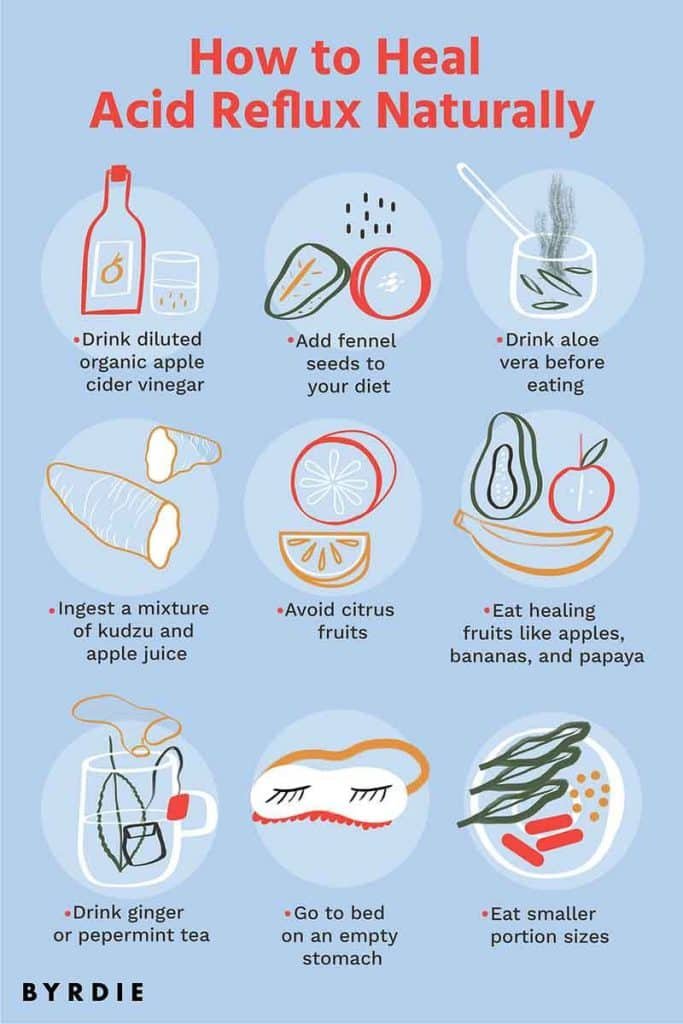
When your stomach is empty, the stomach acids can splash back up your esophagus, causing a burning sensation known as acid reflux. This can happen when you skip meals, wait too long between meals, or consume acidic or spicy foods on an empty stomach. Understanding the triggers of acid reflux on an empty stomach is the first step in preventing it from happening.
How does acid reflux occur on an empty stomach?
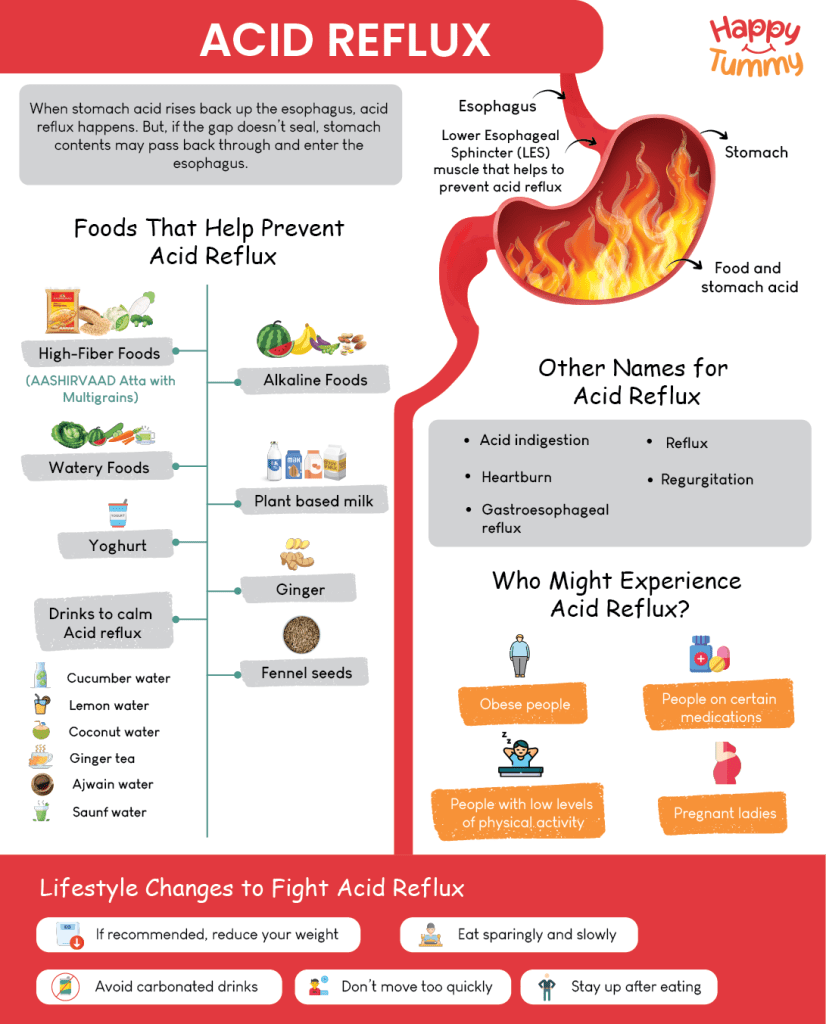
Acid reflux occurs when the lower esophageal sphincter (LES), a ring of muscle at the entrance to your stomach, does not close properly. This allows stomach acid to flow back up into the esophagus, causing irritation and discomfort. When your stomach is empty, there is less food to absorb the excess acid, making you more susceptible to acid reflux.
Lifestyle Changes to Prevent Acid Reflux on an Empty Stomach
Making simple lifestyle changes can help reduce the frequency and severity of acid reflux symptoms on an empty stomach. By incorporating these habits into your daily routine, you can better manage your digestive health and prevent acid reflux from ruining your day.
Eat smaller, more frequent meals
Instead of having three large meals a day, try eating smaller portions more frequently throughout the day. This can help prevent your stomach from becoming too empty, reducing the likelihood of acid reflux occurring. Snacking on healthy foods like fruits, vegetables, and whole grains can also help keep your stomach satisfied without overloading it.
Avoid trigger foods and beverages
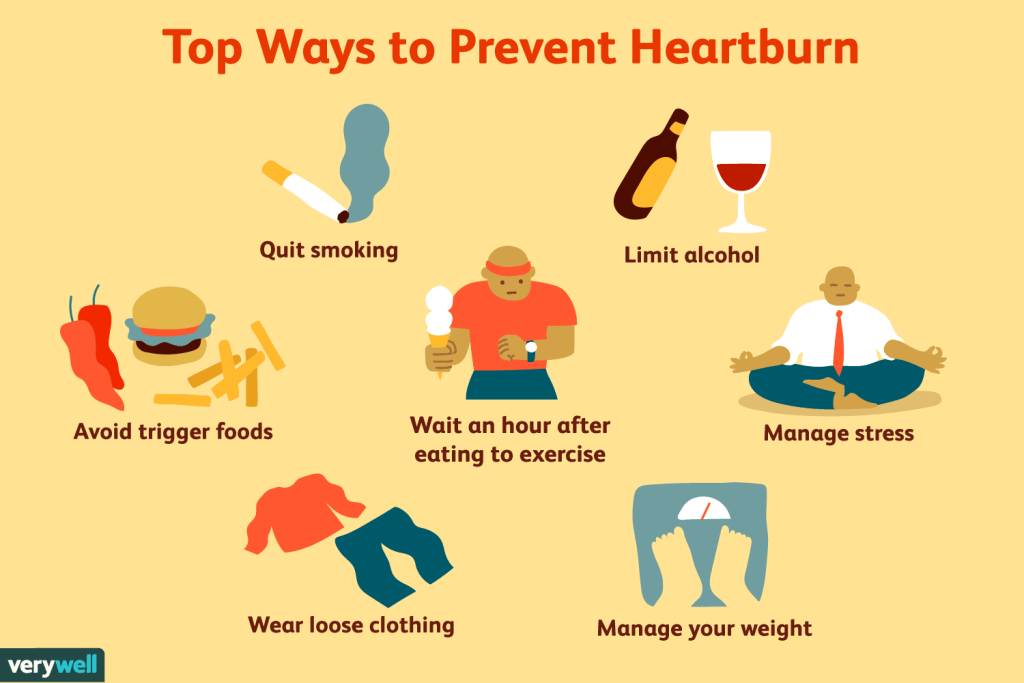
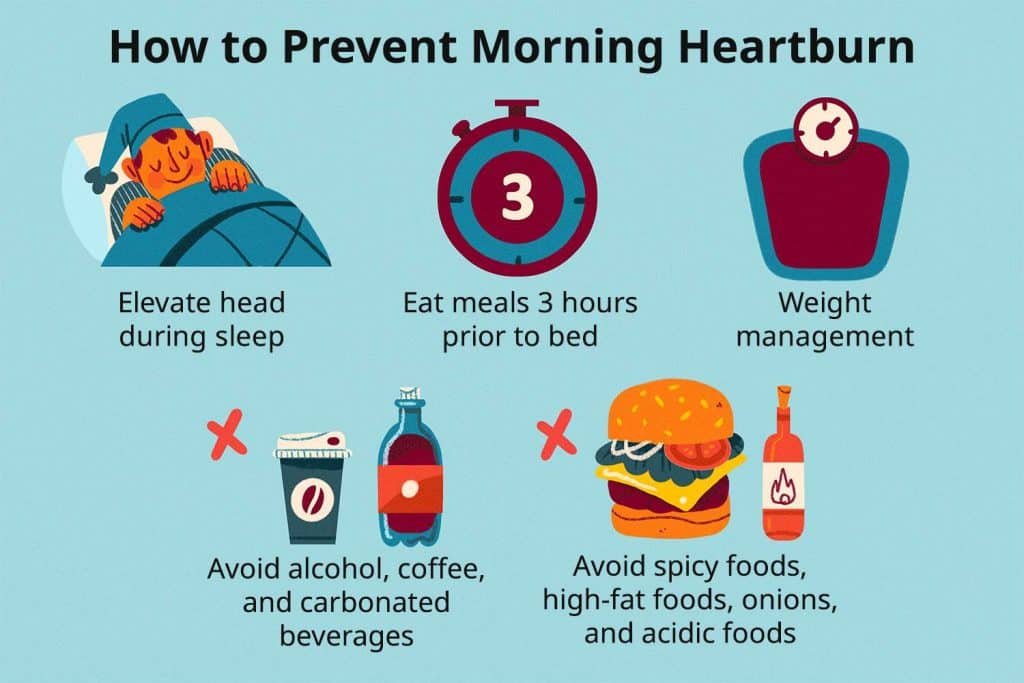
Certain foods and beverages can trigger acid reflux symptoms, especially when consumed on an empty stomach. Common triggers include spicy foods, citrus fruits, tomatoes, caffeine, alcohol, and carbonated drinks. By identifying and avoiding these triggers, you can reduce your risk of experiencing acid reflux on an empty stomach.
Stay hydrated
Drinking an adequate amount of water throughout the day can help dilute stomach acid and prevent it from splashing back up into your esophagus. Aim to drink at least 8-10 glasses of water per day to stay hydrated and support healthy digestion. Avoid excessive consumption of caffeinated or sugary beverages, as they can worsen acid reflux symptoms.
Maintain a healthy weight
Being overweight or obese can put pressure on your abdomen, causing stomach acid to flow back up into your esophagus more easily. By maintaining a healthy weight through a balanced diet and regular exercise, you can reduce your risk of experiencing acid reflux on an empty stomach. Consult with a healthcare provider or nutritionist for personalized weight management recommendations.
Dietary Tips to Manage Acid Reflux on an Empty Stomach
In addition to making lifestyle changes, adjusting your diet can also play a significant role in preventing acid reflux on an empty stomach. By following these dietary tips, you can create a stomach-friendly eating plan that supports healthy digestion and reduces the risk of acid reflux symptoms.
Choose non-acidic foods
Opt for non-acidic foods like lean proteins, whole grains, fruits, and vegetables to minimize the production of stomach acid. Avoid high-fat and spicy foods that can trigger acid reflux, especially when consumed on an empty stomach. Maintaining a balanced diet rich in nutrients can help support optimal digestion and prevent acid reflux symptoms.
Incorporate fiber-rich foods
Fiber-rich foods like whole grains, fruits, and vegetables can help regulate digestion and prevent stomach acid from splashing back up into the esophagus. Aim to include fiber in every meal to promote healthy digestion and reduce the risk of acid reflux on an empty stomach. Experiment with different fiber sources to find what works best for your digestive system.
Practice mindful eating
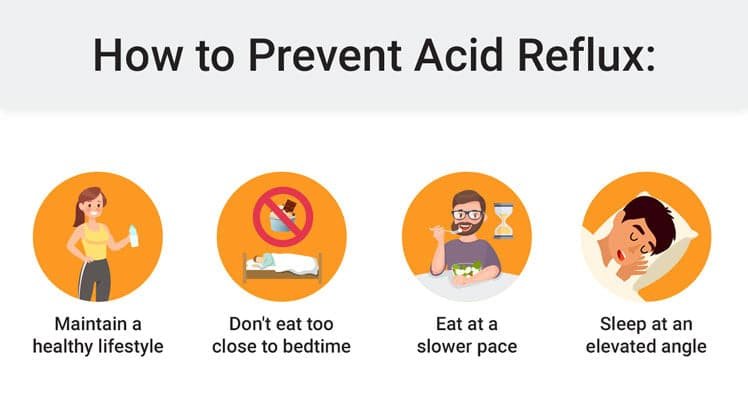
Take time to chew your food thoroughly and savor each bite to promote proper digestion and reduce the risk of acid reflux. Eating too quickly or not paying attention to your food can lead to overeating and indigestion, especially on an empty stomach. By practicing mindful eating habits, you can better control your portion sizes and minimize the likelihood of acid reflux occurring.
Consider meal timing
Avoid eating large meals right before bedtime, as lying down can exacerbate acid reflux symptoms on an empty stomach. Try to eat your last meal at least 2-3 hours before going to sleep to allow your stomach to digest food properly. If you experience nighttime acid reflux, elevate your head while sleeping to prevent stomach acid from flowing back up into your esophagus.
Natural Remedies for Acid Reflux Relief
In addition to making lifestyle and dietary changes, you can also try natural remedies to alleviate acid reflux symptoms on an empty stomach. These remedies can help soothe irritation and reduce the discomfort associated with acid reflux, providing you with relief when you need it most.
Drink ginger or chamomile tea
Ginger and chamomile tea are known for their calming effects on the digestive system, making them excellent choices for relieving acid reflux symptoms. These teas can help reduce inflammation in the stomach and esophagus, easing discomfort and promoting better digestion. Sip on ginger or chamomile tea before or after meals to support healthy digestion and prevent acid reflux on an empty stomach.
Take apple cider vinegar
Despite its acidic nature, apple cider vinegar can help balance the pH levels in your stomach and reduce the production of excess stomach acid. Mix a tablespoon of apple cider vinegar with a glass of water and drink it before meals to aid digestion and prevent acid reflux on an empty stomach. Be sure to use raw, unfiltered apple cider vinegar for optimal results.
Chew gum after meals
Chewing sugar-free gum after meals can help increase saliva production, which can neutralize stomach acid and reduce the risk of acid reflux. Choose a mint or fruit-flavored gum to freshen your breath and stimulate saliva flow, aiding in digestion and preventing acid reflux symptoms on an empty stomach. Keep a pack of gum handy for quick relief whenever you need it.
Practice relaxation techniques
Stress and anxiety can exacerbate acid reflux symptoms, especially when your stomach is empty. Practice relaxation techniques like deep breathing, yoga, meditation, or tai chi to reduce stress levels and promote a sense of calm. By managing stress effectively, you can prevent acid reflux from flaring up and maintain better digestive health overall.
When to Seek Medical Help for Acid Reflux
While making lifestyle changes and trying natural remedies can help manage mild acid reflux symptoms on an empty stomach, it’s important to seek medical help if you experience persistent or severe symptoms. Chronic acid reflux can lead to complications like Barrett’s esophagus, esophageal ulcers, or esophageal cancer if left untreated. If you notice any of the following warning signs, consult a healthcare provider for a proper diagnosis and treatment plan:
- Frequent heartburn that interferes with daily activities
- Difficulty swallowing or persistent throat clearing
- Unexplained weight loss or loss of appetite
- Chest pain or discomfort that radiates to the arms, neck, or jaw
- Persistent cough or hoarseness
- Black, tarry, or bloody stools
Conclusion
Acid reflux on an empty stomach can be uncomfortable and disruptive, but with the right strategies and lifestyle changes, you can prevent it from affecting your daily life. By understanding the triggers of acid reflux, making dietary adjustments, trying natural remedies, and knowing when to seek medical help, you can effectively manage your symptoms and maintain optimal digestive health. Remember to listen to your body, prioritize self-care, and consult a healthcare provider if you have any concerns about your digestive health. With a proactive approach, you can say goodbye to acid reflux on an empty stomach and enjoy a happier, healthier life!