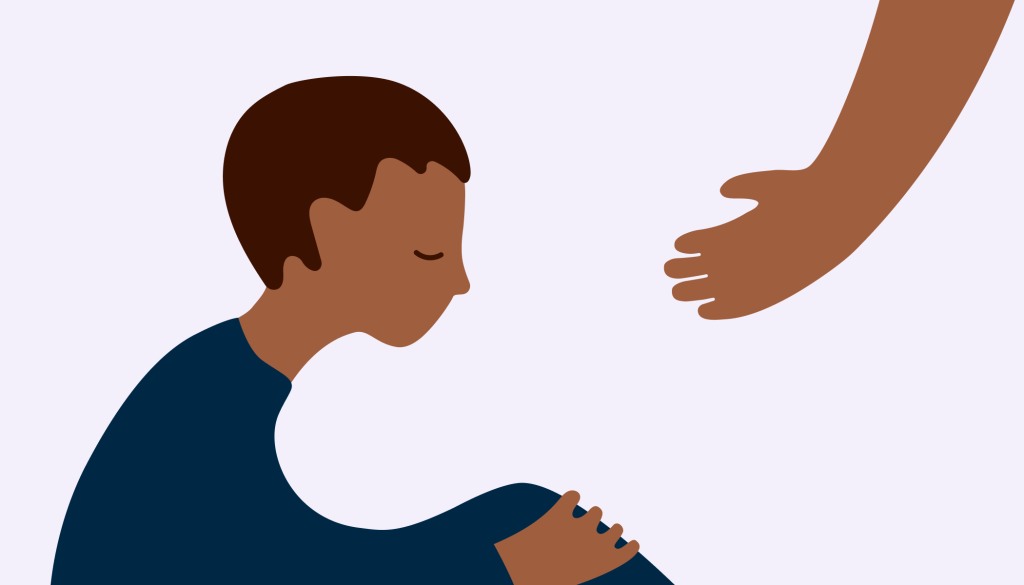
Are you looking for ways to support your loved ones who are battling with anorexia nervosa? In this article, we will explore various ways in which you can offer your unwavering support and understanding to help them through their journey of recovery. It can be a challenging and delicate situation to navigate, but with patience, empathy, and the right resources, you can provide a strong pillar of support for your loved ones as they combat this eating disorder.
Understanding Anorexia Nervosa
Anorexia Nervosa is a serious eating disorder characterized by an intense fear of gaining weight and a distorted body image. People with anorexia often restrict their food intake, leading to severe weight loss and malnutrition. It is important to understand the definition, causes, and symptoms of anorexia in order to provide effective support to your loved one.
Definition of Anorexia Nervosa
Anorexia Nervosa is a psychiatric disorder marked by a persistent restriction of energy intake, resulting in significantly low body weight. It involves a relentless pursuit of thinness, often through extreme dieting and excessive exercise. Individuals with anorexia have a distorted perception of their body image, considering themselves overweight when they are actually underweight. This disorder also includes an intense fear of gaining weight or becoming fat, as well as a preoccupation with food and weight.
Causes of Anorexia Nervosa
The causes of anorexia nervosa are complex and multifaceted, involving a combination of genetic, biological, psychological, and environmental factors. Genetic predisposition may increase the risk of developing an eating disorder, while environmental factors such as societal pressures to be thin can also contribute. Mental health issues like anxiety, depression, low self-esteem, and perfectionism are often observed in individuals with anorexia. It is important to remember that the development of anorexia is not the fault of the individual, but rather a result of various interacting factors.
Symptoms of Anorexia Nervosa
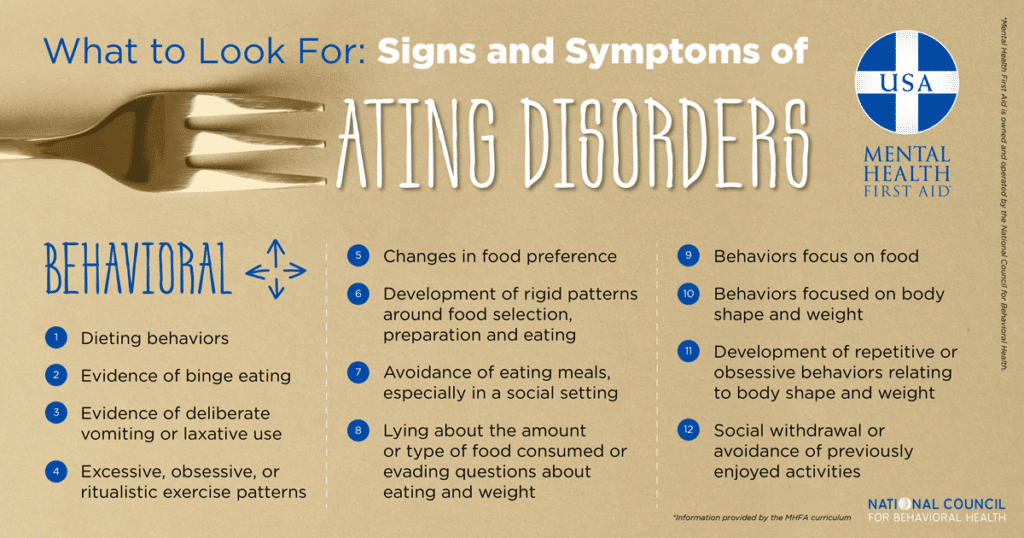
Recognizing the symptoms of anorexia is crucial in providing early intervention and support. Common symptoms include severe weight loss, intense fear of gaining weight, restriction of food intake, excessive exercise, distorted body image, obsessive thoughts about food and weight, denial of hunger, low energy levels, social withdrawal, and changes in mood or behavior. Other physical signs may include cold intolerance, hair loss, irregular periods in females, and dry skin. If you suspect that someone you care about may have anorexia, it is important to seek professional help for a proper diagnosis and treatment.
Getting a Diagnosis
Getting a proper diagnosis is an essential step in the treatment of anorexia nervosa. It involves recognizing the signs and symptoms, consulting a medical professional, and going through the diagnostic process.
Recognizing the Signs and Symptoms
Being aware of the signs and symptoms of anorexia nervosa is the first step in seeking help for your loved one. Look out for indicators such as rapid weight loss, obsessive talk about food or dieting, avoiding social activities involving food, excessive exercising, and changes in mood or behavior. It is important to approach the topic with sensitivity and empathy, as individuals with anorexia may be in denial about their condition or feel ashamed.
Consulting a Medical Professional
If you suspect that your loved one may have anorexia, it is crucial to consult a medical professional such as a doctor, therapist, or psychiatrist. They will be able to assess the situation, provide a proper diagnosis, and recommend appropriate treatment options. A medical professional can also rule out any underlying physical conditions that may be contributing to the eating disorder.
The Diagnostic Process
The diagnostic process for anorexia nervosa typically involves a thorough evaluation of the individual’s medical history, physical examination, and psychological assessment. The medical professional will ask about eating habits, weight changes, and any psychological or emotional challenges the individual may be experiencing. It is important to be actively involved in this process and provide any relevant information that may help in developing an accurate diagnosis and treatment plan.
Educating Yourself
Educating yourself about anorexia nervosa is essential in order to provide informed support to your loved one. By reading books and articles, attending support groups and workshops, and consulting mental health professionals, you can gain valuable knowledge and insights about the disorder.
Read Books and Articles about Anorexia Nervosa
There are several books and articles available that provide information and insights into anorexia nervosa. These resources can help you understand the disorder from both the perspectives of individuals with anorexia and healthcare professionals. They can provide guidance on how to offer support, cope with challenges, and promote recovery. Choose reputable sources and consider reading personal stories to gain a deeper understanding of the lived experiences of those with anorexia.
Attend Support Groups and Workshops
Support groups and workshops can provide a safe and supportive environment for caregivers to learn and share experiences. These groups often include individuals who have firsthand experience with anorexia, as well as professionals specializing in eating disorders. Attending these sessions can help you gain insights, strategies, and emotional support from others who are going through a similar journey. It can also provide an opportunity to network with professionals who can offer guidance and resources.
Consult Mental Health Professionals
Seeking guidance from mental health professionals such as therapists or counselors can be immensely helpful in understanding anorexia nervosa and how to support your loved one. These professionals have expertise in treating eating disorders and can provide individualized advice based on your unique situation. They can offer strategies to navigate challenges, coping mechanisms, and tools to develop a supportive environment for your loved one.
Creating a Supportive Environment
Creating a supportive environment is crucial for individuals with anorexia nervosa. By avoiding negative comments about food or weight, promoting body positivity, and encouraging open communication, you can help your loved one feel safe, accepted, and understood.
Avoid Making Negative Comments about Food or Weight
It is important to avoid making any negative comments about food or weight, as these can trigger feelings of guilt, shame, or anxiety in individuals with anorexia. Be mindful of the language you use and refrain from making judgmental or critical remarks. Instead, focus on fostering a positive and non-judgmental atmosphere that encourages a healthy relationship with food and body image.
Promote Body Positivity
Promoting body positivity involves emphasizing the importance of self-acceptance and self-love, regardless of size or shape. Encourage your loved one to appreciate their unique qualities and remind them that beauty comes in all shapes and sizes. Share positive messages about body diversity and challenge societal ideals of beauty. By fostering a positive body image, you can help build self-esteem and reduce harmful comparisons.
Encourage Open Communication
Encouraging open communication is essential for individuals with anorexia to express their feelings, fears, and challenges. Create a safe space for your loved one to share their thoughts without judgment or criticism. Practice active listening and empathy, and validate their emotions. Let them know that their feelings are valid and that you are there to support them unconditionally. This open communication will help strengthen your relationship and promote trust and understanding.
Encouraging Treatment
Encouraging your loved one to seek and adhere to treatment is crucial for their recovery from anorexia nervosa. By researching treatment options, seeking professional help, and providing support during treatment, you can play a vital role in their journey towards healing.
Researching Treatment Options
Take the time to research different treatment options available for anorexia nervosa. There are various approaches, including outpatient therapy, intensive outpatient programs, and residential treatment centers. Each option has its own benefits and considerations, so understanding the differences can help you make informed decisions. Consult with healthcare professionals to assess which treatment approach aligns best with your loved one’s needs.
Seeking Professional Help
Professional help is essential in treating anorexia nervosa. Encourage your loved one to seek assistance from qualified healthcare professionals who specialize in eating disorders. This may include therapists, registered dietitians, and medical doctors with experience in treating individuals with anorexia. Work together with the professionals to develop a collaborative treatment plan that addresses the physical, emotional, and psychological aspects of recovery.
Supporting Treatment Compliance
Supporting your loved one in complying with their treatment plan is vital for their recovery from anorexia. This involves providing emotional support, assisting with meal planning and preparation, and attending therapy sessions with them if appropriate. Encourage and motivate them to stay committed to their treatment goals, while also respecting their autonomy and personal boundaries. Being consistent and reliable in your support can make a significant difference in their recovery journey.
Offering Emotional Support
Offering emotional support to your loved one throughout their recovery journey is crucial. By practicing active listening and empathy, avoiding judgment and criticism, and providing encouragement and motivation, you can help them feel understood, valued, and supported.
Active Listening and Empathy
Practice active listening by giving your full attention to your loved one when they are speaking. Show empathy by trying to understand their perspective and validate their emotions. Reflect back their feelings to let them know that you are truly listening and trying to understand their experiences. Avoid interrupting, providing unsolicited advice, or dismissing their concerns. By actively listening and expressing empathy, you can create a safe space for them to share their thoughts and feelings.
Avoiding Judgment and Criticism
It is important to avoid judgment and criticism when supporting someone with anorexia. People with eating disorders are often already highly self-critical and struggling with feelings of shame or guilt. Instead, focus on providing constructive feedback and being supportive. Validate their efforts and progress, celebrate small victories, and remember to be patient and understanding. Create an environment where mistakes are seen as learning opportunities rather than failures.
Providing Encouragement and Motivation
Motivation and encouragement can play a significant role in a person’s recovery from anorexia nervosa. Recognize and praise their efforts, highlighting their strengths and achievements. Offer words of encouragement during challenging times and provide gentle reminders of their treatment goals. Be their cheerleader, reminding them of their worth and potential. By offering consistent support and motivation, you can help inspire hope and resilience.

Learning about Meal Support
Meal support is an integral part of the treatment for anorexia nervosa. By understanding meal support techniques, creating structure and routine, and assisting with meal planning and preparation, you can help your loved one develop a healthier relationship with food.
Understanding Meal Support Techniques
Meal support techniques involve creating a supportive and non-threatening environment during mealtime. This may include sitting together during meals, engaging in calm and positive conversations, and avoiding distractions such as screens or stressful topics. Encourage your loved one to eat at regular intervals, even when they may not feel like it. Respond to their needs and challenges with empathy and without judgment.
Creating Structure and Routine
Establishing a structured and consistent mealtime routine can help individuals with anorexia feel more comfortable and secure. Plan regular meals and snacks, and involve your loved one in the decision-making process when appropriate. Setting clear expectations and routines can reduce anxiety and uncertainty surrounding mealtimes, making the experience more manageable.
Assisting with Meal Planning and Preparation
Assist your loved one in meal planning and preparation to alleviate some of the stress and anxiety associated with food. Offer to help create balanced meal plans that include a variety of nutrients, encourage them to try new foods, and involve them in the grocery shopping process and meal preparation. This collaborative approach can help them feel in control and empowered while learning to nourish their bodies in a healthy way.
Supporting Physical Health
Supporting your loved one’s physical health is essential in their recovery from anorexia nervosa. By encouraging regular exercise in a healthy manner, promoting adequate nutritional intake, and understanding the role of medication, you can contribute to their overall well-being.
Encouraging Regular Exercise in a Healthy Manner
Exercise can be an important aspect of maintaining physical health, but it must be approached in a healthy and balanced way. Encourage your loved one to engage in physical activities that they enjoy and that promote overall well-being, rather than focusing solely on burning calories or losing weight. Emphasize the importance of moderation, rest, and listening to their body’s needs. Working together with healthcare professionals, establish an exercise plan that aligns with their treatment goals and individual needs.
Promoting Adequate Nutritional Intake
Adequate nutritional intake is crucial for individuals with anorexia to restore and maintain their health. Encourage your loved one to work with a registered dietitian who specializes in eating disorders to develop a meal plan that meets their nutritional needs. Promote regular, balanced meals and snacks that include a variety of food groups. Be patient and understanding if they express fears or anxiety around certain foods, and support them in gradually challenging and expanding their food choices.
Understanding the Role of Medication
In some cases, medication may be prescribed as part of the treatment plan for anorexia nervosa. Medication may be used to manage co-existing mental health conditions such as anxiety or depression. It is important to understand the potential benefits and side effects of any medications prescribed, as well as the necessity for regular medical monitoring. Encourage your loved one to communicate openly with their healthcare provider about any concerns or questions they may have regarding their medication.
Identifying and Managing Triggers
Identifying and managing triggers for anorexic behaviors is crucial in supporting your loved one’s recovery. By recognizing triggers, finding healthy coping mechanisms, and avoiding enabling behaviors, you can help create a safer environment for healing.
Recognizing Triggers for Anorexic Behaviors
Triggers for anorexic behaviors can vary from person to person, but some common triggers may include stress, negative body image, social situations involving food, comments about weight or appearance, or specific foods. It is important to be observant and identify patterns or situations that may contribute to disordered eating behaviors. Encourage your loved one to communicate their triggers and develop strategies for managing them.
Finding Healthy Coping Mechanisms
Help your loved one find healthy coping mechanisms to manage stress, emotions, and triggers. Encourage them to explore activities such as journaling, mindfulness, art therapy, or engaging in hobbies that bring joy and fulfillment. Support them in finding positive outlets for expressing and processing emotions, rather than turning to disordered eating behaviors. Encourage them to seek professional guidance in developing effective coping mechanisms.
Avoiding Enabling Behaviors
Avoid enabling behaviors that may unintentionally reinforce disordered eating patterns. This may include constant monitoring of food intake, excessive praise or focus on weight loss, or engaging in discussions that revolve solely around food or appearance. Instead, focus on promoting a balanced and inclusive lifestyle that values overall well-being, personal growth, and self-acceptance. Avoid situations or relationships that may trigger or enable disordered eating behaviors, and provide your loved one with a supportive network that encourages progress towards recovery.
Self-Care for Caregivers
Taking care of your own emotional and physical well-being is essential when supporting a loved one with anorexia nervosa. By seeking support for yourself, setting boundaries, and prioritizing your own well-being, you can provide better care and support to your loved one in the long run.
Seeking Support for Yourself
It is important to seek support for yourself as a caregiver. Caring for a loved one with anorexia can be emotionally challenging, and it is crucial that you have a network of support. Consider joining support groups for caregivers, seeking therapy for yourself, or confiding in trusted friends and family members. Remember that you are not alone in this journey and that reaching out for help is a sign of strength.
Setting Boundaries
Setting boundaries is crucial for maintaining your own well-being and preventing burnout. Establish clear boundaries with your loved one in terms of your availability, responsibilities, and limitations. Communicate these boundaries openly and consistently, emphasizing the importance of self-care for both of you. By setting boundaries, you can ensure that you have the necessary time and energy to care for yourself, which ultimately enables you to provide better support to your loved one.
Taking Care of Your Own Emotional and Physical Well-Being
Prioritize your own emotional and physical well-being by engaging in self-care practices. This may include engaging in activities you enjoy, prioritizing rest and relaxation, practicing stress management techniques, and maintaining a balanced lifestyle. Nourish your own body and mind with nutritious food, regular exercise, and engaging in activities that promote your overall well-being. Taking care of yourself allows you to better support and care for your loved one.
In conclusion, supporting a loved one with anorexia nervosa requires understanding the disorder, getting a proper diagnosis, educating yourself, creating a supportive environment, encouraging treatment, offering emotional support, learning about meal support, supporting physical health, identifying and managing triggers, and prioritizing your own self-care. By following these guidelines, you can play a significant role in the recovery process, promoting healing, understanding, and resilience for your loved one and yourself. Remember, you are not alone in this journey, and there are resources available to support you every step of the way.