
Have you ever experienced that uncomfortable burning sensation in your chest after a meal? If so, you might be dealing with acid reflux. Understanding which foods to avoid and which ones can help relieve symptoms is essential for managing this condition effectively.
What is Acid Reflux?
Acid reflux, also known as gastroesophageal reflux disease (GERD), occurs when stomach acid flows back into the esophagus, causing irritation. This backflow can lead to various symptoms, such as heartburn, regurgitation, and difficulty swallowing.
Managing acid reflux often involves dietary modifications. By choosing the right foods, you can help alleviate symptoms and improve your overall well-being.

Foods to Avoid
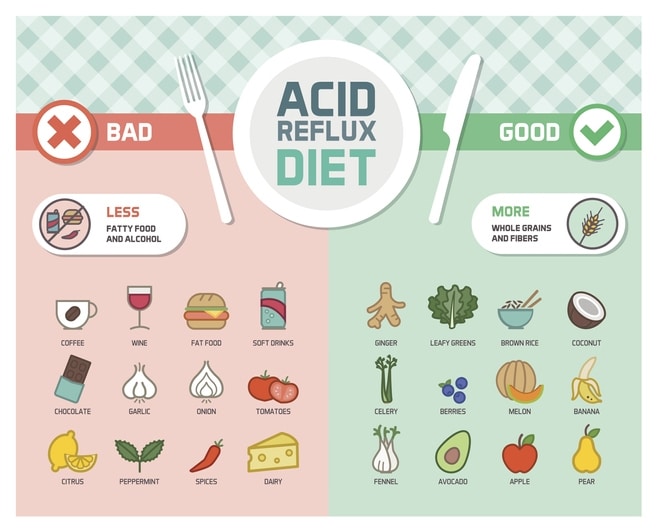
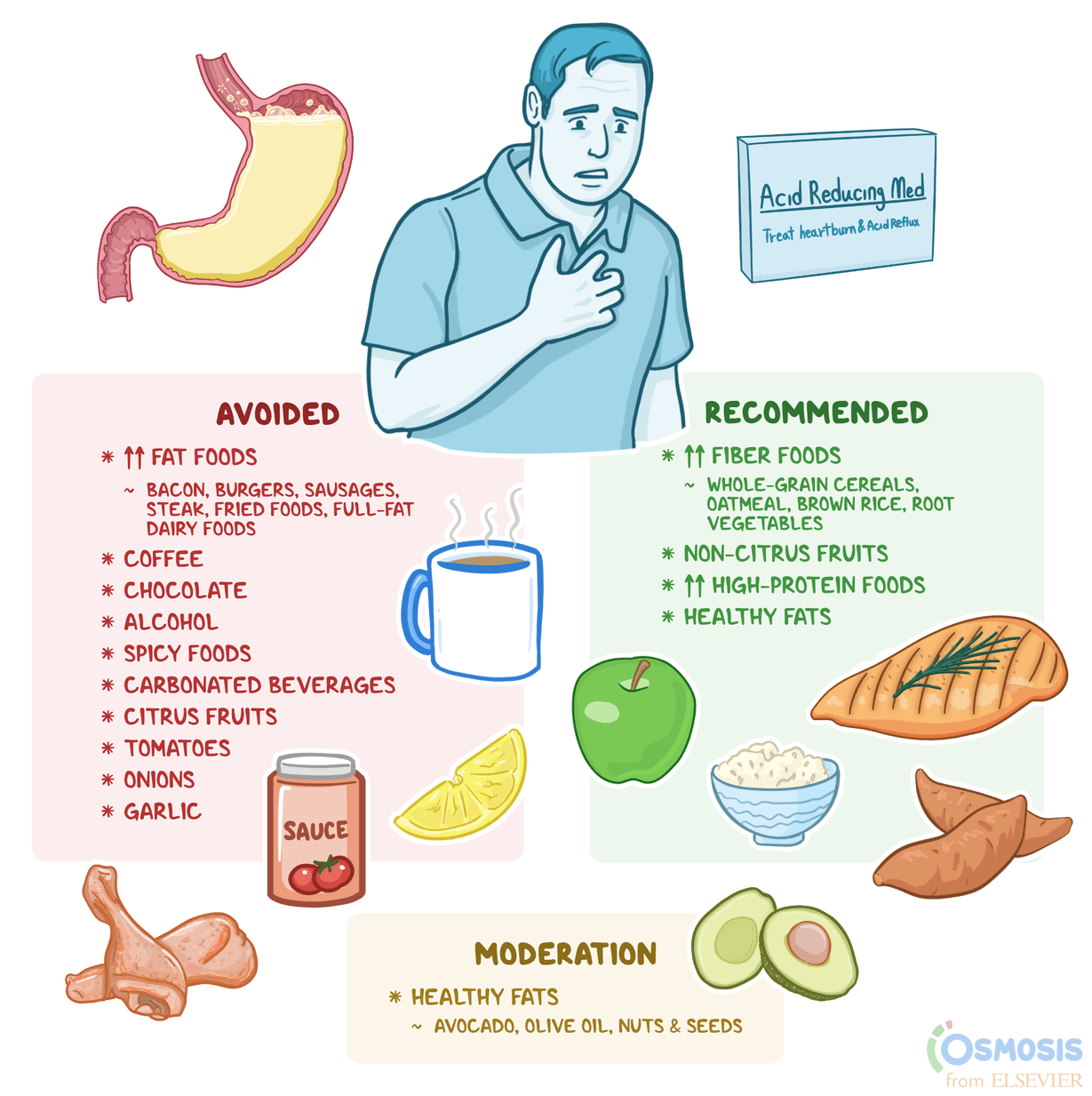
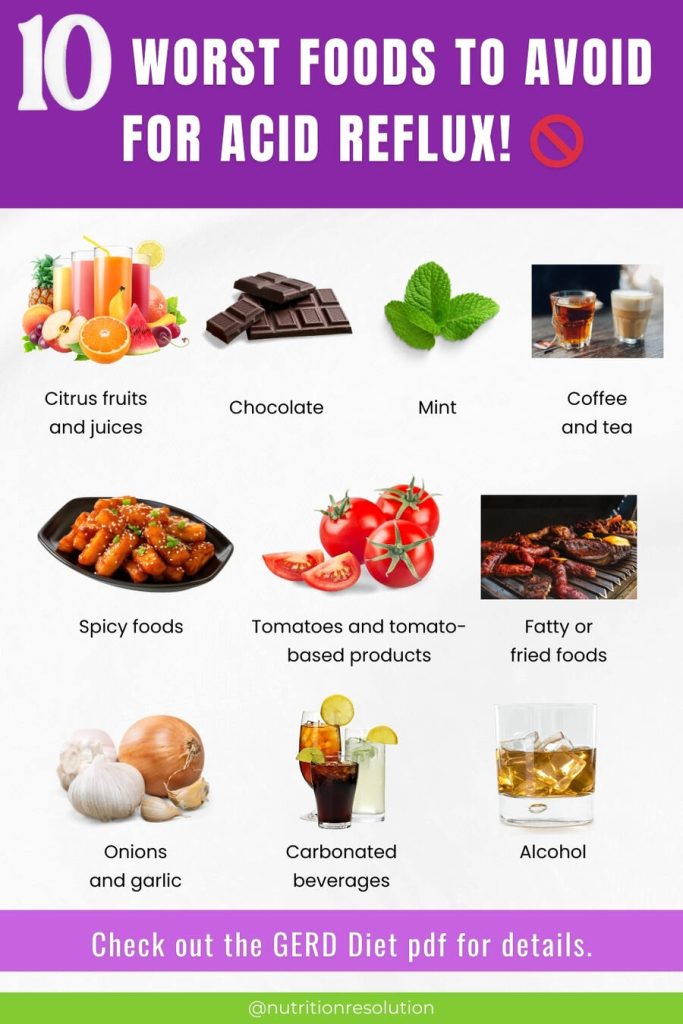
Avoiding certain foods can significantly reduce the frequency and severity of your acid reflux symptoms. Below, you’ll find a list of common trigger foods that you might want to limit or eliminate from your diet.
1. Fatty Foods
Fatty foods can slow down digestion and increase the risk of acid reflux. They tend to relax the esophageal sphincter, making it easier for stomach acid to escape.
- Examples:
- Fried foods (like fries, fried chicken)
- High-fat cuts of meat
- Creamy sauces and salad dressings
2. Spicy Foods
Spices can irritate the esophagus and lead to a burning sensation. While not everyone reacts the same way to spicy foods, those who experience acid reflux regularly might want to tread carefully.
- Examples:
- Hot peppers
- Chili powder
- Curry dishes
3. Acidic Foods
Foods high in acidity can aggravate the stomach lining and worsen reflux symptoms.
- Examples:
- Citrus fruits (like oranges and grapefruits)
- Tomatoes and tomato-based products (like sauces and salsa)
- Vinegar
4. Carbonated Beverages
The bubbles in carbonated drinks can expand in your stomach, increasing pressure and contributing to acid reflux.
- Examples:
- Soda
- Sparkling water
- Beer and other carbonated alcoholic beverages
5. Caffeine
Caffeine can relax the lower esophageal sphincter, allowing stomach acid to escape into the esophagus.
- Examples:
- Coffee
- Tea (especially black tea)
- Energy drinks
6. Chocolate
Unfortunately, chocolate contains caffeine and other compounds that can trigger reflux symptoms.
7. Mint
While often considered soothing for the stomach, mint has a relaxing effect on the lower esophageal sphincter, leading to potential reflux.
- Examples:
- Peppermint tea
- Mint-flavored candies
8. Alcohol
Alcohol can relax the esophageal sphincter and increase acid production in your stomach, making symptoms worse.
- Examples:
- Wine
- Beer
- Spirits
9. Processed Foods
Highly processed foods often contain unhealthy fats, sugars, and preservatives that can contribute to heartburn.
- Examples:
- Fast food
- Packaged snacks
- Ready meals
10. Large Meals
While not a food itself, consuming large meals can put pressure on your stomach and lower esophageal sphincter. This can lead to increased reflux.
Foods to Eat
Incorporating specific foods into your diet can help soothe your symptoms and promote digestive health. Here are some foods you might consider including:
1. Non-Citrus Fruits
These fruits can provide the sweetness you crave without the acid.
- Examples:
- Bananas
- Apples
- Pears
2. Vegetables
Most vegetables are low in fat and sugar and high in fiber. They can help absorb stomach acid and reduce symptoms.
- Examples:
- Broccoli
- Green beans
- Carrots
3. Whole Grains
Whole grains can aid in digestion and can help keep you feeling full, which may prevent overeating.
- Examples:
- Oatmeal
- Brown rice
- Quinoa
4. Lean Proteins
Choosing lean proteins can minimize the fat content of your meals, reducing possible reflux triggers.
- Examples:
- Skinless chicken
- Turkey
- Fish
5. Healthy Fats
Not all fats are created equal. Healthy fats can promote heart health without leading to reflux.
- Examples:
- Avocados
- Nuts (in moderation)
- Olive oil
6. Ginger
Ginger has long been celebrated for its anti-inflammatory properties. It can be helpful against nausea and digestive discomfort.
- How to Use: Add fresh ginger to smoothies, teas, or cooking for a natural remedy.
7. Aloe Vera
Known for its soothing properties, aloe vera can help calm the digestive tract.
- How to Use: Consuming aloe vera juice (in moderation and without added sugars) may provide relief.
8. Herbal Teas
Certain herbal teas, like chamomile or slippery elm, can be gentle on the stomach and assist with digestion.
9. Low-Fat Dairy
If you can tolerate dairy, opting for low-fat options can provide calcium without the added fat that can aggravate reflux.
- Examples:
- Low-fat yogurt
- Skim milk
- Cottage cheese
10. Moderate Amounts of Honey
Honey may have a soothing effect on the esophagus and can help combat the burning sensation.
Lifestyle Changes
In addition to dietary changes, adopting certain lifestyle habits can significantly help in managing acid reflux. Here are some suggestions:
1. Portion Control
Eating smaller meals can reduce pressure on your stomach, making reflux less likely.
2. Stay Upright After Eating
After meals, try to remain upright for at least two to three hours. This allows gravity to help keep stomach acid in its place.
3. Elevate Your Head While Sleeping
If you sleep with your head elevated, this can help prevent acid from moving into your esophagus during the night.
4. Maintain a Healthy Weight
Excess weight can increase abdominal pressure, making reflux more likely. Aim for a healthy weight through balanced diet and exercise.
5. Avoid Tight Clothing
Wearing loose-fitting clothes can help minimize pressure on your stomach, making reflux less likely.
6. Manage Stress
Stress can exacerbate symptoms. Finding effective ways to manage stress, such as through meditation or yoga, can help.
7. Chewing Gum
Chewing gum (preferably sugar-free) can stimulate saliva production, which helps neutralize stomach acid and push it back down.
8. Avoid Trigger Foods
Keeping a food diary can help identify your specific triggers. If a particular food consistently leads to symptoms, it’s best to avoid it.
When to See a Doctor
While occasional acid reflux is common, you should consult a healthcare professional if you experience it regularly. Additionally, seek medical attention if you have:
- Difficulty swallowing
- Unexplained weight loss
- Persistent nausea or vomiting
- Chest pain or pressure
These symptoms could indicate more serious health issues that require prompt attention.

Conclusion
Acid reflux can be a challenging condition to manage, but with the right knowledge and dietary choices, you can take control of your symptoms. By avoiding certain trigger foods and incorporating healthier options into your meals, you can not only alleviate discomfort but also promote better digestive health.
Listening to your body is crucial. Make gradual changes, and don’t hesitate to seek support from healthcare professionals as you navigate this journey. Remember, many individuals successfully manage acid reflux, and you can too.
With a bit of awareness and the right strategy, you can enjoy your meals and live more comfortably. What steps will you take today to improve your diet and overall health?