
Do you ever find yourself reaching for relief from heartburn or acid reflux? If so, you’re not alone! Many people experience these uncomfortable sensations and seek out over-the-counter (OTC) medications to help alleviate their symptoms. In this guide, we’ll look into the various OTC options available to tackle acid reflux.

Understanding Acid Reflux
Acid reflux occurs when stomach acid flows back into the esophagus, leading to symptoms like heartburn, regurgitation, and discomfort. While it can be an occasional annoyance for some, others may face frequent issues that disrupt their daily lives. Knowing the right treatment options can help you manage this condition effectively.
What Causes Acid Reflux?
Several factors contribute to the occurrence of acid reflux. From dietary choices to lifestyle habits, understanding these triggers can help you mitigate symptoms.
- Dietary factors: Foods like spicy dishes, citrus fruits, tomato-based products, chocolate, and even caffeine can trigger acid reflux.
- Lifestyle habits: Smoking, obesity, and lack of physical activity often worsen the condition.
- Medical conditions: Conditions such as hiatal hernia and pregnancy can increase the likelihood of experiencing acid reflux.
Being aware of what triggers your acid reflux can make managing it a lot easier.
Types of Over-the-Counter Medications
When it comes to OTC medications, various types are available to help relieve acid reflux symptoms. The most common categories include antacids, H2 blockers, and proton pump inhibitors (PPIs). Let’s break these down together.
Antacids
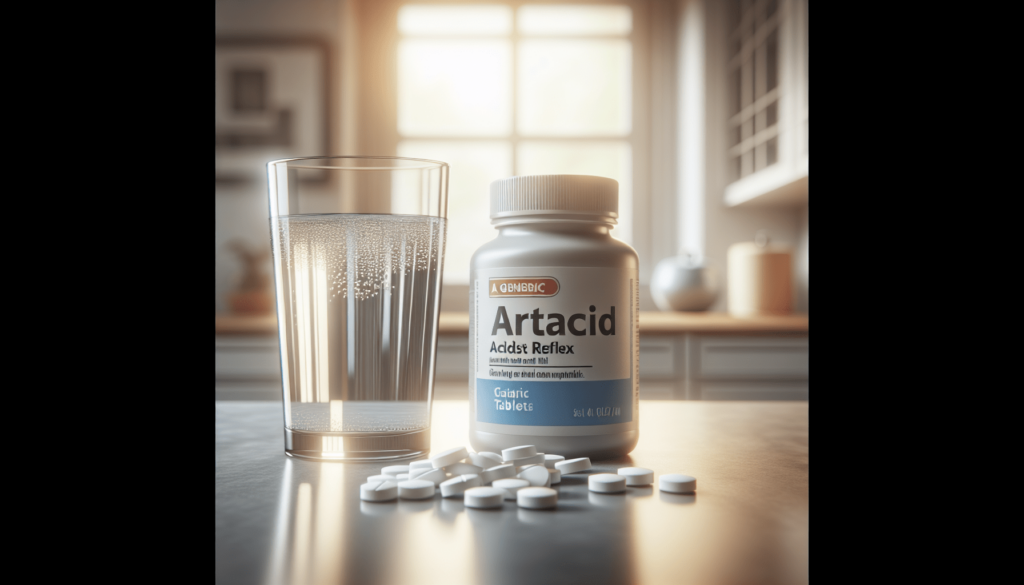
Antacids provide quick relief by neutralizing stomach acid. They are ideal for occasional heartburn and can be found in chewable tablets, liquids, or effervescent forms.
Common Ingredients in Antacids
| Ingredient | Brand Names | Function |
|---|---|---|
| Aluminum Hydroxide | Maalox, Mylanta | Neutralizes stomach acid |
| Magnesium Hydroxide | Phillips’ Milk of Magnesia | Neutralizes stomach acid |
| Calcium Carbonate | Tums | Neutralizes stomach acid |
| Sodium Bicarbonate | Alka-Seltzer | Neutralizes stomach acid |
These medications work rapidly, providing you with faster relief from heartburn and discomfort. However, it’s essential to keep in mind that antacids may only offer temporary relief, so if symptoms persist, you might want to consider alternative options.
H2 Blockers
H2 blockers reduce the amount of acid the stomach produces. They can provide longer-lasting relief compared to antacids and are suitable for those dealing with moderate symptoms.
Common H2 Blockers
| Medication | Brand Names | How It Works |
|---|---|---|
| Ranitidine | Zantac | Lowers stomach acid secretion |
| Famotidine | Pepcid | Lowers stomach acid secretion |
| Nizatidine | Axid | Lowers stomach acid secretion |
H2 blockers usually take a little longer to kick in, but they can last for several hours, making them a good option if you know you’ll be consuming a meal that typically triggers your symptoms.
Proton Pump Inhibitors (PPIs)
PPIs are another effective class of medications for managing acid reflux symptoms, as they significantly decrease the production of stomach acid. They are recommended for individuals who experience frequent symptoms or have been diagnosed with gastroesophageal reflux disease (GERD).
Common PPIs
| Medication | Brand Names | How It Works |
|---|---|---|
| Omeprazole | Prilosec | Reduces stomach acid production |
| Esomeprazole | Nexium | Reduces stomach acid production |
| Lansoprazole | PrevPac | Reduces stomach acid production |
| Pantoprazole | Protonix | Reduces stomach acid production |
While PPIs are highly effective, they are typically recommended for short-term use unless advised otherwise by a healthcare professional due to potential long-term side effects.
How to Choose the Right OTC Medication
Choosing the right OTC medication depends on your specific symptoms and health needs. Here are a few factors to consider:
Frequency and Severity of Symptoms
- Occasional heartburn: If you experience a mild episode once in a while, an antacid might do the trick.
- Moderate symptoms: If heartburn occurs more frequently, H2 blockers could be a better choice for managing symptoms over a longer duration.
- Frequent acid reflux: If you find yourself constantly dealing with acid reflux, PPIs may be more suitable, but consulting a healthcare provider is advisable.
Duration of Action
Consider how long you need the medication to work. Antacids provide quick relief but wear off relatively fast. H2 blockers can last longer, while PPIs offer the most extended relief but take a little longer to take effect.
Potential Side Effects of OTC Medications
Just like all medications, OTC drugs for acid reflux come with their potential side effects. It’s crucial to be aware of these before incorporating them into your routine.
Antacids
Though generally considered safe, antacids may cause:
- Diarrhea or constipation (often related to the magnesium or aluminum content)
- Stomach cramps
- Nausea
H2 Blockers
H2 blockers could lead to:
- Headaches
- Dizziness
- Fatigue
- Gastrointestinal issues, such as diarrhea or constipation
Proton Pump Inhibitors (PPIs)
PPIs may cause more pronounced side effects, including:
- Headaches
- Nausea or vomiting
- Diarrhea
- Risk of kidney disease with long-term use
- Possible nutrient malabsorption (such as vitamin B12)
Understanding these potential side effects allows you to make an informed choice when selecting an OTC medication.
When to Consult a Healthcare Provider
While OTC medications can be highly effective, some scenarios warrant a visit to your healthcare provider. Consider reaching out if you experience:
- Symptoms persisting for more than two weeks with OTC medications
- Difficulty swallowing
- Severe chest pain or heartburn
- Unexplained weight loss
- Persistent nausea or vomiting
A healthcare provider can help pinpoint the underlying cause of your symptoms and determine appropriate treatment options tailored to your needs.
Lifestyle Changes to Complement Medication
In addition to OTC medications, modifying certain lifestyle habits can significantly reduce acid reflux symptoms. And the best part? You can implement these changes alongside medication for greater relief!
Dietary Adjustments
Making thoughtful dietary choices can greatly impact your acid reflux. You might consider:
- Avoiding trigger foods: Keep track of what triggers your symptoms and limit those foods. Common culprits include spicy foods, fatty meals, and acidic items.
- Smaller portions: Eating smaller, more frequent meals can ease the digestive process and reduce pressure on the stomach.
- Staying upright: Avoid lying down immediately after eating. Keeping an upright posture can help lessen the likelihood of acid reflux.
Lifestyle Modifications
Incorporating some lifestyle changes can also help:
- Weight management: If you’re overweight, losing even a small amount can significantly reduce acid reflux occurrences.
- Regular exercise: Engaging in low-impact activities can help improve digestion and reduce acid reflux symptoms. Avoid vigorous exercises right after eating.
- Quit smoking: If you smoke, seeking help to quit can lessen acid reflux and improve your overall health.
- Limit alcohol and caffeine: Both alcohol and caffeinated beverages can exacerbate acid reflux symptoms, so cutting back may be beneficial.
Conclusion
Over-the-counter acid reflux medications can provide much-needed relief for those struggling with heartburn and other related symptoms. By understanding the options available to you—antacids, H2 blockers, and PPIs—you can choose the right path for managing your discomfort. Remember to be mindful of side effects and to incorporate lifestyle changes where possible for a holistic approach to managing acid reflux.
If you find that OTC medications aren’t enough to control your symptoms, don’t hesitate to talk to your healthcare provider. They can guide you toward more tailored treatments and ensure your health remains a top priority. Improving your quality of life means taking the right steps—both with medication and self-care!