
Foods To Avoid For Acid Reflux
Have you ever felt that uncomfortable, burning sensation in your chest that seems to spring up after a meal? If you have, you might be dealing with acid reflux. Let’s discuss the foods you should avoid to avoid that discomfort.
Understanding Acid Reflux
Acid reflux occurs when stomach acid flows back into the esophagus, the tube that connects your mouth and stomach.
This backflow can lead to painful symptoms like heartburn, regurgitation, and difficulty swallowing. Understanding what triggers acid reflux is crucial for managing it effectively.
Common Symptoms of Acid Reflux
You may experience various symptoms associated with acid reflux, including:
- Heartburn: A burning sensation in the chest, usually after eating.
- Regurgitation: The sensation of acid backing up your throat or mouth.
- Dysphagia: Difficulty swallowing, which can feel like food is stuck.
- Chronic Cough: A persistent cough that can worsen during certain meals.
- Hoarseness: This can occur when the acid irritates your throat.
Lifestyle Factors to Consider
In addition to your diet, some lifestyle choices can influence acid reflux. Factors such as being overweight, smoking, and stress levels may exacerbate your symptoms. Addressing these factors may reduce the frequency and severity of your reflux episodes.
Foods That Are Commonly Triggers
Certain foods are notorious for triggering acid reflux. Identifying and avoiding these foods can help you manage your condition better.
1. Spicy Foods
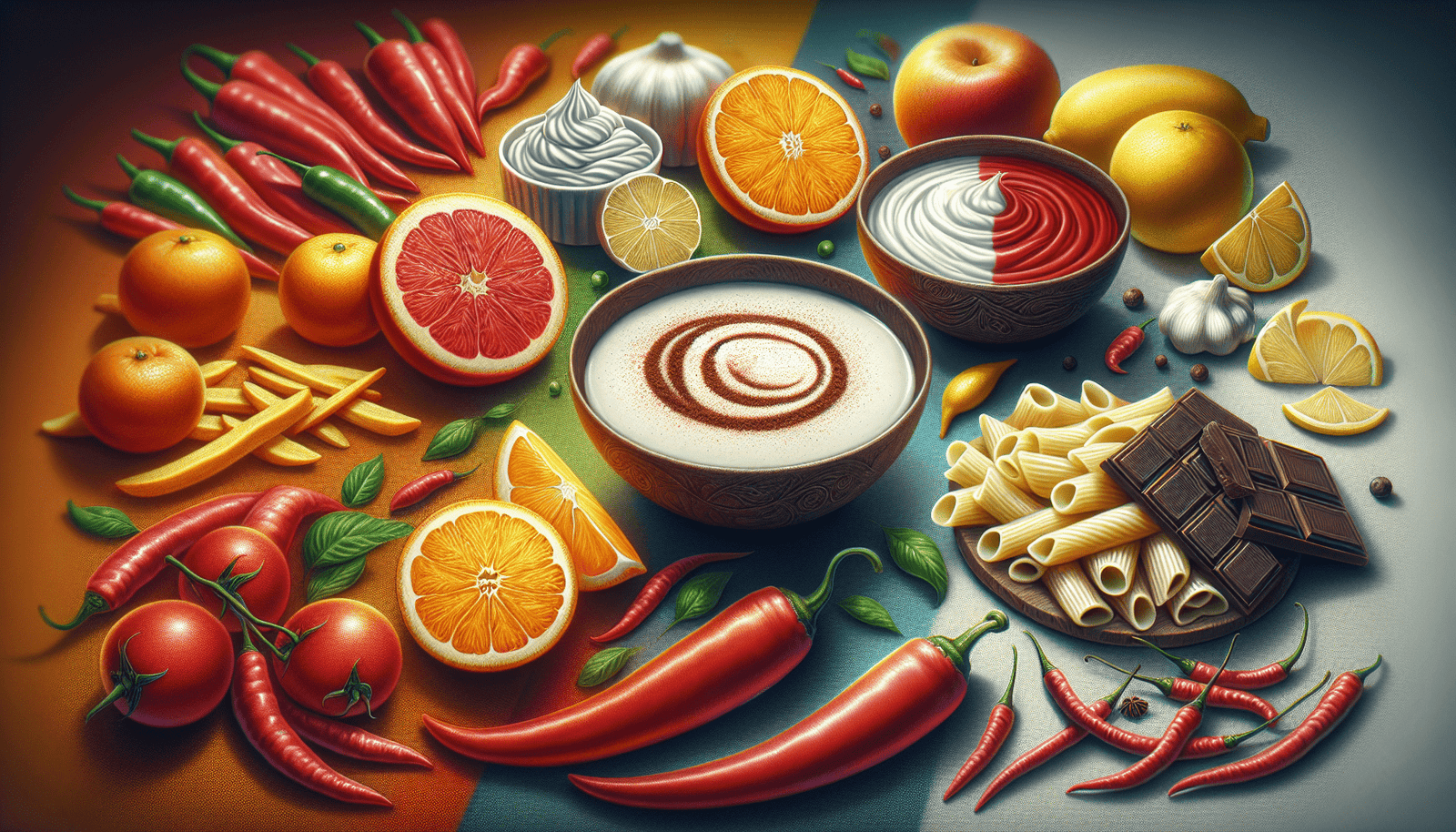
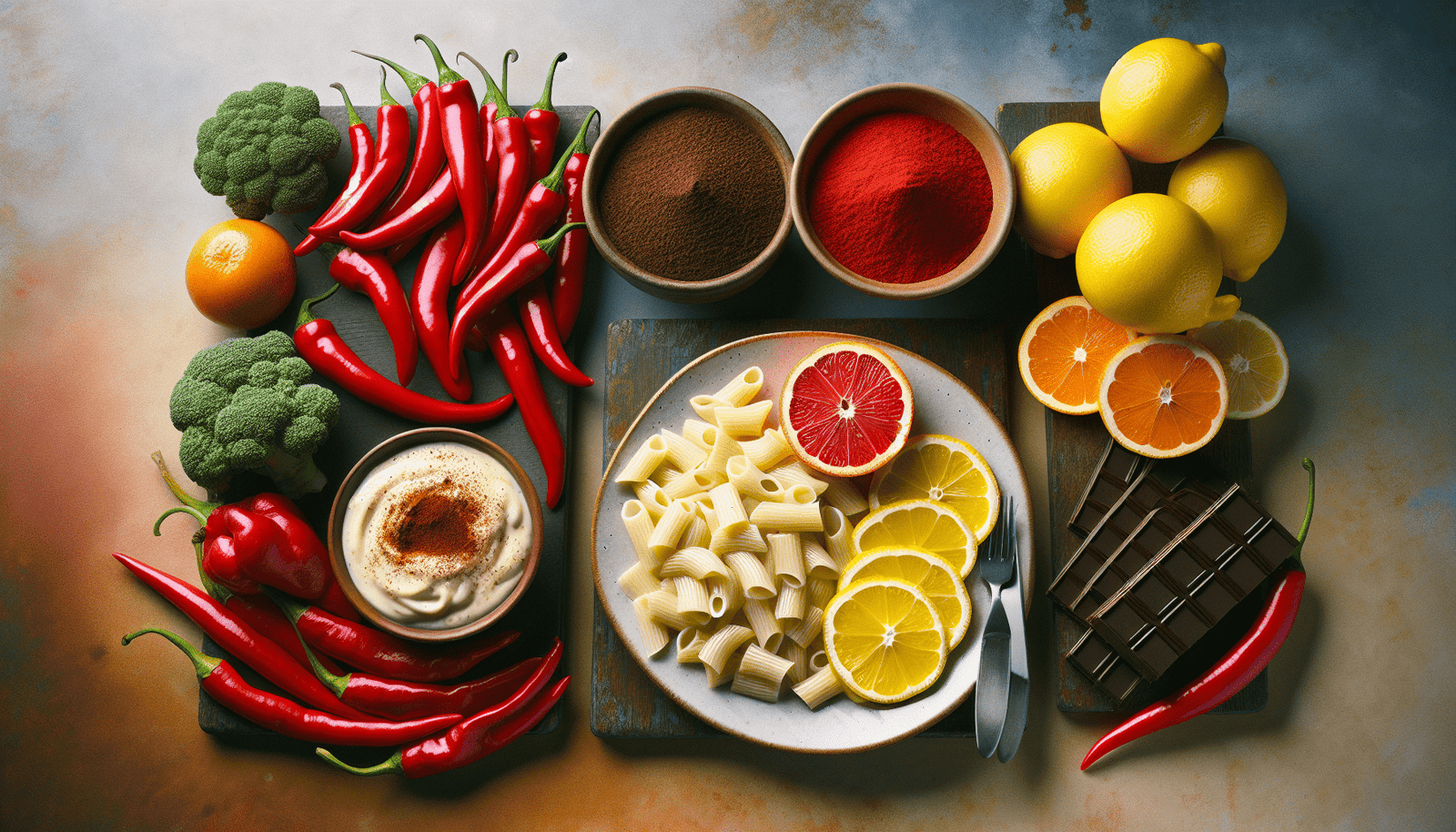
You might enjoy the heat of spicy foods, but they can be a major culprit for acid reflux. Ingredients like chili peppers, hot sauces, and black pepper can irritate your esophagus and increase the likelihood of heartburn.
2. Fatty Foods
High-fat foods, such as fried items, fatty cuts of meat, and full-fat dairy, may slow down digestion. When your stomach takes longer to empty, this can increase the likelihood of acid reflux. Opt for lean proteins, like chicken and fish, which are easier on your system.
3. Tomatoes and Tomato-Based Products
Tomatoes are naturally acidic, so foods like salsa, marinara sauce, and ketchup can aggravate your symptoms. While you don’t have to eliminate them, use them sparingly if you notice increased discomfort.
4. Citrus Fruits
Citrus fruits like oranges, lemons, and grapefruits are refreshing, but they can be detrimental for those suffering from acid reflux. The acidity can irritate your digestive tract, intensifying symptoms, especially if consumed on an empty stomach.
5. Chocolate
If you have a sweet tooth, be cautious with chocolate. It contains caffeine and other stimulants that can relax the lower esophageal sphincter, allowing stomach acid to escape into the esophagus. Dark chocolate can be particularly troublesome.
6. garlic and onions
While they add flavor to many meals, garlic and onions can trigger acid reflux for some individuals. It’s best to monitor how you feel after eating these ingredients; if they lead to discomfort, consider reducing your intake.
7. Caffeinated Beverages
Coffee, tea, and other caffeinated drinks can contribute to acid reflux by increasing stomach acid production. Consider switching to decaffeinated options or gentler herbal teas on your stomach.
8. Carbonated Drinks
Soda and sparkling water contain gas bubbles that can cause bloating, which may worsen reflux symptoms. If you love bubbly drinks, limit your intake or switch to non-carbonated alternatives.
9. Alcohol
Alcoholic beverages can relax the lower esophageal sphincter, making it easier for stomach acid to escape. Additionally, some drinks, especially red wine, can be more acidic, further complicating the issue.
10. Peppermint
Although peppermint tea might seem soothing, it can relax the esophageal sphincter and increase the chances of reflux. Please keep this in mind when you think after-dinner mints or peppermint-flavored treats.
Foods That May Help Alleviate Symptoms
While there are foods to avoid, adding certain items can help alleviate acid reflux symptoms. Here are a few you might want to consider:
1. Oatmeal
Starting your day with oatmeal is a great choice. It’s a bland, high-fiber option that absorbs stomach acid and can help keep you full, potentially reducing the urge to snack on triggering foods.
2. Ginger
Ginger has natural anti-inflammatory properties that can soothe the digestive system. Incorporating ginger tea or using ginger in cooking can be beneficial for mitigating acid reflux symptoms.
3. Non-citrus Fruits
Fruits like bananas, melons, apples, and pears are generally low in acid and are easier on the stomach. They can provide natural sweetness while minimizing reflux discomfort.
4. Vegetables
Most vegetables are naturally low in fat and sugar, making them a solid choice. Leafy greens, broccoli, cauliflower, and asparagus are particularly excellent options. You should prioritize cooking methods that don’t involve excessive oil or seasoning.
5. Lean Proteins
As mentioned earlier, lean proteins like chicken, turkey, and fish are less likely to exacerbate acid reflux. Incorporating these into your meals can help you feel satisfied without the added fat.
6. Whole Grains
Whole grains such as brown rice, quinoa, and whole-grain bread can help absorb stomach acid and keep you full, which might prevent unhealthy cravings for trigger foods.
7. Healthy Fats
In moderation, healthy fats such as avocado, nuts, and olive oil can be beneficial. Unlike saturated or trans fats, these options are easier on your digestive tract.
Tips for Managing Acid Reflux
Managing acid reflux isn’t just about cutting out specific foods; you can also adopt certain habits that may help.
1. Eat Smaller Meals
Opt for smaller, more frequent meals throughout the day instead of three large meals. This can help reduce pressure on your stomach and lower the risk of acid reflux.
2. Chew Your Food Thoroughly
Taking the time to chew your food well can aid in digestion. When food is already broken down, it’s easier for your stomach to process, which may reduce acid reflux symptoms.
3. Stay Up After Eating
After a meal, stay upright for at least two to three hours. This allows gravity to do its job and keeps stomach acid where it belongs.
4. Identify Your Triggers
Everyone reacts differently to foods, so keeping a food diary can help you identify your specific triggers. With this knowledge, you can make more informed choices regarding your diet.
5. Avoid Eating Before Bedtime
You can try to avoid eating within a few hours of bedtime. Laying down right after eating can encourage reflux, so giving your body adequate time to digest can make a big difference.
6. Wear Loose Clothing
Tight clothing can put additional pressure on your stomach. Opting for loose-fitting attire can help you feel more comfortable and minimize reflux symptoms.
7. Elevate Your Head While Sleeping
Consider elevating the head of your bed by six to eight inches. This can help keep stomach acid contained while you sleep.
8. Stay Hydrated
Drinking water throughout the day can aid in digestion and help neutralize stomach acid. However, avoid large quantities of liquid during meals, which can fill your stomach and increase pressure.
Consultation with Healthcare Professionals
Consulting with a healthcare professional may be wise if you’re struggling to manage your acid reflux symptoms through dietary changes and lifestyle adjustments. Your doctor may recommend further testing or medication, providing additional relief.
1. Over-the-Counter Medications
Certain over-the-counter medications, such as antacids, H2-receptor antagonists, and proton pump inhibitors, can help manage acid reflux. Please talk about these options with your doctor for personalized advice.
2. Prescription Medications
Sometimes, your doctor may prescribe medications that help reduce stomach acid production or improve esophageal motility. Understanding how these medications work can empower you to make informed choices about your health.
3. Dietary Consultations
A registered dietitian can offer tailored advice and meal-planning strategies to help you navigate your dietary needs. They can provide resources and guidance to create a balanced diet that minimizes acid reflux.
4. Regular Check-Ups
Staying proactive about your health is always a good idea. Regular check-ups with your doctor can help monitor your condition and make necessary adjustments to your treatment plan.
Managing acid reflux can be challenging, but being mindful of your diet and lifestyle choices can go a long way.
You can significantly reduce discomfort by removing trigger foods and adopting healthier habits. Remember, everyone’s body is unique, so taking the time to understand how different foods affect you can empower you to live happier and healthier.
Related Topics About Foods To Avoid For Acid Reflux
Acidic Foods To Avoid For Acid Reflux
Can Certain Foods Trigger Acid Reflux,
Diet To Reduce Acid Reflux Symptoms,
Food And Drink To Avoid With Acid Reflux,
Foods Ok To Eat For Acid Reflux,
Foods That Don’t Aggravate Acid Reflux,
Foods To Avoid Causing Acid Reflux,
Foods To Avoid For Acid Reflux,
Foods To Avoid For Acid Reflux In Pregnancy,
Foods To Avoid For Acid Reflux Sufferers,
Foods To Avoid For Acid Reflux Uk,
Foods To Avoid For Baby With Acid Reflux,
Foods To Avoid For Infant Acid Reflux,
Foods To Avoid For People With Acid Reflux,
Foods To Avoid For Silent Acid Reflux,
Foods To Avoid To Reduce Acid Reflux,
Foods To Avoid To Stop Acid Reflux,
Foods To Avoid When Acid Reflux Is Bad,
Foods To Avoid With Acid Reflux And Ulcers,
Foods To Avoid With Acid Reflux Chart,
Foods To Avoid With Acid Reflux Cough,
Foods To Avoid With Acid Reflux In Spanish,
Foods To Avoid With Acid Reflux In Toddlers,
Foods To Avoid With Acid Reflux Toddler,
Foods To Avoid With Chronic Acid Reflux,
Foods To Eat When Acid Reflux Is High,
Foods To Eat With Acid Reflux And Ulcers,
Foods To Eat With Acid Reflux Uk,
Foods To Reduce Acid Reflux Uk,
Indian Foods To Avoid For Acid Reflux,
List Of Foods To Avoid For Acid Reflux,
What Foods To Avoid For Acid Reflux,
What Foods To Avoid For Acid Reflux During Pregnancy
==========
Content 10/10/G