
Tinnitus, that persistent and often maddening ringing or buzzing sound in your ears, can be worsened by the presence of stress and anxiety. While many factors can contribute to the severity of tinnitus, research suggests that there is a strong correlation between mental health and the perception of this bothersome condition. In this article, we will explore the connection between stress, anxiety, and the aggravation of tinnitus, shedding light on the impact that these psychological factors can have on our auditory well-being. So, let’s delve into the fascinating interplay between our mind and our ears, and uncover how our emotional state can influence the auditory symphony of our lives.
Can Stress and Anxiety Make Tinnitus Worse?
Understanding Tinnitus
Tinnitus is a condition that causes individuals to perceive sounds that have no external source. These sounds can vary in frequency and intensity and may be described as ringing, buzzing, or hissing. Tinnitus can be temporary or chronic and can greatly affect an individual’s quality of life. While the exact cause of tinnitus is often unknown, it is believed to be related to damage to the auditory system, exposure to loud noises, or underlying health conditions.
The Connection between Stress, Anxiety, and Tinnitus
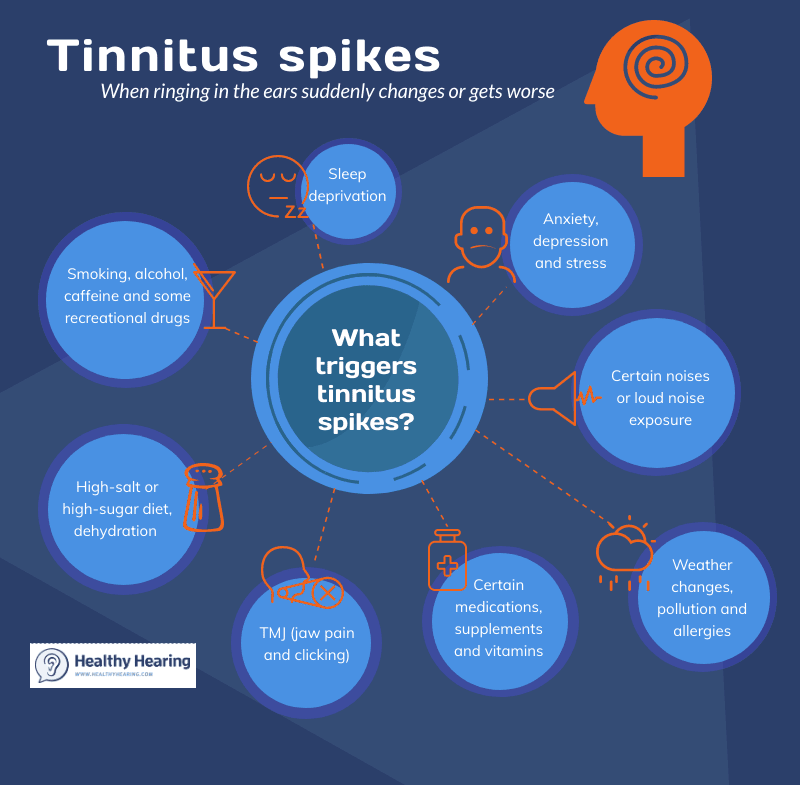
Stress and anxiety are common experiences that many individuals face in their daily lives. However, for individuals with tinnitus, these psychological factors can have a significant impact on their symptoms. There is a clear connection between stress, anxiety, and tinnitus, with many individuals reporting that their tinnitus worsens during periods of increased stress or anxiety. This relationship is thought to be due to the complex interplay between the brain, emotions, and the auditory system.
Research and Studies on Stress and Tinnitus
Over the years, numerous studies have been conducted to examine the relationship between stress, anxiety, and tinnitus. These studies have consistently shown a positive correlation between high stress levels and the severity of tinnitus symptoms. Additionally, individuals who experience higher levels of anxiety are more likely to report heightened tinnitus symptoms. However, it is important to note that while stress and anxiety may exacerbate tinnitus, they are not considered direct causes of the condition.
Impact of Chronic Stress on Tinnitus
Chronic stress, the prolonged exposure to stressful situations or events, can have a detrimental impact on tinnitus. Research has shown that individuals who experience chronic stress are more likely to have prolonged and intensified tinnitus symptoms. This may be due to the physiological changes that occur in the body as a result of stress, such as increased blood pressure and muscle tension, which can worsen tinnitus perception.
The Role of Anxiety in Tinnitus
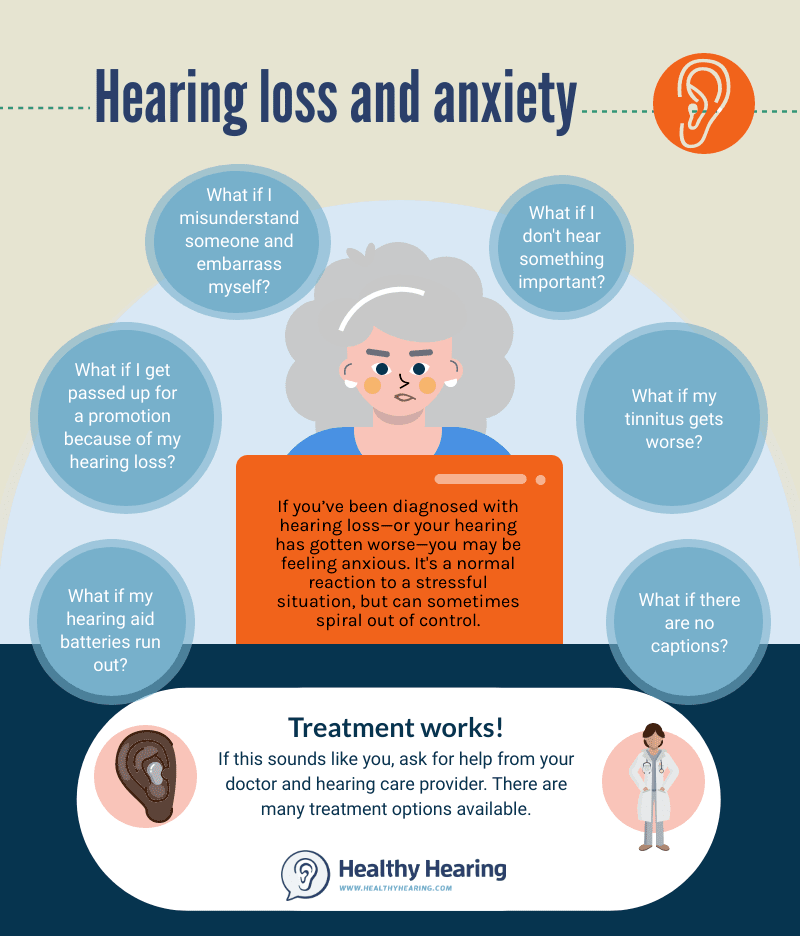
Anxiety, a common mental health condition characterized by excessive worry and fear, can also contribute to worsening tinnitus symptoms. Anxiety can heighten an individual’s perception of their tinnitus, making it seem louder and more intrusive. This is because anxiety activates the body’s “fight or flight” response, which can increase blood flow to the auditory system and hypersensitize the individual to their tinnitus sounds.
Effects of Stress on Tinnitus Perception
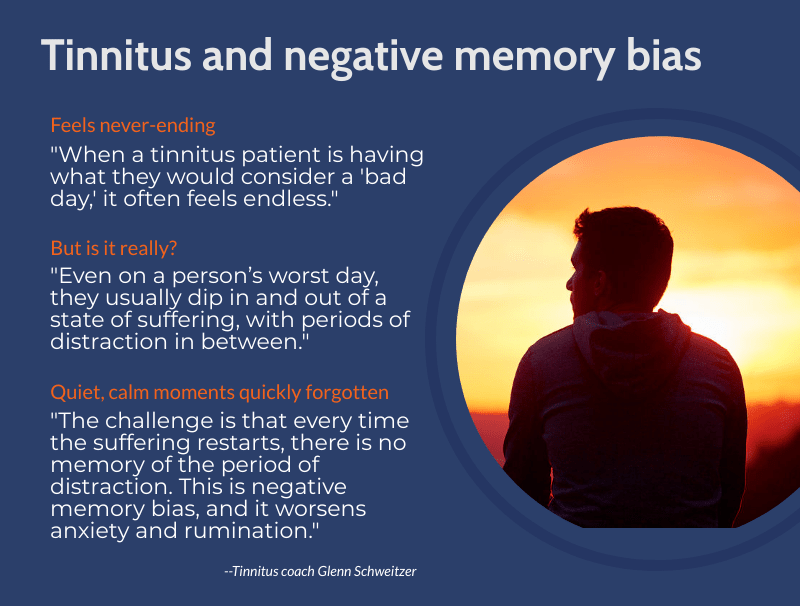
Stress can have a profound impact on how an individual perceives their tinnitus. In times of high stress, individuals often experience heightened awareness of their tinnitus sounds, leading to increased annoyance and distress. This heightened perception of tinnitus can create a vicious cycle, with stress worsening tinnitus, and increased tinnitus causing more stress and anxiety.
Effects of Anxiety on Tinnitus Perception
Similar to stress, anxiety can significantly contribute to the perception of tinnitus. Heightened anxiety levels can amplify the volume and severity of tinnitus sounds, making them more difficult to ignore or manage. This can lead to increased frustration and anxiety, further exacerbating the individual’s tinnitus symptoms.
Psychological Factors Influencing Tinnitus Perception
Apart from stress and anxiety, other psychological factors can influence an individual’s perception of their tinnitus. Factors such as depression, negative thinking patterns, and catastrophizing can contribute to the severity and impact of tinnitus symptoms. Therefore, addressing these psychological factors through therapy or counseling can be beneficial in managing and reducing tinnitus distress.

Stress Management Techniques for Tinnitus Relief
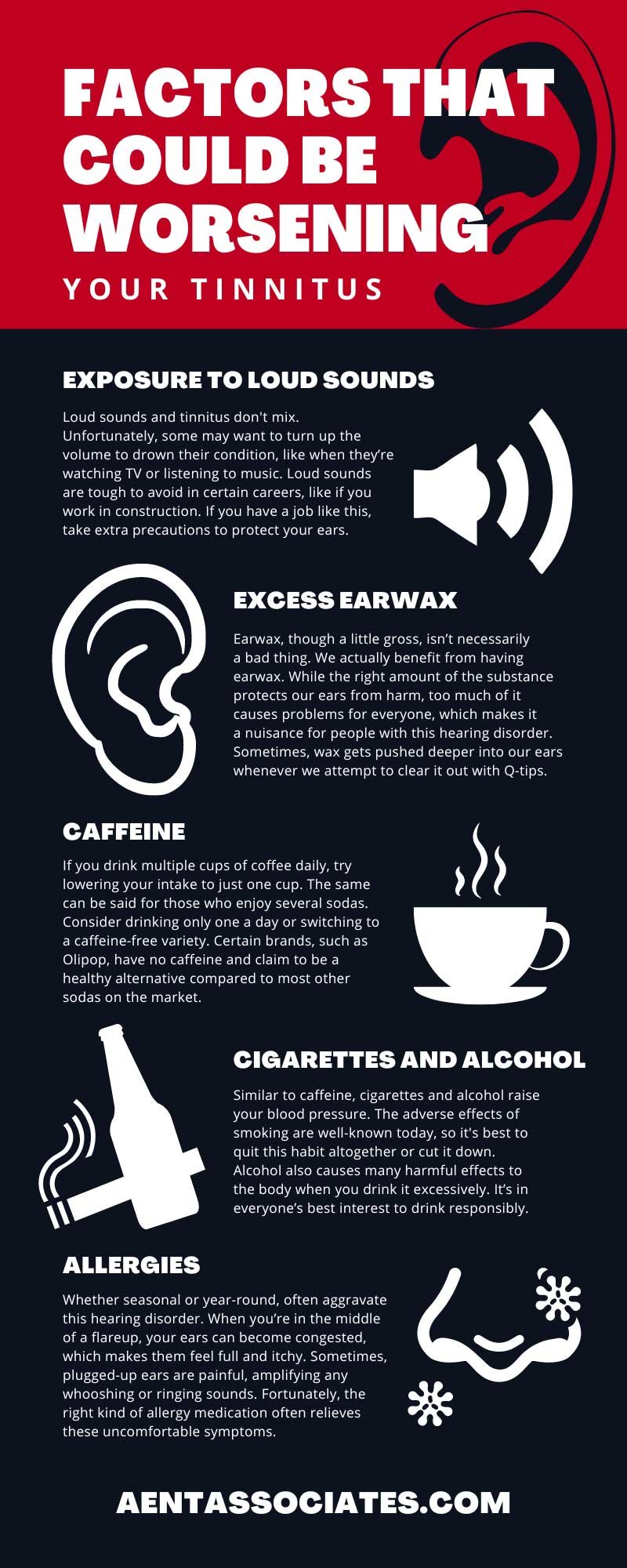
Managing stress is crucial for individuals with tinnitus to alleviate the impact of stress on their symptoms. Some effective stress management techniques include exercise, relaxation techniques (such as deep breathing exercises or meditation), engaging in hobbies or activities that bring joy, and seeking social support. Additionally, adopting healthy lifestyle habits, such as maintaining a balanced diet, getting enough sleep, and avoiding excessive caffeine or alcohol consumption, can also help reduce stress levels.
Anxiety Management Techniques for Tinnitus Relief
To manage anxiety and its impact on tinnitus, individuals can explore various anxiety management techniques. These may include practicing mindfulness and meditation, engaging in regular physical activity, seeking therapy or counseling, identifying and challenging negative thought patterns, and utilizing relaxation techniques such as progressive muscle relaxation. It is important for individuals to find the techniques that work best for them and incorporate them into their daily routine to effectively manage anxiety and minimize its impact on tinnitus.
In conclusion, stress and anxiety can indeed make tinnitus worse. There is a strong correlation between high stress levels, anxiety, and the severity of tinnitus symptoms. It is essential for individuals with tinnitus to address these psychological factors through stress and anxiety management techniques, as well as seek professional help if needed. By effectively managing stress and anxiety, individuals can reduce the impact of these factors on their tinnitus and improve their overall quality of life.