
Imagine sitting in a peaceful room, enjoying a quiet moment, when suddenly you hear a persistent ringing in your ears. This phenomenon, known as tinnitus, can be incredibly frustrating and disruptive. But did you know that tinnitus could be a sign of an earwax blockage or issues with your ear canal? It’s true! In this article, we’ll explore the fascinating connection between tinnitus and these common ear problems, shedding light on the potential causes and possible solutions. So, if you’ve ever wondered about the relationship between tinnitus and earwax, join us on this informative journey to uncover the truth.
What is Tinnitus?
Tinnitus refers to the perception of sound in the absence of an external sound source. It is often described as a ringing, buzzing, or hissing noise in the ears. Tinnitus can be a temporary or chronic condition and can vary in severity from person to person. It is estimated that around 15-20% of the population experiences tinnitus at some point in their lives, with approximately 2-3% experiencing it regularly.
Definition
Tinnitus is not a disease itself but rather a symptom of an underlying condition. It can be caused by various factors, including age-related hearing loss, exposure to loud noise, earwax blockage, and ear infections. Understanding the possible causes of tinnitus is crucial in determining the appropriate treatment and management strategies.
Symptoms
The symptoms of tinnitus can vary from person to person. Some may experience a continuous ringing or buzzing sound, while others may perceive intermittent noises. The severity of the symptoms can also vary, ranging from a mild annoyance to a significant impact on daily life. Additionally, some people may find that the intensity of their tinnitus fluctuates, while others may notice it more prominently in quiet environments. It’s important to note that tinnitus can be a subjective experience, meaning that only the person experiencing it can hear the sounds.
Causes of Tinnitus
Understanding the potential causes of tinnitus is essential in addressing the underlying issues and finding appropriate treatment options. While tinnitus can be a complex condition with multi-faceted causes, several common factors are known to contribute to its development.
Age-related Hearing Loss
Age-related hearing loss, also known as presbycusis, is one of the primary causes of tinnitus in older adults. As we age, the sensory cells in our inner ear, responsible for detecting sound, gradually deteriorate. This can lead to a loss of hearing and, in some cases, the development of tinnitus.
Exposure to Loud Noise
Exposure to loud noise, either in a one-time event or through repeated exposure, can damage the delicate structures of the inner ear and result in tinnitus. This can occur in various settings, such as attending loud concerts without hearing protection, working in noisy environments, or using personal audio devices at high volume levels for extended periods.
Earwax Blockage
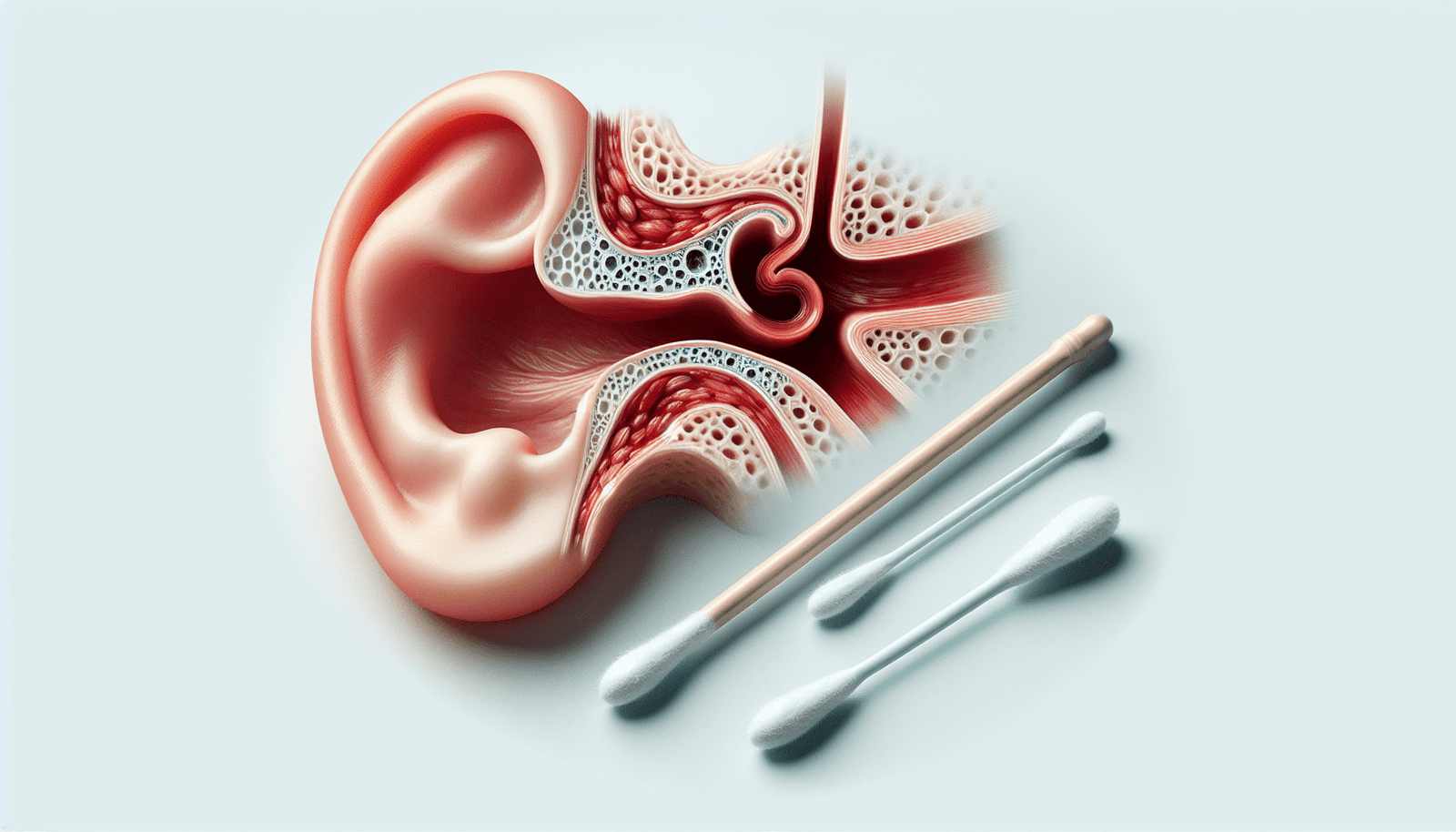
Earwax, also known as cerumen, is a natural substance produced by the ear to protect and lubricate the ear canal. However, in some cases, an excessive amount of earwax can accumulate and block the ear canal, leading to tinnitus. This blockage can also cause hearing loss and discomfort.
Ear Infections
Infections in the ear, such as otitis media (middle ear infection) or otitis externa (swimmer’s ear), can also contribute to the development of tinnitus. These infections can cause inflammation and fluid buildup in the ear, affecting the proper functioning of the auditory system and resulting in the perception of tinnitus.
Understanding Earwax Blockage
Earwax blockage, or impacted cerumen, occurs when an excessive amount of earwax accumulates in the ear canal and hinders its proper functioning. Understanding the function and the signs of earwax blockage is crucial in determining its impact on hearing and tinnitus.
Function of Earwax
Earwax plays a vital role in maintaining the health of the ear. It helps to trap dust, dirt, and other particles, preventing them from reaching the delicate structures of the ear. Additionally, earwax acts as a natural lubricant, keeping the ear canal moist and preventing dryness and irritation.
Signs and Symptoms of Earwax Blockage
The signs and symptoms of earwax blockage can vary from person to person. Common indicators include earache, a feeling of fullness or pressure in the ear, temporary hearing loss, tinnitus, and dizziness. Additionally, some individuals may experience a discharge or an unpleasant odor from the affected ear.
Impact on Hearing and Tinnitus
Earwax blockage can have a significant impact on both hearing and the perception of tinnitus. The blockage can interfere with the conduction of sound waves to the inner ear, resulting in a reduction in hearing ability. This reduction in hearing can contribute to the development or exacerbation of tinnitus symptoms. Therefore, it is important to address any earwax blockage promptly to alleviate tinnitus and improve overall auditory function.
Common Ear Canal Issues
There are several common issues that can affect the ear canal and contribute to the development of tinnitus. Understanding these conditions can help identify the relationship between tinnitus and earwax blockage.
Otitis Media
Otitis media refers to inflammation or infection of the middle ear. It typically occurs due to a bacterial or viral infection and can result in symptoms such as pain, fever, fluid buildup, and hearing loss. While not all cases of otitis media lead to tinnitus, some individuals may experience perception of sound in the absence of an external source.
Otitis Externa
Otitis externa, commonly known as swimmer’s ear, is an infection or inflammation of the ear canal. It occurs when water or moisture gets trapped in the ear canal, facilitating the growth of bacteria or fungi. Common symptoms include pain, itching, redness, swelling, and in some cases, tinnitus.
Eustachian Tube Dysfunction
The Eustachian tubes are narrow passages that connect the middle ear to the back of the throat. They play a crucial role in equalizing the pressure between the middle ear and the outside environment. However, in some individuals, these tubes may not function properly, leading to a buildup of pressure, fluid, or bacteria in the middle ear. This dysfunction can result in ear pain, hearing loss, and tinnitus.
Perforated Eardrum
A perforated eardrum refers to a hole or rupture in the thin membrane that separates the outer ear from the middle ear. This can occur due to various reasons, such as trauma, infection, or sudden changes in pressure. A perforated eardrum can cause symptoms like ear pain, hearing loss, ear drainage, and tinnitus.
Temporomandibular Joint (TMJ) Disorder
The temporomandibular joint is the joint that connects the jawbone to the skull. TMJ disorder refers to a malfunction or misalignment of this joint, causing pain and discomfort in the jaw and surrounding areas. In some cases, individuals with TMJ disorder may also experience tinnitus, as the jaw joint’s dysfunction can affect the structures and nerves in the ear.
Relationship Between Tinnitus and Earwax Blockage
Understanding the relationship between tinnitus and earwax blockage is essential in identifying the underlying cause and determining the appropriate diagnosis and treatment.
How Does Earwax Blockage Cause Tinnitus?
Earwax blockage can contribute to the perception of tinnitus in several ways. Firstly, the accumulation of earwax can physically obstruct the sound waves from reaching the inner ear, resulting in a reduction in hearing sensitivity and an increase in the perception of tinnitus. Additionally, the presence of excessive earwax can cause irritation and inflammation in the ear canal, leading to tinnitus symptoms. Lastly, the pressure exerted by the trapped earwax can stimulate the auditory nerve fibers, causing the brain to interpret the stimulation as sound, resulting in tinnitus.
Diagnosis and Treatment
To diagnose the relationship between tinnitus and earwax blockage, a healthcare professional will conduct a thorough examination of the ears, which may include visual inspection, otoscopy, and audiological testing. They may also inquire about the individual’s medical history and any accompanying symptoms. Once the relationship is established, appropriate treatment options can be recommended.
Treating Earwax Blockage and Tinnitus
Effective treatment strategies for earwax blockage and tinnitus depend on the severity of the condition and the underlying causes. Various treatment options are available, ranging from home remedies to professional interventions.
Home Remedies
Mild cases of earwax blockage can often be resolved with simple home remedies. These may include gently rinsing the ear with warm water, using over-the-counter ear drops to soften the wax, or using a bulb syringe to flush out the softened wax. However, it is important to exercise caution and avoid using any sharp objects or excessive force in an attempt to remove the earwax at home, as this can lead to further complications.
Earwax Removal by a Healthcare Professional
For stubborn or severe cases of earwax blockage, it is recommended to seek assistance from a healthcare professional, such as an audiologist or an ear, nose, and throat (ENT) specialist. These professionals have specialized tools and expertise to safely and effectively remove the impacted earwax. They may use methods such as irrigation, suction, or manual removal using instruments under direct visualization.
Tinnitus Management Strategies
In cases where tinnitus persists despite the removal of earwax or the resolution of underlying ear canal issues, management strategies can help individuals cope with the symptoms. These may include sound therapy, cognitive-behavioral therapy (CBT), stress reduction techniques, and the use of hearing aids or tinnitus maskers. The goal of these strategies is to reduce the prominence of tinnitus and improve the individual’s quality of life.
Preventing Earwax Buildup
While it may not be possible to prevent all cases of earwax buildup, adopting certain preventive measures can help minimize the risk and frequency of occurrence.
Cleaning the Ears Properly
Cleaning the ears regularly and properly can help prevent excessive accumulation of earwax. It is important to note that earwax is self-cleaning, and most of the time, it will naturally migrate out of the ear canal. However, if there is a noticeable buildup, it is advisable to gently clean the outer ear with a washcloth and avoid inserting any foreign objects, such as cotton swabs, into the ear canal.
Avoiding the Use of Q-tips
Contrary to popular belief, using Q-tips or cotton swabs to clean the ears can push the earwax further into the ear canal, leading to blockages and potential damage to the ear. It is best to avoid using these items for cleaning purposes and only use them to clean the outer part of the ear.
Regular Check-ups with an Audiologist
Regular visits to an audiologist are essential for maintaining ear health and preventing potential issues. A professional examination of the ears can help detect any early signs of blockages or infections and allow for prompt intervention to prevent the development of tinnitus or other complications.
Other Possible Causes of Tinnitus
While earwax blockage and ear canal issues are common factors that contribute to tinnitus, it is important to acknowledge other potential causes.
Medical Conditions
Certain medical conditions, such as Meniere’s disease, temporomandibular joint (TMJ) disorder, and high blood pressure, can result in the development of tinnitus. It is advisable to consult with a healthcare professional to determine if an underlying medical condition is contributing to the symptoms.
Medications
Certain medications, including non-steroidal anti-inflammatory drugs (NSAIDs), antibiotics, antidepressants, and chemotherapy drugs, have been known to cause or exacerbate tinnitus. If tinnitus symptoms appear or worsen after starting a new medication, it is important to inform a healthcare professional for further evaluation and potential adjustment of medication.
Stress and Anxiety
While stress and anxiety may not directly cause tinnitus, they can worsen existing symptoms and increase the individual’s perception of the tinnitus sound. Managing stress and implementing relaxation techniques can be beneficial in alleviating the impact of tinnitus.
When to Seek Medical Attention
In most cases, tinnitus is a harmless condition that does not require urgent medical attention. However, there are instances where seeking professional assistance is necessary.
Persistent or Worsening Tinnitus
If tinnitus symptoms persist for an extended period or worsen over time, it is advisable to consult with a healthcare professional. They can evaluate the individual’s symptoms, conduct comprehensive testing, and recommend appropriate treatment options.
Accompanying Symptoms
If tinnitus is accompanied by other concerning symptoms, such as sudden hearing loss, severe dizziness, ear pain, or drainage from the ear, it is important to seek immediate medical attention. These symptoms may indicate a more serious underlying condition that requires prompt intervention.
Conclusion
Tinnitus can be a bothersome and sometimes debilitating condition, impacting the quality of life for those experiencing it. While it can be a symptom of various underlying causes, earwax blockage and ear canal issues are common contributors to tinnitus. Understanding the relationship between tinnitus and these factors is crucial in identifying the cause and determining appropriate treatment strategies. By practicing preventive measures, seeking timely medical attention when necessary, and implementing effective treatment and management approaches, individuals with tinnitus can find relief and improve their overall well-being.